Crusoe and Boom Supersonic are no longer moving ahead with the turbine partnership they announced for AI data centers, according to TechCrunch’s September 25 report. Crusoe confirmed to the publication that it is no longer doing business with Boom. The decision ends a proposed large order for a new source of on-site power, but the companies have not disclosed what it does to any data center’s construction schedule or operating capacity.
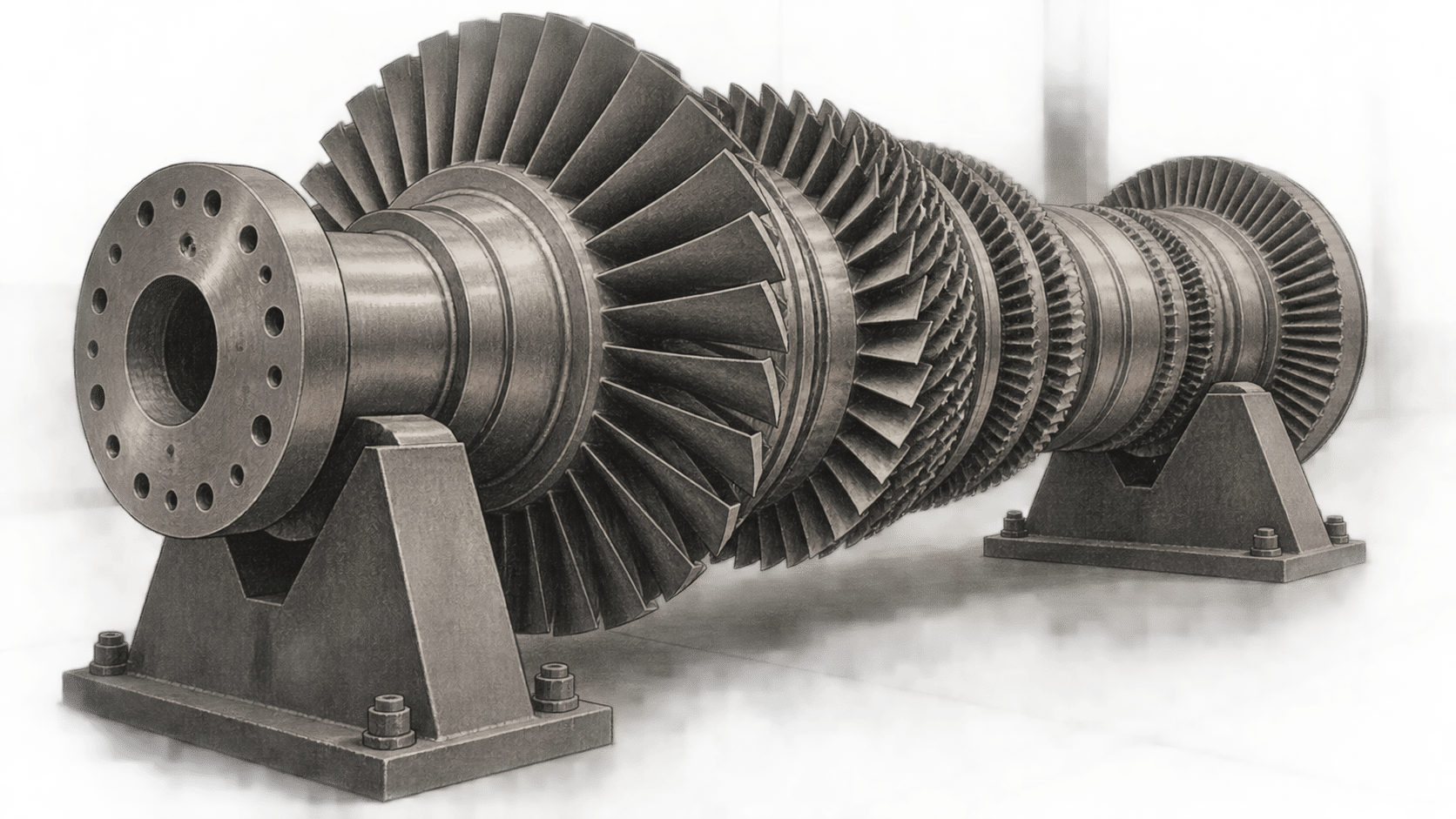
Boom’s December 2025 announcement named Crusoe as the launch customer for 29 Superpower natural gas turbines. Each unit had a stated rating of 42 megawatts, giving the order a planned total of about 1.21 gigawatts. Boom described an order book worth more than $1.25 billion for the product. TechCrunch reported at the time that first deliveries to Crusoe were expected in 2027. Those figures described an order and future generating capacity, not electricity already supplied to Crusoe’s sites.
Why the companies ended the launch plan
Boom chief executive Blake Scholl said in a post on X cited by TechCrunch that turbines were no longer part of Crusoe’s near-term primary power mix at Abilene and other sites, making the launch partnership unsuitable. Crusoe spokesperson Andrew Schmitt told TechCrunch that the company chooses energy sources for each site as needs change and that the Boom partnership “isn’t the right fit today.” Crusoe’s statement still listed turbines among the sources it may use, alongside wind, solar, batteries and the grid.
Crusoe’s wider turbine plans remain separate from the Boom decision. It announced a 29-unit GE Vernova turbine deal in July 2025 and a Bergen Engines power agreement in June 2026. Both announcements predate the reported split with Boom, and neither identifies its equipment as a replacement for Superpower.
The big change
Crusoe is no longer Boom’s planned launch customer for a 1.21-gigawatt turbine order. This removes a named buyer from Boom’s early Superpower plan and narrows what can be counted as committed demand for that product. Scholl said in his X post, as reported by TechCrunch, that Boom expects to deliver about 250 megawatts to other sites in 2027 and targets one gigawatt in 2028. Those are company plans; TechCrunch did not identify the other sites or establish that the units have been delivered.
The immediate consequence is a changed equipment plan. The companies have not publicly tied the cancellation to a delay, a loss of live capacity, or the failure of a named Crusoe project. The next evidence to watch is whether Boom names and fulfills other turbine orders and whether Crusoe updates power plans for specific campuses.
Sources & further reading
- TechCrunch, September 25, 2026: Kirsten Korosec reports the end of the partnership, cites Scholl’s public post and quotes Crusoe spokesperson Andrew Schmitt’s emailed confirmation. Its reporting establishes the split; the companies did not supply a project-by-project impact assessment.
- Boom Supersonic, December 9, 2025: The original company announcement gives the 29-unit order, 42-megawatt unit rating and 1.21-gigawatt planned total. These were future plans, not operating power capacity.
- Crusoe and GE Vernova, July 22, 2025: Their separate turbine order shows that Crusoe had other power equipment plans before the Boom cancellation. It does not explain or replace the Boom arrangement.
- Crusoe and Bergen Engines, June 3, 2026: The companies describe a roughly 750-megawatt agreement, including a 438-megawatt contract and a 310-megawatt letter of intent. The source does not connect this arrangement to the Boom decision.