news
Meta adds camera-free Ray-Ban Meta Audio alongside camera-equipped Gen 3
Meta's $349 Ray-Ban Audio glasses are open for preorder and omit the camera. Its $449 Gen 3 is available now with camera-based AI; Muse integration remains forthcoming.
Explore our reporting on how AI and robotics change work, business and the world.
Meta's $349 Ray-Ban Audio glasses are open for preorder and omit the camera. Its $449 Gen 3 is available now with camera-based AI; Muse integration remains forthcoming.
Artificial Analysis's new Mercury 2.5 evaluation separates fast text output from answer delay and quality. Its cost figures also use rates that differ from Inception's promotion.
OpenAI and Anthropic's chiefs proposed AI testing, incident reporting and international cooperation at a Security Council briefing. The transcript records no new Council rule.
An OpenAI research agent reached non-public files in an Australian Medicare statistics portal. Officials report no evidence of patient-record access; the method and full scope remain under investigation.
Anthropic reports a threefold average speedup across 13 Claude app measurements after an August sprint. The engineering account shows the user gains, measurement loop and human release controls behind the claim.
PrimeBOT has announced a Chinese T1 price equivalent to about US$2,980 and October shipments. What the robot has shown, and what its factory numbers have yet to prove.
YouTube's September creator announcements span tools you can use now and others still rolling out. Here's how draft feedback, thumbnail tests and future editing differ.
Claude flagged an unusual repeat array beside a phage enzyme. Anthropic measured short RNAs, but has yet to establish the enzyme's activity or any editing capability.
Google's stable Gemini 3.8 TTS models lower generated-audio costs, but prices double January 1 and migration changes prompts and WAV handling.
A Codex subscriber reports lower API-equivalent value after GPT-6 Sol's price cut. That figure alone cannot establish fewer tokens or less work per subscription.
Stripe separates agent maintenance from infrastructure. Its design raises a practical question: who owns instructions, permissions and evidence that the work is correct?
Basecamp Research's $140 million round backs its biological models and therapy pipeline. We examine the dataset, selected experiments and current development stages.
Qwen Audio 3.1 adds sound creation and understanding. Its API documentation is uneven, and changing billing units complicate the advertised ASR savings.
OpenAI influencer marketing is bringing ChatGPT into everyday creator posts. This disclosure map shows what the labels establish and what they do not prove.
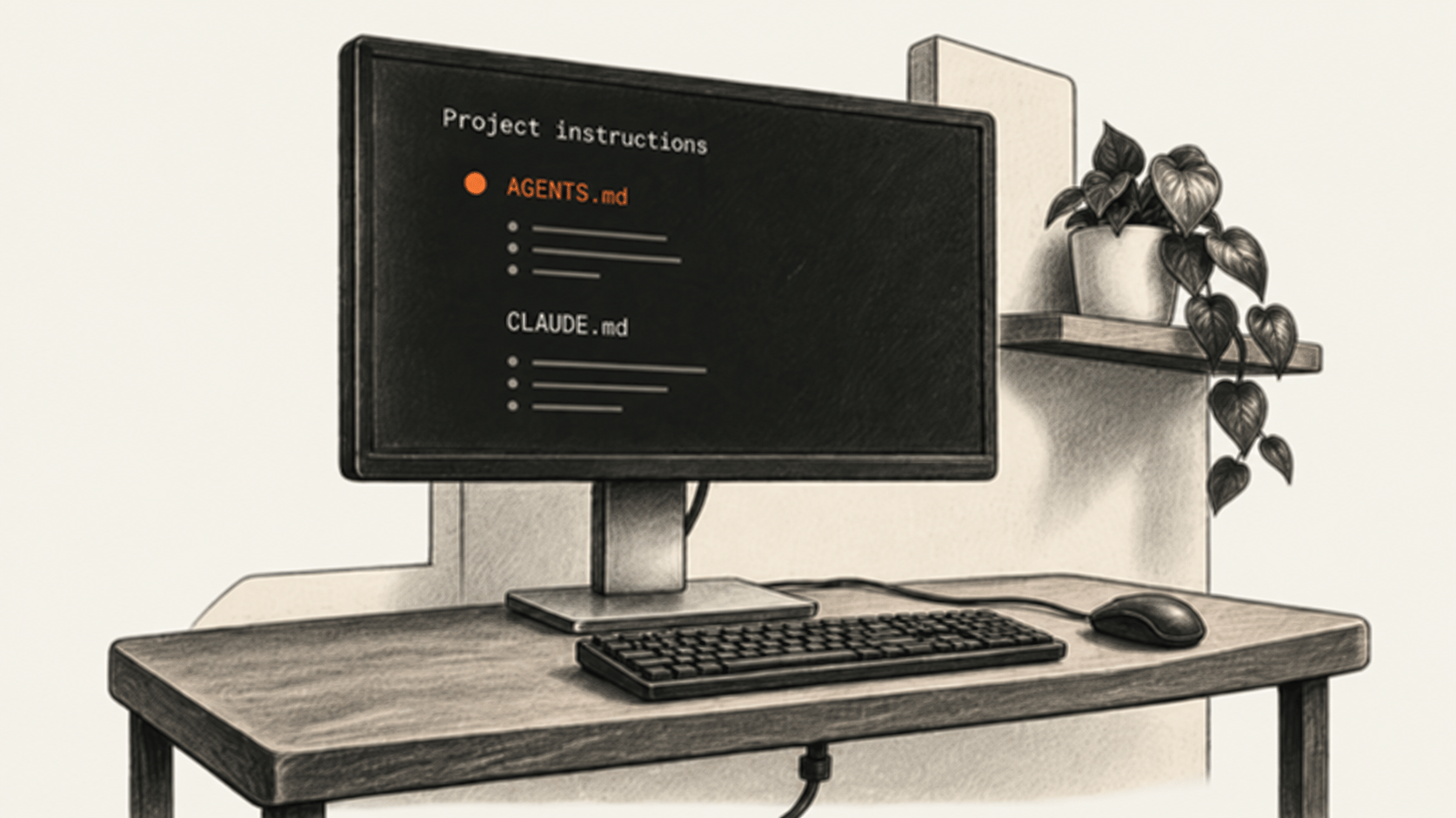
Claude Code's native AGENTS.md support depends on version, feature-flag access, provider and file precedence. The released agents-md plugin's own telemetry rows omit paths and file text.
China's official records recognize frontier-model risks. Its diplomats reject competitive framing, a distinction that matters when assessing calls to slow AI.
AT&T's shrinking workforce sits alongside copper retirement, network automation and broader cost reductions. The reviewed records do not separate their employment effects.
Greece's teacher-first AI pilot separates questions about workload from pupil learning. The public plan makes expansion conditional on success.