AT&T ended June with 130,900 employees, down from 141,000 at the end of 2024. Its technology chief, Jeremy Legg, told WIRED that the company will have a smaller workforce in five years. Its disclosures identify several overlapping changes: copper retirement, software automation and corporate cost cuts.
The big change
- What changed: AT&T is retiring legacy infrastructure while automating tasks in its newer network. These change different kinds of work.
- Why it matters: Retiring equipment removes upkeep; automating tasks changes how work gets done. Neither establishes how many employees leave or why.
- What to watch: Workers and investors need a breakdown of employment effects across these programs to judge which work is disappearing, changing or growing.
Three mechanisms, three kinds of work
AT&T targets $4 billion in annual cost savings by the end of 2028. Its April earnings call listed five contributors: force optimization, vendor rationalization, further AI enablement, more digitalization, and reductions in legacy operations and support costs. The call does not allocate job losses among them.
Mechanism | Documented change | What it means for work |
|---|---|---|
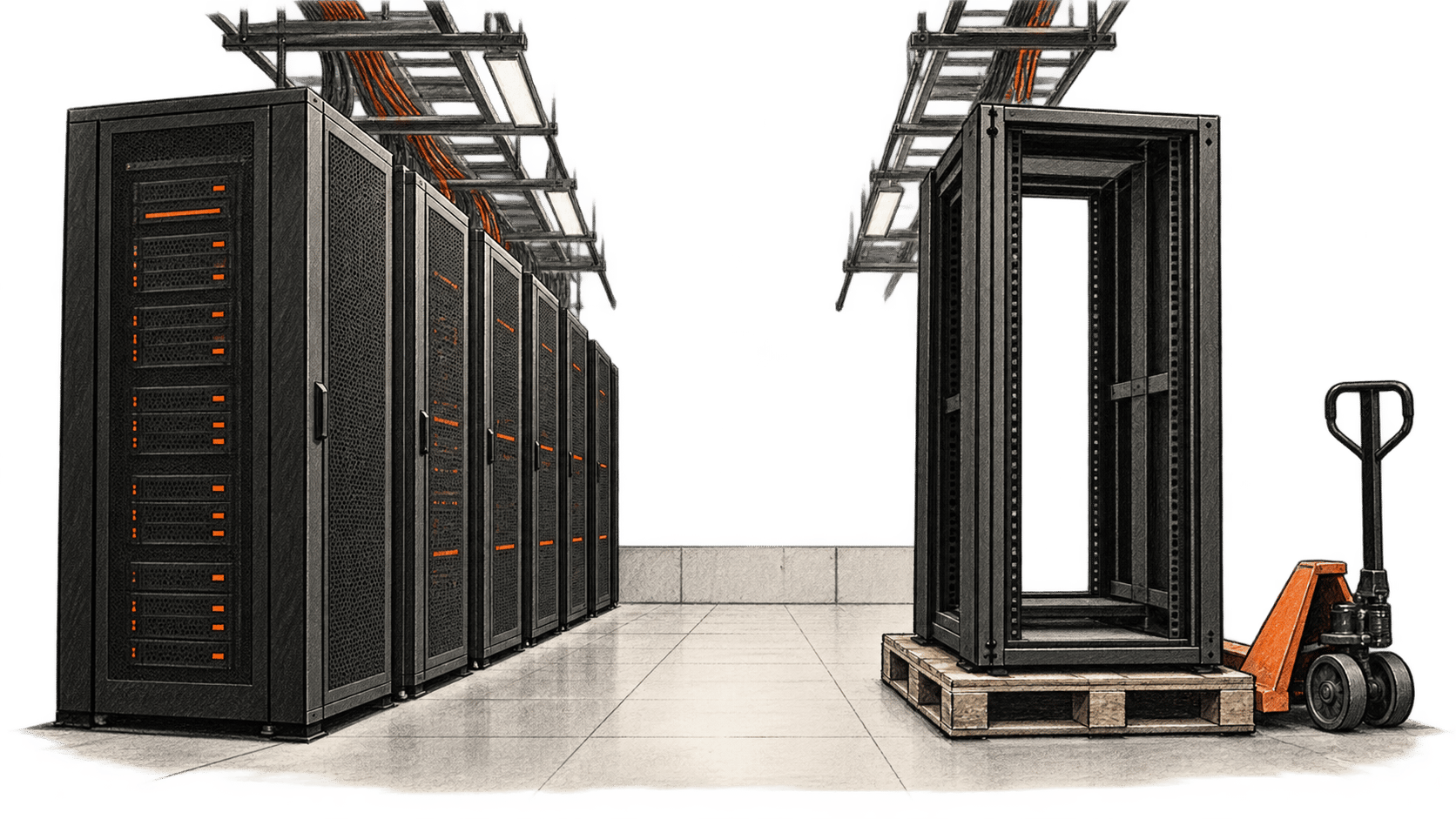
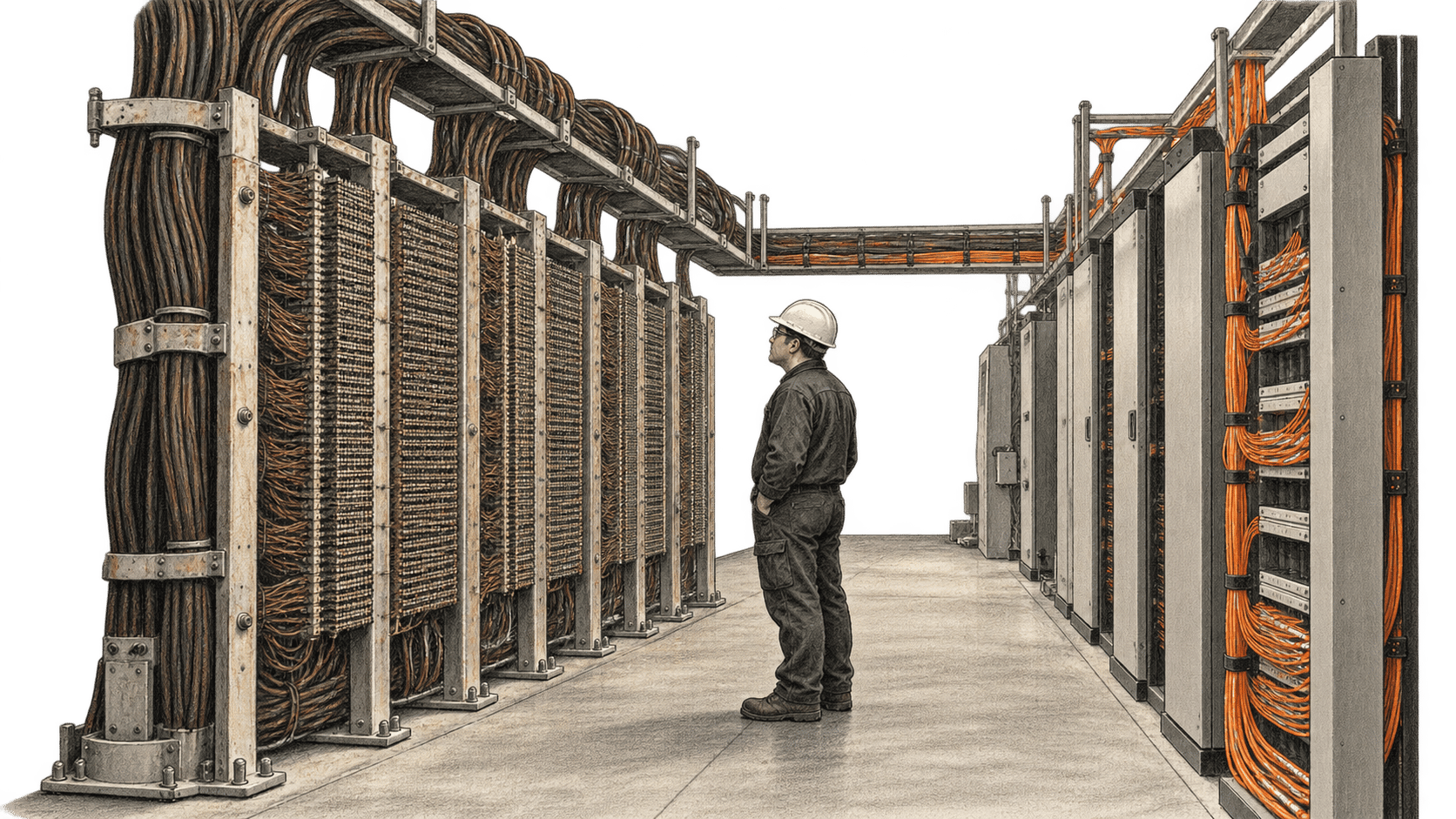
Retire copper | Migration from landlines and DSL to newer services, with selected-area discontinuations planned. | Retired equipment needs no routine upkeep; migration and decommissioning still require work. |
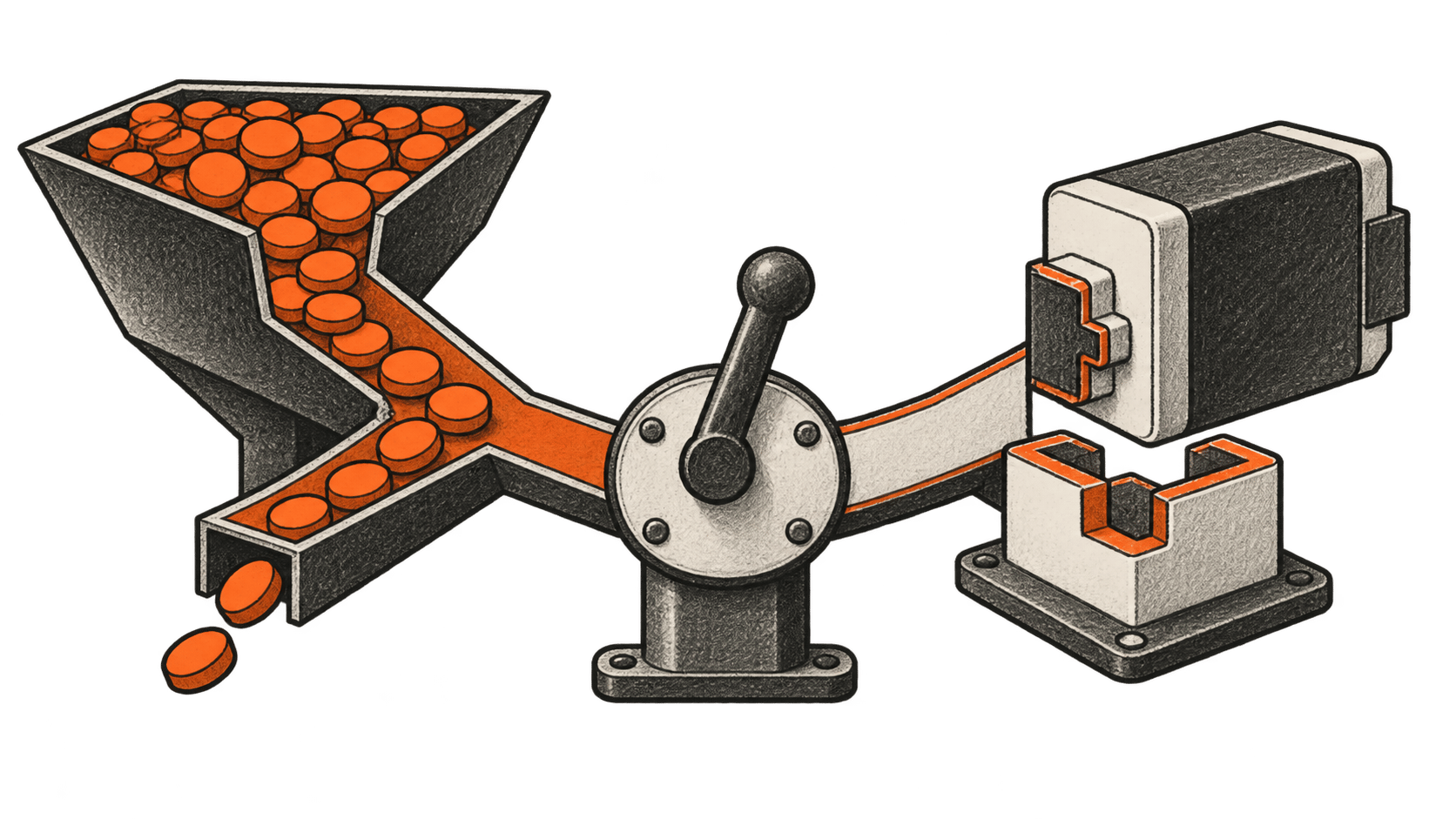
Software and AI | Systems forecast demand, detect anomalies, adjust capacity, optimize traffic and manage field dispatches. | Planning and response tasks change inside the modern network; the published material does not quantify jobs removed. |
Corporate cost reduction | AT&T names force optimization, vendor rationalization and digitalization as savings levers. | Employment and contracted work can fall for reasons that are broader than network AI. |
Copper retirement removes work without AI
AT&T’s transition plan calls for leaving copper across most of its wireline footprint by the end of 2029. The April notice scheduled selected-area service discontinuations to begin that summer.
Retired copper equipment no longer needs routine maintenance, while customer migration and decommissioning still require work. In California, AT&T says it is hiring hundreds of technicians to expand fiber and decommission copper. The mix can therefore shift from maintaining old plant toward building fiber, moving customers and dismantling legacy equipment even while total employment falls.
AI changes tasks inside the surviving network
AT&T gives a detailed account of where automation operates. Its Labs page says AI and machine learning influence cell-site selection, traffic forecasts, capacity planning and equipment configuration. The systems also support network auto-healing, near-real-time capacity changes, cell-site power management, field dispatch and device remediation. A separate September network update says AI helps detect anomalies, anticipate demand and optimize traffic.
These company accounts describe automation of specific engineering and operations tasks. They do not show how many positions disappear as a result. WIRED reports that AT&T plans to replace hardware in central network hubs with cloud software starting in 2027, allowing technicians to make some changes remotely. Legg told the publication that the company expects to keep hiring for a different mix of work, including AI-agent development and governance, while technicians will still maintain fiber.
What the headcount figures show
AT&T's quarterly workforce table shows employment falling by 8,000 during 2025 and another 2,100 in the first half of 2026. It records the decline, not its causes.
The Communications Workers of America adds a labor view. The union said in March that nonunion AT&T employees were three times as likely as represented employees to experience job losses since 2022. It also said AI tools were automating management tasks such as monitoring workplace behavior and employee feedback. Those are union claims, and the page provides no role-by-role layoff count.