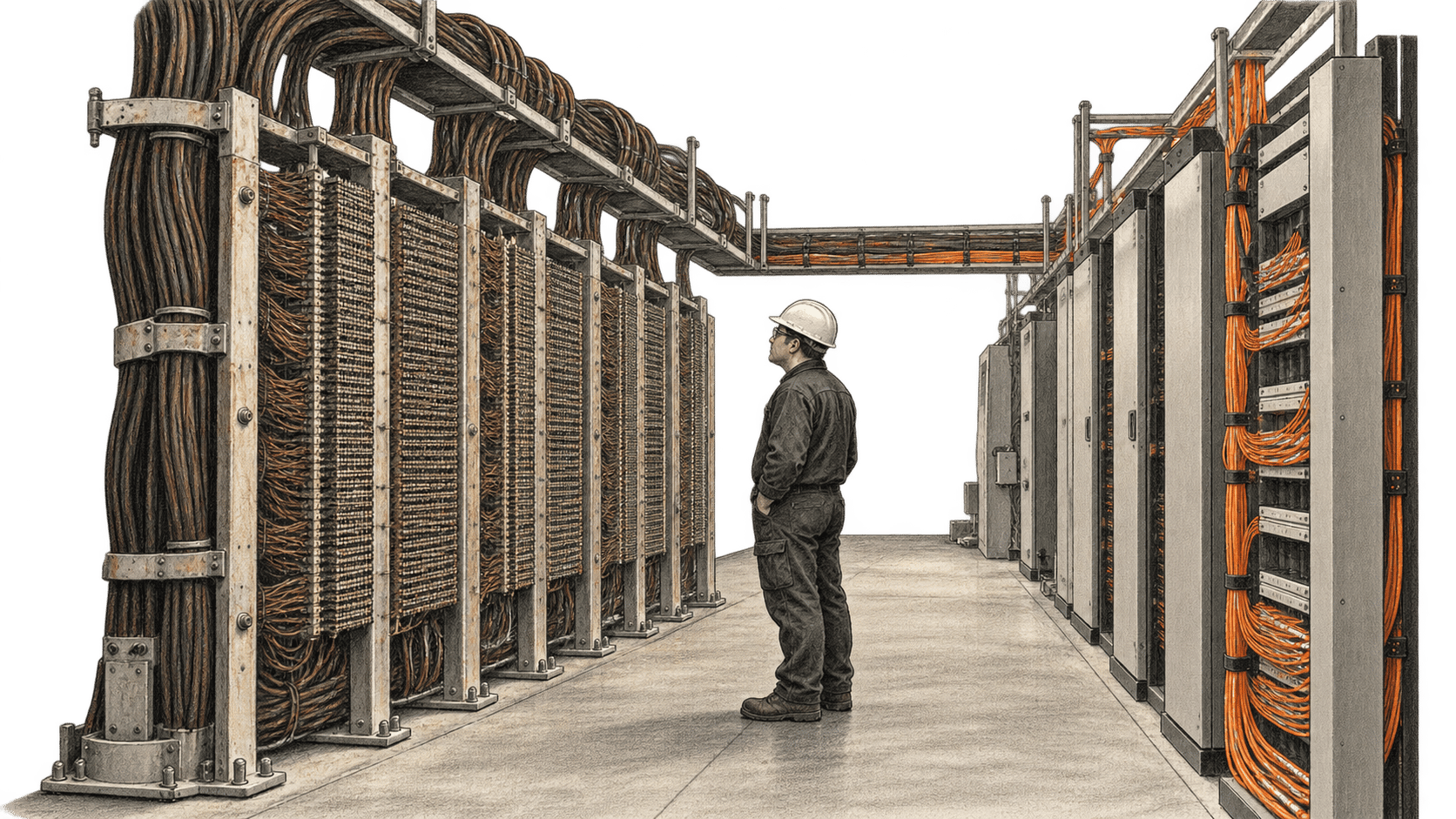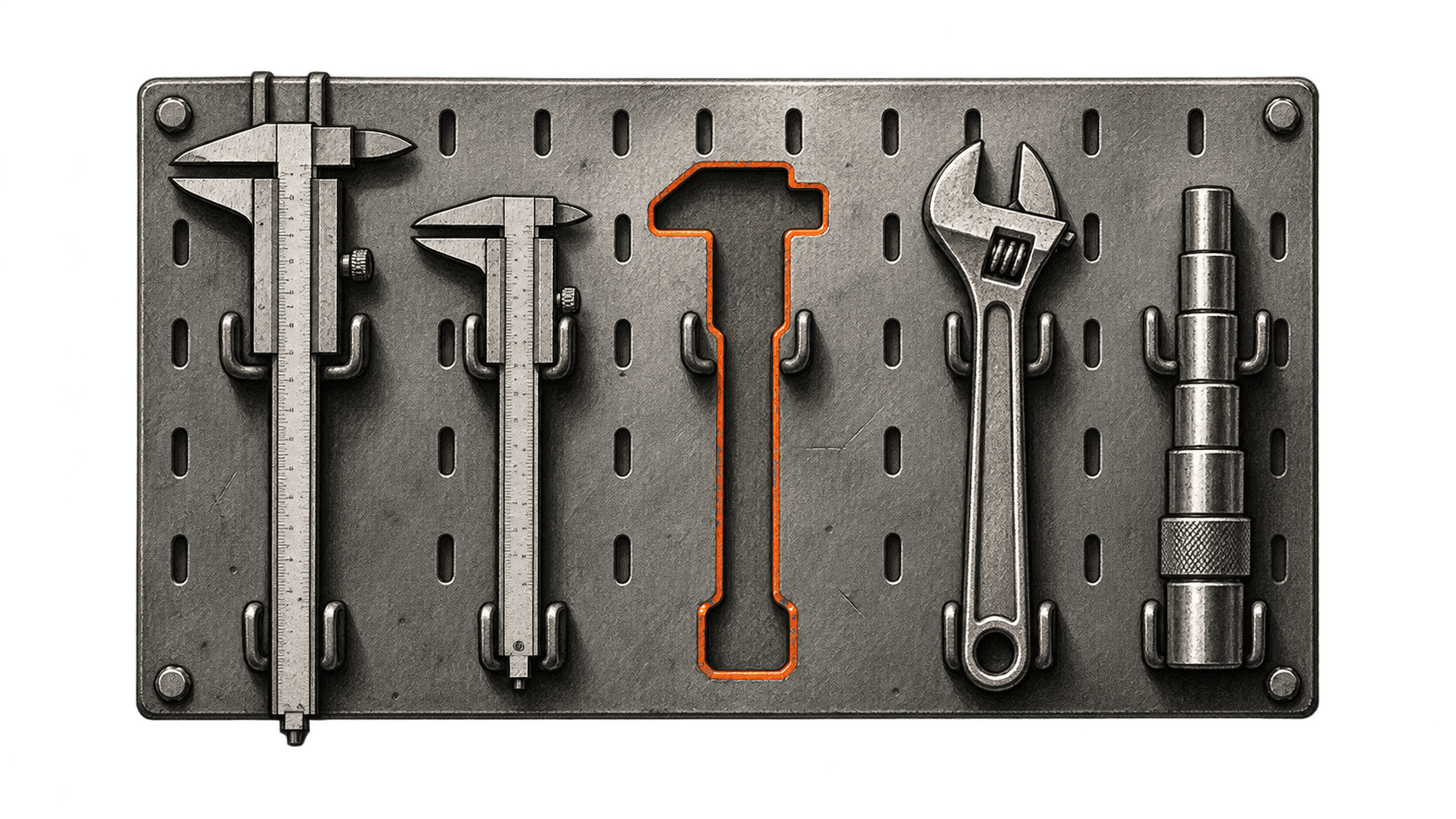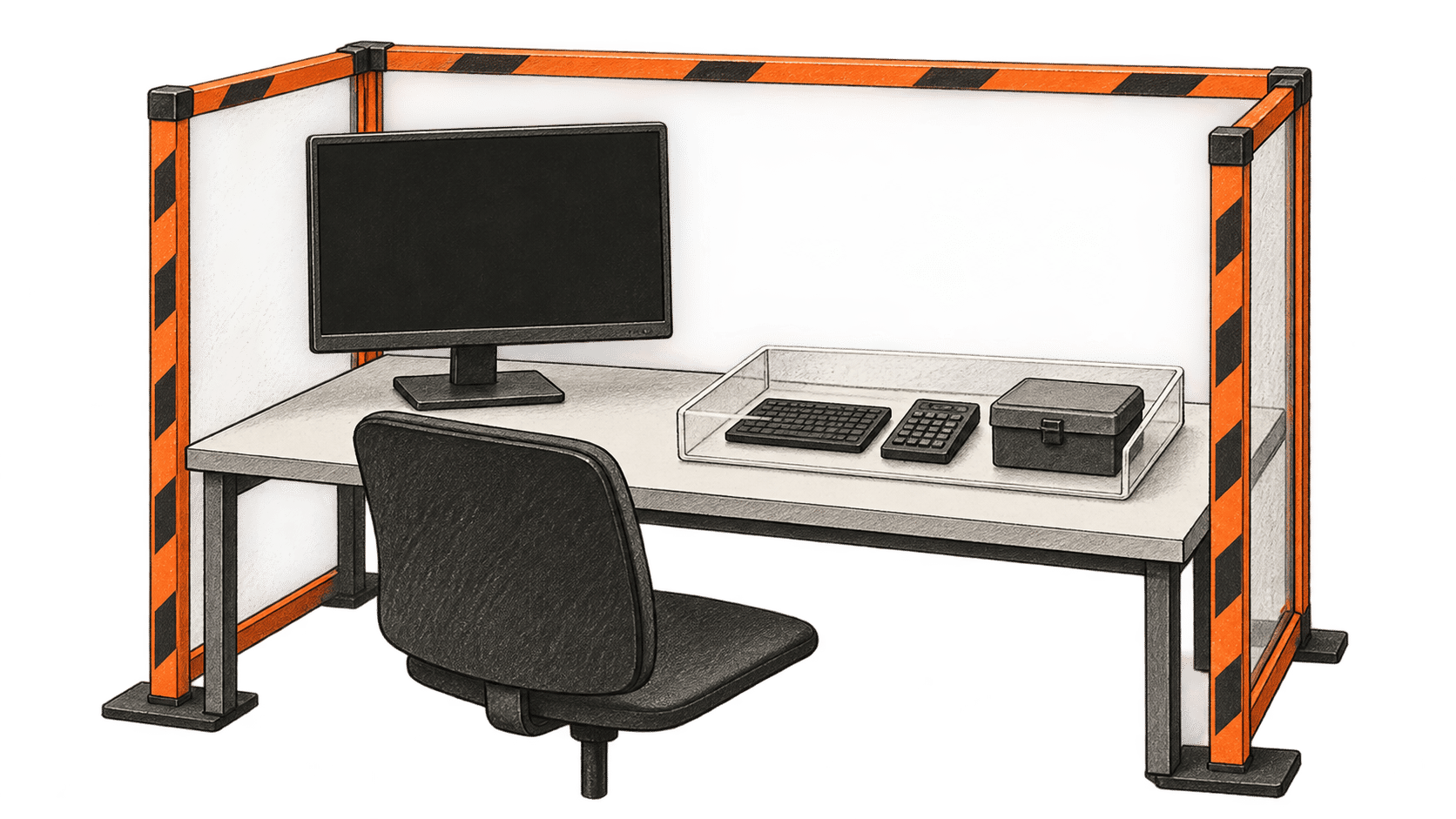
Snorkel AI sells simulated workplaces for training agents. They contain company records, tools and rules, and score the agent’s actions and results.
On September 22, Snorkel announced a $350 million Series E at a $3.5 billion valuation. The financing is new; the product direction is not. Snorkel described its environment-building method in 2025, and its current Data Series lists property and casualty underwriting and finance simulations. The round backs an existing business that turns expert knowledge about work into training and evaluation infrastructure.
The big change
- What changed: A training-data supplier can sell a working simulation of a company process. Success requires using the available tools and records to complete the workflow.
- Why it matters: The people who construct the environment help define competent work. A policy threshold, required approval or database update becomes part of the signal that rewards one behavior and rejects another. Domain judgment is therefore an input to training, not only a final review.
- What to watch: Snorkel says it will expand grants for open benchmarks. For commercial environments, the central question is how closely their tools, rules and exceptions match the buyer’s operation, because success in the simulation is measured against that constructed version of the job.
What a simulated company contains
A static dataset can pair a question with a preferred answer. An environment adds actions and consequences. The agent chooses a tool, observes what happened and decides what to do next. A database may change, a simulated user may supply missing information, and a policy may require escalation.
Snorkel’s August account of enterprise environments says evaluation checks the answer, resulting system state, permissions, approvals and evidence-gathering process. A completion claim can therefore fail when the underlying record remains unchanged.
The current Enterprise Environments product page lists underwriting and finance as available, each with thousands of tasks and simulated users. These are training artifacts.
The same artifact can serve two related purposes. A team can use it to evaluate an agent against repeatable tasks. It can also put the tasks and reward signals into a reinforcement-learning loop, so successful behavior influences later actions.
The rules are part of the product
Snorkel says experts specify the workflow and success criteria; engineers build its tools and data. Verifiers grade the work, while an oracle agent checks that a valid path exists.
Company-specific rules require the agent to inspect the environment rather than rely on general industry knowledge.
Environment authors decide which exceptions matter, what counts as completion and which alternative paths are acceptable. Buyers and domain experts must check whether those choices reflect actual work.
A controlled test has a boundary
Snorkel’s 2025 technical explanation says its environments use representative services and schemas, with synthetic or anonymized data standing in for live systems. This control lets a team repeat tasks, inspect database changes and test prohibited actions without touching customer records.
The result is evidence about performance against the encoded workflow. The source pages explain how Snorkel constructs and checks tasks, but they do not present an independent study connecting scores in these commercial simulations to reliability in a live underwriting or finance operation. Production use still depends on whether the simulation captured the real tools, data and edge cases accurately.
What the funding backs
Snorkel began as a system for developing labeled datasets. Its newer offer packages expert knowledge as environments, evaluators and training tasks. The shift creates a distinct item in the AI stack: a constructed version of the work, including the rules that say whether an agent did it properly.
For domain experts, task definition and verification move closer to model development. For buyers, the quality of the specification becomes part of the purchase. Snorkel’s announced expansion of its Open Benchmarks Grants program could make more environment construction and scoring open to inspection, but the financing announcement does not specify the next grants or their terms.