Google and Constellation Energy announced a 20-year power purchase agreement on October 6 to support more electricity from operating nuclear reactors. The planned 890 megawatts of additional capacity would enter the PJM grid, with the first upgrade expected in 2028. The collaboration also includes a separate power supply contract and a five-year Google Cloud technology agreement.
Those commitments have different purposes and delivery conditions. Combining their figures into one capacity announcement obscures how much new generation is actually planned.
PJM is the regional grid spanning 13 states in the Mid-Atlantic and Midwest, serving 67 million people, according to Google. Megawatts describe a rate of power output; the amount of electricity generated also depends on operating time.
The big change
Google's data center growth is providing a long-term customer commitment for upgrades to existing nuclear infrastructure. Google says the 890 MW would be added before the end of 2032. The next evidence of delivery will be completed upgrades and electricity entering the grid; the agreement itself establishes a financing and purchase commitment.
New output from existing reactors
Constellation's announcement describes investments at 11 nuclear units in Illinois, Pennsylvania and New Jersey. Google identifies six operating plant sites. Constellation puts its new investment at more than $4.3 billion.
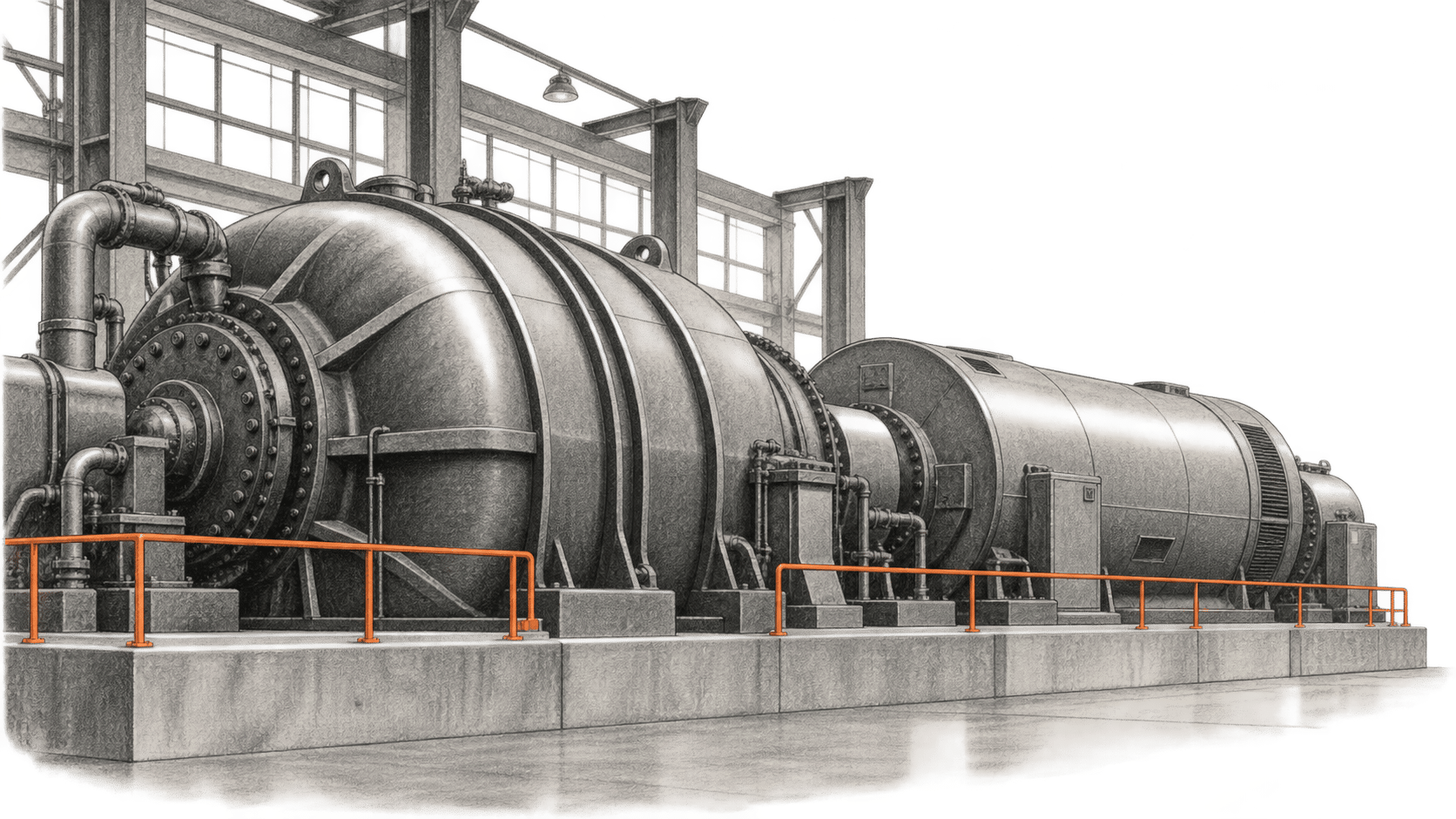
The process is called a power uprate. Google describes equipment and control-system modernization that increases output from existing reactors. Its role as an anchor customer provides revenue certainty for that work.
The Nuclear Regulatory Commission explains that uprates change a reactor's licensed power level. Utilities must seek permission to amend their operating licenses, supported by technical analyses that the regulator reviews. A commercial agreement alone does not establish that those approvals or upgrades are complete. Neither corporate announcement presents these 11 upgrades as already supplying their promised additional power.
The separate 2,700 MW supply agreement
The companies also signed a 15-year agreement for 2,700 MW of supply from Constellation's operating fleet in PJM. Reuters reported that this supply is not tied to a specific generation source and gives Constellation's plants long-term revenue certainty.
The two figures total 3,590 MW, a calculation of the contracted amounts. The new nuclear increment within that total is 890 MW. Readers evaluating Google's infrastructure commitments should keep incremental capacity, existing supply and delivery dates visible separately.
Gemini Enterprise work remains prospective
Under the five-year technology alliance, Constellation plans agentic workflows using Google Cloud and Gemini Enterprise. Its initial priorities cover project planning, generation operations and infrastructure security. The announcement includes site selection and power-flow modeling, asset monitoring and outage management, and protection of operational networks.
These are intended applications. The companies give no measured result for faster permitting, higher plant output or lower customer bills from this work. BIG CHANGE has not tested the workflows. Evaluating the AI portion will require deployed systems, a description of their human controls and results against an operating baseline.
Sources & further reading
- Constellation's October 6 agreement announcement: Primary account of the contractual terms and proposed AI work; benefits are company claims.
- Google's October 6 nuclear explanation: Buyer's account of the uprate mechanism and delivery horizon.
- NRC background on power uprates: Regulatory explanation of licensing and technical review.
- Reuters report, October 6: Independent reporting distinguishing the supply agreement from the new nuclear increment.