On October 28, Malaysian customs announced its October 15 seizure of 30 AI-chip servers at Kuala Lumpur International Airport.
The big change
- Malaysia regulates some advanced AI chips in transit as well as exports. For a freight handler, the relevant question can arise even when goods are passing through the country rather than being sold there.
- The assessment process depends on the hardware’s technical classification. A commercial description alone may not give a logistics company the information it needs to determine whether to seek a permit.
- An interception raises questions about who controlled the goods and what authorization applied. Shipment records and product classification can help establish responsibility.
What customs reported
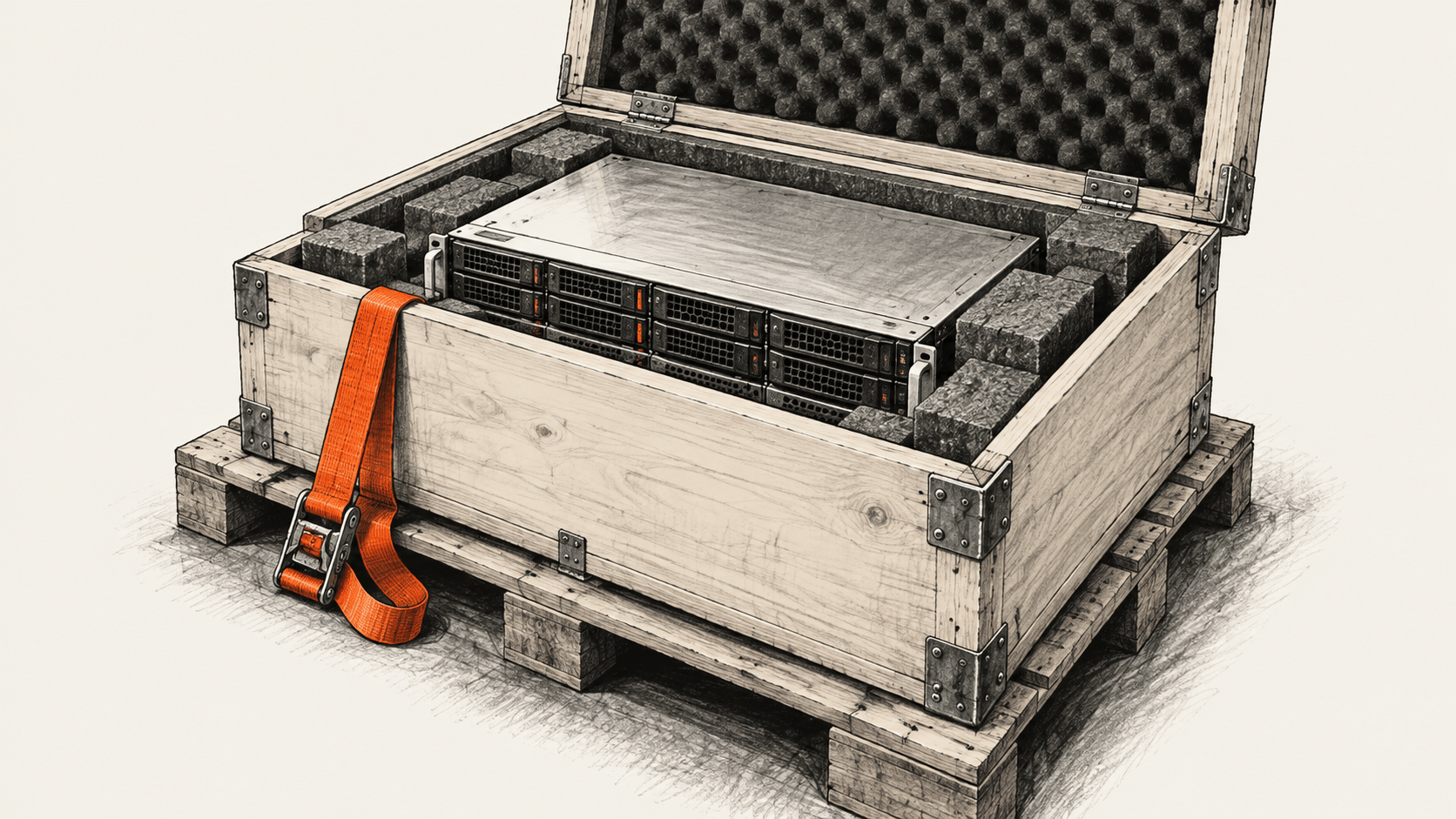
Bernama’s report quotes airport customs director Aspalila Ag Tuah saying the servers, worth nearly 49.5 million ringgit, arrived from one Asian country for re-export to another. The air waybill allegedly described them as electronic components. Customs alleged the shipment lacked authorization; no arrests had been made by October 28. Bernama does not identify a buyer or report downstream deployment. BIG CHANGE has not inspected the equipment or obtained the investigation file.
How the transit check works
Malaysia’s July 2025 ministry statement put exports, transshipment and transit of high-performance US-origin AI chips under a strategic trade-permit requirement. It cites the Strategic Trade Act’s catch-all provision, including advance notification where a restricted use is known or reasonably suspected. The chips’ undisclosed origin leaves this policy’s applicability to the shipment unknown.
MITI’s industry guideline directs companies to check manufacturer specifications against the directive’s technical categories. If the product meets the specifications, or the company cannot determine whether it does, the guideline calls for an AI Chip Assessment form at least 30 days before export, transit or transshipment. The Strategic Trade Secretariat then tells the applicant whether a permit is required.
The revised directive defines product categories using measures including processing performance and performance density, with exclusions for some items. Classification requires product information; a generic cargo description cannot settle it. Whether those rules were breached in this case remains the subject of the investigation.