# Muru’s alpha joins Python web apps and release switching
> The alpha combines Python web interfaces and manages side-by-side application versions.
By BIGCHANGE.AI Editorial
Published: 2026-11-22T19:57:38.149Z
Updated: 2026-11-22T19:57:38.149Z
Canonical: https://bigchange.ai/blog/muru-python-server-alpha
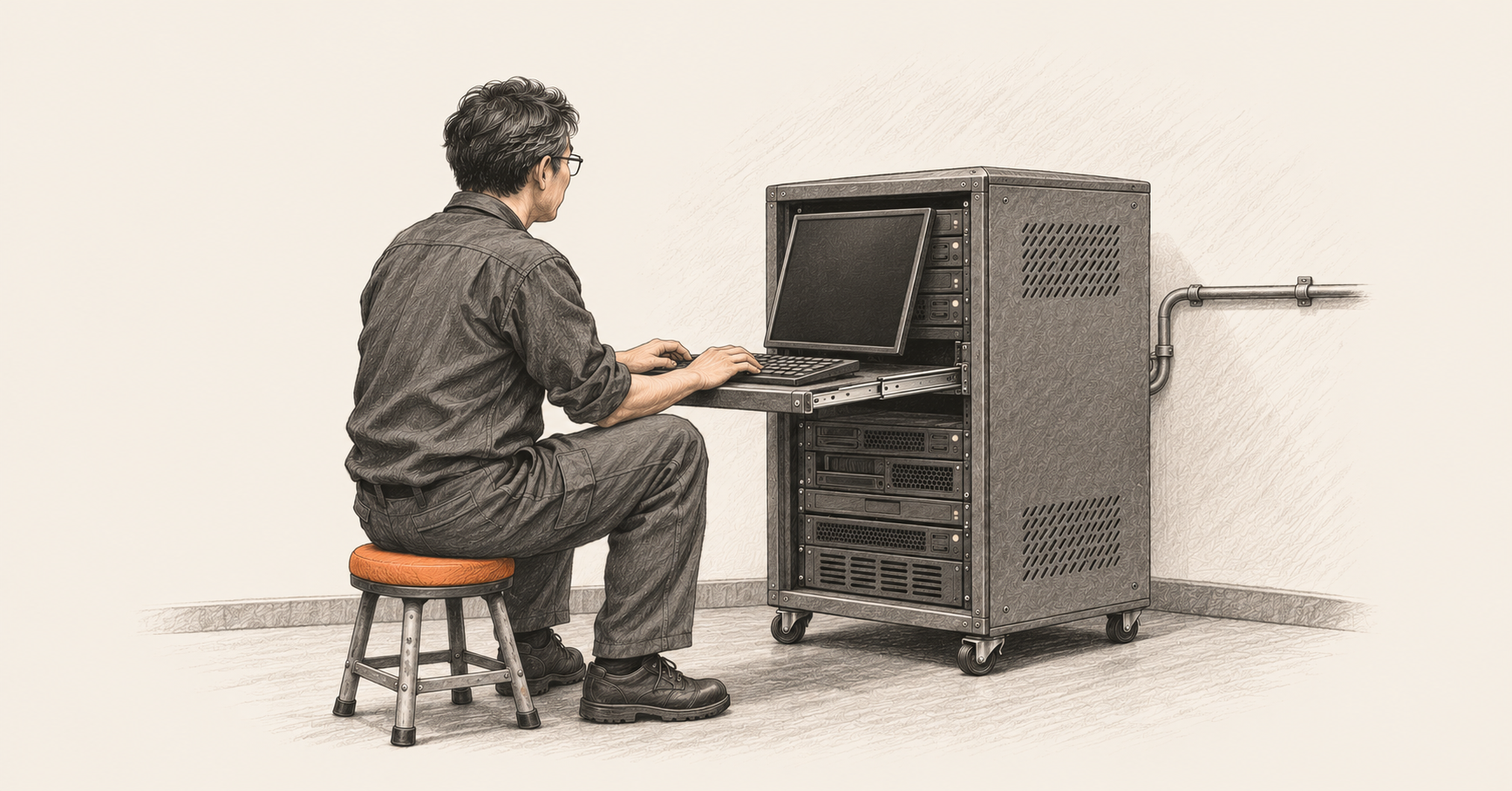
AI-generated conceptual illustration for BIG CHANGE; fictional hosting scene, not Graham Dumpleton, a Muru interface, an installation or an observed software test.
Muru, which Graham Dumpleton publicly introduced on November 4, has current 0.1.0a34 prereleases on PyPI uploaded November 21.
## The big change
- Muru hosts WSGI and ASGI code together and keeps releases side by side. Its documented traffic switch waits for a new release to become ready.
- ASGI treats a WebSocket as a continuing conversation, rather than a single page response. That explains why live features and ordinary pages can need different application interfaces.
- Dumpleton says AI wrote most code while he chose the architecture, reviewed and steered it. That account does not establish production reliability.
## The alpha’s division of work
A Rust component accepts connections and routes requests to Python worker processes; a controller manages the releases. The alpha targets Linux and macOS with CPython 3.11 or later, and configuration can change.
## Two interfaces, different jobs
WSGI, the Web Server Gateway Interface, standardizes the boundary between a Python application and its server. The server supplies information about an HTTP request; the application supplies status, headers and response bytes. PEP 3333 allows those bytes to arrive in chunks, so WSGI should not be mistaken for a rule that every page must be produced all at once.
ASGI, the Asynchronous Server Gateway Interface, works with connection information and events that applications receive or send. Its HTTP scope lasts for a request; its WebSocket scope lasts for the connection. Streaming a response and maintaining that event-driven conversation are different interface contracts.
Dumpleton’s Flask example hands a WebSocket request to ASGI in the same worker once the bridge is enabled. This example was not independently tested for this report.
## Why an open connection matters
The original WebSocket standard describes an opening handshake followed by messages over TCP. Either endpoint can send data without opening another HTTP connection for every exchange. An illustrative use is a shared status page whose viewers receive updates and can send messages back while it remains open.
For normal closure, WebSocket defines a closing handshake before closing the underlying connection. A page finishing one response and an interactive session ending therefore involve different lifetimes. The protocol alone does not specify how a web application preserves its own session or business data.
## Ready to serve is one milestone
ASGI’s lifespan specification makes startup and shutdown explicit. Where that protocol is supported, a server waits for the application’s startup-complete message before processing connections. After stopping acceptance and closing active connections, it signals shutdown and waits for cleanup to complete. A database connection pool is its example of a resource created and released during that lifecycle.
## Database state has its own lifetime
Muru describes selecting a previous release through traffic policy. That is different from undoing database changes.
PostgreSQL’s transaction documentation supplies a useful distinction. A transaction groups changes so they succeed together or have no effect; changes still inside an unfinished transaction can be cancelled. Once the database has acknowledged a completed transaction, its committed changes are meant to persist, including through a crash.
As a simple illustration, an order already recorded in a database does not cease to exist because different page code starts running. Both versions would still need to interpret the stored record. This makes compatibility with existing data a separate question from whether a process starts or a network request reaches it.
## Sources
- [Muru’s introduction](https://grahamdumpleton.me/posts/2026/11/twenty-years-of-mod-wsgi/) — November 4 origins and AI attribution.
- [Muru project](https://github.com/muruhq/muru) — Architecture and current alpha limits.
- [PyPI release record](https://pypi.org/project/muructl/0.1.0a34/) — November 21 package artifacts.
- [Mixed-app example](https://grahamdumpleton.me/posts/2026/11/muru-wsgi-and-asgi-together/) — Author’s enabled WebSocket handoff.
- [PEP 3333](https://peps.python.org/pep-3333/) — Original WSGI contract and streaming.
- [ASGI application specification](https://asgi.readthedocs.io/en/stable/specs/main.html) — Connection scopes and message events.
- [ASGI lifespan specification](https://asgi.readthedocs.io/en/stable/specs/lifespan.html) — Startup and shutdown conditions.
- [RFC 6455](https://www.rfc-editor.org/rfc/rfc6455.html) — WebSocket conversation and closure.
- [PostgreSQL transactions](https://www.postgresql.org/docs/current/tutorial-transactions.html) — Commitment versus cancellation of unfinished changes.
The BIG CHANGE newsletter
The big picture. At your pace.
Recent stories on AI and robotics, the shifts worth watching and practical ideas to use. Choose a daily briefing, weekly digest or monthly perspective.
Next scheduled send (UTC): . Your first edition arrives at the next scheduled send after you confirm.
Your privacy, your choice.
Necessary storage supports site security and remembers your choices. Optional Google Analytics stays off until you allow it. You can read every story with necessary storage only. Privacy details