OpenAI presented Daybreak Red Team and Defense Factory at an event on November 12, connecting application testing with proposed code fixes for human review.
The big change
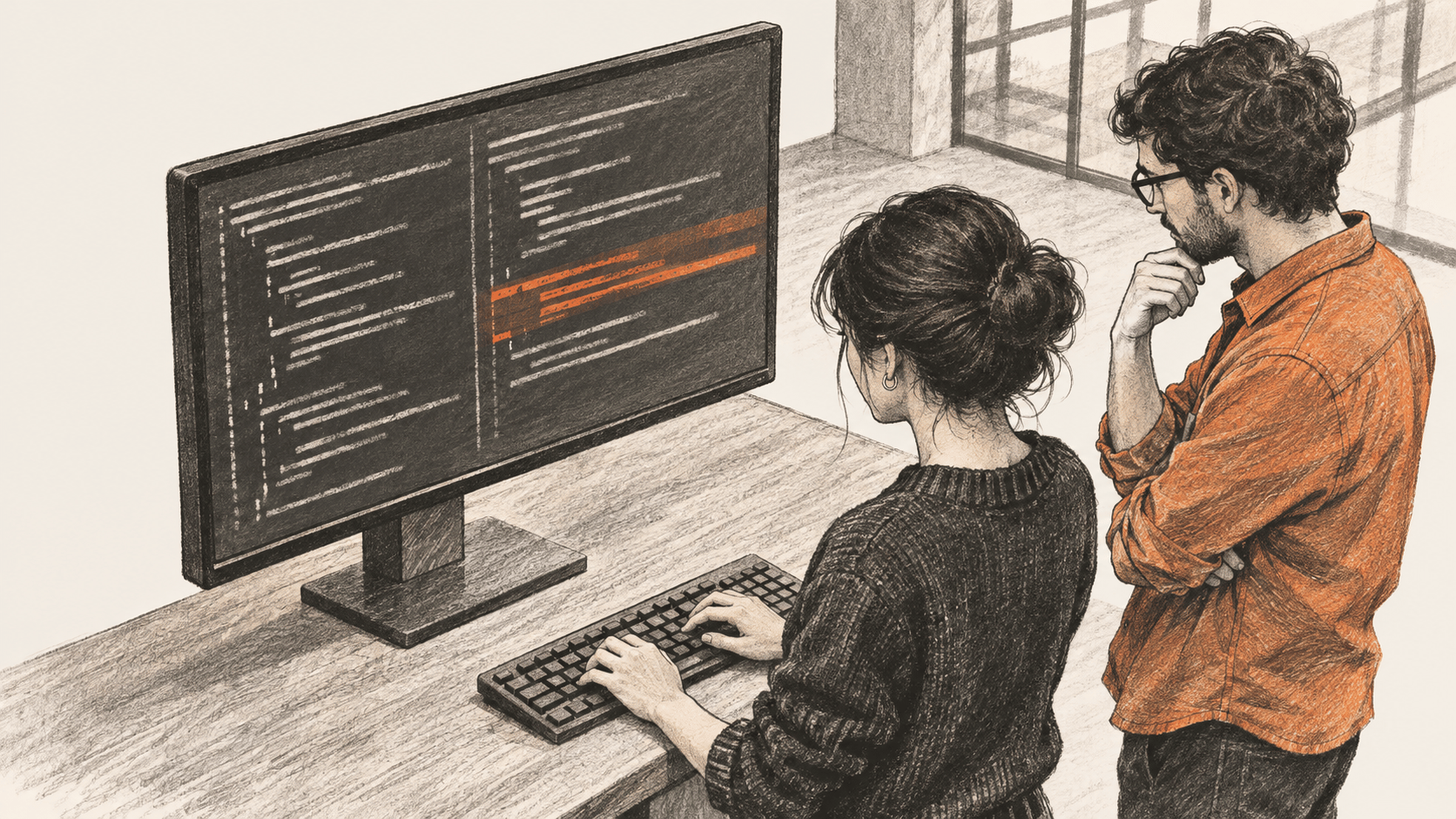
- OpenAI offers Red Team in early access to investigate web applications and validate reported weaknesses. Defense Factory prepares patches for engineers to review and test before merging.
- The setup guide makes scan coverage a practical decision: users can select a repository or particular paths. A finding from one area cannot establish that the whole application was examined.
- Defense Factory predates this presentation. OpenAI's October account of Block described an automated proposed patch in 18 minutes, with people guiding the work and deploying changes; that is not a general performance guarantee.
From a report to a reviewed patch
The product pages describe using source code and application context to investigate scanner findings or disclosures, then retesting patches. Defense Factory lets engineers inspect evidence and refine changes through Codex. OpenAI describes isolated environments and Guardian review as controls, not independently proven containment. The reviewed pages give no standard price or general availability date.
The setup guide describes a preview plugin for workspaces with Daybreak access. Cloud scans require each starter's personal GitHub connection, rather than a workspace connection. Teams can scan selected paths, monitor new commits or schedule checks. If a scan stops early, the guide advises checking coverage before interpreting its findings.
These choices affect what a reviewer can conclude. Examining a selected folder answers a narrower question than examining the repository; incomplete coverage can leave relevant code unexamined. The guide also distinguishes local storage from processing: local findings stay on the device, but relevant code and prompts can reach the configured model provider. Running a scan locally therefore does not mean all information remains local.
What the earlier customer account establishes
OpenAI's October 14 Block account already named Defense Factory. It described a security workflow in which models analyze issues, people intervene when judgment is required, and agents check results. The company reported 18 minutes from a high-level vulnerability to an automated proposed patch in recent red-team exercises. It did not give a sample size for that timing.
The endpoint matters: a proposed patch is a candidate code change, not a deployed repair. Block's security lead described humans guiding the system and deploying changes. This earlier customer story supplies an example of the workflow, but does not independently establish reliability or a typical completion time across customers.
Reviewers must assess side effects. Retesting one exploit cannot show that an application has no remaining vulnerabilities. Testing also needs permission and a defined scope; an available tool does not authorize access to somebody else's system.