# Physical Intelligence’s Pi API beta offers managed training for robot teams
> Physical Intelligence’s Pi API beta lets selected robot teams upload task data, fine-tune a model on managed infrastructure and use hosted inference. Teams still need their own robots, demonstrations and repeated evaluation.
By BIG CHANGE Editorial
Published: 2026-10-14T20:06:16.947Z
Updated: 2026-10-14T20:06:16.947Z
Canonical: https://bigchange.ai/blog/physical-intelligence-pi-api-beta-robot-training
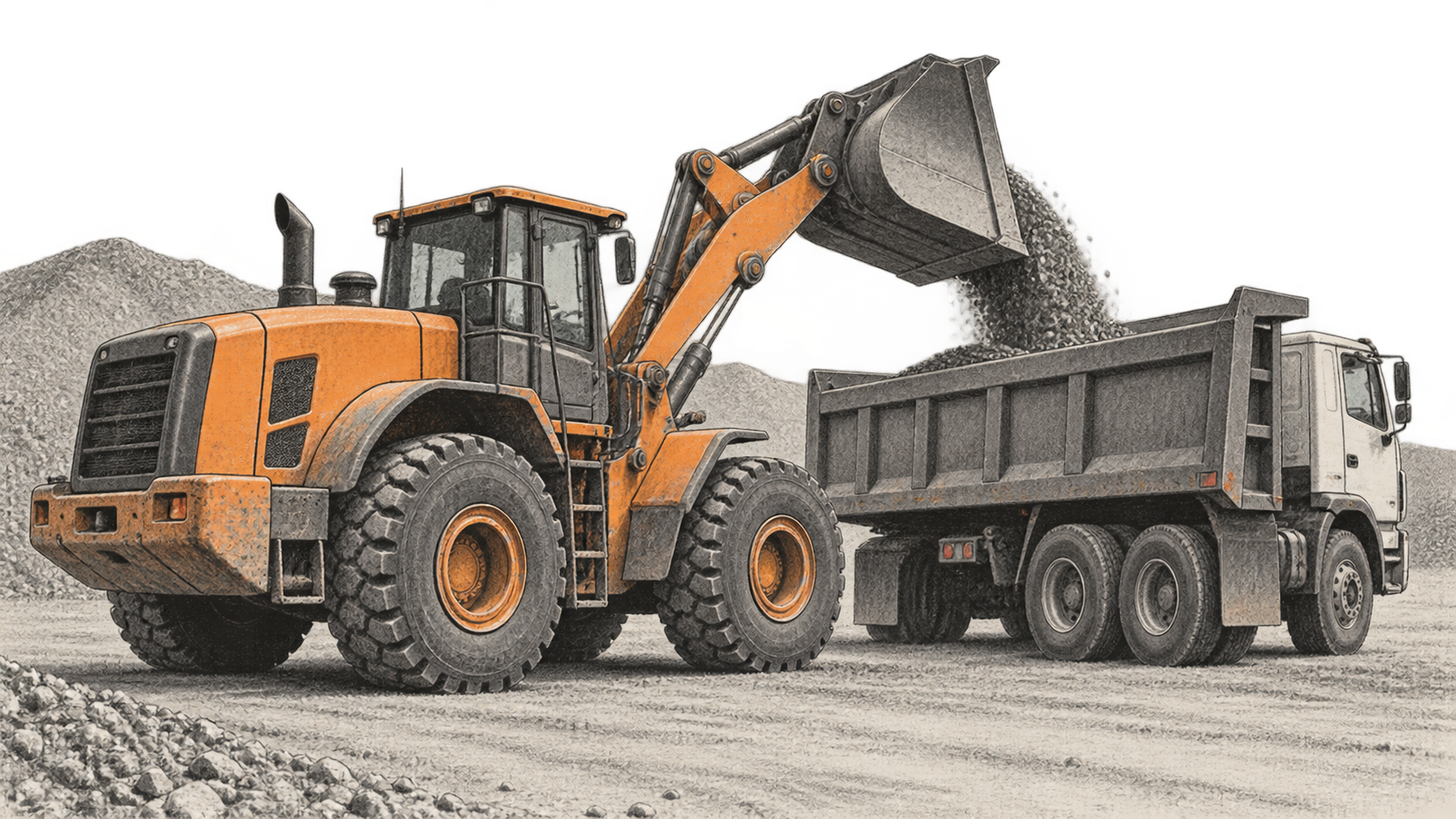
AI-generated conceptual illustration by BIG CHANGE; no actual Physical Intelligence or partner equipment, deployment or API result is depicted.
Physical Intelligence is opening a beta service for teams that want to adapt its robot models to their own machines and tasks. The [Pi API announcement](https://www.pi.website/blog/api-beta), published October 13, says a team can upload robot data, fine-tune a model on infrastructure Pi manages, and call the resulting model through hosted inference. Access begins with an application, and Pi says it is onboarding in batches.
That changes where some model engineering happens. A robot developer still needs a suitable machine, a task worth automating, demonstrations of that task, and a way to test the model on the machine. Pi proposes to run the training and model-serving layer that connects those pieces.
## The big change
- **What changed:** Pi is offering hosted adaptation of its robot models to selected teams. Its public [openpi repository](https://github.com/Physical-Intelligence/openpi) already supplies older model checkpoints and examples for teams prepared to run their own training stack; the beta adds a managed route for fine-tuning and inference.
- **Why it matters:** Moving training infrastructure to Pi could let a robot team spend more effort collecting useful demonstrations and evaluating behavior on its own equipment. The service does not supply the robot, define a successful task, or establish safe operation for the customer.
- **What to watch:** The beta’s value will depend on repeatable task results and workable integration terms. Pi has described partner examples, while the public launch material leaves the model version, supported hardware, pricing, API contract and safety terms unspecified.
## The work that moves to Pi
Pi describes a sequence: upload data, launch fine-tuning on its managed compute, then use a hosted gateway for inference. In its [workflow description](https://www.pi.website/blog/api-beta), evaluation data guides the next iteration. A developer collects demonstrations, trains, tests on a robot and studies failures to decide what data to collect next. The API is intended to let the developer run that loop independently while Pi operates the model infrastructure.
The company's [openpi codebase](https://github.com/Physical-Intelligence/openpi) shows the earlier do-it-yourself path. It includes π₀, π₀-FAST and π₀.₅ checkpoints, plus examples for converting a dataset, configuring fine-tuning and serving a policy. Its stated GPU requirements and data-preparation steps make clear why managed training might appeal to a team with robotics expertise but limited machine-learning infrastructure. Pi has not identified the beta model by version in the announcement, so the open-source models should not be mistaken for the specific model served by the API.
Pi says its latest API model has improved capability and more data-efficient fine-tuning for partners. The launch post does not publish a comparative dataset, benchmark protocol or task success rates to quantify that claim. It does say that most featured applications used cloud-hosted inference and that some encountered network connectivity challenges. That detail matters for a moving machine whose control loop depends on a remote service, though the post does not specify latency or reliability requirements.
## What a team must bring
The [beta application](https://www.pi.website/waitlist) asks who on the team would train the policy, what they have done with robot data and policy evaluation, what precise task they want to accomplish, and how much teleoperation or simulation data they have. It also asks for the number and type of robots, a preferred inference location, and task success criteria. These are application questions, not published eligibility thresholds or guarantees that local inference is available. The form offers cloud, local, both and uncertain as choices; the launch describes hosted inference.
Those questions point to the part the service cannot automate for a customer: deciding what correct behavior means on a particular robot and measuring it on that robot. Pi describes early partners cycling through demonstrations, tests and failures. Its examples include [Almond's Axol](https://www.pi.website/blog/api-beta), a dual-arm robot shown deburring spacers used in its assembly after four days of API iteration. Pi also describes an Actor wheel loader scooping and loading material during a commercial deployment. These are Pi-selected accounts and clips, not independent measures of general reliability, safety or performance across hardware.
The current public route is to [apply for beta access](https://www.pi.website/waitlist). Pi has not published an open API contract, request and response schema, named beta model, hardware compatibility matrix, pricing, data-handling terms or safety agreement in the materials reviewed here. A team evaluating the service would need those terms and its own repeated robot tests before it could judge whether hosted inference fits a real operation.
## Related coverage
BIG CHANGE previously examined [Runway's video-trained robot policy](https://bigchange.ai/blog/runway-praxis-1-video-pretraining-robot-control) and [Japan's humanoid data factory](https://bigchange.ai/blog/japan-physical-ai-humanoid-data-factory-model-grant). They address related model and data work. Pi's October 13 announcement is a separate service-access event.
## Sources & further reading
- [Physical Intelligence, “Frontier Models for Every Robot: Announcing our API beta”](https://www.pi.website/blog/api-beta) (October 13, 2026). The developer's account of the upload, fine-tuning, hosted inference and evaluation loop, with selected partner demonstrations. Its performance and deployment descriptions are company claims.
- [Physical Intelligence, API beta application](https://www.pi.website/waitlist) (checked October 14, 2026). Documents batch-based onboarding and the information applicants are asked to provide. Form choices do not establish an available local inference product.
- [Physical Intelligence, openpi repository](https://github.com/Physical-Intelligence/openpi) (checked October 14, 2026). Documents publicly released model checkpoints and self-managed fine-tuning examples. It does not document the new beta's contract or identify its served model.
## Sources
- [Physical Intelligence: Frontier Models for Every Robot](https://www.pi.website/blog/api-beta) — Company's account of beta workflow, selected partner examples and initial deployment experience; claims are attributed.
- [Physical Intelligence: API access application](https://www.pi.website/waitlist) — Batch onboarding and applicant questions; form choices are not service guarantees.
- [Physical Intelligence: openpi](https://github.com/Physical-Intelligence/openpi) — Earlier open models and self-managed fine-tuning/serving path; does not specify the beta model or contract.
The BIG CHANGE newsletter
The big picture. At your pace.
Recent stories on AI and robotics, the shifts worth watching and practical ideas to use. Choose a daily briefing, weekly digest or monthly perspective.
Next scheduled send (UTC): . Your first edition arrives at the next scheduled send after you confirm.
Your privacy, your choice.
Necessary storage supports site security and remembers your choices. Optional Google Analytics stays off until you allow it. You can read every story with necessary storage only. Privacy details