# How Ropes & Gray is developing AI for legal diligence
> OpenAI describes a diligence tool and lawyer review.
By BIGCHANGE.AI Editorial
Published: 2026-10-30T07:42:38.271Z
Updated: 2026-10-30T07:42:38.271Z
Canonical: https://bigchange.ai/blog/ropes-gray-openai-legal-diligence-workflow
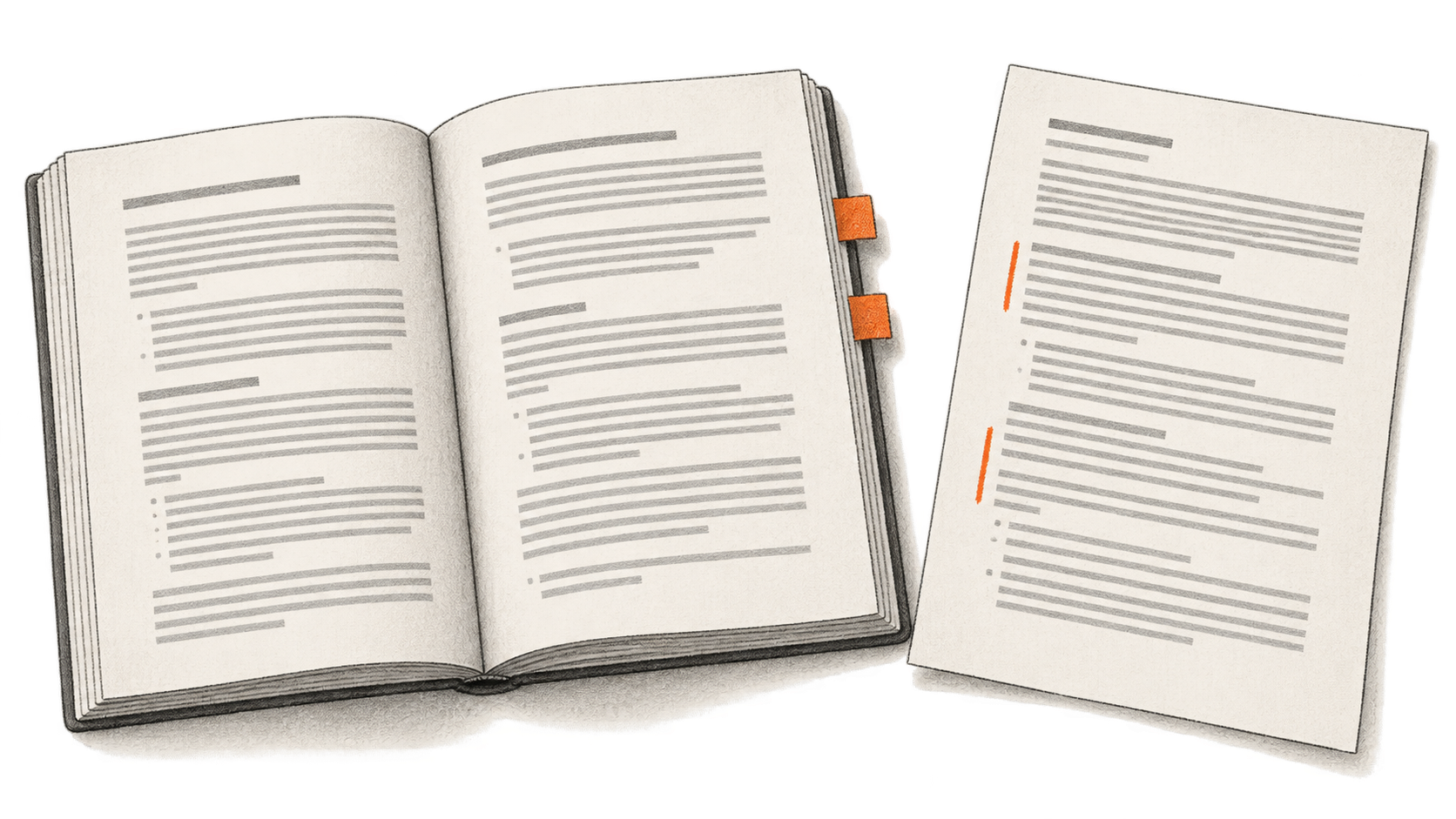
AI-generated conceptual illustration by BIG CHANGE; no actual Word interface, Copilot output or validated legal result is depicted.
Ropes & Gray is developing an AI tool with OpenAI for transactional diligence. An October 29 [case study](https://openai.com/index/ropes-gray-ai-diligence/) describes its workflow and lawyer review.
## The big change
- Grouping related documents gives lawyers a structure to inspect.
- Comparisons with completed reports informed revisions; no quantitative performance results are reported.
- US ethics guidance ties verification to the tool and task.
## From data room to lawyer review
OpenAI says initial development focuses on material commercial contracts. The tool inventories a data room, groups documents by theme and issue, and produces summaries and a report in the firm’s format. Lawyers can check groupings and summaries against source documents before delivery. Grouping related material helps reviewers consider a relationship across documents rather than relying on an isolated extract.
The firm’s [September announcement](https://www.ropesgray.com/en/news-and-events/news/2026/09/ropes-gray-is-developing-ai-powered-diligence-tool-with-openai-comprehensive-deal-intelligence) set an hours-rather-than-weeks ambition. OpenAI says lawyers compared drafts with completed reports and refined the rubric; it reports no quantitative results.
A draft organizes information for review, but lawyers must assess the work and exercise judgment. BIG CHANGE did not test the tool or independently verify its outputs.
## Professional duties
The American Bar Association’s [Formal Opinion 512](https://www.americanbar.org/content/dam/aba/administrative/professional_responsibility/ethics-opinions/aba-formal-opinion-512.pdf) discusses competence, confidentiality and supervision when lawyers use generative AI. It says independent verification depends on the tool and task. For example, the opinion says a lawyer might test summaries against a manually reviewed subset rather than read every contract, if that prior test gives a reasonable basis for reliance. The appropriate review depends on the circumstances. The opinion interprets US Model Rules; it does not establish compliance for this tool, and applicable rules vary by jurisdiction.
## Sources
- [OpenAI case study](https://openai.com/index/ropes-gray-ai-diligence/) — Workflow and test comparisons.
- [Ropes & Gray announcement](https://www.ropesgray.com/en/news-and-events/news/2026/09/ropes-gray-is-developing-ai-powered-diligence-tool-with-openai-comprehensive-deal-intelligence) — Partnership and speed ambition.
- [ABA Formal Opinion 512](https://www.americanbar.org/content/dam/aba/administrative/professional_responsibility/ethics-opinions/aba-formal-opinion-512.pdf) — US Model Rules advisory context, not tool-specific compliance.
The BIG CHANGE newsletter
The big picture. At your pace.
Recent stories on AI and robotics, the shifts worth watching and practical ideas to use. Choose a daily briefing, weekly digest or monthly perspective.
Next scheduled send (UTC): . Your first edition arrives at the next scheduled send after you confirm.
Your privacy, your choice.
Necessary storage supports site security and remembers your choices. Optional Google Analytics stays off until you allow it. You can read every story with necessary storage only. Privacy details