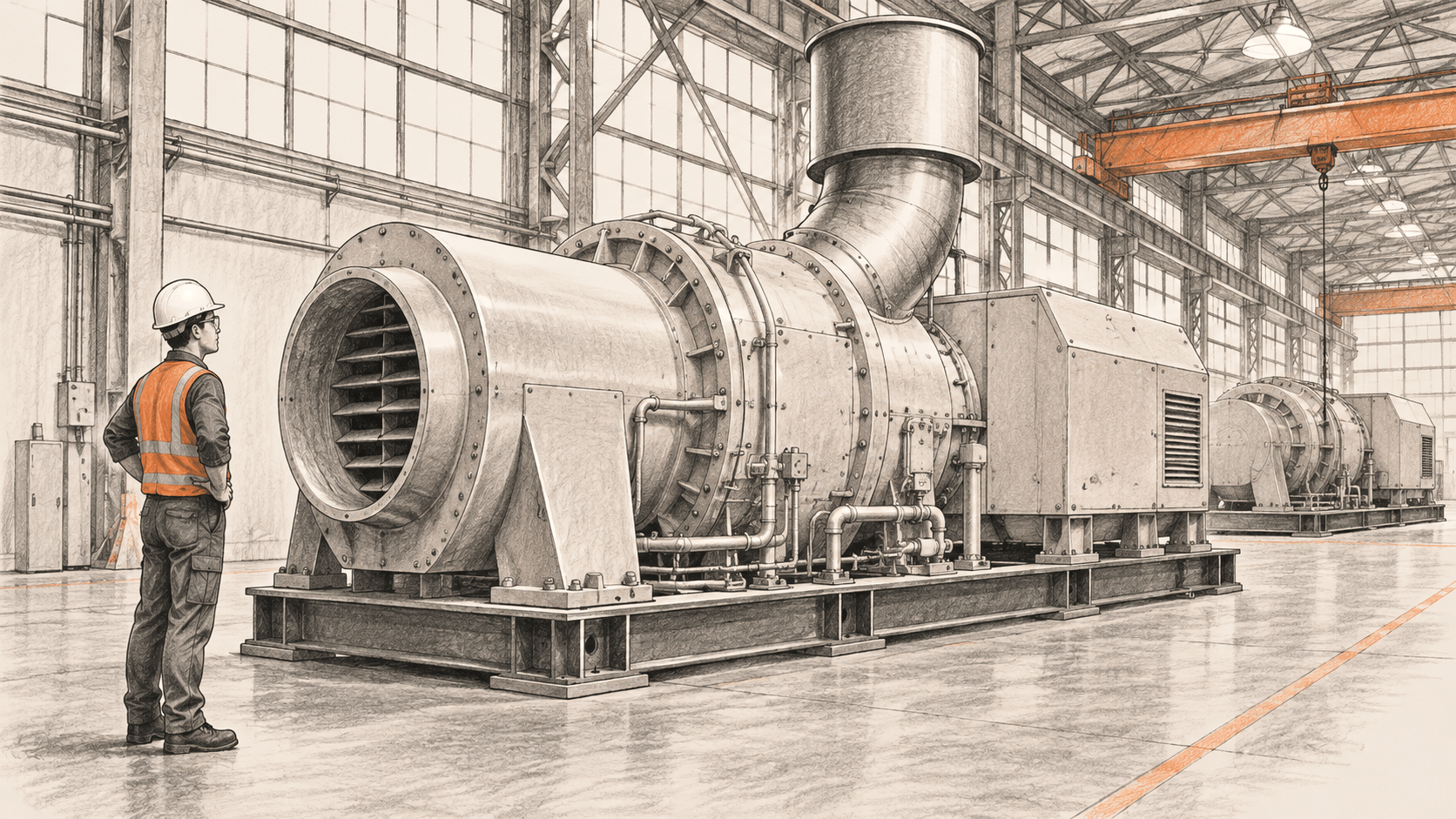
SoftBank Group reported a ¥597.248 billion power-equipment loss for April–September after subsidiary Silver Bands 7 revised procurement.
The big change
- What changed: Procurement plans shifted.
- Why it matters: Advance payments can become losses.
- What to watch: Conditional rebates.
Procurement
The loss comprises ¥457.030 billion in non-refundable advances and ¥140.218 billion in contract changes and settlements. The equipment covered US AI projects including Ohio’s PORTS-Pike; this does not establish that the campus was cancelled.
The charge illustrates the risk of reserving manufacturing capacity and making commitments before the ultimate equipment needs of a large project are fixed.
Conditional rebates
Conditional rebates of up to $2.1 billion apply to equipment purchases over 10 years; none was recognised as an asset at September 30. That is potential purchasing relief, not cash already recovered.
Project context
A separately filed SB Energy registration statement provides context for the scale of the planned campus: it describes 17 leases with an OpenAI affiliate covering approximately 8 gigawatts of IT capacity, with 20-year initial terms starting on the applicable commencement dates. Those are lease commitments and planned capacity, not evidence that the campus operates at that IT capacity today.
The filing also identifies timely procurement of turbines, transformers and other equipment as a project risk. For investors and customers, construction, power supply and financing must align over years.
Reporting periods
The Associated Press reported a roughly ¥1.1 trillion net loss for the three months through September, compared with ¥2.5 trillion in profit a year earlier. The six-month loss attributable to owners was ¥768.007 billion.
SoftBank's first-quarter result was a ¥347.3 billion profit, AP reported in August. An earlier quarterly profit partly offsets the later loss; the periods and equipment charge are distinct.