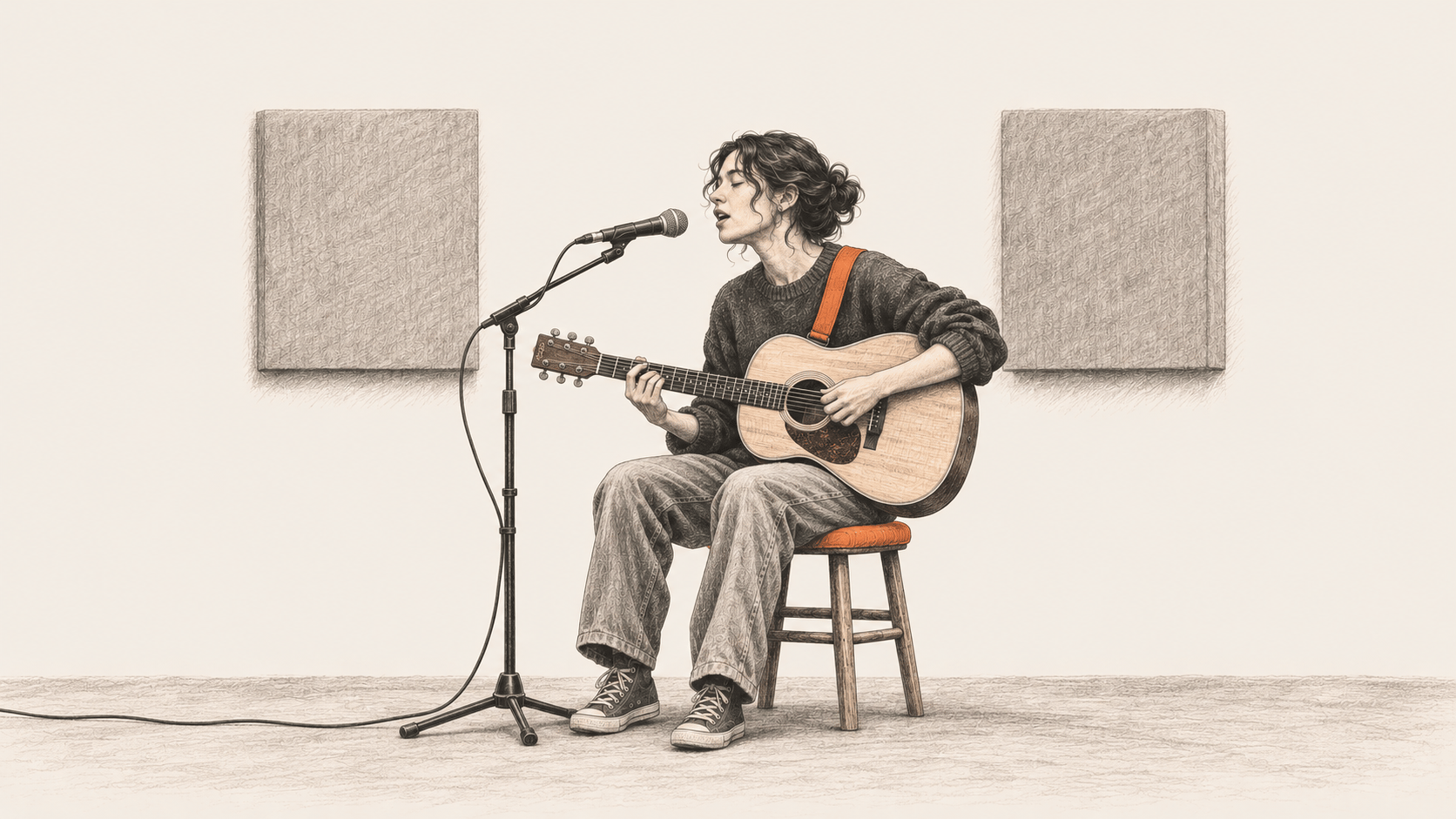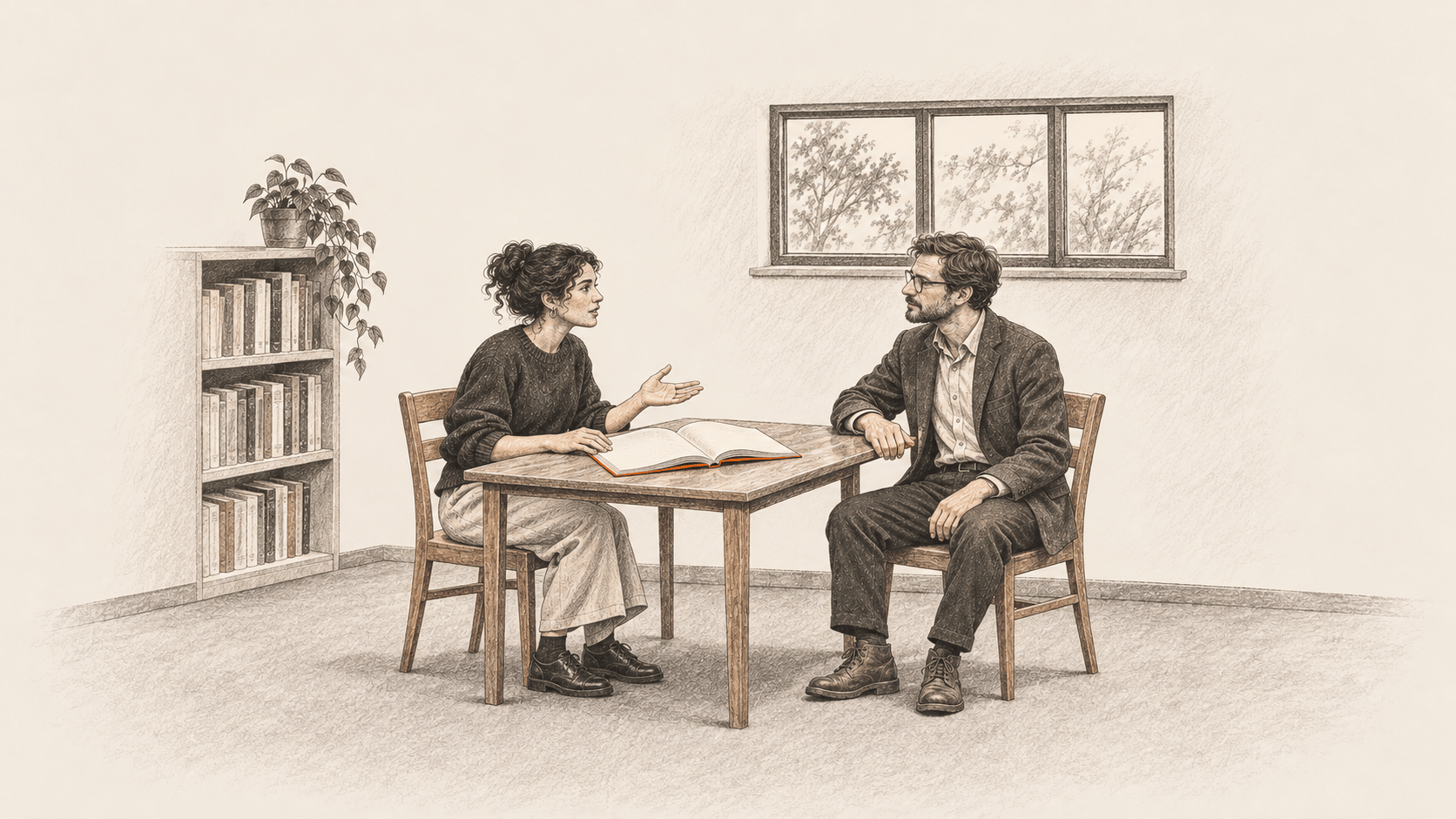
On November 25, the Guardian reported that the University of Sydney requires honours oral assessments, with formats varying by faculty.
The big change
- Sydney’s teaching guide treats conversation as another way to assess understanding when AI can help polish a thesis. Students explain their research choices and respond to questions.
- In law honours, a ten-minute oral carries no marks but must be passed. A strong written thesis therefore cannot substitute for meeting that separate condition.
- Sydney’s disability service provides individual assessment adjustments while preserving course requirements. The existence of a support route does not establish what accommodation any particular student receives.
What the conversation is meant to reveal
The university’s public guide, published in May, asks assessors to look beyond the finished document. An interactive oral allows a follow-up question to develop an answer, rather than treating the first response as final.
An illustrative exchange might ask why a student chose a method and how an alternative would change the interpretation. That checks the reasoning behind the work, not simply whether the student can recite its sentences.
The guide recommends shared marking criteria and discussion among assessors about standards. It warns that fluency or confidence can displace intellectual substance, disadvantaging students from different linguistic and educational backgrounds. It is assessment-design guidance, not an AI-detection accuracy study. Its link to the governing honours requirements goes to the staff intranet.
What the law handbook actually requires
The 2026 Bachelor of Laws handbook specifies a ten-minute oral for LAWS3900, its honours research unit, from 2026. The 2027 edition retains that requirement. Both describe a 12,000-word thesis and an oral focused on the student’s contribution, understanding and academic processes.
The oral is a zero-weighted hurdle: passing it adds no percentage to the mark, but passing remains necessary for honours. The handbook says students who otherwise satisfy the degree requirements but do not meet the honours requirements receive a pass degree. This makes the conversation consequential even without a numerical weighting.
That is a documented course example, not a ten-minute template for every faculty.
Two different kinds of evidence
Sydney’s current assessment information separates supervised, in-person tasks from open, unsupervised work. It places live oral tests and questions following a submission among secure assessments; honours dissertations appear among open assessments. The distinction concerns the conditions under which learning is demonstrated.
An open task can involve responsible use of AI and other resources while developing a piece of work. A supervised task gives staff a separate opportunity to verify particular learning outcomes. The university says individual units usually mix the two, although a unit may contain only one type.
For students, the unit outline remains important: it specifies tasks, weightings, timing and their relationship to learning outcomes. Knowing an assessment’s name is not enough to know how it affects progression.
Access belongs in the assessment design
Sydney’s Inclusion and Disability Services says support can cover disabilities, ongoing medical conditions, temporary injuries and caring responsibilities. Its personalised academic plan communicates eligible adjustments to staff, who implement them. Possible support includes assessment or examination adjustments, alternative formats and assistive technology.
Eligibility depends on individual needs, supporting recommendations and consultation. The service says adjustments must preserve academic integrity and the course’s inherent requirements. These are arrangements for access, not an automatic waiver of what the course assesses. The public service description does not show how a specific honours oral was adjusted or whether that arrangement worked for the student.
Research degrees have their own examination process
The university’s separate Higher Degree by Research information covers research master’s and PhD theses. It describes oral, thesis-only and exhibition modes, requested subject to faculty or school and lead-supervisor approval.
In the oral route, two external examiners first review the thesis, then discuss it privately with the candidate and an examination chair. The thesis-only route instead uses written reports. Those are specific research-degree procedures, rather than a description of the law honours task.