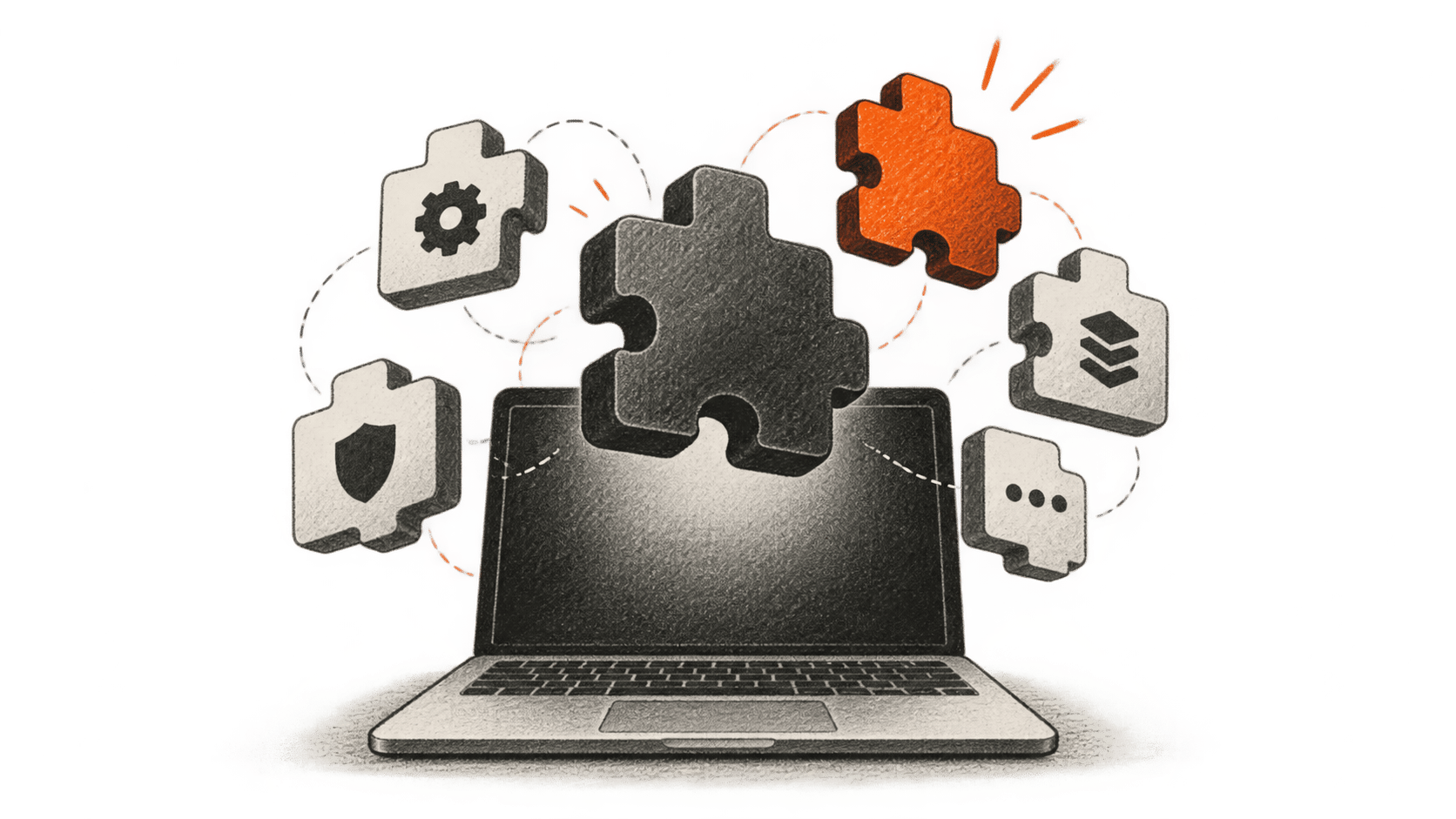
On November 20, 2026, TikTok’s UK Newsroom announced a public AI-content checker and the start of a global, opt-in Likeness Detection rollout for eligible creators.
The big change
- The public checker looks for TikTok’s Content Credentials and VeraDura watermark. It offers information about supported tools’ involvement, rather than a verdict on every image or video online.
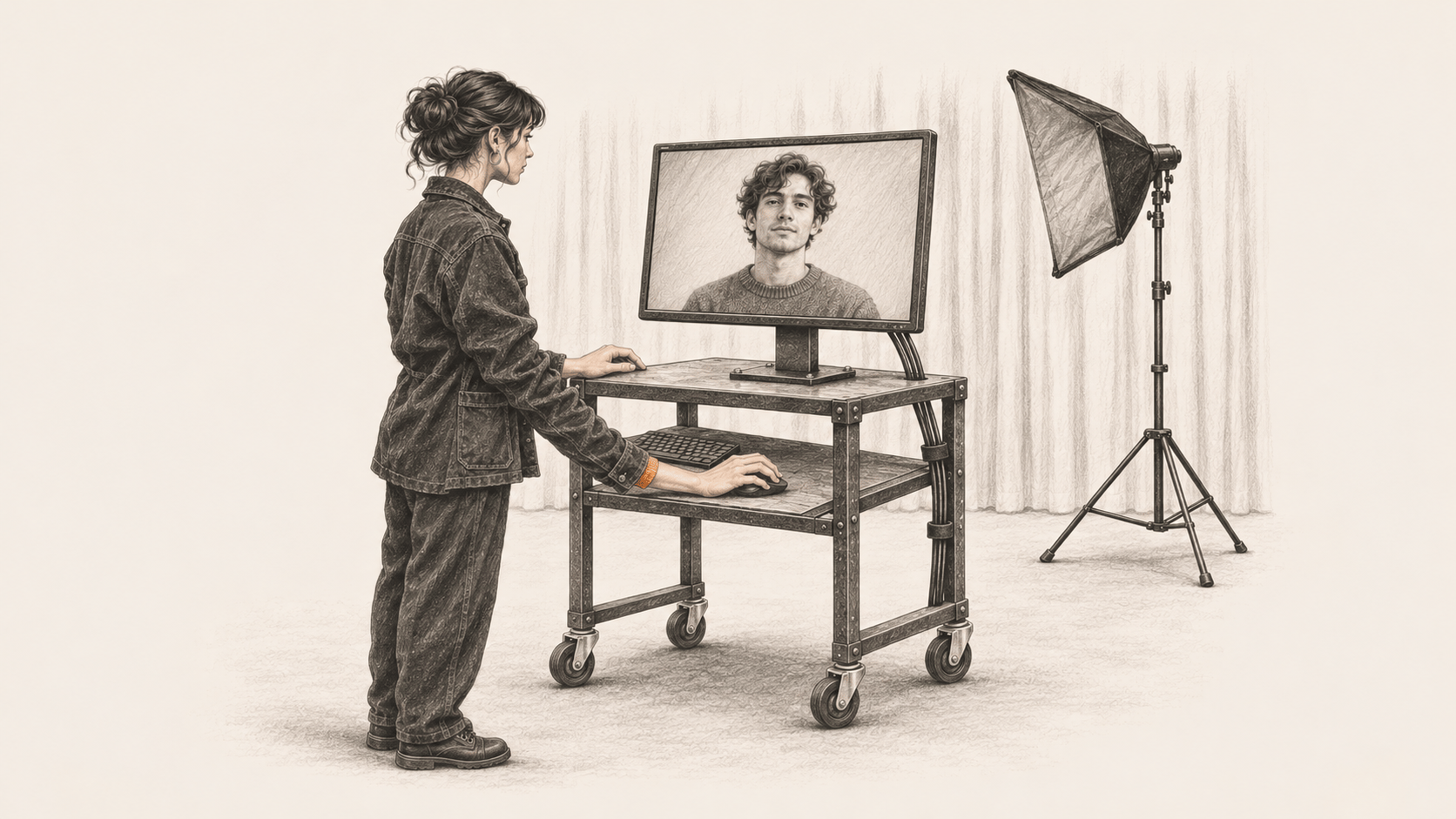
- Likeness Detection gives enrolled creators possible matches to review and report. TikTok’s safety teams decide whether reported content violates its rules; an alert is not an automatic removal.
- A file’s recorded history and the truth of what it depicts are different questions. Missing credentials do not prove authenticity, and a valid credential does not settle whether a particular use was consensual.
What the new tools actually expose
TikTok says the checker works without an account. Its page lists CapCut, Dreamina, Pippit and Hypic and accepts images, video and audio. We inspected the public page without uploading a file.
Likeness enrolment requires ID verification through a third party. TikTok says it does not keep ID documents. It names eligible creators and public figures, including government and political accounts; a global rollout does not mean every account has access.
VeraDura is TikTok’s invisible watermark; the company claims greater durability. We have not tested that claim.
A record of origin is useful within its limits
Content Credentials are records of provenance: information about a file’s origin and editing history. C2PA’s explainer describes signed statements bound to an asset so a reader can check their integrity and the trust placed in the signer.
C2PA expressly distinguishes validation from a judgment that the recorded assertions are true. It also describes credentials as transparency information, rather than digital rights management that restricts use. A signature does not become permission simply because it validates.
Imagine receiving an interview clip whose credential passes validation. That record identifies the operations its signer reported. If the record says nothing about permission for an advertisement, it cannot by itself establish that the interviewee approved that use. This is an illustrative distinction, not a finding about an actual video.
An absent signal leaves a question open
NIST’s November 2024 synthetic-content report distinguishes reading recorded provenance from examining content for traces of generation or manipulation. A watermark reader seeks a deliberately added signal. A content-based detector instead tries to infer something from the material itself; these approaches answer different technical questions.
NIST notes watermarks can be missed or falsely detected, and that a file can be partly synthetic. For a viewer, “no supported signal found” is therefore a limited observation, not proof that a person recorded everything shown or said. Likewise, detecting AI involvement does not tell the viewer how substantial the change was.
NIST says evaluation should reflect intended content and compression conditions. A useful accuracy claim needs those conditions and the costs of false alarms and misses. This is independent technical context, not a test of TikTok’s checker.
Why a creator still has to review a match
YouTube’s separate likeness-detection documentation offers a concrete example of the review problem. Its tool can surface genuine footage of an enrolled creator, including clips reposted by other channels. The platform says such footage is not removable through that privacy route merely because it contains the creator’s real face.
YouTube lets a creator request a privacy review, consider a separate copyright process, or archive a match while leaving the video online. Its reviewers also consider parody and satire. These are YouTube’s rules, but they demonstrate why resemblance alone cannot determine the outcome of a complaint.
YouTube also describes templates made from a verification video and uploaded content. Its documentation separates identity verification, ongoing matching and complaint review. These are distinct reasons for processing a creator’s data, which deserve separate attention when assessing enrolment.