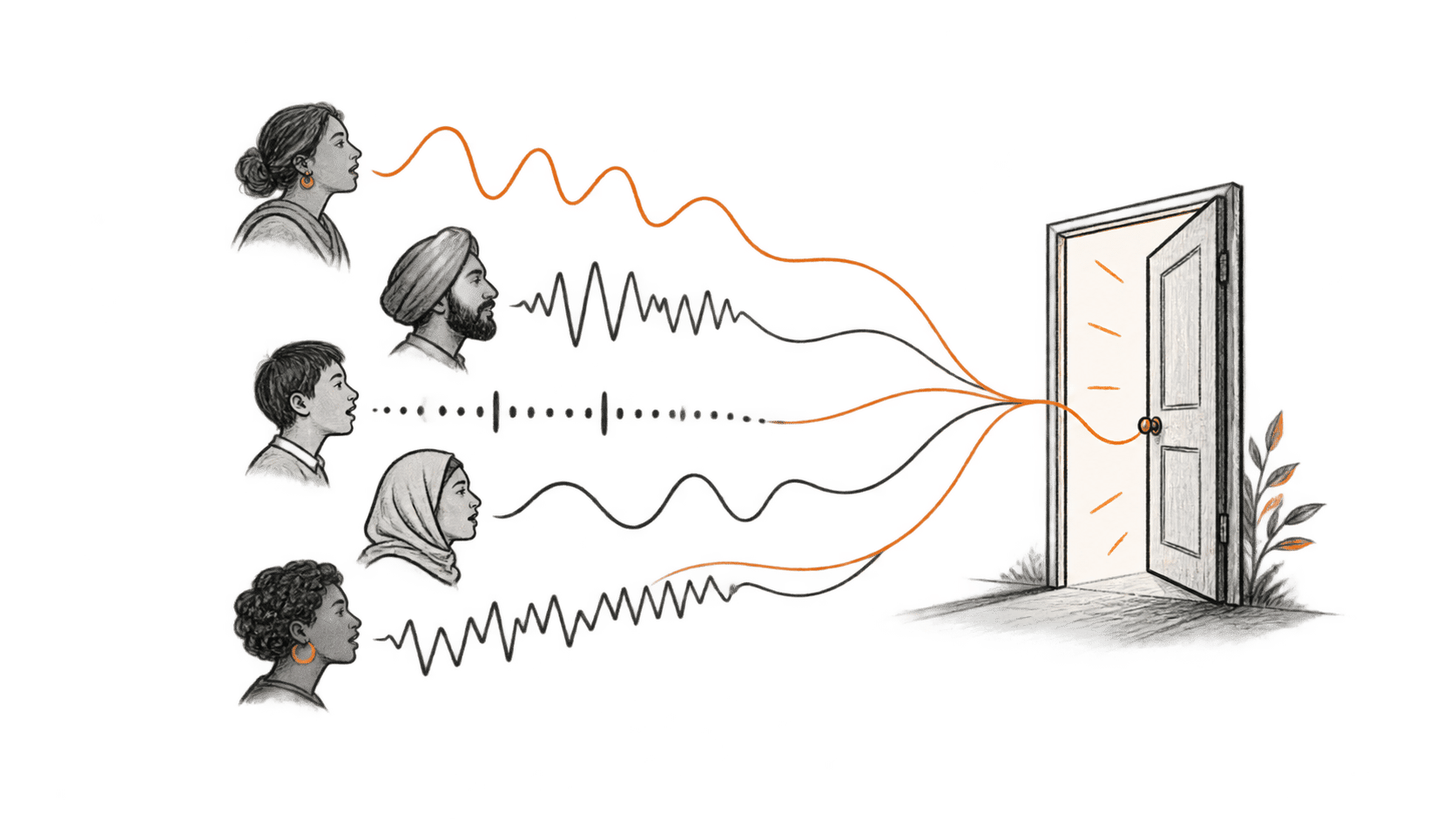
A coalition of 60 organizations announced on September 21 that it wants people speaking languages poorly served by today's AI systems to be able to use those tools in their own language and voice. The Gates Foundation puts that population at an estimated 3.4 billion and gives the effort a five-year horizon. Google, Anthropic and the OpenAI Foundation are among the signatories, alongside local research and community organizations. Coalition announcement.
The immediate change is an agreement to coordinate work on language access. The number describes the ambition, not people already reached. That distinction will matter when the first progress reports arrive: a translated interface and a service that understands a person's actual question are different achievements.
What the coalition will have to build
The signatories propose shared language data, assessments of progress, and models and applications that other builders can use. Privacy, consent and community control over data are part of the stated approach. The announcement leaves the coalition's detailed governance and workstreams to be developed over the coming year. The stated commitments.
Independent reporting supplies an unusually direct admission about the starting point. Anthropic's Elizabeth Kelly told the Associated Press that its products perform poorly in many African languages. AP also reports that a secretariat will track participants' commitments. These are useful things to watch as the coalition moves from signatures to delivery. AP's reporting.
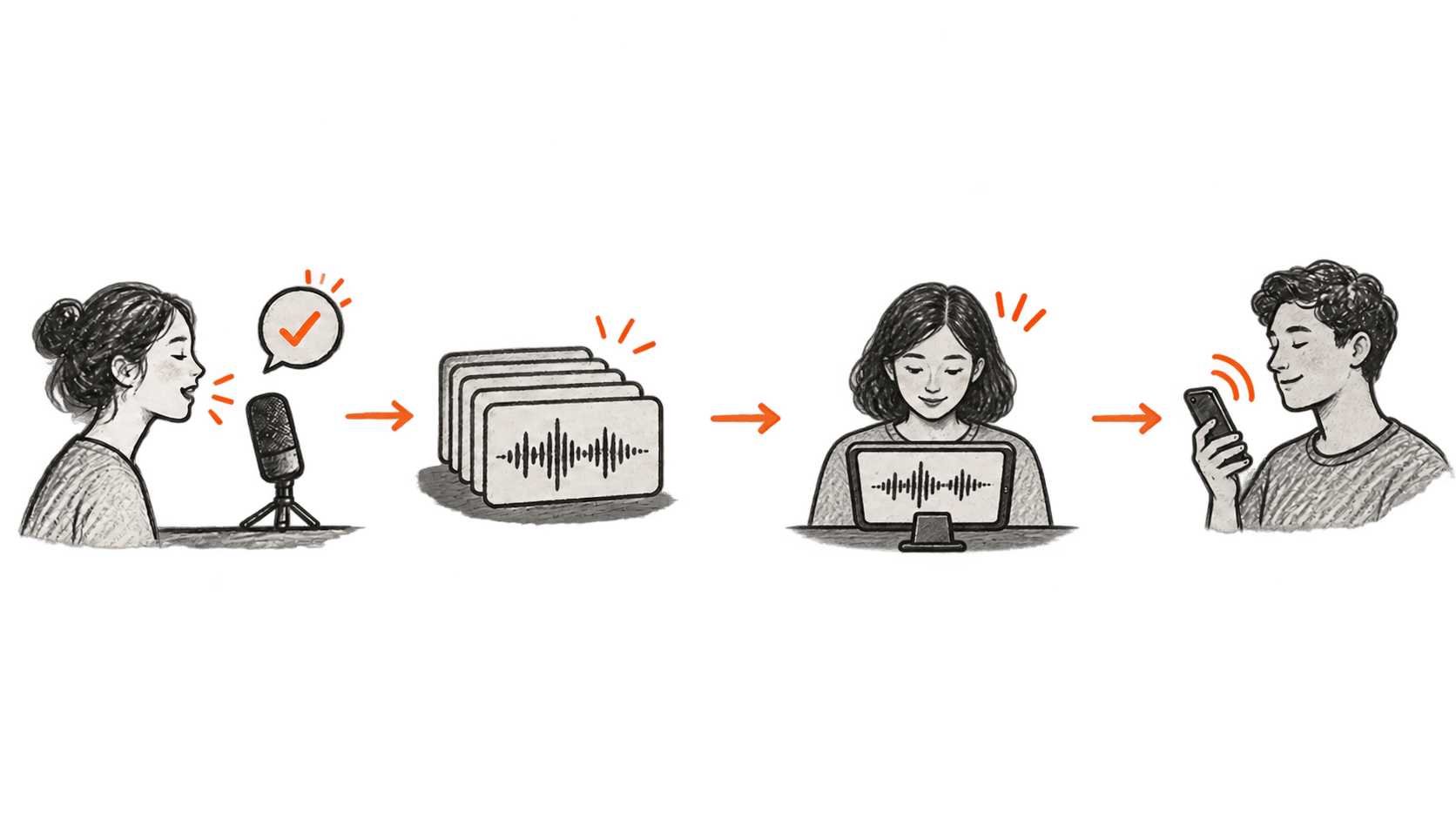
Our assessment is that the practical test should be a completed task. Can someone ask a question in their ordinary speech, understand the reply and correct a misunderstanding? An impressive score on written translation would leave part of that test unanswered. A useful public report would separate recognition of speech from the accuracy and usefulness of the eventual answer.
The work already happening outside the model labs
Project Vaani shows what collecting relevant data involves. Run by the Indian Institute of Science and ARTPARK with Google funding, it aims to collect more than 150,000 hours of speech across India's districts. Its public dashboard currently lists about 31,278 hours and 105 languages. The planned total and the recorded total should not be confused. Project Vaani.
The project says its collection is intended to reflect differences including age, gender, education and urban or rural location. That gives developers a more demanding question than whether their product has an entry for a language in a menu: whose speech within that language has it learned to recognize?
Ownership of the recordings is another part of the problem. In a May update, Mozilla described an access-request feature for Mozilla Data Collective that lets uploaders approve who receives their datasets. Its platform also lets providers specify how their material may be used. Mozilla Data Collective is among the coalition's signatories. Mozilla's platform update, dataset access terms.
For a community contributing recordings, access is a concrete decision. A project can ask who will receive them, whether commercial use is permitted and how a complaint will be handled. Those questions should be settled before collection starts. Calling a dataset open cannot substitute for explaining its license to the people whose voices it contains.
What changes for public services and businesses
For organizations evaluating AI services, this creates a reason to test locally before expanding. Our recommendation is to start with a narrow, routine task and recruit fluent speakers from the intended audience to assess the answers. Record the failures as carefully as the successes. Include local terms and common ways people switch between languages, rather than testing only polished sentences written for a demonstration.
A service also needs a clear route out of an unsuccessful automated conversation. A person who cannot get an accurate answer should be able to reach a human or use another channel. The coalition's eventual progress should be assessed alongside those fallback arrangements, particularly where a misunderstanding affects access to an essential service.
This effort arrives after the Gates Foundation announced plans on September 14 to spend at least $1 billion over two years on equitable AI access. That is a broader funding commitment; the language announcement does not say that the whole amount belongs to this coalition. The separate funding announcement.
The next evidence to look for is specific: named languages, published evaluations with local participants, usable datasets and working services. Those would show whether the agreement is making AI useful to people who have had little reason to rely on it so far.