Recursive releases Flint coding model, credits AI research system
Recursive released Flint coding-model weights and a local engine on October 21. The files establish access; its speed, benchmark and AI-built claims have distinct evidence limits.
Explore BIG CHANGE reporting on AI Industry & Strategy: what changed, how it works and why it matters.
Recursive released Flint coding-model weights and a local engine on October 21. The files establish access; its speed, benchmark and AI-built claims have distinct evidence limits.
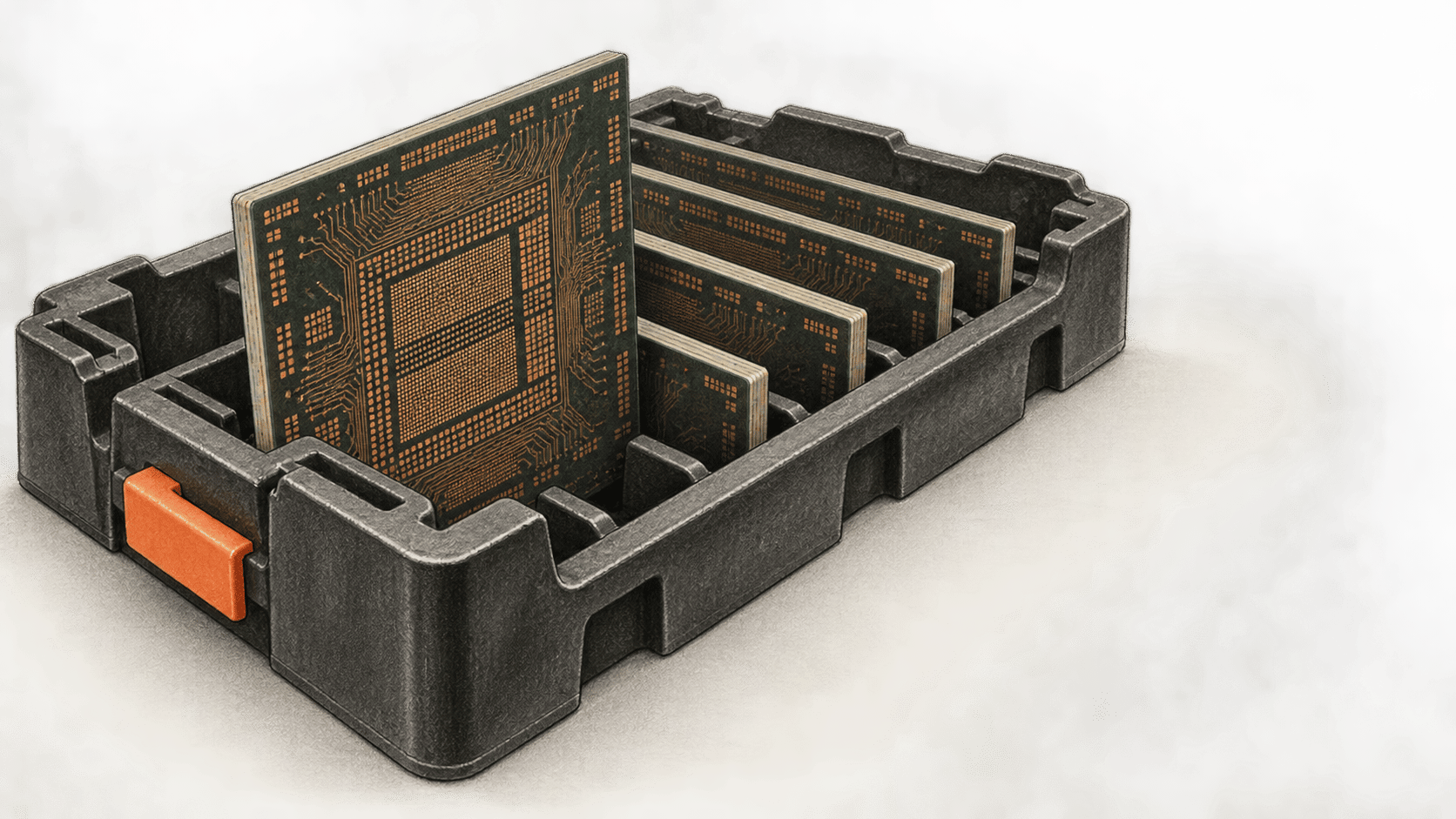
NVIDIA's October 21 supplier plans span substrates, interposers, testing and optical engines. Existing supply and advance-funded reservations precede most proposed 2027 and 2028 capacity ramps.
OpenAI has acquired Orchestra Bio and plans to bring its drug-program coordination platform together with Rosalind. A combined product and faster treatments remain goals, not demonstrated results.
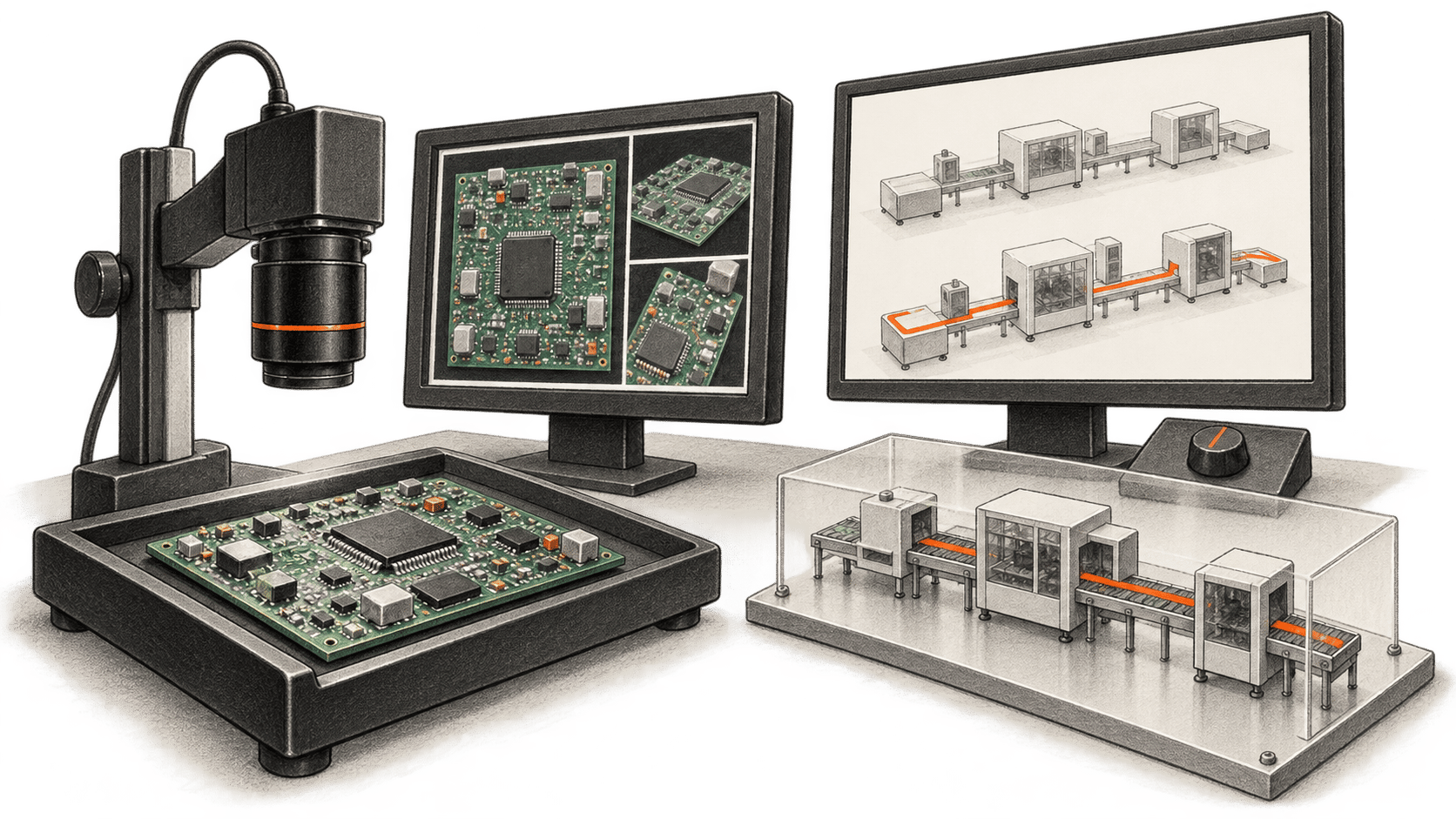
Siemens says AI systems being tested at its Erlangen plant can generate inspection imagery from digital twins and propose production plans for planners to assess. The release describes live production testing, while its productivity figures remain company-reported.
AWS’s Neuron 2.33 release introduces a public-beta PyTorch backend for Trainium2 and Trainium3. Its supported versions, operator coverage and compilation limits define what engineers need to check in an evaluation.
A Commission survey says 42% of covered EU SMEs and mid-caps use AI or automated workplace systems. Its combined category and question bases matter when reading the result.
Anthropic says a 5% share allocation awaits stockholder approval. Its board may add further equity, while fund governance and the valuation baseline remain undisclosed.
Reuters reports that Anthropic pitched lawmakers a private draft AI safety bill. Its reported harm thresholds differ from the developer-coverage thresholds in Anthropic’s public June framework.
Cloudflare offers new ad-supported domains a no-training setting and an agent block on ad pages. Existing domains follow their migrated choices; owners can check all three controls.
a16z’s October report adds U.S. consumer-card spending data to its app rankings. Its panel suggests a small paid base and concentrated spend, but does not measure stated willingness to pay or the whole market.
An Anthropic study finds large differences between staff and US adults in expectations for AI by 2030. Its GDP figures are scenarios derived from survey answers, not company or economic forecasts.
Continues Anthropic's junior technical hiring share falls in workforce study
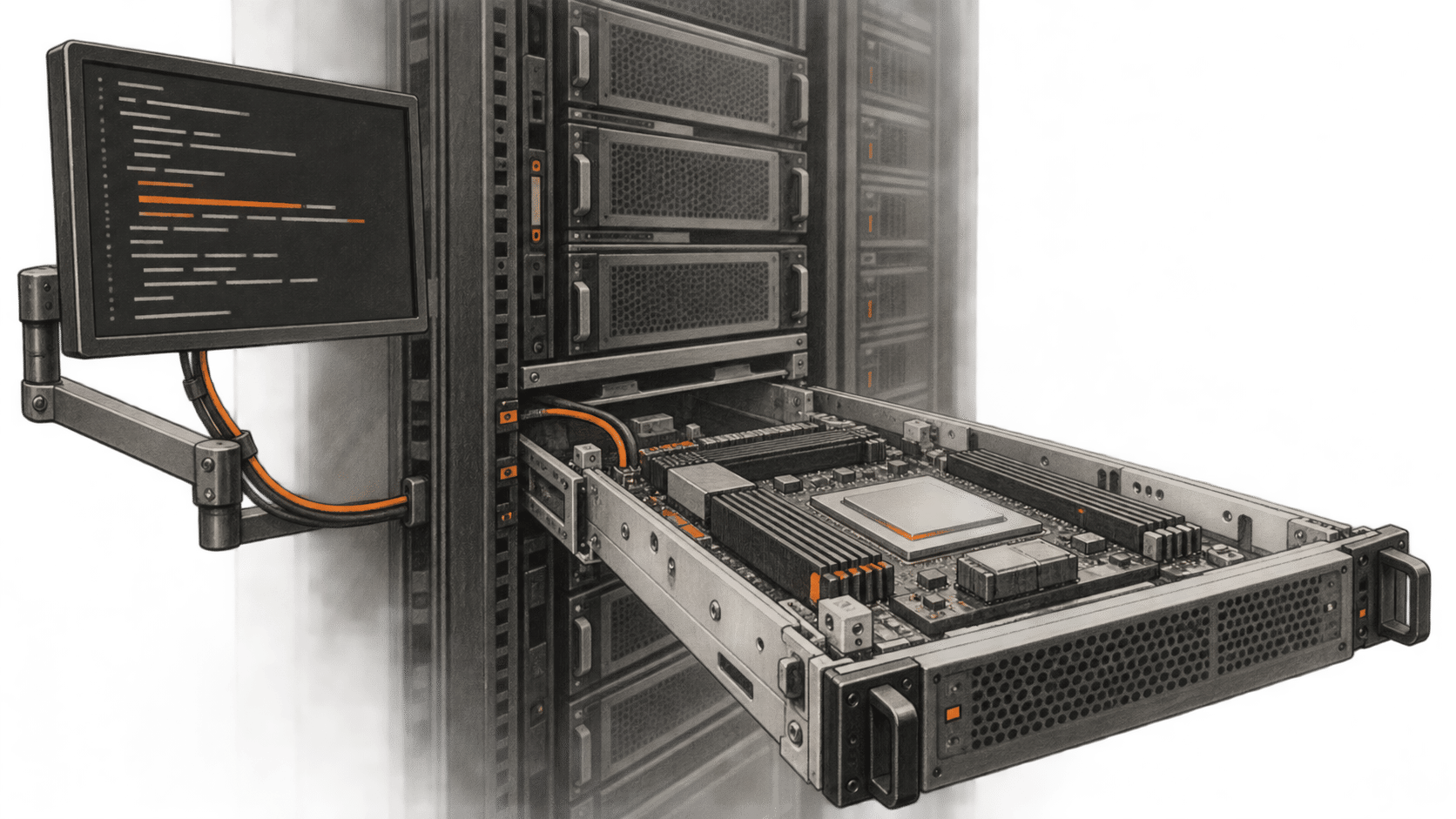
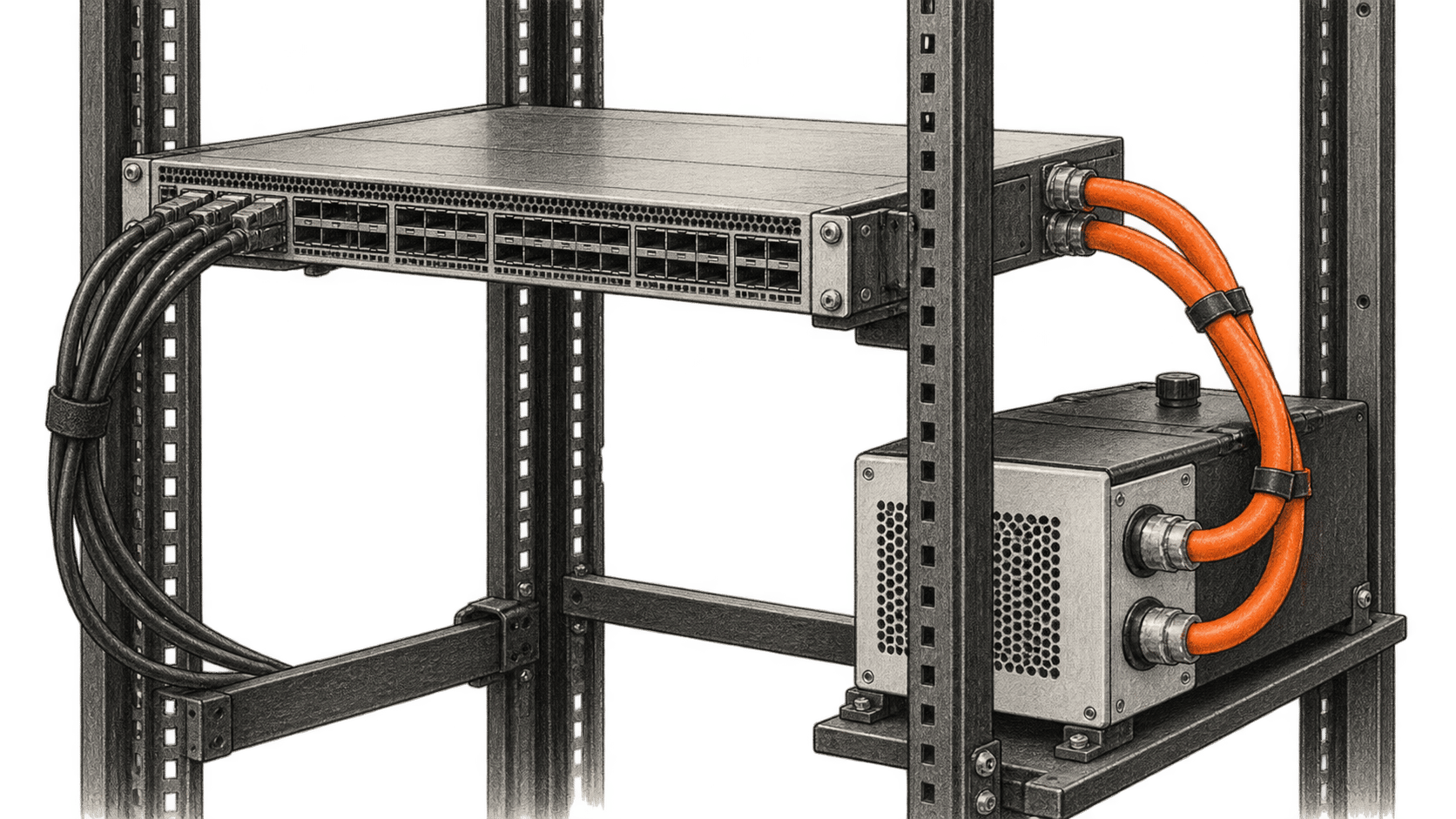
UfiSpace demonstrated an early-access 102.4 Tbps switch with liquid cooling at OCP. The public material establishes a live demo, not a deployed or independently measured data-center system.
NVIDIA says RTX Spark laptops became available October 16. Its launch pages disagree on starting price, while memory options and AI software stages vary by product.
Continues Microsoft's Windows AI launch spans available tools and future Copilot features
Microsoft's internal PRAISE program pairs selected early-career engineers with senior preceptors and CMU courses. Its training outcomes have not been reported.
Waymo says it will begin Toronto work with human-driven mapping and supervised tests. It aims to welcome its first fully autonomous riders in 2028; commercial rides are not available now.
Six METR staff have employee-like access for risk assessments at Anthropic. The evaluator can publish findings, while Anthropic retains control over access and specified redactions.
Microsoft reports MAI-Base-2's held-out text results and fitted training-efficiency estimates. The base model is still in post-training, with no public checkpoint to test.
Simons, Anthropic and OpenAI have committed $15 million in combined funding and resources. The foundation will manage awards for mathematicians to examine AI-assisted work and develop standards.