The Autoware Foundation announced Autoware 2.0 on November 2. Its 2.0.0 GitHub tag was published October 29.
The release gives autonomous-vehicle developers a new planner choice while keeping the existing robotics stack available.
The big change
- The default is rule-based; a learned planner is selectable.
- The planned selector does not run in the 2.0.0 launch.
- A separate vehicle-integration study used recorded data to investigate practical obstacles, illustrating why assembling software is only one step.
What changes in planning
A traditional stack separates sensing, perception and planning. A trajectory describes a vehicle’s proposed path and speed. End-to-end models can span stages; hybrid systems combine learned and conventional components.
Autoware’s architecture documentation describes generators proposing trajectories and a selector checking them. In 2.0.0, developers launch either rule_based or diffusion_planner. Only one generator runs at a time; selector packages exist but are not launched. The learned planner does not make the entire stack end to end.
BIG CHANGE did not test the software.
Building and upgrading a workspace
The Autoware Index repository describes a registry of community packages, their source locations and build/test history. Its workspace tooling can help developers find components and assemble a repository list, but a recorded build or test result is not a blanket validation for another vehicle or operating environment.
The release notes describe reference designs pairing vehicle and operating profiles with software stacks, making configurations easier to reproduce. Foundation models moved to Hugging Face; 1.9.0 and older files do not fit the new launch layout and must be downloaded again.
The Index’s published workflow lets a developer choose packages and import a repository list into a workspace. Its validation history identifies the tested reference, resolved commit and result, helping a team see what was checked before attempting its own build. Those records still need to be read alongside the intended configuration.
Software release, not a road-readiness verdict
The release and simulation demonstration do not establish road safety. Developers must evaluate their vehicle, sensors and operating conditions.
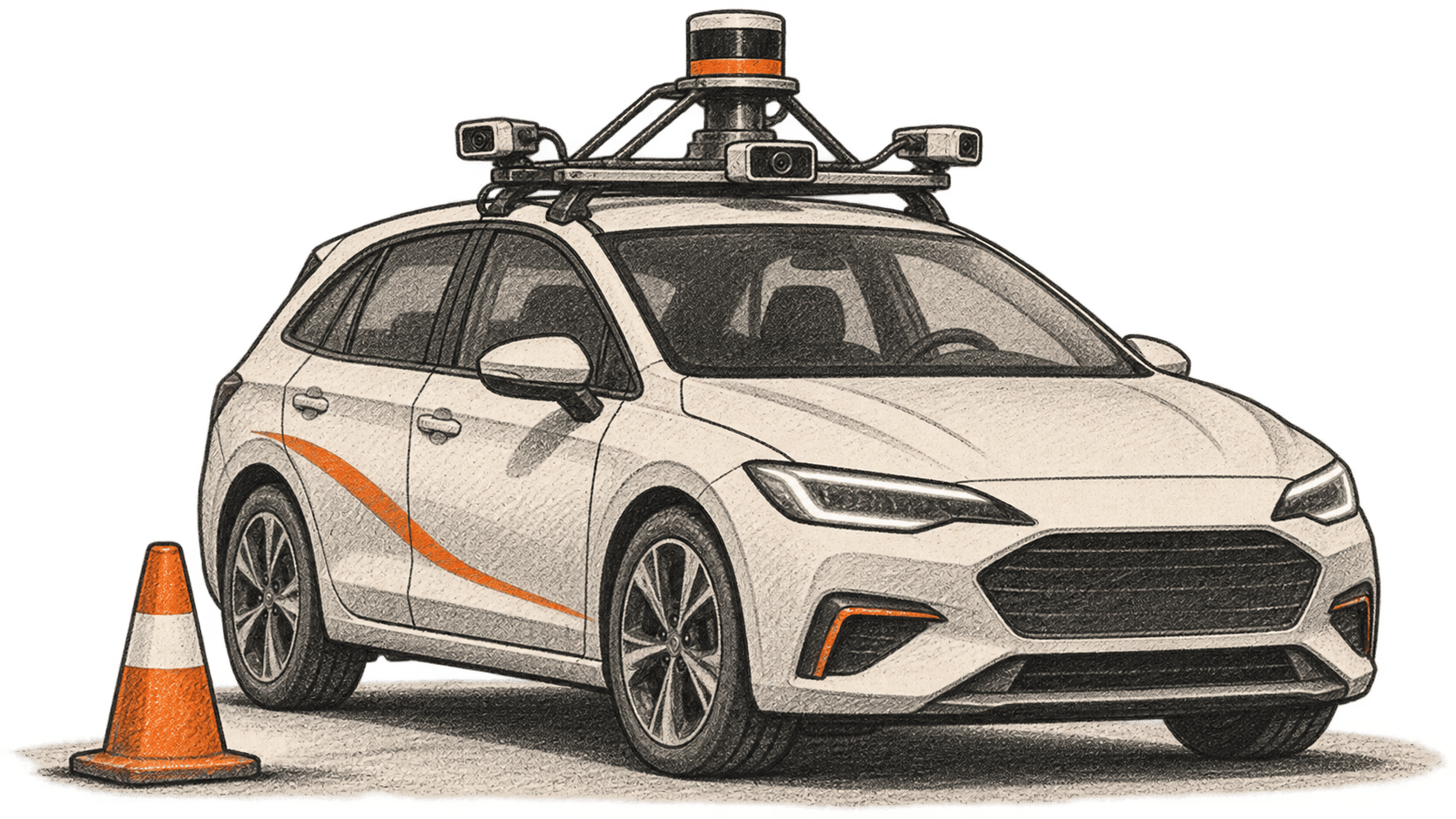
A separate research case study describes integrating Autoware with a Chrysler Pacifica Hybrid and sensors. Its reported autonomous processing used prerecorded data in a structured test environment; the authors discuss sensor synchronization and software compatibility as integration challenges.
The paper predates 2.0.0 and does not test or establish the safety of this release.
Sources & further reading
- Autoware 2.0 announcement: the foundation’s release overview and intended direction.
- Autoware 2.0.0 release notes: launch options, model migration and workspace changes.
- Autoware architecture documentation: distinction between the design and the 2.0.0 launch configuration.
- Autoware Index repository: package registry and validation history.
- Autoware vehicle-integration case study: separate research using recorded data.