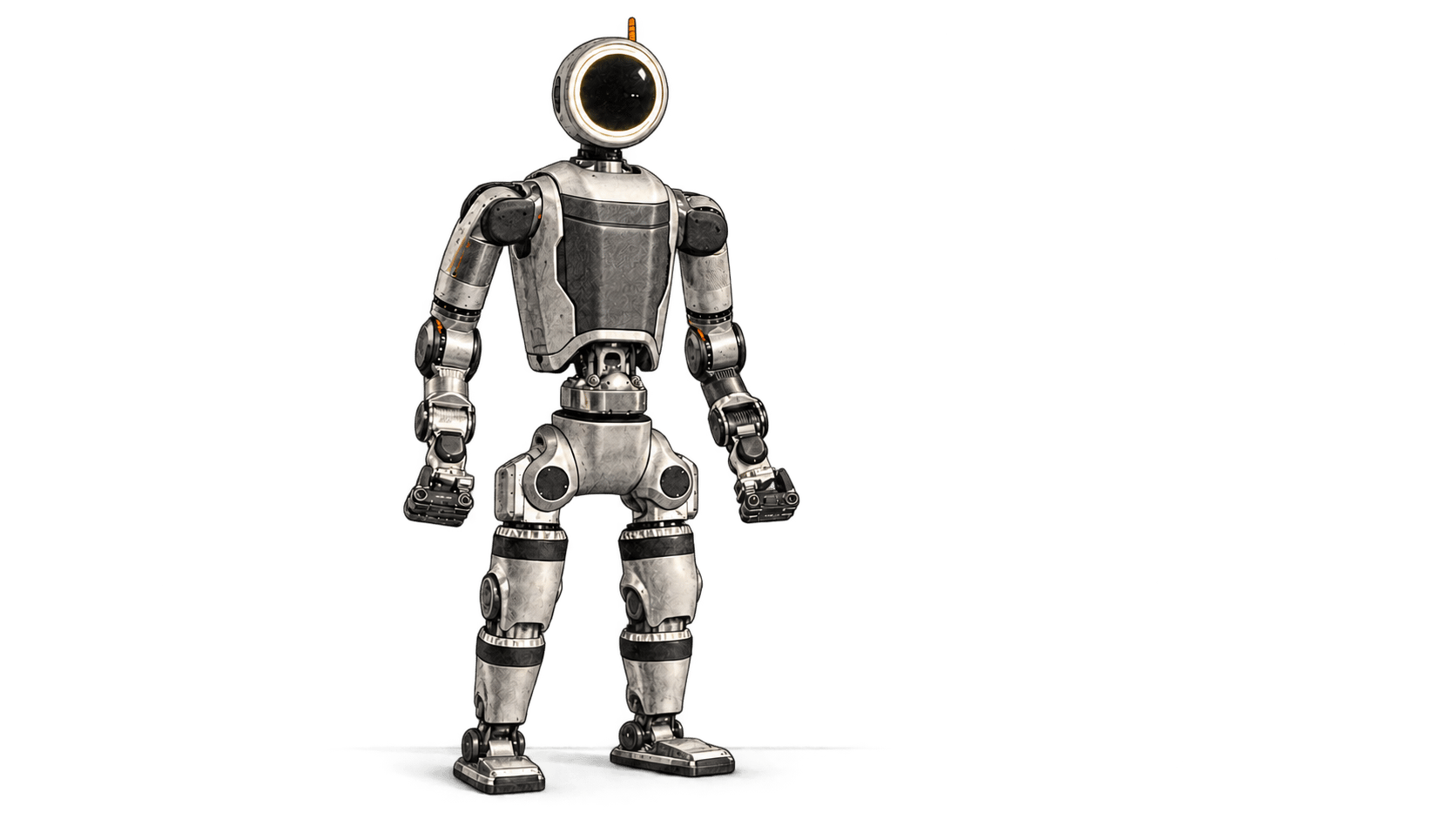
Boston Dynamics announced on October 6 that Rohit Prasad would become its chief executive on October 7. The company says the appointment will advance its “Physical AI” strategy: combining its robots with more capable AI and bringing intelligent machines to more industrial settings. Prasad previously led Alexa and artificial general intelligence work at Amazon, according to the announcement.
For people assessing industrial robots, the appointment is a statement of leadership and intent. The company's own pages show why product stage still matters. It markets Spot for industrial inspection and Stretch for warehouse case handling, while its October 6 announcement describes the electric humanoid Atlas as “currently in development.”
The big change
- What changed: Prasad takes over as CEO on October 7. Boston Dynamics explicitly connects his AI product experience to its plan to develop and commercialize robots with more advanced AI.
- Why it matters: The strategy spans products at different stages. Industrial buyers can discuss inspection work with Spot's sales team or case handling with Stretch's; the Atlas path described by the company starts with selected early adopters. That distinction determines which customer route the company offers today.
- What to watch: Boston Dynamics plans to build Atlas' skills with selected customers before expanding deployments. Reports from those applications would help buyers assess the humanoid's industrial role. The CEO announcement adds no release date or measured operating result.
Three robots, different stages
Boston Dynamics' Spot page presents a robot for sensing and inspection, with a sales contact and support for enterprise fleets. Its Stretch page invites warehouses to deploy a mobile robot for moving cases and also directs prospective buyers to sales. Those pages describe current offerings, although their performance and reliability statements are the company's claims, not measurements verified for this article.
Atlas requires a narrower description. The October 6 announcement calls it a platform in development. The current Atlas product page says it has entered a Hyundai facility for field testing on sequencing tasks and says the company will begin with a select number of early adopters. The page also describes future expansion. Those statements indicate a field test and a planned limited customer path; they do not establish general availability or measured results across customer sites.
Boston Dynamics says Prasad will help turn its AI and robotics work into commercial systems. The announcement gives no new Atlas release date, autonomy benchmark, customer rollout count or measured productivity result.
Strategy awaiting results
Reuters' October 7 report independently corroborates the appointment and Prasad's former Amazon role.
Prasad's background fits Boston Dynamics' stated emphasis on AI commercialization. Evidence of any change in what its robots can do in the field will have to come from product documentation and customer results. Spot and Stretch are marketed for current industrial work; the company still describes Atlas as in development.
Sources & further reading
- Boston Dynamics' CEO announcement: dates the appointment, describes Prasad's background and states the company's strategy. Its autonomy and commercialization language is a company ambition, not an observed outcome.
- Spot and Stretch product pages: show how Boston Dynamics currently markets these robots for inspection and case handling. Their performance descriptions are vendor claims.
- Atlas product page: describes Hyundai field testing and a planned path through selected early adopters; it does not establish general availability or independent results.
- Reuters report: corroborates the appointment and Prasad's former Amazon role.