Einride plans to evaluate NVIDIA's Alpamayo driving model in its autonomous trucking system, first by running the model without letting it control a vehicle. In its October 21 announcement, Einride said it will compare the model's outputs with its existing driving planner and human drivers. A live road evaluation is planned for the second half of 2027.
That sequence matters because Einride already operates driverless freight trucks. The new announcement describes an evaluation of a proposed addition to its driving system, not a result from the trucks already carrying freight.
The big change
- What changed: Einride has named a route for assessing a vision-language-action driving model in freight operations: adapt it using the company's operating data, then compare its decisions in shadow mode while existing systems control the truck.
- Why it matters: A truck operator can examine whether the model's proposed movements and explanations add useful information alongside an established planner before giving it any driving authority. Einride has announced the comparison, not its results.
- What to watch: The planned road evaluation in the second half of 2027 is the next stated milestone. Its value will depend on what the company reports about the model's performance against its planner and human drivers, and how the safety architecture uses the model's output.
A model that proposes movements without controlling the truck
Einride describes Alpamayo as a vision-language-action model that interprets a driving scene, proposes how a vehicle should move and explains its reasoning. The company's plan is to post-train and distill it using proprietary data from its freight operations. It says this adaptation will address its vehicles and routes; the announcement gives no dataset size, training configuration or model version for Einride's implementation.
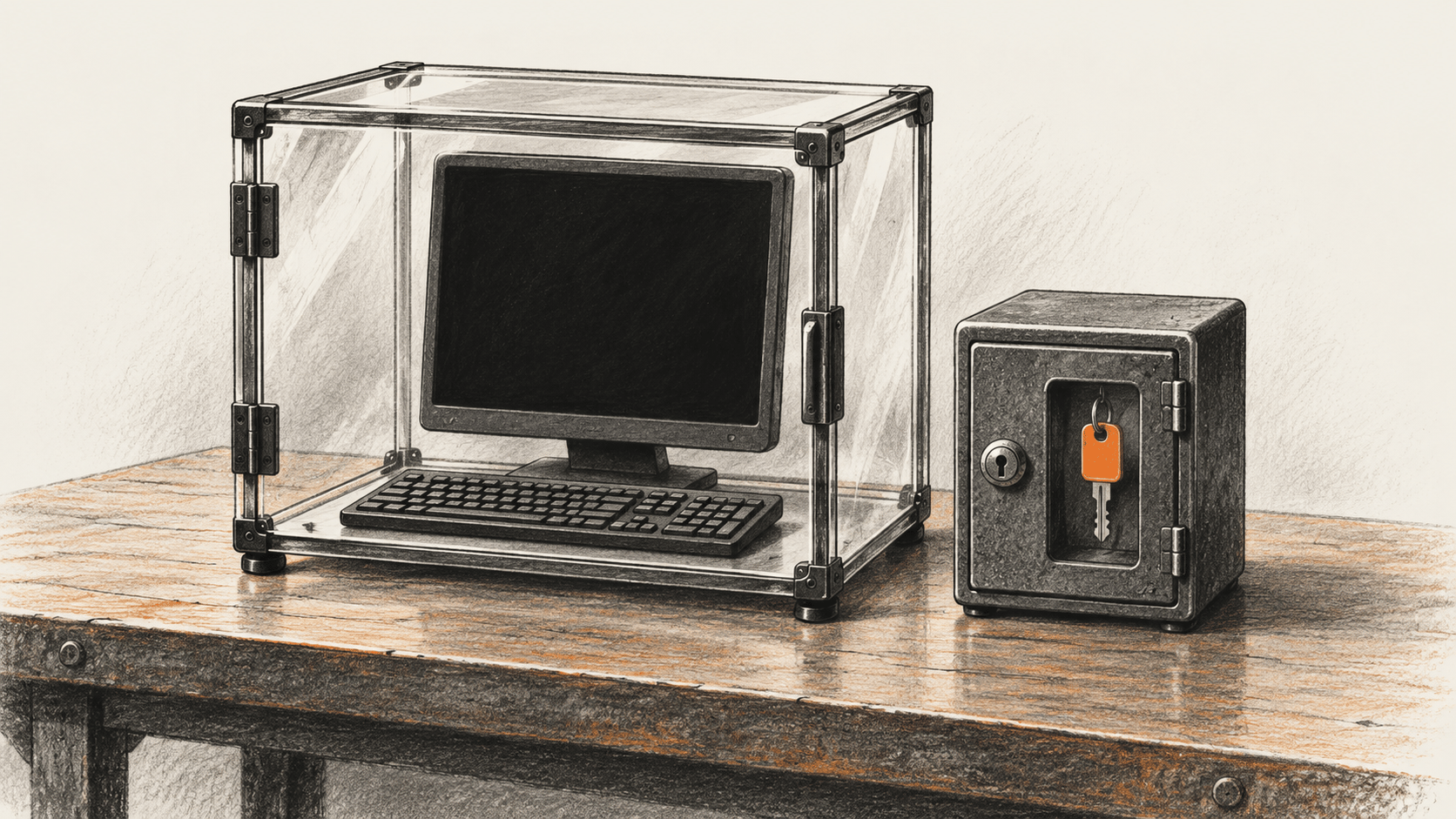
In the planned shadow mode, Alpamayo will run live and produce outputs for comparison with Einride's driving planner and human driver performance. It will not control the vehicle in that mode. Einride says its existing safety architecture retains full vehicle authority. The announcement does not specify the comparison metrics, road conditions, intervention criteria or a date for the first shadow run. It also gives no Alpamayo test results.
This is a narrower claim than deploying an AI model as the truck's driver. The proposed comparison could show where its suggestions agree or differ from the existing planner and human performance, but Einride has not yet reported such findings. Its stated aim is to shorten development cycles and reduce the cost of extending its autonomous system to more vehicle types and routes; no measured saving was provided.
The existing driverless service is separate
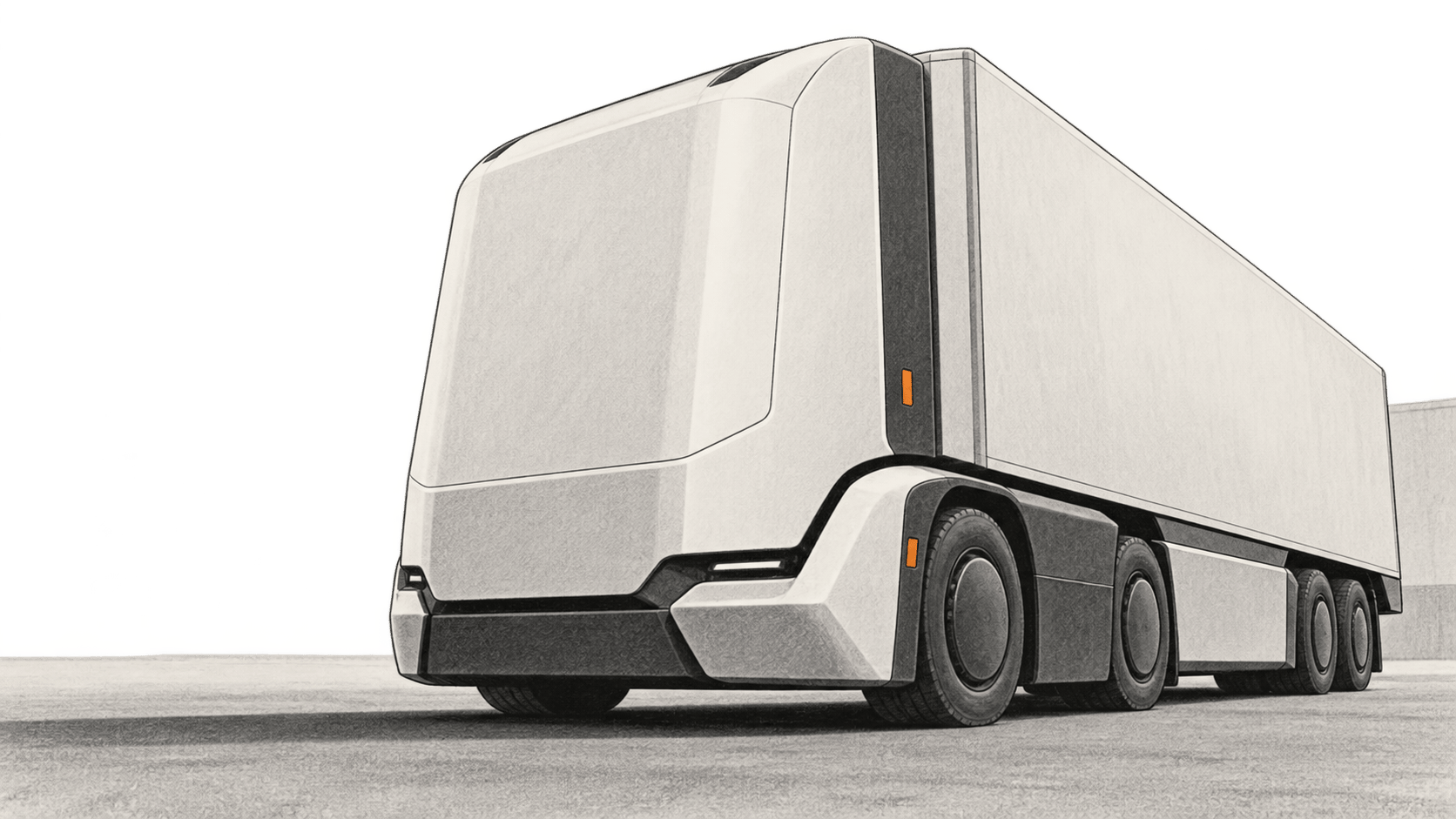
On October 6, Einride and EASE Logistics said two cabless electric trucks were running scheduled freight routes between EASE facilities in Marysville, Ohio, on company property and local public roads. The companies said each truck has off-site remote monitoring and an operator who can step in. They described this as a live service using Einride's existing autonomous stack. They did not identify Alpamayo as controlling those trucks.
The Alpamayo work extends a September 21 partnership to build the next generation of Einride Driver on NVIDIA Hyperion, with NVIDIA Halos for safety and Cosmos and Blackwell infrastructure for model development. NVIDIA's October 21 platform announcement also places Einride among companies building on Hyperion. NVIDIA announced other Alpamayo products that day, but neither company's Einride description names one of those versions as the model in this truck evaluation.
For freight operators assessing the announcement, the distinction is the evidence stage. Einride has specified the proposed model's role, the shadow comparison and a future road-evaluation window. It has not published Alpamayo performance, safety or cost outcomes from this work.
Sources & further reading
- Einride's October 21 Alpamayo announcement sets out the planned adaptation, shadow-mode comparison, retained vehicle authority and second-half-2027 road-evaluation target. These are company plans, not reported Alpamayo test results.
- Einride's September 21 Hyperion announcement explains the earlier platform, safety and development-infrastructure partnership. It predates the specific Alpamayo evaluation plan.
- Einride and EASE Logistics' October 6 Ohio announcement describes the separate live two-truck operation, its route and remote oversight.
- NVIDIA's October 21 Hyperion announcement provides the supplier's account of its platform and newly announced Alpamayo products. It does not identify a specific Alpamayo version for Einride's planned comparison.