Etsy has updated its rules for AI use and listing images. Sellers can still offer art created with their own prompts, provided they disclose the use of AI. The marketplace now explicitly bars AI-generated functional instructions and entirely automated products or listings, while requiring real photographic evidence for most items. The October 22 announcement describes a clarification of expectations alongside updated image requirements; it does not give a separate date when enforcement begins.
The big change
- What changed: Etsy is drawing a more specific boundary around a seller's contribution and the evidence in a listing. Seller-prompted AI art remains permitted with disclosure, while task instructions generated by AI and fully automated inventory are prohibited.
- Why it matters: A buyer of a pattern or recipe needs directions that work and a credible view of the result. Etsy's rules now require the instructions to be the seller's own work and a real, unedited photo of something made from them. Most physical products also need an unedited photo of the actual item.
- What to watch: Etsy says it is adding image guidance to the listing form and a reporting option for potentially misleading AI imagery. The initial reports will inform its understanding of misuse; Etsy says they will not trigger immediate enforcement on their own.
Human input determines what can be sold
In its current explanation of AI creations, Etsy permits products made with a seller's original prompts and AI tools. A fantasy scene and a custom pet portrait are its examples. The seller must disclose AI use in the listing description. The same page prohibits mass automated generation without individual human prompting, curation and creative input into each item. It also prohibits AI prompt bundles sold without the finished artwork. That prompt-bundle restriction predates this week's update; Etsy's earlier guidance already stated it.
The sharper distinction concerns functional content. Patterns, recipes, building plans and instructional manuals tell a buyer how to complete a task or obtain a result. Etsy says that information must be the seller's own work rather than AI-generated. A seller of a craft pattern or recipe must also show an actual result made using it. A simulated result cannot stand in for that evidence. These rules address the reliability of the directions and the buyer's ability to judge what they produce. Etsy has not published evidence in these pages showing how often AI-generated directions fail.
The photo rule depends on the product
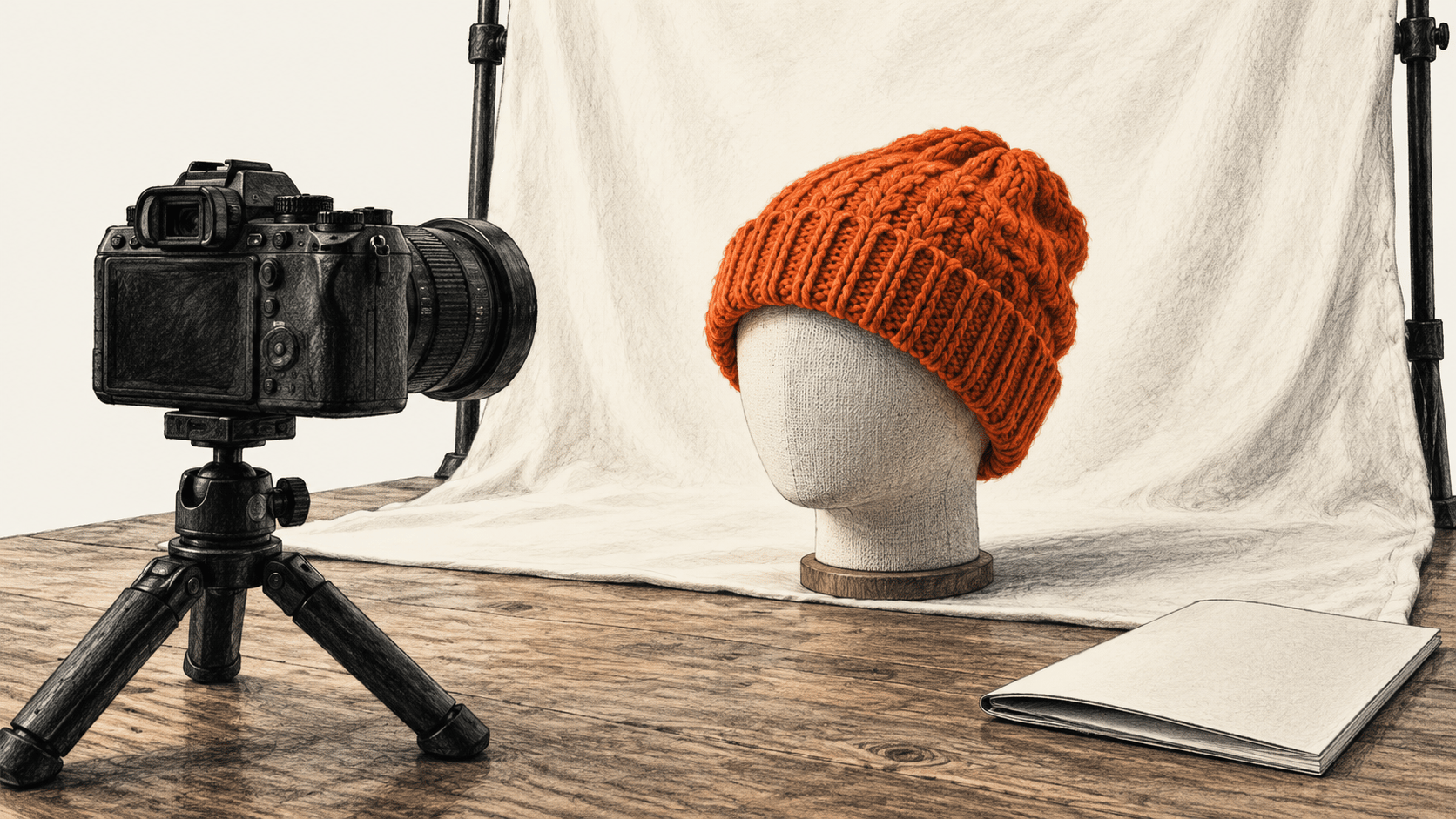
Etsy's Listing Image Requirements, last updated October 22, require at least one unedited photo of the actual item against a real background for most products. That required image cannot be cropped, retouched or changed with AI. Other listing images may be edited, including with AI tools, if they accurately show the product. Permitted adjustments include lighting or colour correction that matches real life, cropping and background changes. Hiding damage or changing the item's actual colour, texture or design is prohibited. Etsy recommends that the first image be the clearest realistic view; its policy does not say that the unedited image must be first.
The exceptions vary with the product. A seller whose original design is printed by a production partner on a standard item may use an authorised stock mockup. An audio download may use representative imagery, including AI imagery, provided it does not mislead; other digital downloads should show a visual preview or excerpt. For custom work made by the seller, Etsy calls for photos of real finished examples from previous orders. Listings for patterns, recipes, seeds and similar items need at least one real, unedited photo of a finished result. Every image still has to represent the item accurately.
Etsy says a materially misleading image can lead to a buyer case and a refund for which the seller may be responsible. It also says misleading listings can be removed. Separately, it is adding image guidance when sellers upload new listing photos, investing in detection of fraudulent inventory and adding a report reason for potentially misleading AI imagery. Those announced measures describe Etsy's intended enforcement and product work, not an independently measured improvement in buyer trust.
Sources & further reading
- Etsy's October 22 seller announcement sets out the policy update, seller guidance and planned product features. Its recommendations about the first photo and describing image edits are identified as best practices.
- Etsy's stance on AI creations explains permitted seller-prompted work, disclosure and the prohibited categories of automated content, instructions and prompt bundles.
- Etsy's Listing Image Requirements provides the binding image rules and the exceptions for particular product types.