A Senate Judiciary subcommittee examined Flock Safety's network of automated license plate readers on September 23, hearing testimony about a wrongful arrest, searchable vehicle histories and camera security. The witnesses disagreed on the remedy. The hearing itself changed no law or camera policy.
The big change
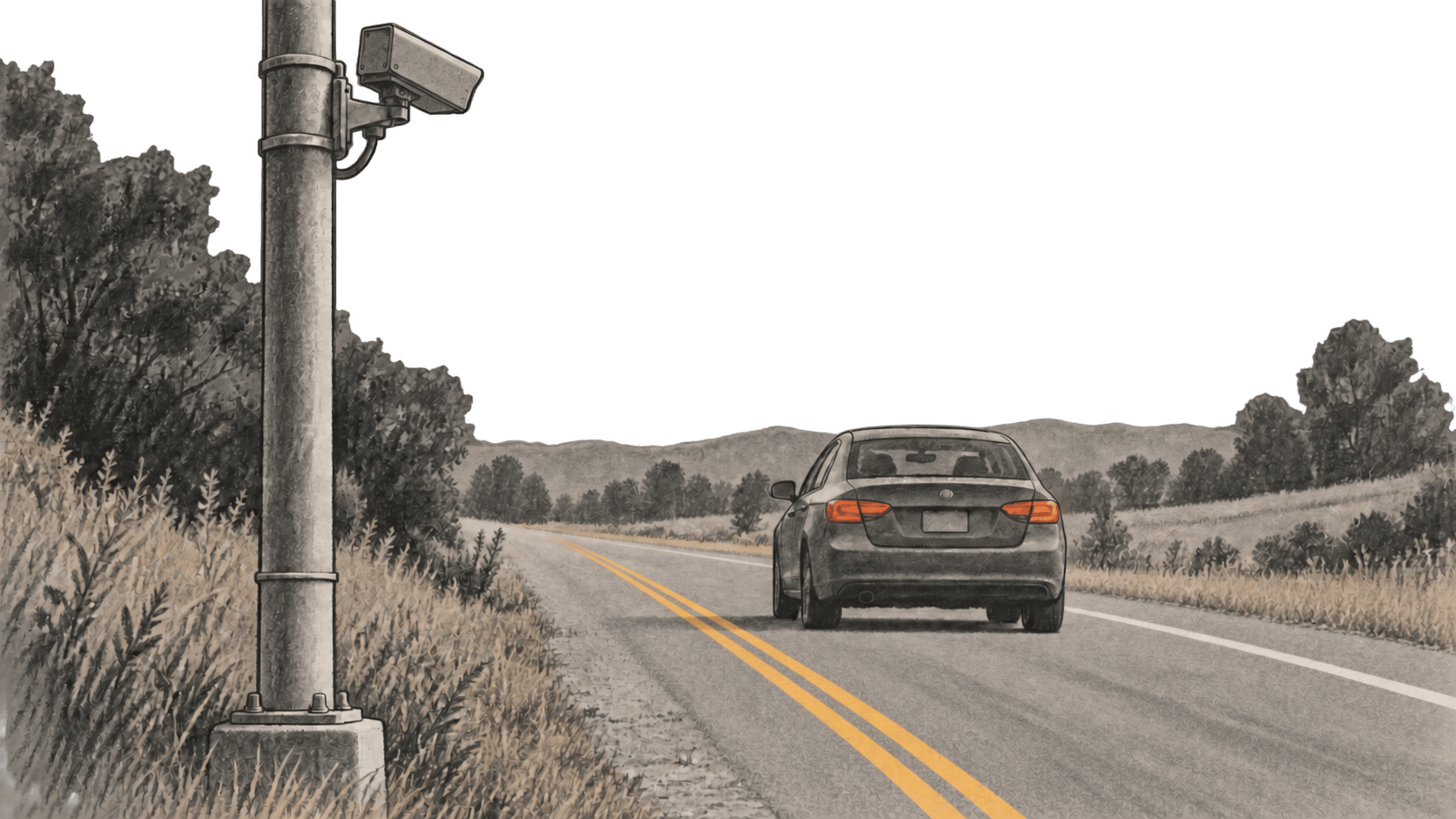
- What changed: Senators put the uses and safeguards of a large, searchable vehicle camera network on the public record. Cameras record a car at a place and time; software can combine those records across locations to reconstruct travel.
- Why it matters: The evidence a camera supplies can influence an investigation, while searches of stored records can reveal movements far beyond a single traffic stop. Lindsey Isaacs's testimony shows the cost of treating one camera sighting as stronger evidence than it was.
- What to watch: Congress has competing proposals before it, from a warrant requirement for older location records to a federal funding ban on police use of plate readers. Neither proposal became law at this hearing. Local officials can also examine their own access, sharing, retention and audit rules.
A camera sighting became part of a wrongful arrest
In her written testimony to the Senate, Florida resident Lindsey Isaacs said investigators learned that a Flock camera had photographed her Dodge Durango two to three miles west of an October 2025 fatal crash. She said witnesses had described a maroon Durango and given a partial plate number, while investigators continued to focus on her vehicle. She was arrested in April 2026, spent 13 days in jail and was released after her lawyer presented photographs showing that her impounded vehicle lacked the collision damage investigators had claimed. According to her testimony, the state declined to prosecute her in May, and the investigation resulted in charges against another person.
The camera's record placed Isaacs's vehicle near the scene. Her account does not establish that the system misread a plate or identified the crash vehicle. The consequential failure she describes was the investigation's treatment of that record alongside conflicting evidence. Roll Call's reporting from the hearing likewise describes her case as a wrongful accusation based on an image captured away from the crash scene.
The network makes past movements searchable
An automated license plate reader records a vehicle image, location and time. In testimony for the Institute for Justice, legislative counsel Alasdair Whitney said Flock's software also lets officers search by vehicle characteristics and review where a car has been captured across participating jurisdictions. Those capabilities are central to his argument that a network of cameras creates a location history, even when each camera captures only a moment.
The Senate hearing page lists five witnesses: Isaacs, Whitney, Pinal County Sheriff Ross Teeple, cybersecurity engineer Benn Jordan and ACLU counsel Chad Marlow. Teeple told the panel that his office ended its Flock contract, while arguing that plate readers limited to immediate checks can help police find stolen cars and missing people. Jordan described security weaknesses he says he found and called for independent testing of surveillance vendors. His testimony is a researcher's account of vulnerabilities, not a committee finding about the current security of every device.
Flock had announced changes in August, including a seven-day default retention period, mandatory audit assistance and multifactor authentication. Its September explanation says the new retention default applies to new law enforcement customers; agencies can have different settings, and private customers retain their existing terms. These are company descriptions of its controls. The hearing did not establish whether they prevent misuse or resolve the witnesses' concerns.
Witnesses proposed different federal rules
Whitney attached model legislation to his testimony that would generally require a warrant before officials access location records more than two hours old. It would also limit sharing and retention while retaining routes for emergency and recent-data use. Marlow's ACLU testimony sought a broader prohibition: no federal funding for a law enforcement agency that uses automated license plate readers. Teeple called for statutory boundaries while defending narrower police uses. Jordan asked for independent security inspections and a federal privacy law.
Subcommittee chair Josh Hawley invited the chief executives of Flock, Axon, Motorola Solutions and Verkada. None appears on the committee's witness roster. The public roster and invitation do not establish why they did not testify. The hearing gave senators accounts and policy proposals to examine; it did not adopt a warrant rule, ban plate readers or change Flock's operating rules.