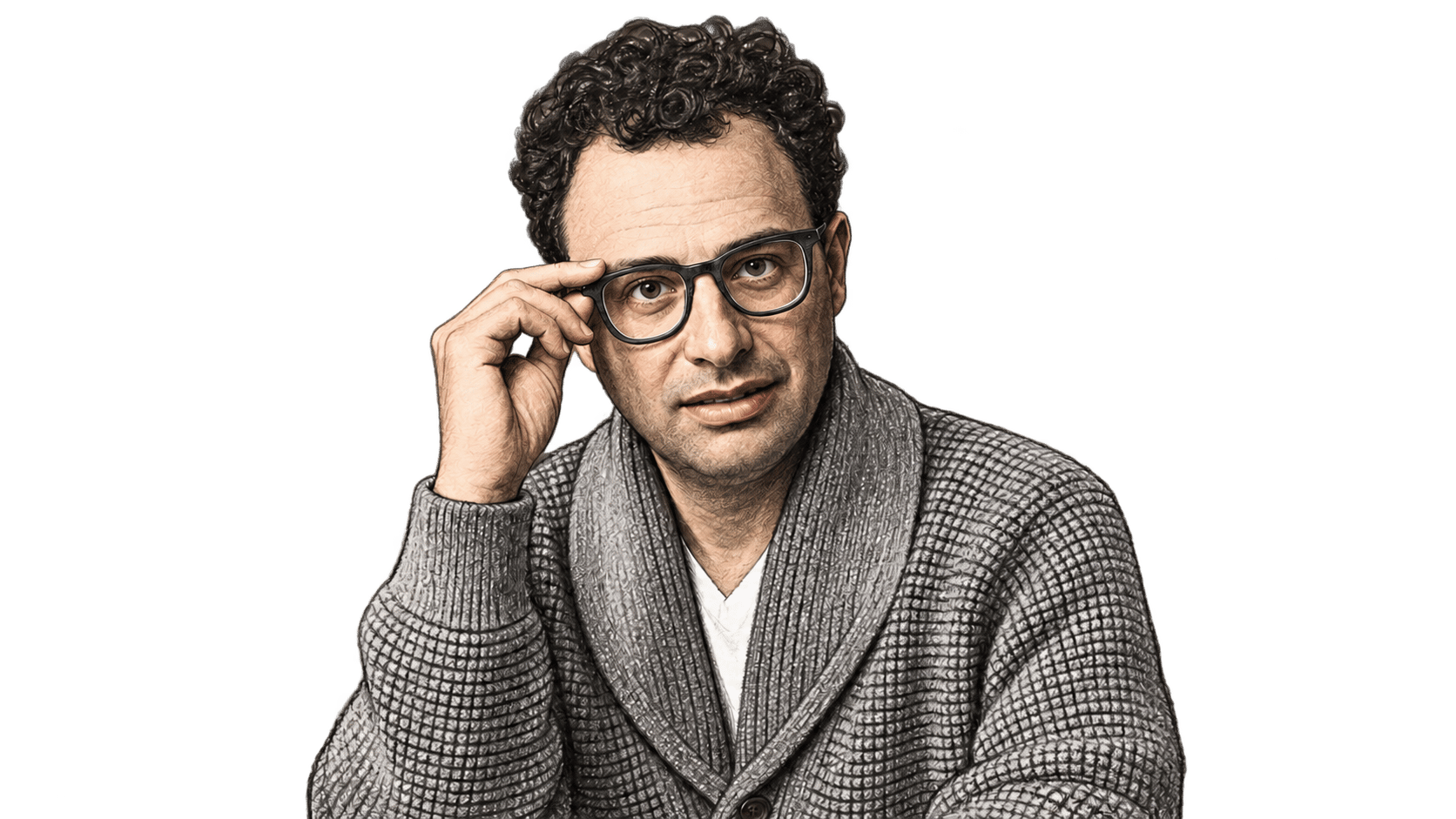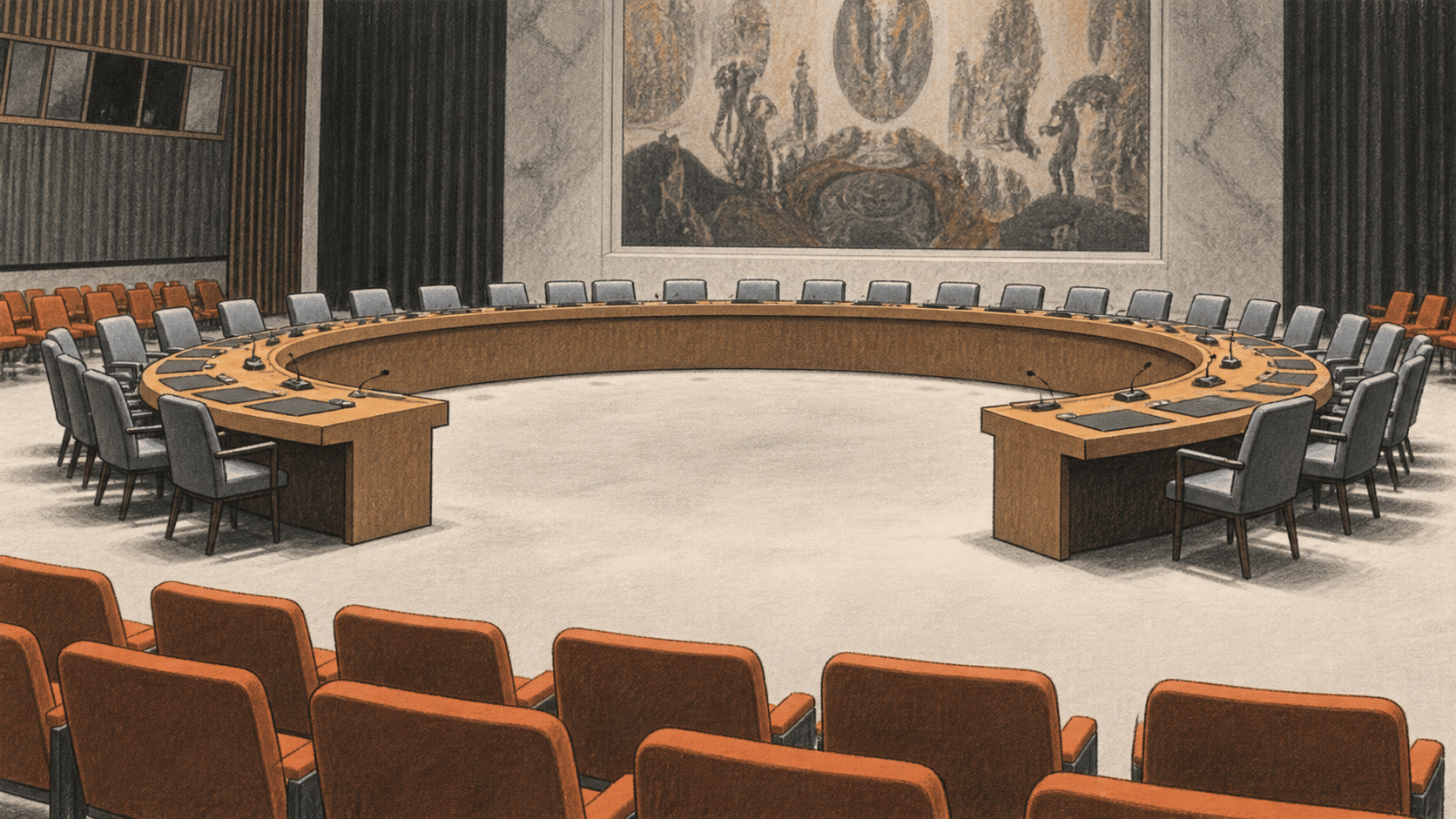
OpenAI's Sam Altman and Anthropic's Dario Amodei separately briefed the UN Security Council on September 23 about risks from increasingly capable AI. Both asked governments to cooperate on testing and reporting. Their proposals differed in scope, and the Council's discussion did not itself establish a new AI rule.
The big change
The heads of two companies building advanced AI models brought specific safety proposals into a Security Council meeting on international security. Altman called for compatible national and international standards to measure capabilities, assess safeguards and preserve human oversight. Amodei proposed narrower agreements, beginning with a prohibition on using AI to make biological weapons, alongside verification systems and common tests for misuse and loss-of-control risks. These were requests from invited briefers. Governments would have to agree on any Council action.
Where the proposals meet
In the UN's automatically generated meeting transcript, Altman asked for prompt incident reporting and secure channels among governments, infrastructure operators and technical experts to share vulnerabilities. He said standards should accommodate open and closed models, new developers and established labs, while each government decides how to use them in its own law.
Amodei also sought international testing standards and notification of incidents significant to global security. He added a system through which states could see frontier models' capabilities and verify commitments. He repeated Anthropic's pledge to place outside evaluators inside the company and said it would slow releases as much as needed for safety. These are Anthropic's commitments and proposals, not independent findings that its safeguards work.
Both asked for comparable tests and disclosure of serious incidents. Amodei put a proposed biological-weapons prohibition and interstate verification at the centre of his Council pitch. Altman emphasised standards that governments could incorporate through their own legal systems. Neither proposal came with an agreement among Council members on enforcement.
Governments have different views of the Council's role
France convened the session, which also heard from UN scientific panel co-chair Yoshua Bengio and Hugging Face chief executive Clément Delangue. It follows earlier Council AI debates, including the first such briefing in July 2023.
Member statements exposed the distance between a shared concern and a shared policy. Latvia's published statement supported exploring an informal Council expert group. In the UN transcript, the US representative opposed new global governance structures and urged national capacity and best-practice sharing instead. Those are positions expressed at the meeting, not a Council decision.
The available UN transcript records the meeting closing after the speakers' statements. It records no adoption of an AI resolution or presidential statement. The page warns that its speech text is produced by automatic recognition and is not an official UN record.