Republican lawmakers have asked federal officials to examine alleged foreign influence in opposition to American AI data centers. The June letters give those allegations an official platform. A separate Justice Department warning issued on September 16 discusses foreign agents participating in public demonstrations, but names neither AI nor data centers.
Those documents are central to Ken Klippenstein's September 23 report, which interprets the warning as part of a campaign against AI critics. Reading the originals establishes a narrower conclusion: lawmakers have requested action, and DOJ has restated existing disclosure laws. These documents do not establish that federal authorities have designated ordinary data center opponents as foreign agents.
The big change
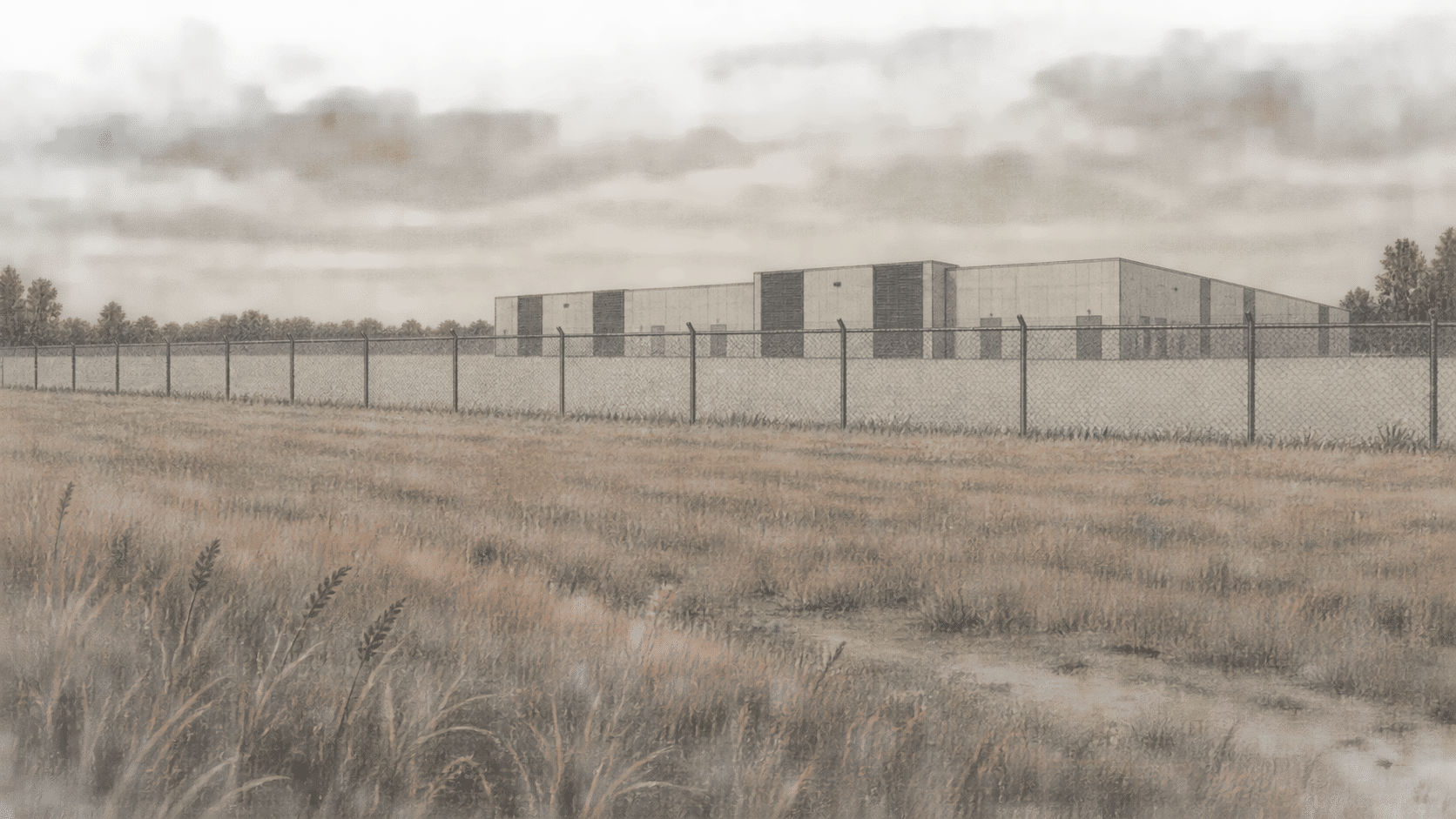
- What changed: Congressional leaders have brought allegations about foreign influence into the debate over AI construction, asking the Justice Department, FBI and White House advisers to act or explain their response. Local infrastructure disputes now feature in these federal oversight requests.
- Why it matters: The requests put the funding and relationships of advocacy organizations under political scrutiny. They leave separate questions about electricity costs and resource use unresolved; Cotton's own letter recognizes those concerns as legitimate.
- What to watch: A response to the congressional requests would show whether officials adopt the allegations and what evidence they present. A request for an investigation supplies no finding about who directed a particular campaign.
The congressional requests
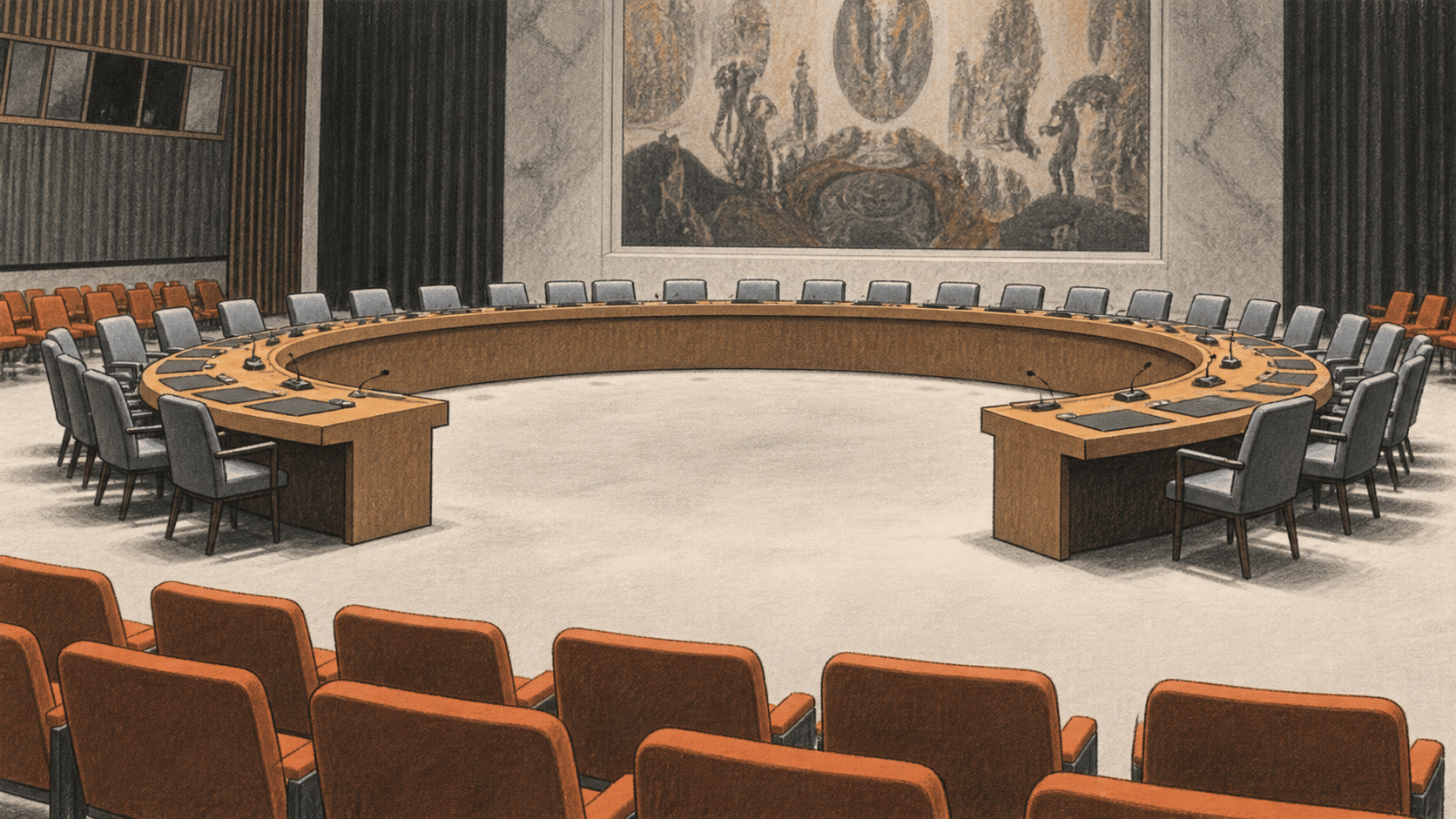
On June 4, House Energy and Commerce Chairman Brett Guthrie and subcommittee chairmen John Joyce and Bob Latta wrote to FBI Director Kash Patel and presidential science advisers David Sacks and Michael Kratsios. They sought a briefing by June 18 on administration efforts to investigate and counter alleged foreign influence in AI development.
The letter cites reports by the Bitcoin Policy Institute and Power the Future. It treats campaigns against data center construction as a concern for American technological leadership and national security. It is an oversight request addressed to officials, with no determination that a particular resident or protester has violated a law.
Senator Tom Cotton's June 10 letter to then-Acting Attorney General Todd Blanche asks DOJ to open an investigation. Cotton alleges that a network led by the Chinese Communist Party is manipulating American policy and opinion about data centers. He centers the allegation on financier Neville Roy Singham and a network of nonprofits he attributes to him.
Cotton relies on published reporting and invokes the Foreign Agents Registration Act, or FARA, in requesting an investigation. His letter supplies no finding from a completed DOJ investigation. It also acknowledges legitimate American concerns about rising energy costs and pressure on natural resources, and supports measures to protect communities.
The reports behind the allegations
Both letters cite the Bitcoin Policy Institute's May 18 report on foreign influence and American AI. BPI advocates American leadership in computing infrastructure. Its report combines three categories: foreign state-media coverage, the nonprofit network it associates with Singham, and donations from foreign billionaires.
Cotton's reference to more than $2 billion flowing into American advocacy groups draws on BPI's account of a broader charitable funding network, including Swiss and British donors. It is not a documented total of Chinese government payments to data center protesters.
BPI leaves formal coordination among the different streams for enforcement and intelligence authorities to determine. Its report presents material for scrutiny of funding and relationships. Establishing that a particular organization acted for a foreign principal requires evidence about that organization and its activities. Shared policy positions do not, by themselves, answer that question.
DOJ's warning and the laws it cites
The September 16 DOJ statement describes registration or notification obligations for people acting in the United States for foreign principals or governments. Its reference to demonstrations begins with a condition: “If a person acts as an agent of any foreign power”. It also expressly recognizes constitutional speech rights.
The statement names no protest movement and announces no AI-related prosecution. Klippenstein connects it to opposition to AI infrastructure through his interpretation of the surrounding political events. The warning itself makes no such connection.
The two laws DOJ cites have different scopes. DOJ's FARA guidance describes covered relationships that include acting at a foreign principal's order or request, or under its direction or control, together with specified activities. Those activities include influencing US policy or public opinion. Foreign principals can include private people and organizations as well as governments; exemptions also apply.
Section 951 of the criminal code defines an agent of a foreign government through an agreement to operate subject to that government's or an official's direction or control, subject to statutory exceptions. Neither description makes opposition to AI construction, by itself, the relevant agency relationship.
There is also a discrepancy in the warning's description of penalties. DOJ mentions a maximum of five years in prison after discussing both laws. FARA's principal criminal penalty does provide up to five years for specified willful violations, with lesser penalties for certain provisions. Section 951 provides up to ten years. The warning's single figure does not accurately describe both statutes.
Polling shows widespread concern about AI
Gallup's original survey tables show 71% of US adults opposed construction of a data center in their area to support AI technology, including 48% strongly opposed. The question specifically concerned local construction. Telephone interviews with 1,000 adults took place March 2 to 18, 2026; the national margin of sampling error was plus or minus four percentage points.
Pew's February survey measured broader attitudes toward AI. Asked about its impact on society over the next 20 years, 40% expected a negative impact and 16% a positive one; 31% expected an equally positive and negative impact. Its methodology records 5,119 adults surveyed February 17 to 23, with a margin of sampling error of plus or minus 1.6 percentage points.
These results establish widespread concern among respondents. Neither question identifies who funded a campaign or why an individual formed an opinion. Polling cannot settle an allegation of foreign direction, just as the existence of foreign advocacy cannot establish the origin of every local objection. Residents' views, organizations' funding and a legal agency relationship each require their own evidence.
Sources & further reading
- Ken Klippenstein's September 23 investigation brought these documents together and supplied the reporting lead. Its interpretation of DOJ's intended targets is distinct from the wording of the warning.
- DOJ's September 16 warning is the original statement. Read its foreign-agency condition and speech-rights language together with its discussion of demonstrations.
- The June 4 House letter identifies its recipients, report citations and requested briefing. Cotton's June 10 letter and accompanying release set out his allegations and request to DOJ.
- BPI's May report explains the categories underlying the lawmakers' claims. It is an advocacy organization's analysis, not a government adjudication of the people it discusses.
- DOJ's FARA FAQ, FARA text and Section 951 explain the different relationships, activities and penalties covered by the laws.
- Gallup's questionnaire and tables document the local-construction question. Pew's questionnaire and results show the full answer choices for its question about AI's societal impact; its methodology describes recruitment, weighting and interviews.