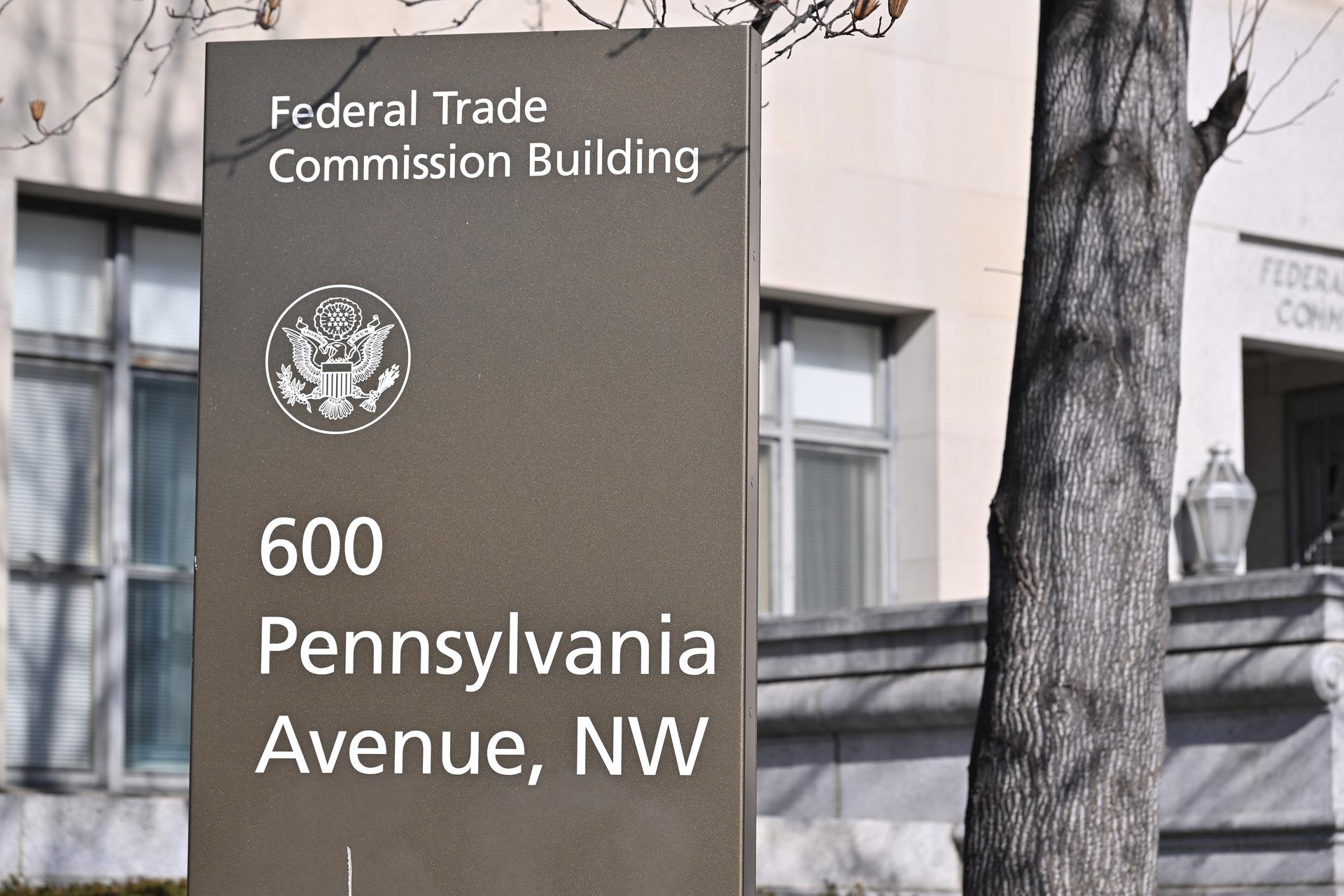
The Federal Trade Commission is investigating OpenAI, Anthropic and other AI companies over possible risks to consumers, the Associated Press reported on September 30. AP said an FTC spokesperson confirmed the investigation and declined to elaborate to AP. Earlier that day, The Washington Post reported that a senior agency official, speaking anonymously, described an inquiry into AI safety. When the Post published its report, it said the investigation had not been made public and its full extent was unclear.
CBS News separately reported that an FTC spokesperson confirmed planned information requests involving the companies and the nonprofit research group METR. The spokesperson said officials were examining whether company conduct violated the FTC Act. That identifies a broad legal question, while leaving the products, practices, exact provisions and full list of companies unspecified in a public agency document. No order or complaint describing this investigation was found in the FTC's public records.
Bloomberg Law reported that formal information demands were being prepared, citing an unnamed person familiar with the confidential probe. CBS attributed a separate account of drafted civil investigative demands and executive testimony to the New York Post. These are reports of planned steps; neither supplies a demand that has been issued. The reporting does not establish that the FTC has charged a company with violating the law.
The big change
- What changed: AP reports that an FTC spokesperson confirmed an investigation into OpenAI, Anthropic and other AI companies. CBS reports that a spokesperson confirmed planned information requests and scrutiny under the FTC Act.
- Why it matters: Consumer safety questions are under federal scrutiny. The FTC Act frame is reported, but the agency has published no current order identifying the exact conduct, provisions or compulsory process.
- What to watch: A public FTC demand, order or announcement stating the inquiry's scope and authority, and any later formal action. Those records would clarify the stage and legal basis.
Earlier FTC studies offer context, not the inquiry's terms
The FTC has previously announced AI inquiries with considerably more detail. In September 2025, it issued orders to seven providers of consumer-facing companion chatbots, including OpenAI. The agency said it wanted information on how companies test and monitor possible negative effects on children and teens, restrict their use and explain risks to users and parents. Anthropic was not among the seven recipients named in that release.
That 2025 announcement expressly identified Section 6(b) of the FTC Act as its authority. The FTC said this power permits broad studies without a specific law-enforcement purpose. It also listed the companies, the questions it intended to ask and the commission vote. The agency has published no comparable order or detailed announcement for the September 2026 investigation.
The agency's January 2024 announcement concerned a different subject: investments and partnerships between cloud providers and generative AI developers. Its Section 6(b) orders went to five companies, including OpenAI and Anthropic. Those orders examined relationships and competition, rather than establishing the terms of the newly reported consumer-risk investigation.
The overlap in company names can mislead. The two published studies show that the FTC has used Section 6(b) to collect information about AI markets and products. They do not show whether the new inquiry uses that authority or what products and conduct it covers. CBS's FTC Act account does not identify a particular provision, an issued compulsory demand or a charge.
What the public record can answer next
For consumers and the companies involved, the immediate change is the FTC's reported scrutiny and stated plan to gather information. Its effect is still undetermined. An issued demand or public agency document would clarify the products, companies, period and conduct under examination. Until the FTC supplies those details, the 2025 and 2024 studies remain useful comparisons, not a map of this inquiry.
Sources & further reading
- Associated Press, September 30, 2026: Reports an FTC spokesperson's confirmation, the named companies and the spokesperson's refusal to elaborate. This is the basis for the confirmed-investigation headline.
- The Washington Post, September 30, 2026: Its earlier report attributes the inquiry to an unnamed senior agency official and says its full extent was unclear. Its statement that the inquiry had not been made public describes the situation when that report appeared, before AP's later spokesperson confirmation.
- CBS News, September 30, 2026: Attributes planned information requests and FTC Act scrutiny to an FTC spokesperson. Its civil investigative demand account is credited to the New York Post, not the spokesperson.
- Bloomberg Law, September 30, 2026: Attributes anticipated formal information demands to an unnamed person familiar with the probe. No issued demand is provided.
- FTC companion-chatbot inquiry, September 11, 2025: The agency's stated purpose, recipients and Section 6(b) basis for an earlier public study. It does not specify the current inquiry's scope.
- FTC generative AI partnerships inquiry, January 25, 2024: The agency's earlier competition-focused Section 6(b) orders, including OpenAI and Anthropic. They do not establish the current legal mechanism.