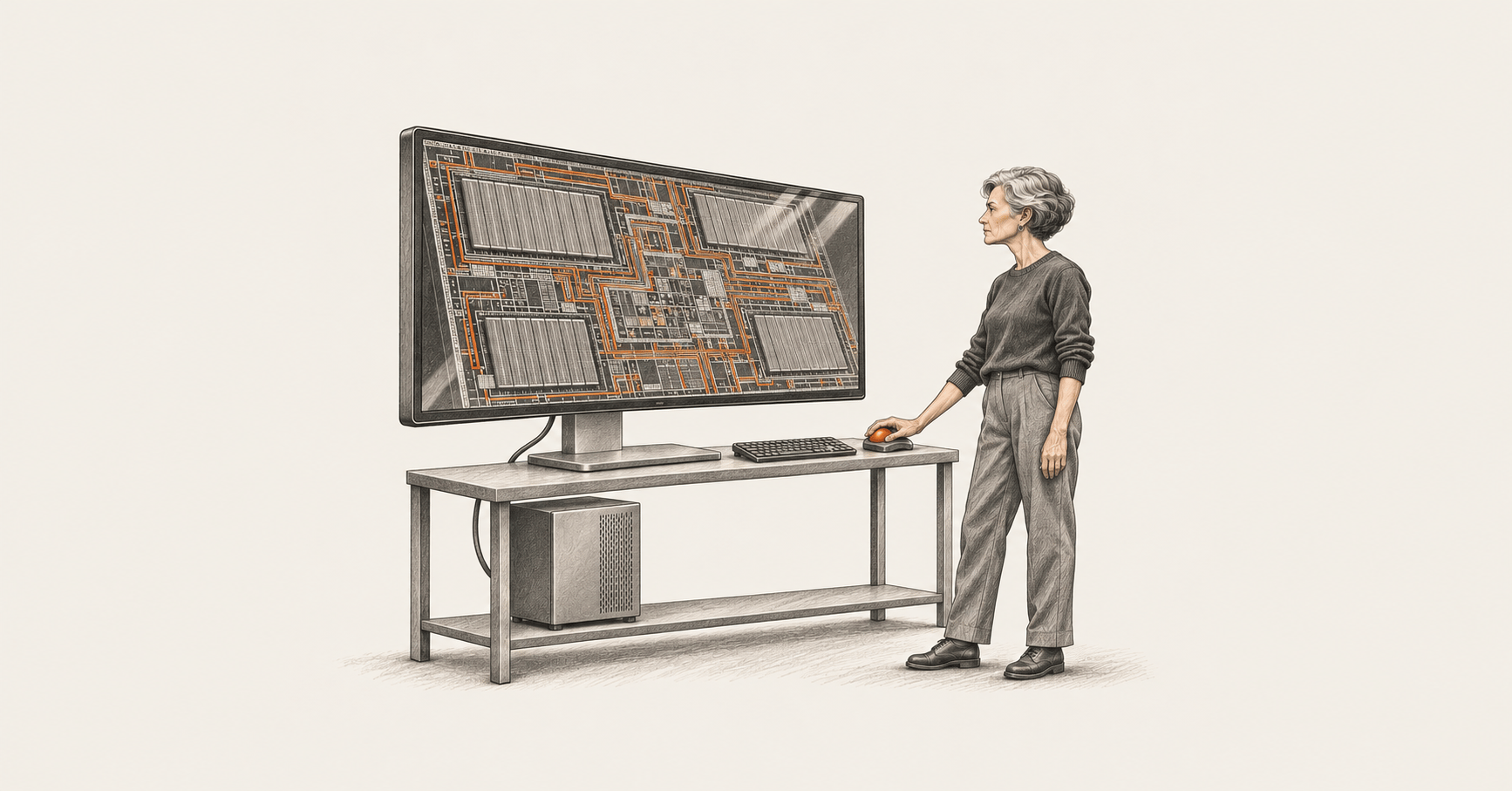
On November 19, Google began rolling out Gemini Computer Use for Mac apps and websites.
The big change
- Gemini works in a virtual screen with a live preview, leaving the main cursor free. Users can stop its work.
- Apple treats permission to control a Mac as a substantive grant of access. That system permission is separate from deciding whether a particular proposed action should proceed.
- Google’s developer documentation describes computer use as a screen-and-action loop. The model proposes an interaction, software executes it, and a fresh screen image informs the next decision.
Shipping quotes
Google describes transferring weights, dimensions and addresses from local PDFs into multi-box shipping quotes.
The separate developer reference explains the general mechanism. A screenshot provides the model’s view of the current interface. It suggests a click, scroll or typing action, which surrounding software must execute before returning an updated image. Producing a suggested action and completing a real task are therefore different stages.
Eligible Macs and accounts
The rollout is English-only in the US, for personal-account users 18 or older with Plus, Pro or Ultra. Google requires Apple Silicon and macOS Sequoia 15 or later; work and school accounts are excluded.
Permissions extend beyond the window
Google requests Accessibility and Screen & System Audio Recording permissions. Its controls separate one-time approval from a saved list of permitted apps. The release notes say Gemini pauses for logins and payments and may request confirmation for sensitive actions.
Apple’s Accessibility guidance explains why the operating-system grant matters: it lets third-party software control the Mac and can expose contacts, calendars and other information. Apple says that information falls under the third party’s privacy practices. Its separate recording guidance describes control over which apps may record screen and system audio.
Apple’s November 16 developer update introduces more granular device-control and file-access choices in macOS 27.3 beta 2. Previously granted permissions remain in effect, so users installing that beta should not assume their earlier access grants were withdrawn.
Why supervision remains part of the job
Google’s Mac guide warns that untrusted screen content can redirect work across allowed apps and logged-in accounts.
The separate developer reference cautions that computer-use systems can make mistakes and recommends close supervision for important tasks. A sequence of plausible clicks still needs checking against the intended result. When errors would be difficult to reverse, keeping the final decision with the person is a practical boundary on delegation.