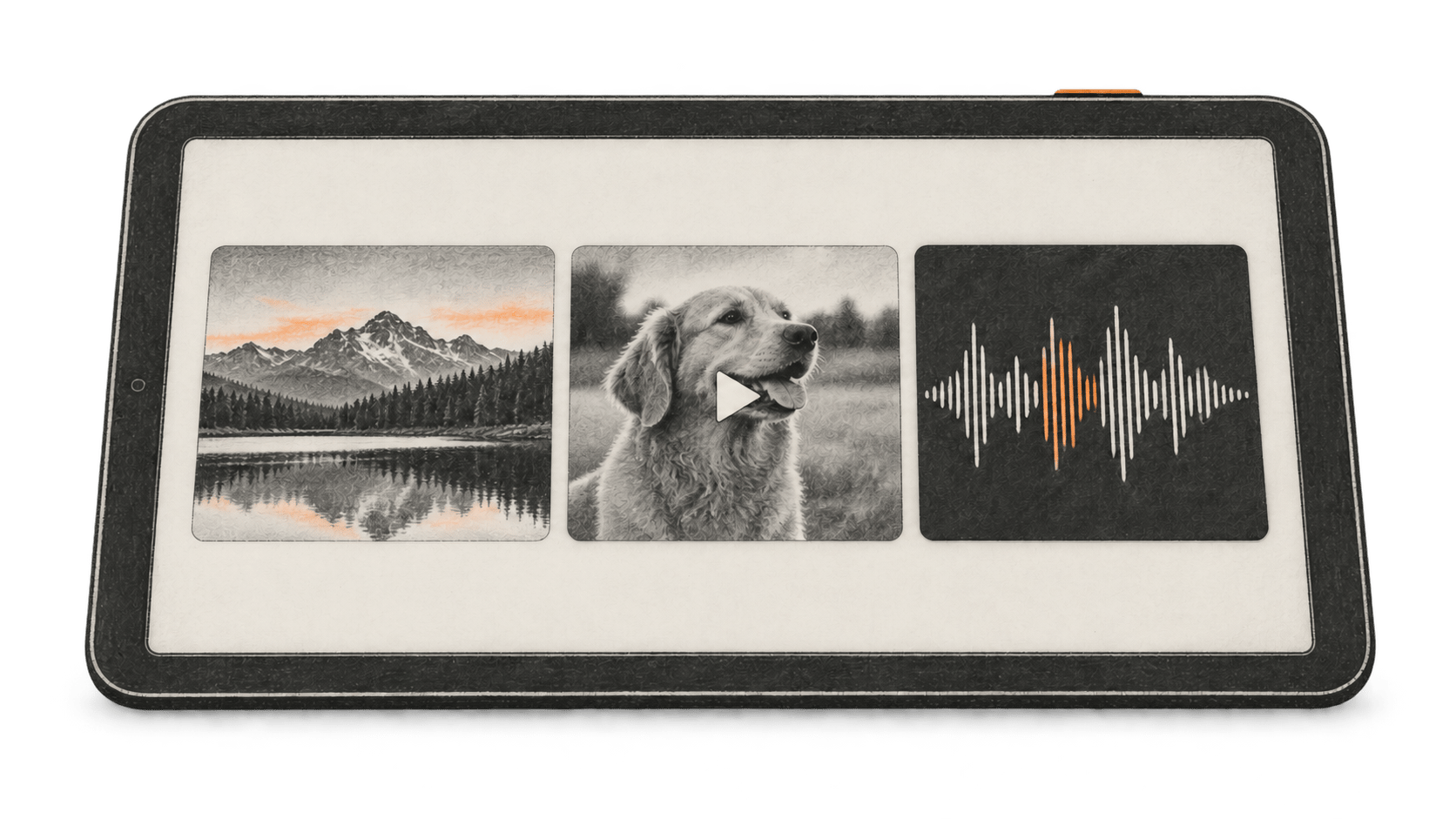
Google opened SynthID Detector to everyone globally in English on October 7, 2026. The portal checks image, video and audio files for a SynthID watermark, a signal participating systems embed in some generated media. A result can add evidence about the file's origin. It cannot tell you whether a claim in the file is true, who shared it, or how much of it was made with AI.
The big change
- What changed: Google says its detector, previously tested with media professionals, is now available globally in English for image, video and audio checks.
- Why it matters: Opening the previously restricted portal lets readers checking a file add a watermark result to their assessment of its source and context.
- What to watch: Google says the detector supports media from its tools and partners including OpenAI, NVIDIA and Kakao, with Apple support forthcoming. Coverage depends on watermarks in supported media, so a negative check remains inconclusive.
Check a file with SynthID Detector
Go to Google's SynthID Detector with the image, video or audio file you want to examine. Google's 2025 detector explainer describes the documented sequence: upload content, let the portal scan it for a SynthID watermark, and view the result. When it finds a mark, Google says the portal can highlight portions most likely to be watermarked. Its explainer specifies segments for audio and areas for images. The October announcement gives no more detailed controls or fixed results layout, so follow the instructions the portal presents.
Google's October announcement names those three media types. Its older explainer also discussed text; the new public-access announcement gives no public text-checking workflow. Neither cited page specifies whether a Google account is required, which file extensions are accepted, file-size or duration limits, or a price. Check the portal's current requirements before relying on it for a particular file. This guide is based on Google's documentation; BIG CHANGE did not upload a file or test the detector.
Reading a detected watermark
Participating generation systems can embed SynthID in media. Google describes the marks as imperceptible to people and detectable by its technology. A positive result points to a SynthID mark in the submitted file or in the portions the portal identifies. It does not establish that every frame, pixel or sound in a mixed file was generated by AI. It also does not identify the person who made or posted the file, establish permission to use it, or verify the factual claims it contains.
Google says the new detector can check media made with AI from Google and partners including OpenAI, NVIDIA and Kakao; it lists Apple as forthcoming. These are Google's support claims. BIG CHANGE has not tested compatibility or accuracy, and the public announcement supplies no independent performance measurement for this release.
Reading no detection
No detected SynthID mark does not settle whether the file was made by a person or an AI system. The media may come from a system that does not embed a supported mark, may predate a rollout, or may have been edited or transformed. Google says SynthID is designed to withstand several common changes, such as cropping or compression for images and video, but the cited pages do not establish that detection survives every alteration. Treat a negative result as an absence of detected evidence from this particular check.
If the decision matters, examine the file's source and context as well as the watermark result. A SynthID check answers a narrow provenance question; it cannot authenticate an event shown in a video or a statement heard in audio.
This guide covers media files. Our earlier report on OpenAI's textGrain rollout addresses a different signal in eligible ChatGPT, Codex and API text, with detector access initially restricted to approved researchers and expert organizations. The public SynthID Detector announcement concerns image, video and audio access; it does not open that textGrain detector.
Sources & further reading
- Google's October 7, 2026 SynthID Detector announcement establishes the public English rollout, stated media scope and Google's partner-support claim. It does not specify upload requirements, pricing or detection accuracy.
- Google's May 20, 2025 detector explainer describes uploading, scanning and highlighted portions. It covered an early-access version, so its details should not be read as a verified walkthrough of today's interface.
- Google DeepMind's SynthID overview explains the watermarking approach and current portal positioning. It is Google's product description, not an independent evaluation.