Kakao Mobility and NVIDIA announced a cooperation agreement on November 9 to develop Level 4 autonomous driving technology.
The big change
- The change: A development agreement.
- Why it matters: A driving service needs compatible vehicles, computing and software.
- What to watch: An agreement is not an operating driverless service.
What the partners plan
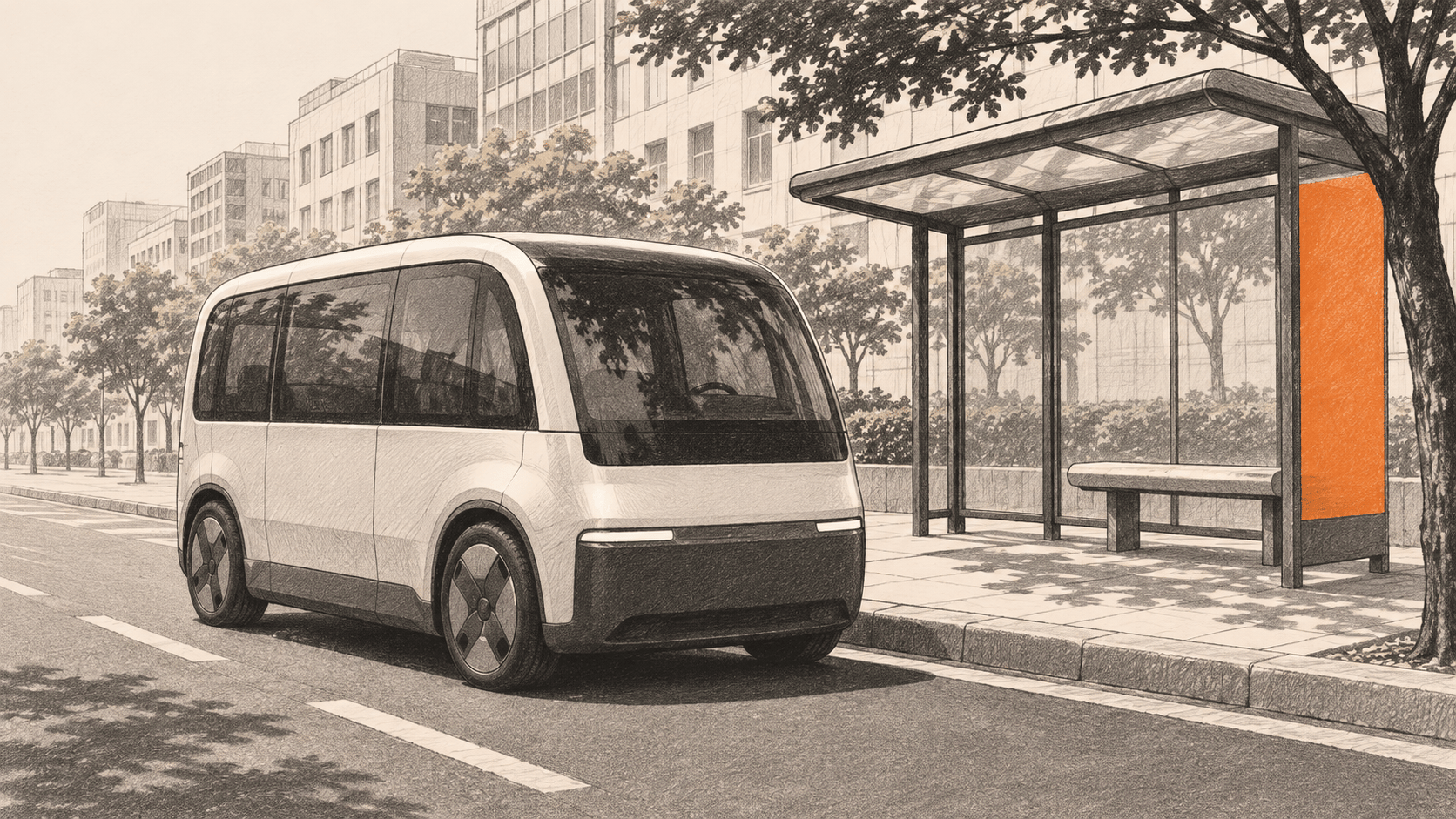
Kakao says it plans to use NVIDIA’s Hyperion reference architecture and a computing unit with two DRIVE AGX Thor systems, alongside the Halos safety system for development and validation. Initial development is planned around Kia purpose-built vehicles; neither announcement establishes driverless passenger operations with this system.
Level 4 describes a system that can perform the driving task without a human driver within defined operating conditions. SAE International distinguishes levels of automation; the operating domain matters because a service designed for particular roads or conditions is not necessarily able to drive everywhere. The classification describes the intended capability, not an independent safety certification of this project.
Earlier work and the road to service
Kakao’s July agreement with Kia already covered purpose-built vehicles and integration for autonomous-service pilots. At that time, the companies said they intended to supply vehicles and an interface development kit for pilots during 2026, then jointly develop vehicles for commercial service over a longer horizon.
Separately, Kakao said in August it was expanding its existing Gangnam autonomous-vehicle service from two to six vehicles. That is earlier operational context, not evidence that the newly planned NVIDIA configuration has been deployed.
Riders would need an authorized service with defined operating conditions.