Kawasaki Heavy Industries says it has built a prototype of Home LEO, a robot intended to help older people living at home. The October 6 announcement describes conversation, monitoring and help with daily tasks. It also says its list of features includes functions planned for future development. The release does not identify which listed functions already work in the prototype.
The big change
- What changed: Kawasaki has completed a Home LEO prototype and laid out a plan to connect a household robot with family members and care services.
- Why it matters: The proposed system joins physical assistance with observation and the sharing of personal care data. Families and care providers would need evidence of how reliably those functions work, who receives alerts and how consent is managed before relying on it at home.
- What to watch: Kawasaki plans demonstration trials with government bodies, care organizations and AI companies, and aims for a launch in fiscal 2028. It has yet to report deployment results or a measured reduction in care burden.
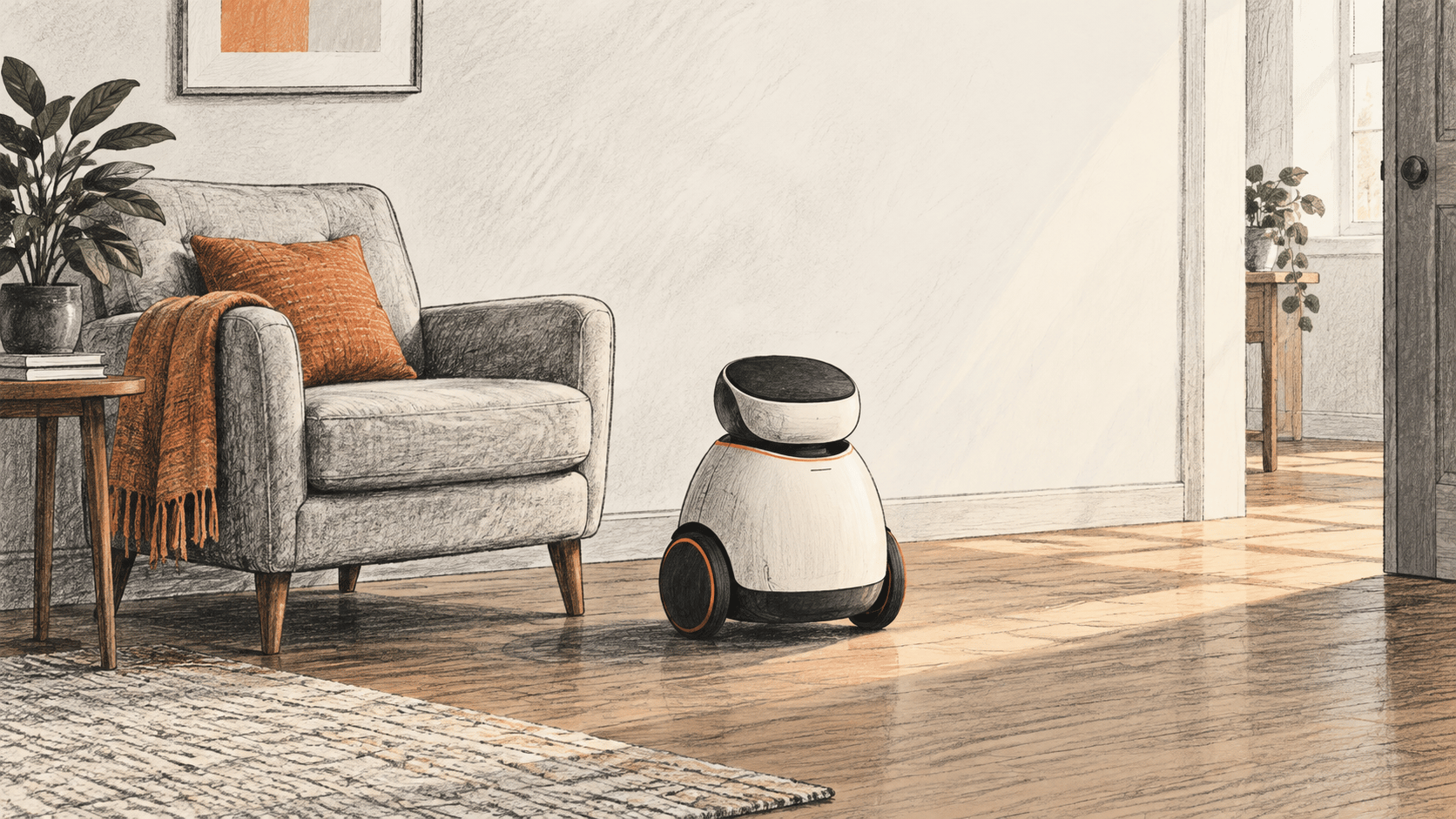
Kawasaki says Home LEO is designed to recognize its surroundings and act autonomously using what it calls physical AI. In the company's description, the robot would learn a person's habits and preferences through conversation, notice signs of a fall, a change in physical condition or a fire hazard, and contact family members or care professionals when appropriate. It would also help the person move around the home and find or hand over objects.
The feature section of the release explicitly covers functions still scheduled for implementation. Kawasaki gives no function-by-function account of what the prototype has performed, no trial results and no measured detection or task-success rates. Readers cannot use this announcement to judge whether it reliably recognizes an emergency, handles objects safely or reduces the work of a family caregiver.
Home LEO is also proposed as a link between home life and formal care. Kawasaki says it would collect information from conversations, routines and general wellness, then share care data with medical and nursing care institutions under user consent and appropriate information management. The release describes that intended approach; it does not set out the consent procedure, retention period, access controls or an evaluated care workflow. These details would matter because the robot's proposed usefulness depends partly on people and organizations acting on the information it collects.
The prototype measures 640 millimeters long, 675 millimeters high and 390 millimeters wide, according to Kawasaki, which warns that the dimensions may change. The company says it plans a series of demonstration trials in cooperation with Japan's health and industry ministries, local governments, medical and nursing care institutions, and AI technology companies. Its stated aim is a market launch in fiscal 2028. The announcement does not give a price, purchasing route or timetable for household availability.
Kawasaki says its wider goal is to help older people remain at home longer and ease the physical and psychological burden on them and their families. The release provides no evidence that Home LEO has produced those outcomes. The planned trials could supply the missing details: what the robot can do in homes, how often it succeeds or fails, how people supervise it, and whether care recipients and caregivers find the data sharing useful and acceptable.
Earlier BIG CHANGE reports covered different robot work: HomeBody's room memory and robot skills, J-HRTI's humanoid training-data facility and Stuttgart's construction robot research. None is a trial of Home LEO or evidence for its care claims.
Sources & further reading
- Kawasaki Heavy Industries, English announcement, October 6, 2026. Primary source for the completed prototype, proposed functions, future trials and fiscal 2028 target. Its feature list expressly includes functions planned for future development; it reports no trial outcomes.
- Kawasaki Heavy Industries, Japanese original announcement, October 6, 2026. Original-language release used to check the development-stage wording and trial plan. It links a company introduction video, which is promotional material rather than independent performance evidence.