NVIDIA has released Flora model cards for a research data engine that labels recorded robot and human manipulation video. The useful distinction for robotics teams is where each annotation comes from: one model finds operations in time, another describes a selected operation, and a third scores an attempt. These outputs can support dataset curation and robot learning research; they do not command a robot.
From video windows to action instructions
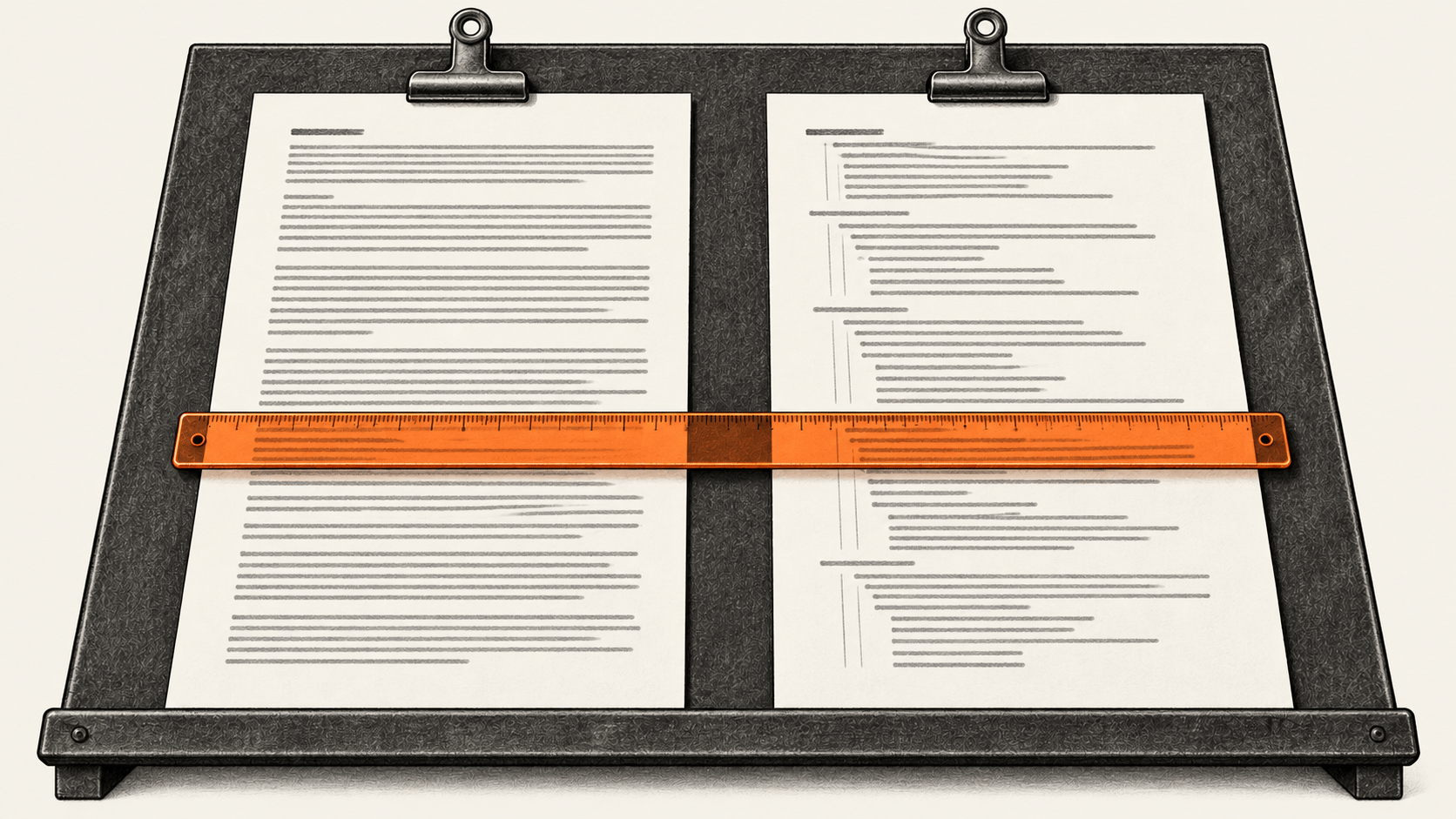
The Flora-TempSeg card describes a 9B segmenter that takes sampled video frames and a window prompt. It returns local interval coordinates and continuation flags, without action names. The surrounding data engine maps those coordinates back to the original video clock and joins fragments across overlapping windows. Its 20 Hz output coordinates are a representation, not a guarantee of 50 millisecond boundary accuracy.
The 27B captioner receives a selected interval, with nearby video context when available. It writes one English instruction for the operation attempted in that interval. The pipeline attaches the text to the reconstructed time span. The captioner itself does not find or revise the boundaries, and its instruction does not score execution quality.
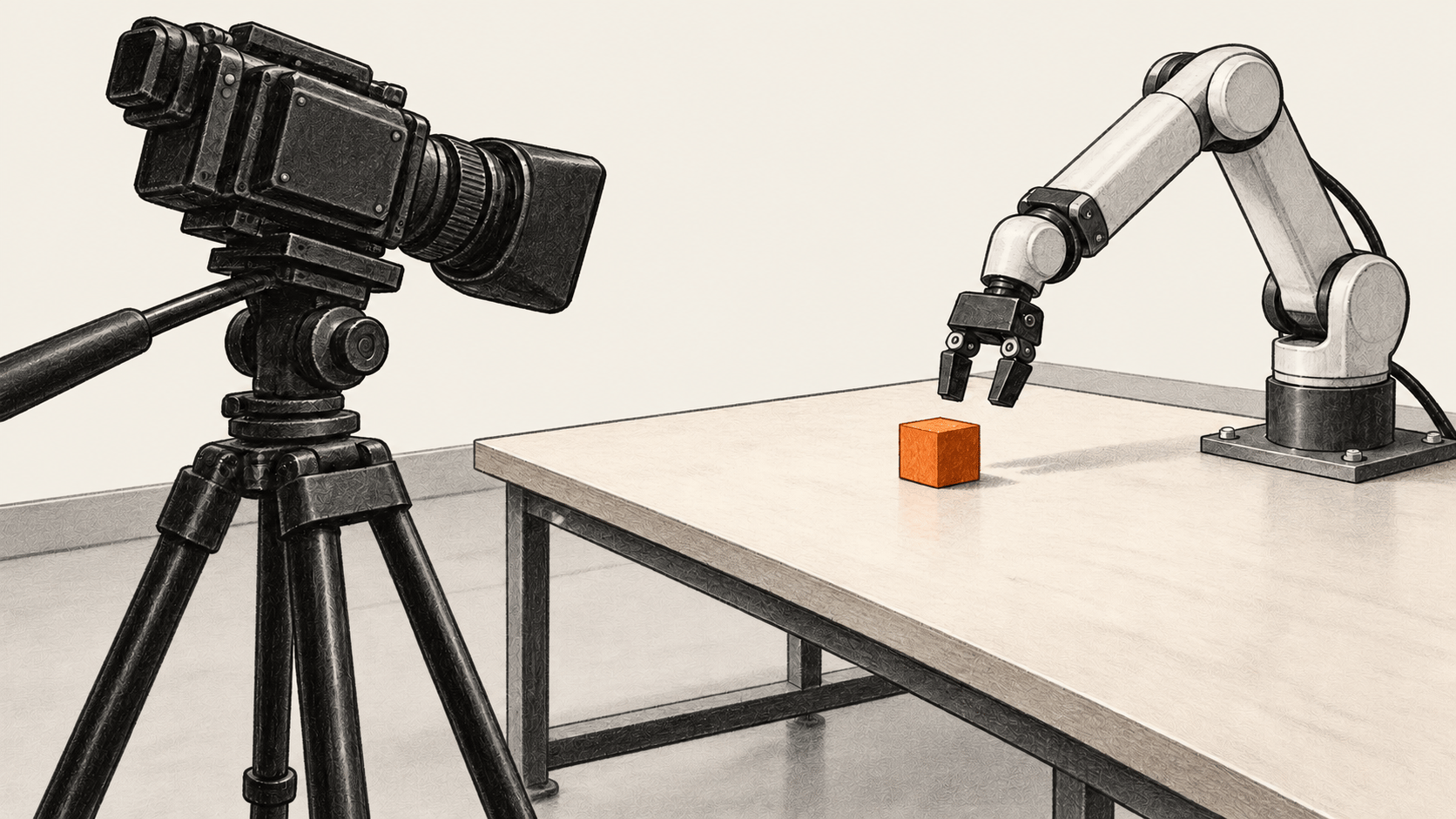
The separate Flora-Rewarder card describes episode outcome scores, shorter interval action-quality scores, and scores against a supplied rubric. Those are labels for evaluation, filtering, or training workflows. They are not physical control commands or a sole safety monitor.
What the cost comparison measures
In Figure 3 and Appendix D of NVIDIA’s paper, a fixed 50 episode subset yields an estimated $0.72 per hour of source video for Flora and a $88.49 known-usage API subtotal for GPT-6 Astra at maximum reasoning effort. Flora’s estimate models eight GB300 GPUs at $10 per GPU hour. The API calculation leaves some requests unpriced; the GPU estimate excludes storage and deployment overhead. The paper also says its comparison is not fully matched to one reference version. These figures help a team inspect the study’s assumptions; its approximately 125 times ratio is not a general quote for a different dataset or installation.
Access and the decision for research teams
The three model cards list a research and development release dated October 15, 2026. They specify Linux and NVIDIA GPU support and describe H100 evaluation hardware. The segmenter is a LoRA adapter for Qwen3.5-9B; the captioner and rewarder build on Qwen3.5-27B. Researchers need the matching base model, video preparation, and task prompts, as well as validation on their own recordings. The cards provide model weights and integration details, but this reporting did not run the pipeline or verify an end-to-end installation.
The cards place the NVIDIA models under its OneWay Noncommercial License. Its use limit covers research or evaluation; the cards explicitly exclude commercial and production use. A team choosing Flora should decide which of the three labels it needs, check the quality on its own video, and account for the hardware and license before adopting the research workflow.
The big change
- Flora makes segmentation, captioning, and reward labeling separately inspectable choices for robotics data work.
- The published cost advantage is an estimate for the paper’s fixed cohort and stated compute assumptions.
- Available weights support noncommercial research and evaluation under NVIDIA’s license.