Sompo Holdings and NTT signed a November 11 agreement to study physical AI in Japanese care services, announcing it November 12.
The big change
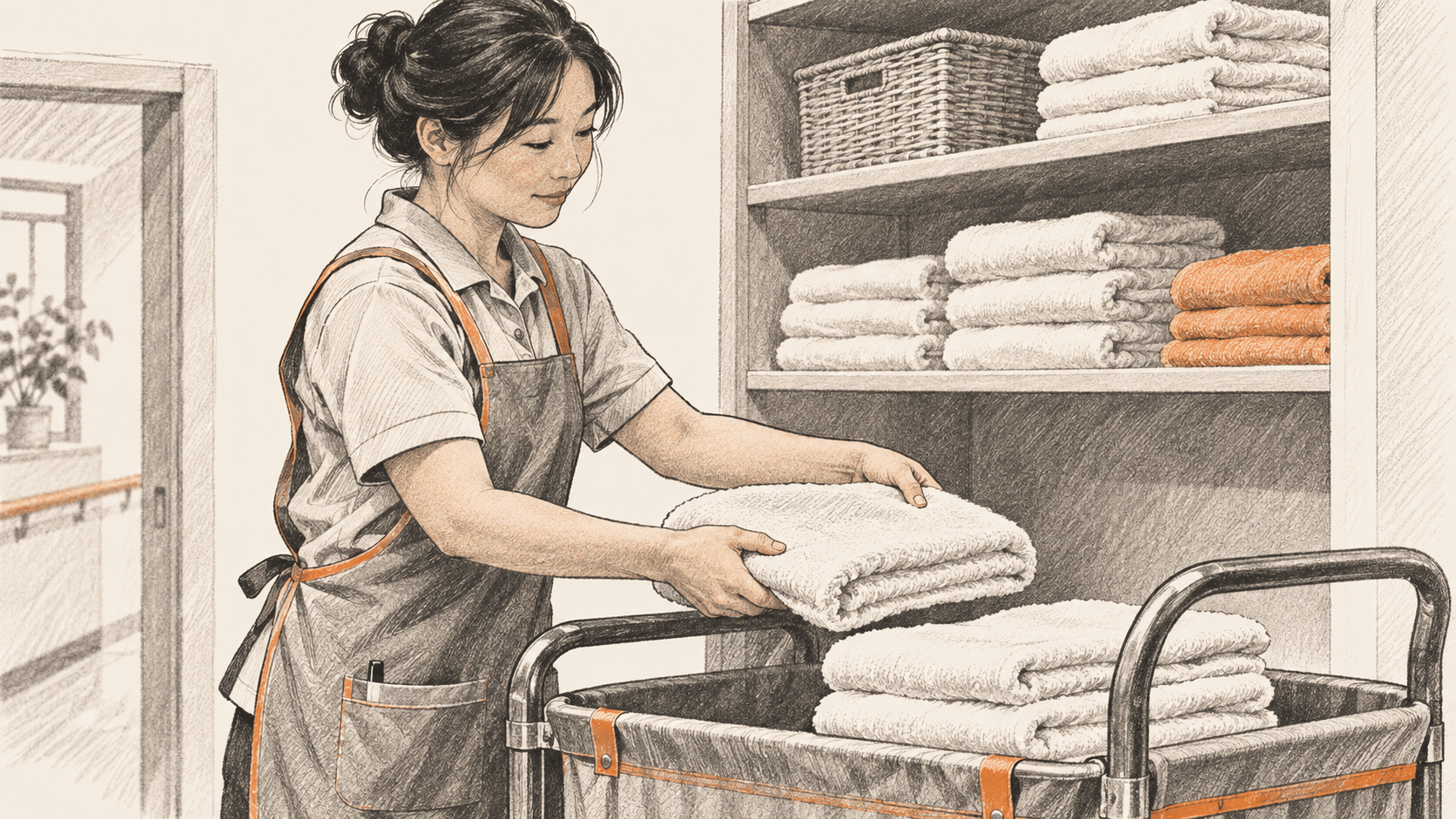
- The proposed starting tasks include cleaning, laundry, preparing and clearing meals, and transporting items. Direct physical assistance to residents is outside that initial focus.
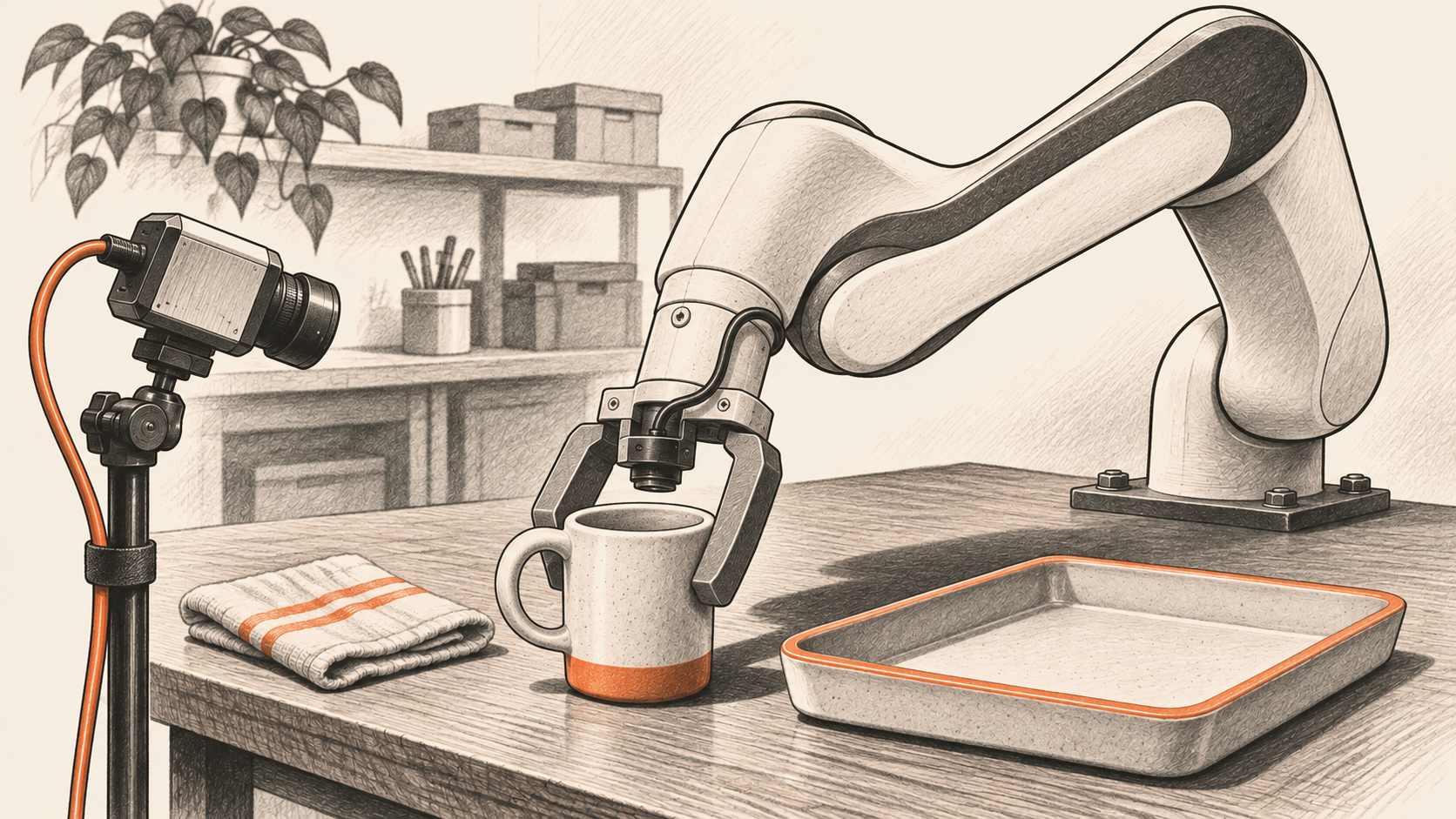
- Physical AI uses cameras or sensors to inform decisions that equipment turns into actions. The partners still have to define use cases, demonstrations and data handling.
- Technology need not replace a whole care role to be useful. The OECD describes tools supporting particular tasks, while warning that expensive equipment and doubts about acceptance can impede adoption.
Study before deployment
According to the joint announcement, Sompo will contribute care-operating experience and NTT communications, security and connected-system expertise.
The announcement names no robot, trial site, timetable or measured workload reduction. It leaves intellectual-property handling and commercialization roles to further work.
For an illustrative delivery task, moving an item is only one step: staff must load it and handle interruptions. Any claimed time saving would need to include that surrounding work.
Why the workforce context matters
Japan's health ministry estimated in 2024 that about 2.72 million care workers would be needed in fiscal 2040, compared with 2.15 million workers in fiscal 2022. The ministry calculated the needs from prefectural care-service plans; the difference is a comparison with the earlier workforce, not a count of vacancies today.
The ministry also describes a broader response that includes improving treatment, recruiting and training different groups of workers, reducing departures and preparing for foreign workers. Equipment is one possible part of a response to workforce pressure; the estimate does not show how many jobs technology could replace or how much time a particular device could save.
Supporting a task is not replacing care
The OECD workforce review offers a concrete distinction: meal-recording software supports planning and serving meals, while mobile lifts assist with positioning or lifting people. These illustrate the range of tools considered in that review.
A record helps organize information; a lifting device assists a physical movement. Neither example, by itself, establishes that the remaining work disappears. The OECD describes technology as supporting workers and older people rather than completely replacing care workers' work.
Its review also identifies cost and uncertainty about older people's willingness to engage with robots as obstacles. For buyers, that makes the relevant question whether a tool helps a particular care process sufficiently to justify its expense, training and use.
Data and people remain part of the decision
The separate OECD affordability review identifies privacy, data security and limited digital skills as barriers to care technology. It calls for better skills among workers and older people, and stronger trials to establish effectiveness.
For a prospective user, those concerns translate into questions to ask before adoption: what information is collected, who can access it, and when is it deleted? Staff also need to understand how to operate a tool and what to do when it does not behave as expected. These are evaluation questions, not assurances that any provider has resolved them.