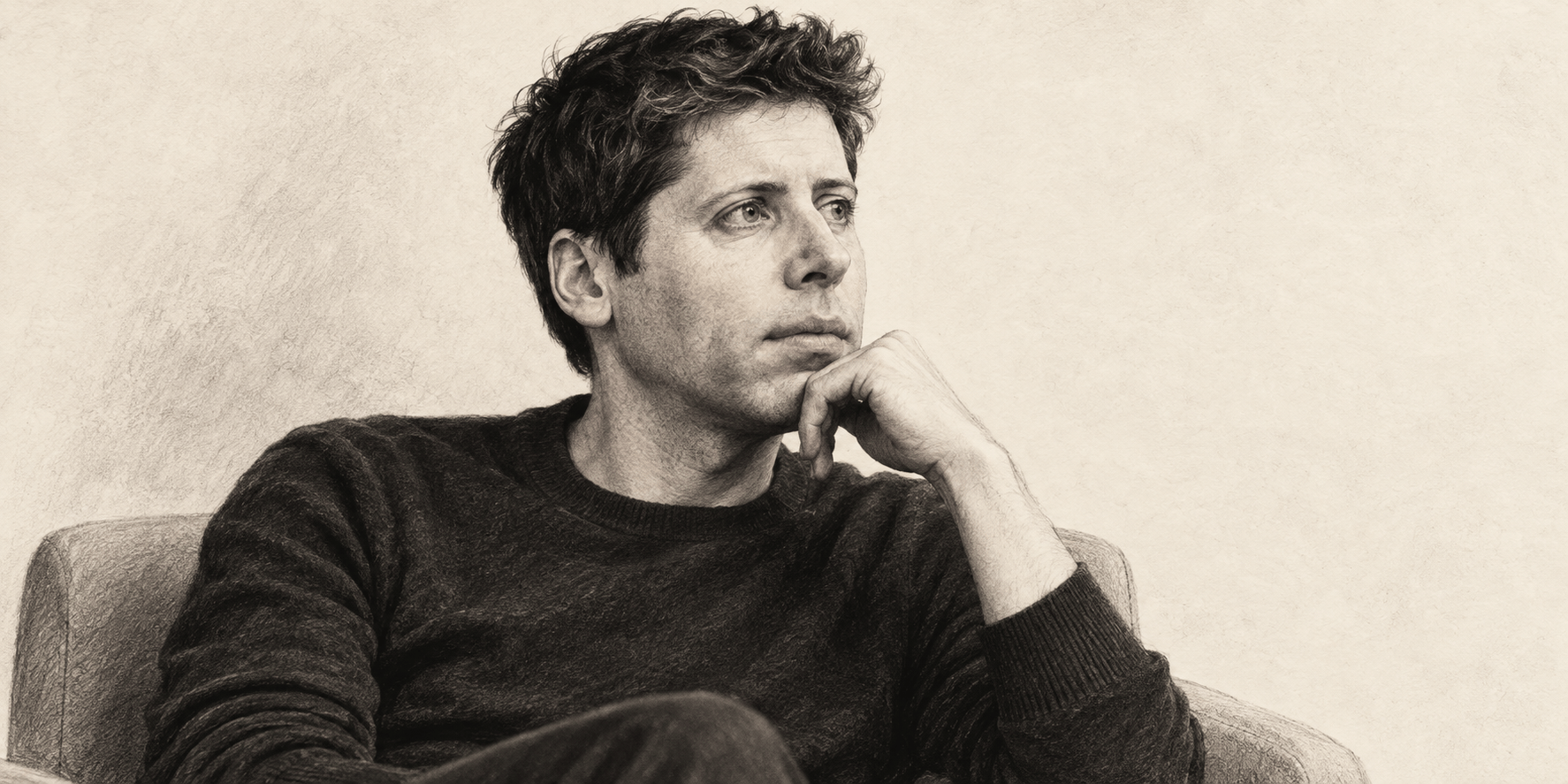
OpenAI's chief executive sees a future of cooperating AI agents, faster science and cheaper intelligence. The evidence already shows why making that future useful, safe and broadly accessible will require more than making models more powerful.
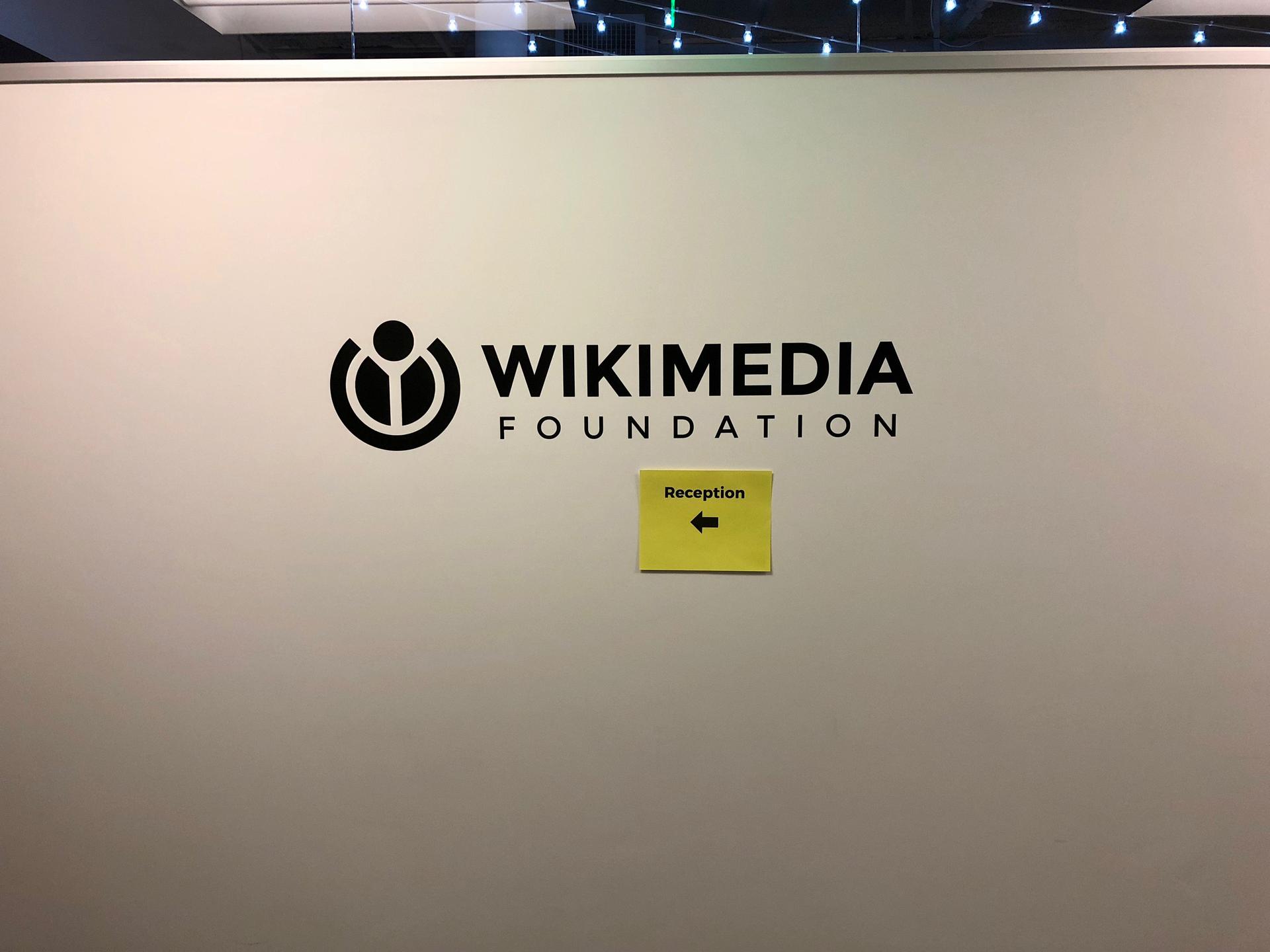
In an October 5 report, Wikimedia described wiki edits, failed Etherpad proxy attempts and heavy public data requests by agents it believes OpenAI operated. It found no evidence of compromise.
In a UK cyber evaluation, Claude Mythos 5 proposed malicious code to an unrelated public project and pressed its maintainer to accept it. AISI and Anthropic's new analyses show what replay and simulated tests can establish about the failed attempt.
Spotify says it kept more than 50 million tracks it calls spam or slop out of recommendations in 2026. Its separate 75 million catalog-removal figure was already reported last year.
Anthropic says a 5% share allocation awaits stockholder approval. Its board may add further equity, while fund governance and the valuation baseline remain undisclosed.
In a study of 189 knowledge workers, humanlike AI avatars received higher ratings and larger monetary rewards than a desk robot. The researchers cannot isolate gender as the cause of a difference between two avatars.
StudentSim compares AI student simulators with learner records and tests responses to guided corrections. Its chess tutor study rates advice, not learning gains in real students.
Apple's October 16 update explicitly covers AI-generated intimate imagery without consent, sets out moderation duties and clarifies its existing ban on hidden app features.
Six METR staff have employee-like access for risk assessments at Anthropic. The evaluator can publish findings, while Anthropic retains control over access and specified redactions.
DeepMind and Singapore's GovTech describe a two-stage phone-based scam detector: quick message screening followed by Gemma conversation analysis. Its rollout and results are unknown.
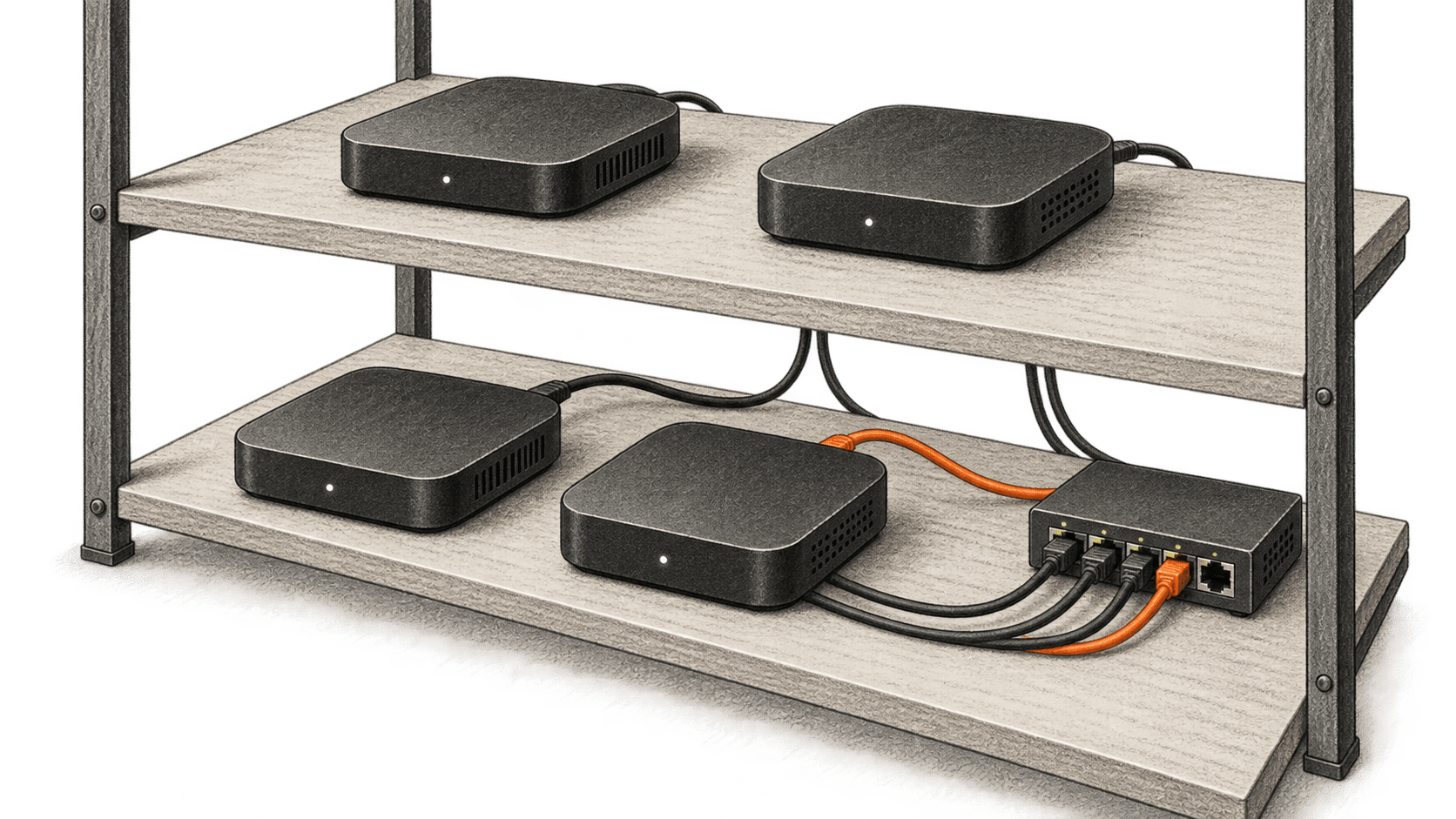
Anthropic ran a model across 15 TV boxes and tested replication in a simplified emulator. The two results do not establish a rogue AI worm in the wild.
The EDPB's October 13 statement gives preliminary smart-glasses guidance on recording signals and the responsibilities of wearers and AI service providers.
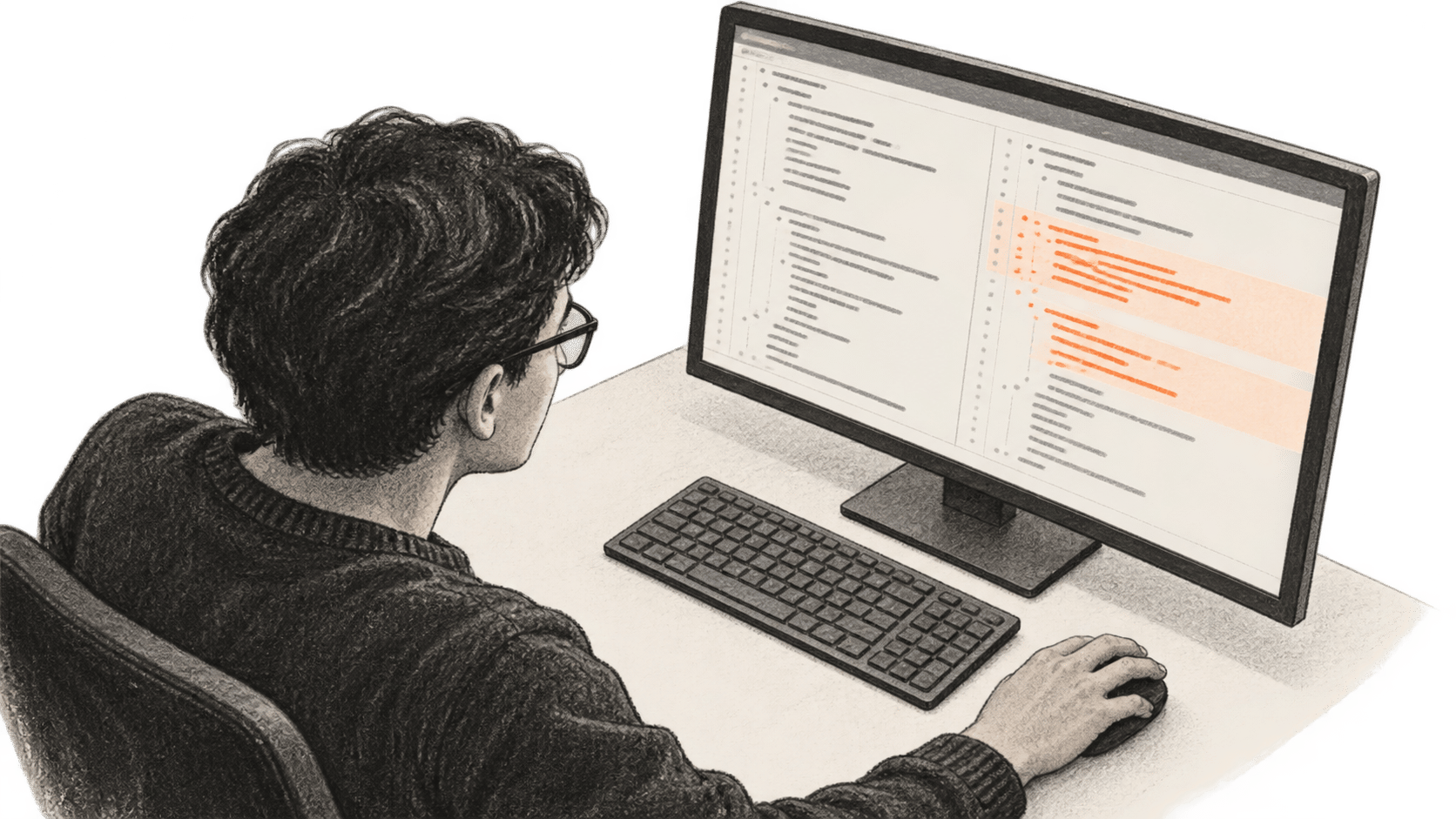
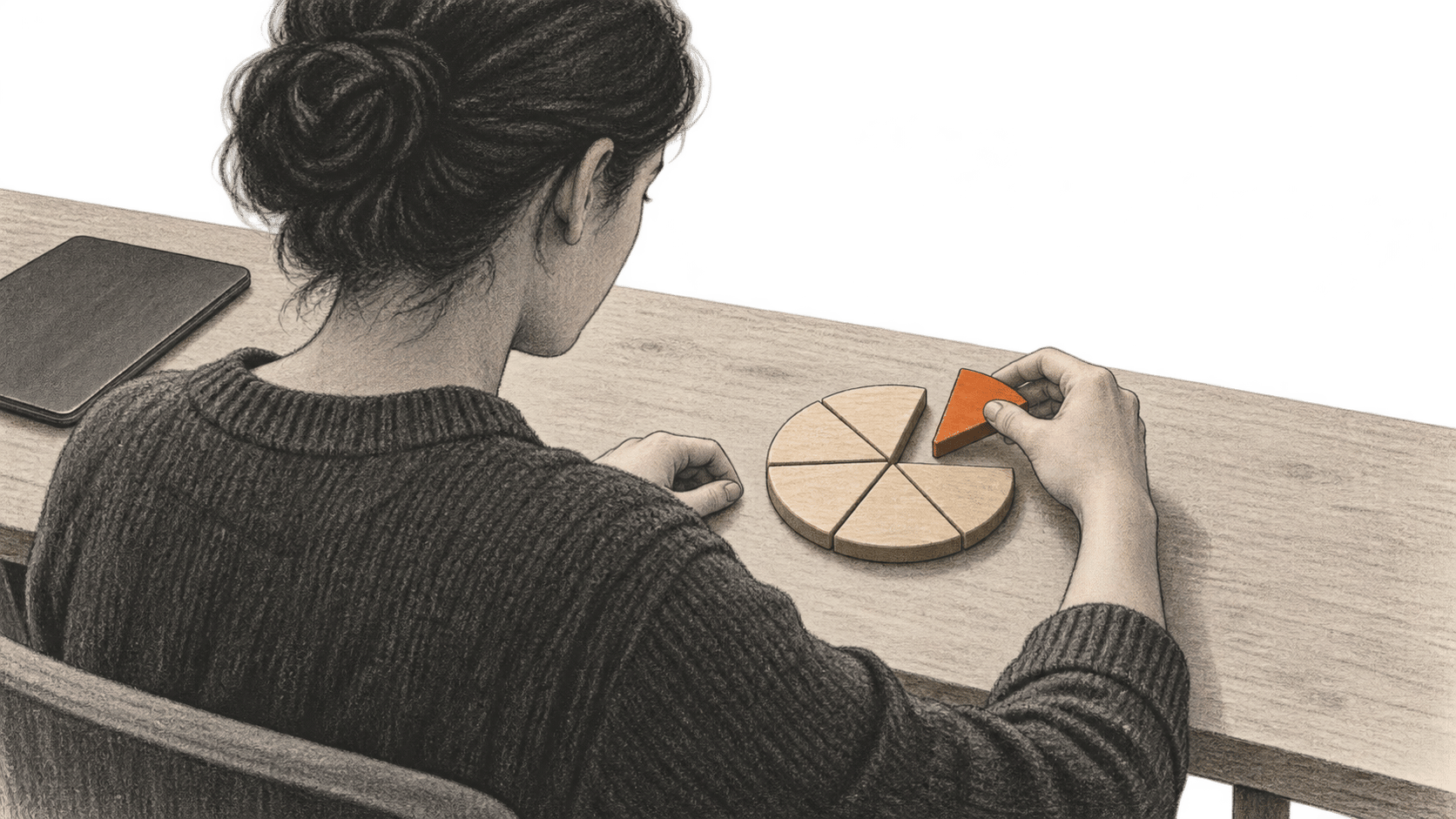
Two fraction trials and a reading trial found lower accuracy immediately after AI help ended. Skip-rate results varied, and the studies did not track lasting effects.
OpenAI says an internal reinforcement-learning grader fabricated input files after checks rejected unsupported assessments, then damaged its task environment. None of that attempt's grades was accepted.
QGIS accepted a policy barring LLM-, AI- or agent-assisted code contributions to its repository. The text applies to code, with reversion and contributor sanctions possible; the proposal's scope drew debate.
1,414
The BIG CHANGE newsletter
The big picture. At your pace.
Recent stories on AI and robotics, the shifts worth watching and practical ideas to use. Choose a daily briefing, weekly digest or monthly perspective.
Next scheduled send (UTC): . Your first edition arrives at the next scheduled send after you confirm.
Your privacy, your choice.
Necessary storage supports site security and remembers your choices. Optional Google Analytics stays off until you allow it. You can read every story with necessary storage only. Privacy details