THE WORLD IS NOT STANDING STILL.RSS
BIG CHANGE.
BIG CHANGE, one tap away

Make room for the big picture.

Add BIG CHANGE to your home screen or desktop. It opens in its own window, with the latest stories when you’re online.

iPhone & iPad
Open bigchange.ai in Safari. Tap Share, then Add to Home Screen. Turn on Open as Web App if shown, then tap Add.
Android
Open bigchange.ai in Chrome. In the browser menu, choose Install app or Add to Home screen.
Desktop
In Chrome or Edge, use the install icon in the address bar or the browser’s app menu. In Safari on Mac, choose File → Add to Dock.
All briefings

Follow the change ·

The day,
in perspective.

What happened in AI and robotics — and the change behind it. A reading path through 12 stories from BIG CHANGE.

Ordered using RADAR attention, story opens and likes. Excerpts from our published reporting; open a story for the full context and sources. Dates in UTC.

Original story: analysis

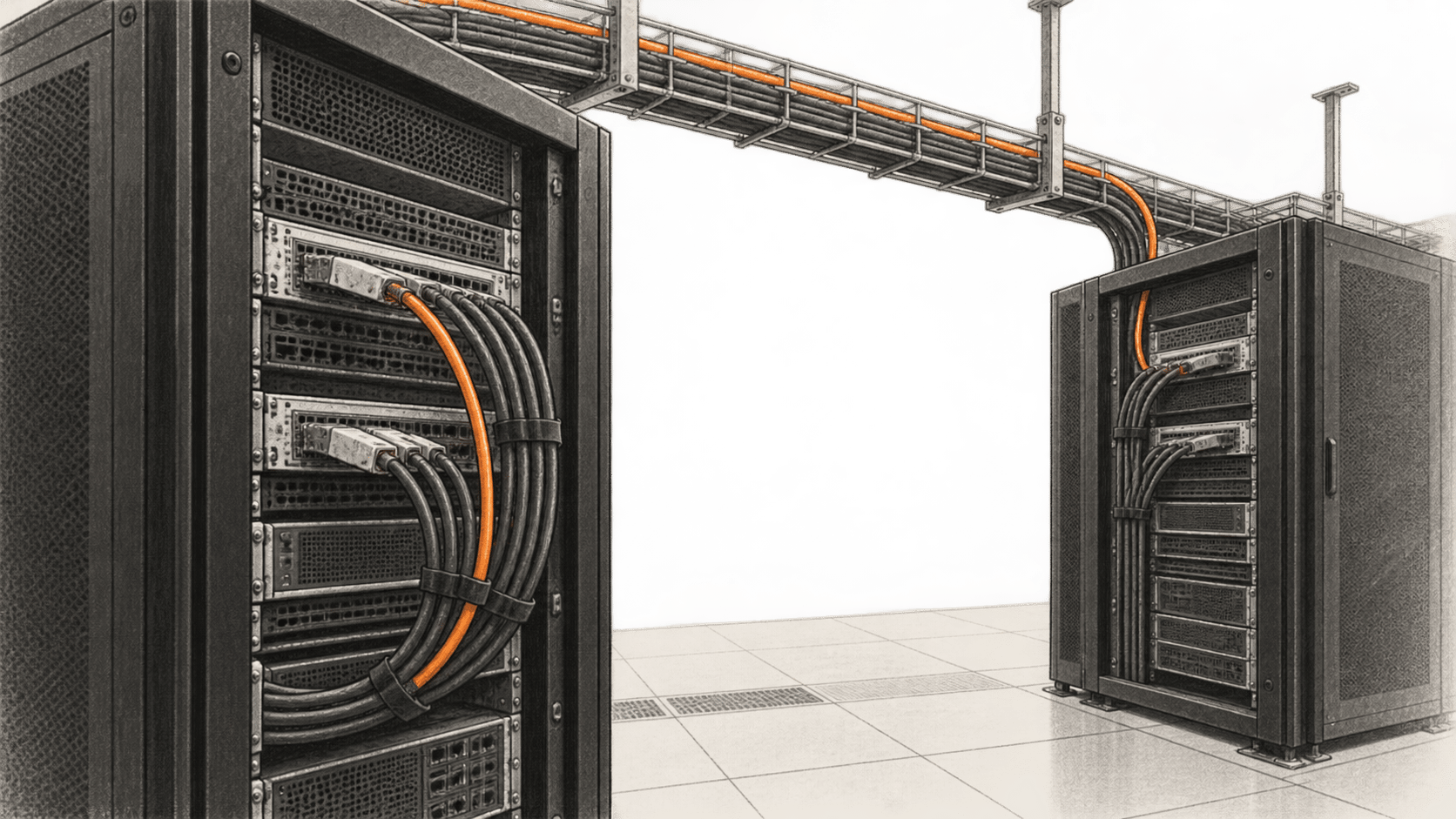
Lumentum says AI networking optics capacity is sold out into 2029

Lumentum's CEO says optical-component capacity is committed into early 2029. The reported figures concern different products; customer project effects remain unknown.

The big change

What changed: Hurlston now says Lumentum's optical-component capacity is sold out into early 2029. Bloomberg reported that six months earlier he expected capacity to sell out through 2028.

Why it matters: Optical parts are one input to the high-bandwidth connections between AI servers and network switches. Buyers planning those networks need to know whether the specific components they have qualified can be supplied on their schedules.

What remains unknown: Lumentum has not publicly identified the affected product quantities, customers or projects in the interview. Its figures do not establish an industry-wide shortage or a measured delay to AI data-center construction.

Read the full story
—
Back to the briefing
Original story: analysis

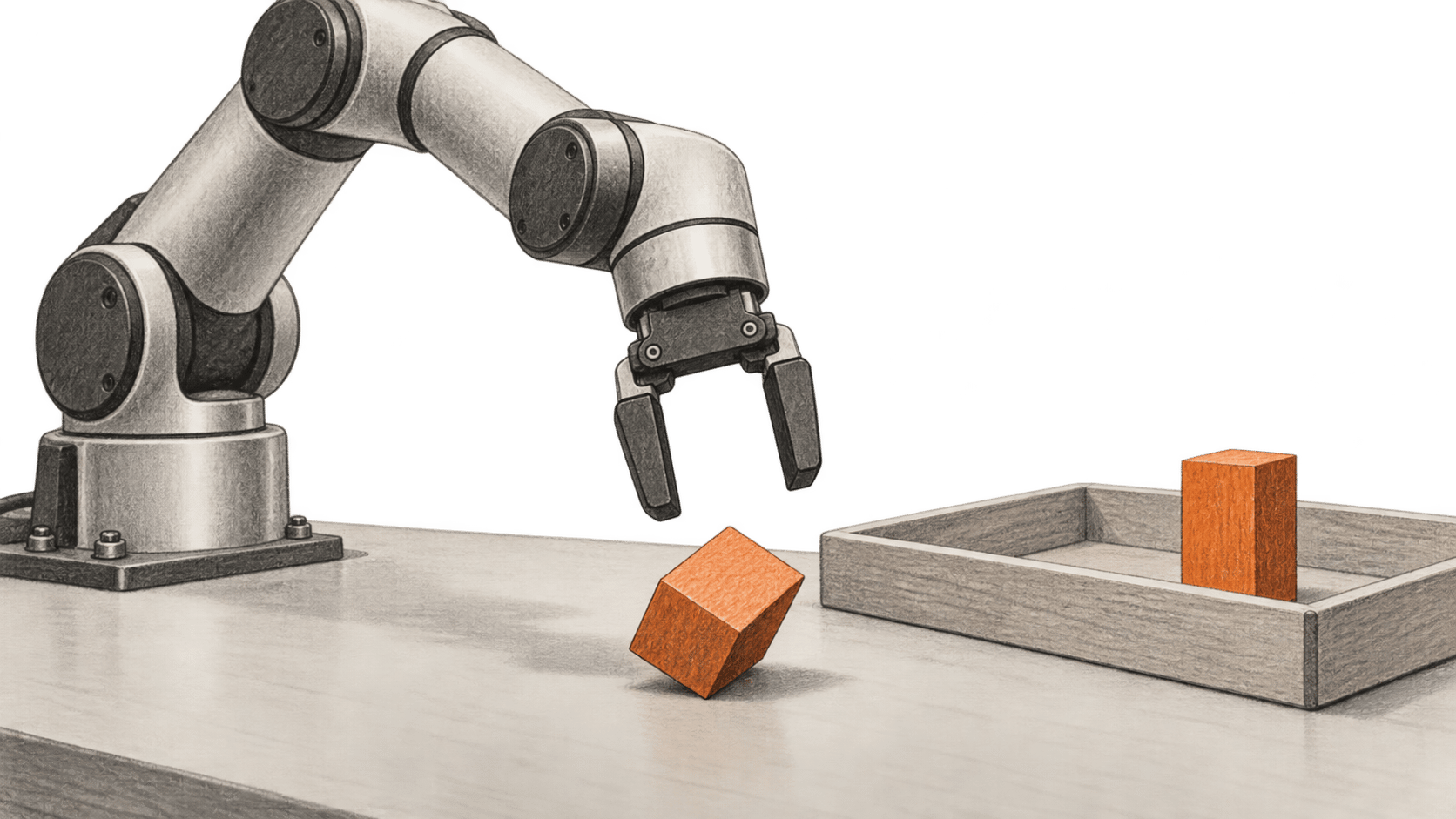
H-JEPA improves visual planning in simulated tasks with a hierarchical world model

H-JEPA's three-level planner raises simulated AntMaze success from 18% to 73% with less planner compute. Its real-robot-video results measure offline path fidelity, not robot task completion.

The big change

What changed: H-JEPA trains a stack of action-conditioned predictive models. Each level looks farther ahead in its own learned representation, and the planner turns the upper level's predicted states into subgoals for the level below.

Why it matters: In Visual AntMaze, the authors report 73.3% success for three-level planning against 18.0% for a flat baseline. Ablations indicate that shorter planning segments and a more useful high-level goal representation both contribute. A robotics team can study those two mechanisms separately instead of treating hierarchy as one indivisible improvement.

What to watch: The four task environments are simulated. The additional DROID test compares planned robot-arm paths with recorded expert paths; a closed-loop trial in varied physical settings would address a different, still-open question.

Read the full story
—
Back to the briefing
Original story: analysis

OGPO trains robot policies to recover from simulated action errors

An offline training method labels progress in robot trajectories and improves simulated manipulation results under several execution disturbances. Physical-robot reliability remains untested.

The big change

What changed: OGPO labels stages of recorded robot trajectories as reachable task-progress states, then uses those labels to reward actions that move a policy toward the next stage during offline training.

Why it matters: A policy that has learned the value of reaching an intermediate state may have more options when a grasp or motion goes off the demonstrated path. The paper tests that proposition in simulation; it does not establish reliability on a physical robot.

What to watch: Independent reproduction, results on physical manipulators, and tasks whose progress cannot be divided by gripper events would clarify the method's reach.

Read the full story
—
Back to the briefing
Original story: analysis

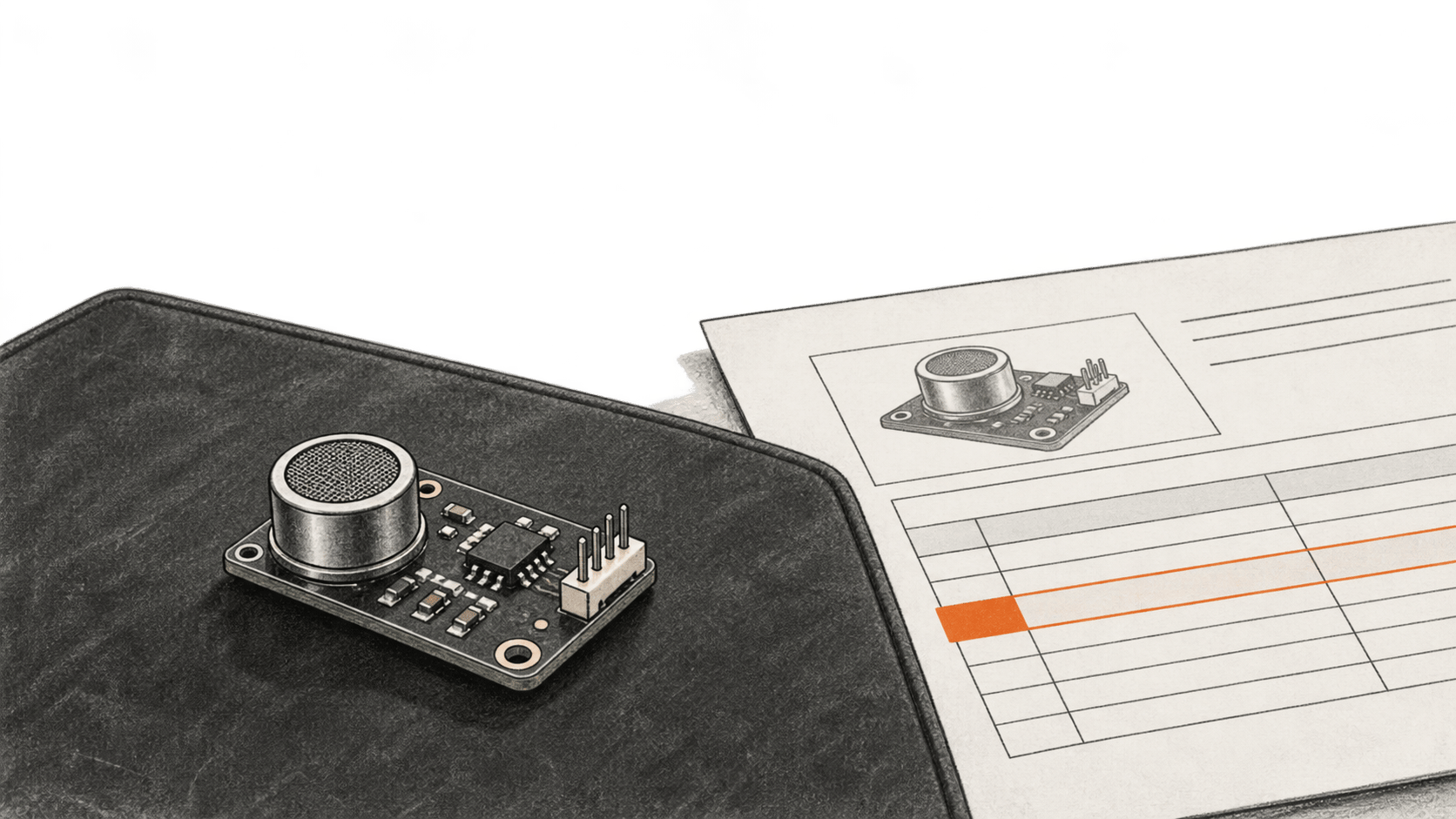
A staged AI pipeline extracts hardware specifications from datasheets

A two-author preprint reports that staged AI extraction produced more source-supported hardware specifications than a one-shot baseline across 20 datasheets. Figures and real design decisions remain untested.

The big change

What changed: The researchers split datasheet processing into bounded extraction, graph placement and repeated cleanup, instead of asking a model to produce the entire graph in one response.

Why it matters: An engineer looking up a component constraint needs the value, its operating conditions and a route back to the datasheet. The staged approach kept substantially more source-supported properties in this comparison.

What to watch: The reported scores come from 20 documents and a comparison against one one-shot baseline. Independent reproduction and tests in a real component-selection or verification workflow remain open.

Read the full story
—
Back to the briefing