What happened in AI and robotics — and the change behind it. A reading path through 26 stories from BIG CHANGE.
Ordered using RADAR attention, story opens and likes. Excerpts from our published reporting; open a story for the full context and sources. Dates in UTC.
Graphon seeks broader use for memory software; customer statements remain exploratory.
The big change
What happened: RRE Ventures led the round announced on November 10. Graphon plans to expand enterprise, developer and on-device offerings; funding does not establish that every product is ready.
Why memory matters: An assistant may need older emails and images to answer a new question. Retrieving relevant records gives the model evidence to examine, but finding a record and interpreting it correctly are separate challenges.
What to watch: Long-conversation tests examine whether a system recalls events and their timing. A benchmark score describes performance on those tasks, so buyers should also check answers against the records and conditions of their own work.
Eligible businesses can manage profiles and offer separate company-representing conversations, with limits on access and data sharing.
The big change
Business Hub supports eligible listings where verification is available. Agents require eligible US ecommerce or online service businesses with websites, claim approval and identity verification.
Customers choose labeled agent conversations separate from ChatGPT's answers. Current agents link out for purchases, bookings and order checks; they cannot complete those tasks.
OpenAI's policy requires an agent to identify itself as AI representing the business, rather than posing as a human or independent adviser. That distinction tells a customer whose offerings and interests the conversation represents.
Google expands access, with API prices doubling after November.
The big change
Who can use it: Paid developers can use Carbon through AI Studio or Android Studio; businesses have Gemini for business. Ultra subscribers are gaining access in the Gemini app, Search's AI Mode and Antigravity, Google's coding environment.
Why it matters: Google says it designed Carbon to work through difficult engineering problems over multiple steps. Following a bug across several files requires more than producing plausible code: proposed changes still need to be checked.
What to watch: Artificial Analysis measured different token use at Carbon's High and Medium reasoning settings. The cost of a completed task therefore depends on how much work the model performs, not just its advertised token price.
Apollo's parts-sorting pilot leaves reliability questions unanswered.
The big change
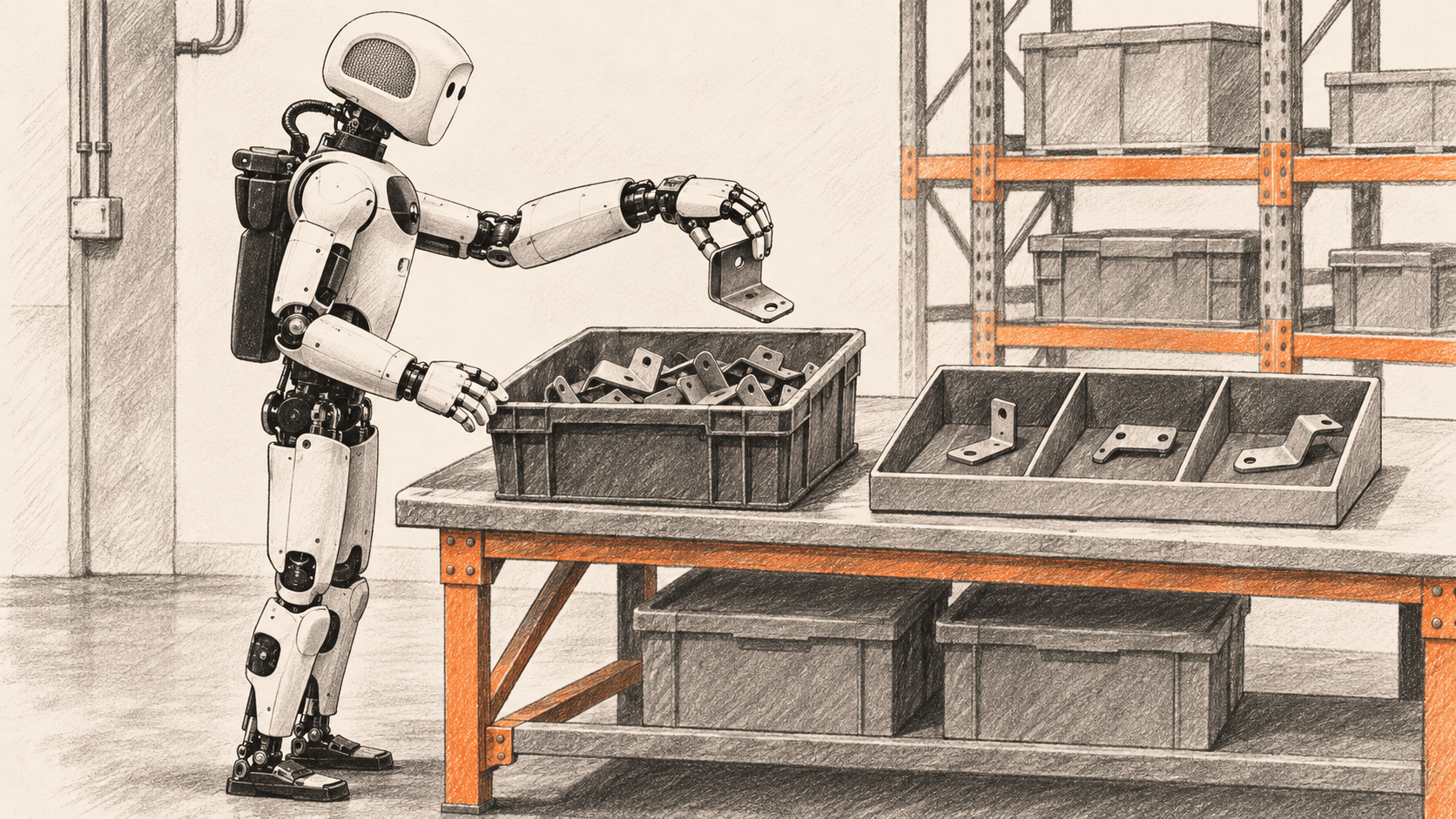
Google reports 96% success sorting metal brackets from bulk bins into sequencing containers on active production lines. Its embodied reasoning model tracked workflow, while Robotics 2.5 controlled hands and arms and corrected gaps.
Planning and movement are different jobs. Google's July model introduction described an embodied reasoning model that observes a scene, plans steps and tracks progress, paired with an action model that converts vision and language into motor control.
A success percentage needs a defined unit. Completing one pick and completing an entire kit are different measures; factory operators also need to know whether errors require someone to stop work and intervene.
Recent stories on AI and robotics, the shifts worth watching and practical ideas to use. Choose a daily briefing, weekly digest or monthly perspective.
Next scheduled send (UTC): . Your first edition arrives at the next scheduled send after you confirm.
Your privacy, your choice.
Necessary storage supports site security and remembers your choices. Optional Google Analytics stays off until you allow it. You can read every story with necessary storage only. Privacy details