THE WORLD IS NOT STANDING STILL.RSS
BIG CHANGE.
BIG CHANGE, one tap away

Make room for the big picture.

Add BIG CHANGE to your home screen or desktop. It opens in its own window, with the latest stories when you’re online.

iPhone & iPad
Open bigchange.ai in Safari. Tap Share, then Add to Home Screen. Turn on Open as Web App if shown, then tap Add.
Android
Open bigchange.ai in Chrome. In the browser menu, choose Install app or Add to Home screen.
Desktop
In Chrome or Edge, use the install icon in the address bar or the browser’s app menu. In Safari on Mac, choose File → Add to Dock.
All briefings

Follow the change ·

The day,
in perspective.

What happened in AI and robotics — and the change behind it. A reading path through 8 stories from BIG CHANGE.

Ordered using RADAR attention, story opens and likes. Excerpts from our published reporting; open a story for the full context and sources. Dates in UTC.

Original story: news

MiniMax releases H3-Image weights with territory limits

The model supports generation and editing under a restricted community license.

The big change

MiniMax says one checkpoint generates and edits images, accepts up to 16 references and produces roughly 16-megapixel results without upscaling.

Running the model requires planning accelerator memory. Hugging Face’s documented setup moves components between CPU and accelerator because they cannot fit together on its example GPU.

The community license limits both deployment and outputs geographically. Download access does not mean permission to operate a service everywhere.


Read the full story
—
Back to the briefing
Original story: news

Google tests Tabletop for group planning

A waitlisted experiment builds shared interactive planning tools.

The big change

Tabletop turns supplied material into shared interactive tools. Google describes inviting a group to use the resulting space simultaneously.

An invitation and a permission rule answer different questions. Before putting sensitive details into any shared tool, establish who can read or change them and what happens if its link is forwarded.

A waitlist is not immediate access. We could not verify Tabletop’s pricing, retention, training or human-review terms, and rules for other Google products should not be substituted.

Read the full story
—
Back to the briefing
Original story: news

AWS opens an agent evaluation framework

Test design matters when comparing agent behavior.

The big change

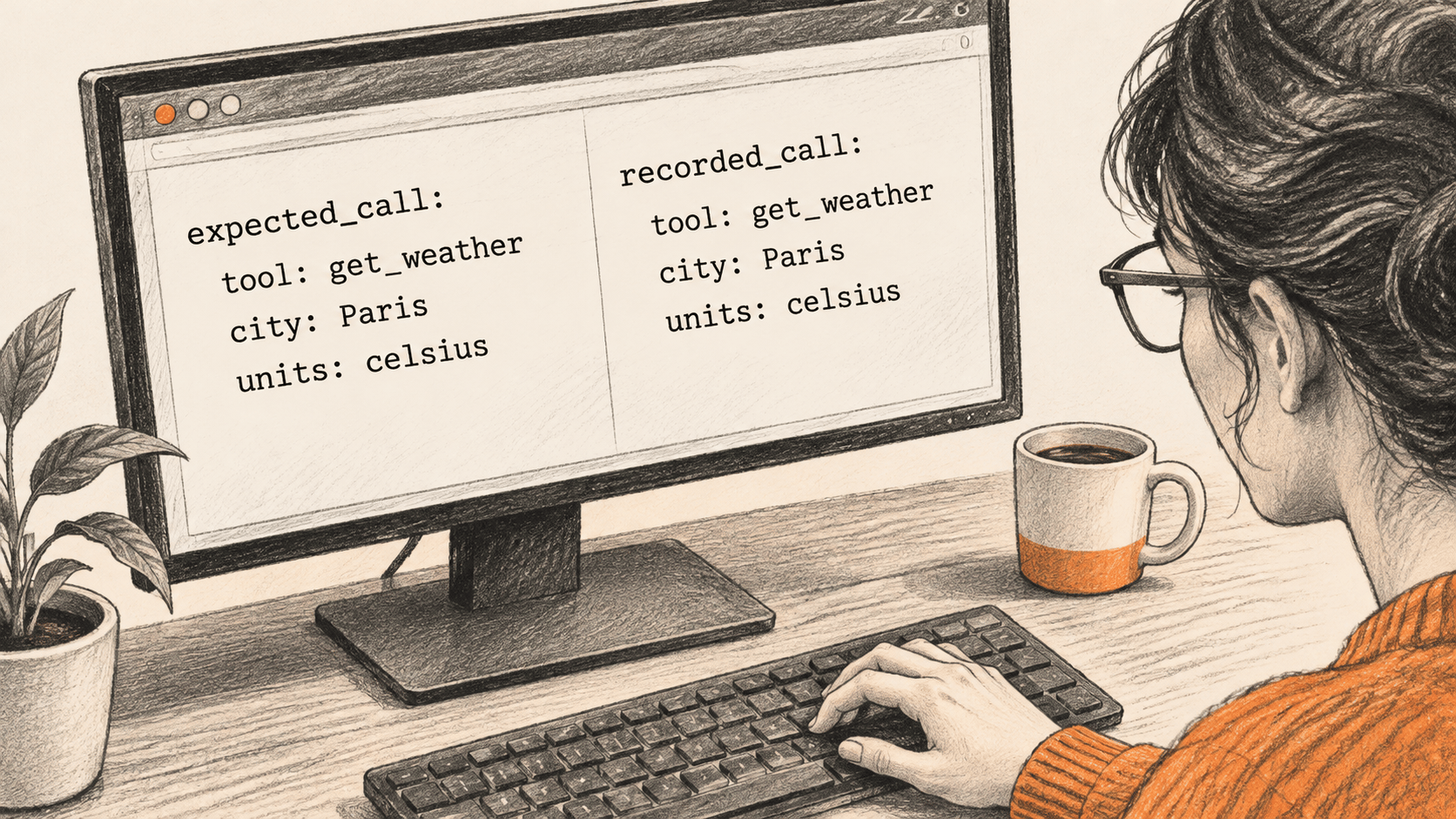
UAEF converts supported agent records into a common format before scoring them, allowing comparisons across frameworks.

Developers must choose tests that reflect the intended use. NIST recommends documenting the risks that are not measured as well as those that are, so gaps remain visible.

Automated judgments depend on their method and dataset. Research on information retrieval shows why agreement with human reviewers in one setting should not be assumed to transfer to another.

Read the full story
—
Back to the briefing
Original story: news

Google launches Gemini Decisions API

A new endpoint scores bounded choices against shared input.

The big change

The endpoint scores predefined answers rather than writing a prose response. Developers specify the question and use the result to choose what their software does next.

A confidence estimate is not permission to automate every case. The developer guide recommends setting thresholds with labeled examples from the application’s own traffic and weighing the costs of different errors.

Multiple questions do not form a conversation. They cannot see each other’s answers, so dependent decisions need application logic or a later request.

Read the full story
—
Back to the briefing
Original story: news

Oura agrees to acquire AI care provider Counsel Health

The pending deal builds on an existing care partnership.

The big change

The companies already connect wearable insights with Counsel’s medical AI and physicians. Their proposed expansion covers preventive, acute and ongoing care; the acquisition has not yet closed.

New connections receive 30 days of medical AI. Doctor access, or AI after the trial, requires the separate $159 annual upgrade. Existing paid subscribers retain their price pending renewal notice.

Onboarding requires sharing all listed Oura categories, without individual selection: these include sleep, activity, reproductive information and identifying details. Sending consultation information back to Oura is optional.

Read the full story
—
Back to the briefing
Original story: news

Hasbro and Dynamic Creatures plan interactive character robots

The proposed venue experiences would combine character behavior with mobile robotics.

The big change

Sixth Wall would supply character behavior; Dynamic Creatures would provide mobile, expressive robots. The aim is to connect a character’s conversation with its movements, gaze and gestures.

The partners imagine a resort character welcoming a guest, setting a quest and asking about it later. That continuing encounter is a proposed experience, not a demonstrated attraction.

Memory would depend on guest choice and permissions defined by venue and use case. The announcement leaves recognition, retained information and deletion unspecified.

Read the full story
—
Back to the briefing
Original story: news

Google previews Gemini for healthcare workflows

A US preview aims to connect records and administrative work under human oversight.

The big change

Google describes assembling authorization packets from chart evidence and payer policy, flagging missing documentation before submission. Traceable citations let a human reviewer inspect the supporting material.

Epic and Oracle Health integrations read records without writing back to the chart. Google describes human oversight, so retrieved information still requires professional review.

HHS guidance makes cloud privacy a shared responsibility. Covered entities using cloud providers to handle protected information need appropriate agreements and risk analysis; a supplier’s security features do not settle every deployment decision.

Read the full story
—
Back to the briefing
Original story: news

Red Hat makes its RHEL MCP server generally available

AI-assisted diagnostics gain supported access to system and performance data.

The big change

The server's default tools are read-only; optional guarded command execution, letting models generate and run scripts, remains in Developer Preview. Gathering evidence and authorizing changes are different decisions for an administrator.

Permissions still matter when an assistant only reads. The operational guide recommends restricting accessible log paths and granting accounts only the access their role requires.

Model configuration can determine whether a diagnostic session works. An earlier Red Hat lab encountered both throughput and spending limits, separate constraints that teams need to evaluate.

Read the full story
—
Back to the briefing