THE WORLD IS NOT STANDING STILL.RSS
BIG CHANGE.
BIG CHANGE, one tap away

Make room for the big picture.

Add BIG CHANGE to your home screen or desktop. It opens in its own window, with the latest stories when you’re online.

iPhone & iPad
Open bigchange.ai in Safari. Tap Share, then Add to Home Screen. Turn on Open as Web App if shown, then tap Add.
Android
Open bigchange.ai in Chrome. In the browser menu, choose Install app or Add to Home screen.
Desktop
In Chrome or Edge, use the install icon in the address bar or the browser’s app menu. In Safari on Mac, choose File → Add to Dock.
All briefings

Follow the change ·

The day,
in perspective.

What happened in AI and robotics — and the change behind it. A reading path through 9 stories from BIG CHANGE.

Ordered using RADAR attention, story opens and likes. Excerpts from our published reporting; open a story for the full context and sources. Dates in UTC.

Original story: news

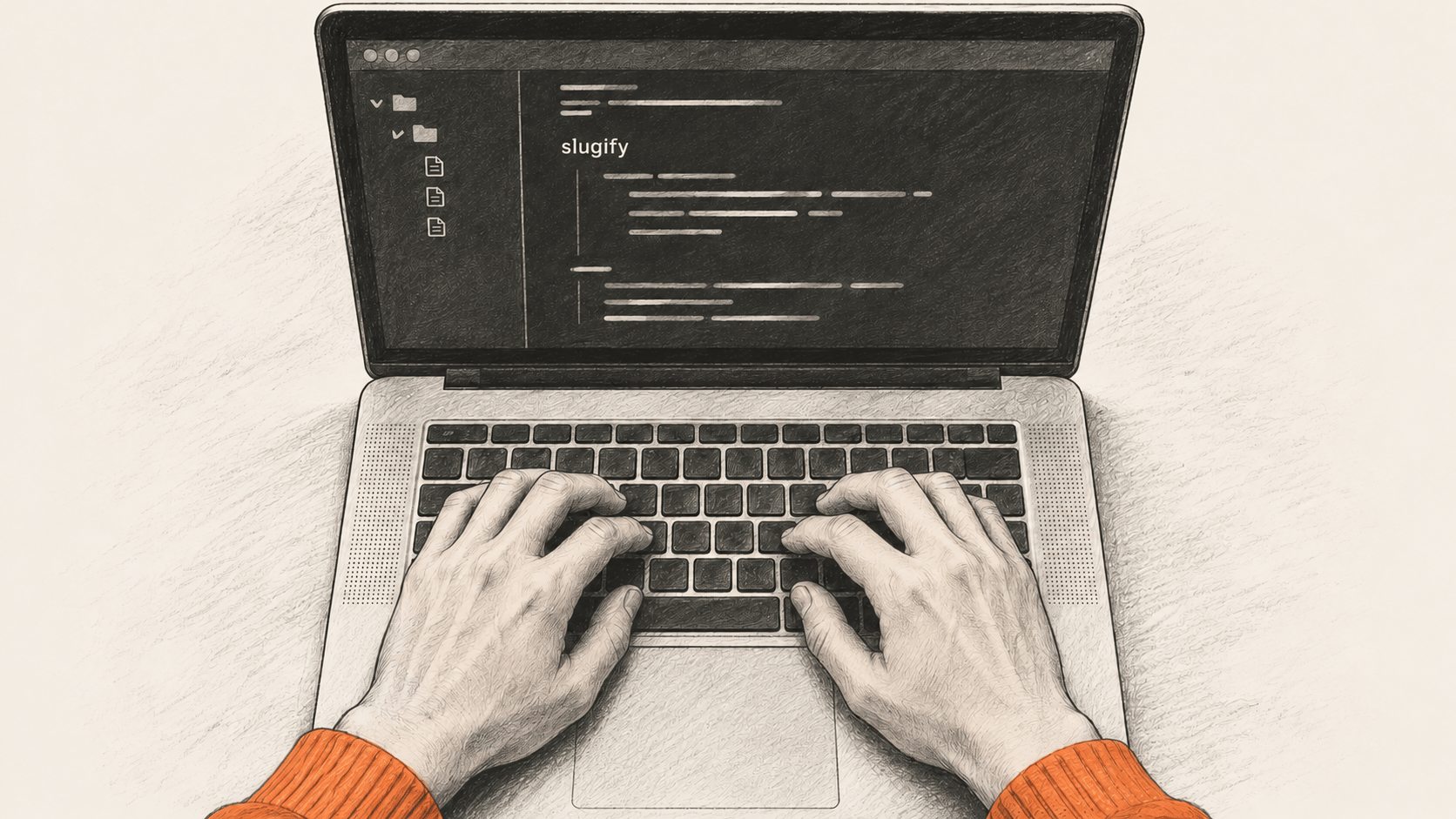
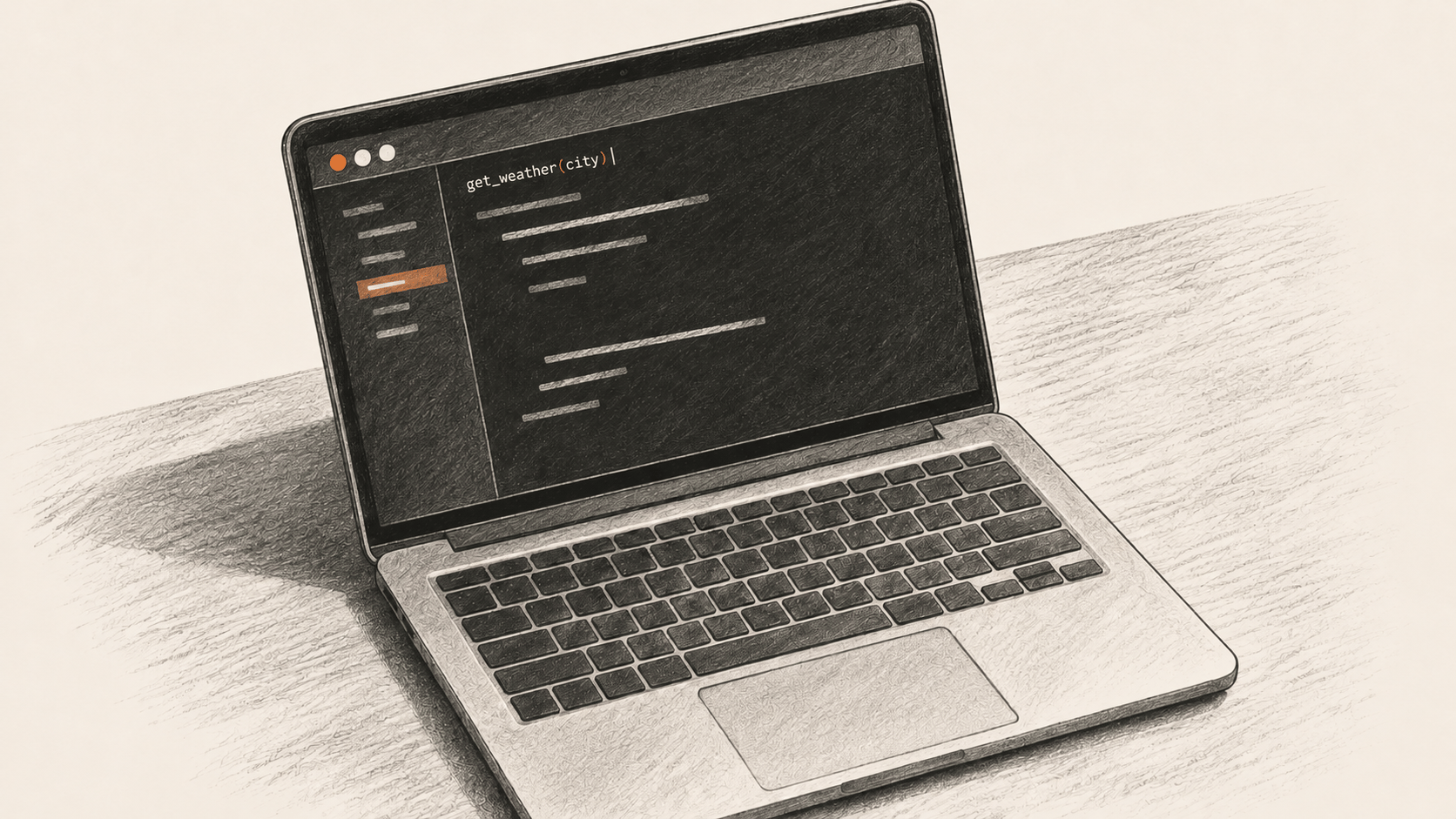
LangChain raises $300 million for agent platform

The company plans to expand tools for building and operating agents.

The big change

LangChain’s framework helps developers assemble applications around language models. Its current product family also addresses what happens when those applications need to run, be observed and be assessed over time.

LangGraph helps developers coordinate multi-step work with state and control over the next step. LangSmith provides tools to inspect and evaluate agent runs, including applications built with other frameworks.

The investment and valuation indicate what backers agreed to finance, not a measured improvement in any customer's AI system. LangChain has announced a November 20 event for additional capabilities; those future announcements should not be treated as features already released.

Read the full story
—
Back to the briefing
Original story: news

Tesla invites personal Cybercab orders

A reported subscription and service area limit shape the offer.

The big change

An invitation to order is different from receiving a vehicle. The report establishes an offer to selected customers, while the delivery estimate remains a promise about a later step rather than evidence of a completed handover.

Drive Tesla reports a required $299 monthly subscription, the first month included and a $1,000 non-refundable deposit. Buyers therefore need to distinguish the vehicle price from the continuing expense of using it.

Tesla's terms restrict operation to supported areas. A geofence is a geographic service boundary; buying the vehicle does not remove it, so a buyer should check whether ordinary journeys fit the permitted area.

Read the full story
—
Back to the briefing
Original story: news

AWS coding-agent routing sample

Experimental routing needs whole-task evaluation.

The big change

AWS supplies a comparison method, not demonstrated savings. Failed attempts count toward cost even when they do not produce a solved task.

NVIDIA separates routing decisions from the software that calls models. Choosing a destination does not itself manage credentials, retries or the surrounding service.

LiteLLM's key-management documentation separates model access from administrative permissions. A gateway credential needs an appropriate scope, not simply a valid format.

Read the full story
—
Back to the briefing
Original story: news

Blueberry grower weighs automation

Existing machines and proposed AI have different roles.

The big change

Its tractors navigate themselves, but the latest harvester is remotely controlled. Collecting fruit and navigating without a driver are different capabilities; one does not establish the other.

The grower proposes AI-guided harvesting and pruning, not an operating pruning robot. A plan for a machine to make decisions still needs evidence that it can make the right ones.

Hand pickers remain important, with at most half the crop destined for machines, the grower says. The practical question is which tasks change, rather than whether a farm becomes entirely worker-free.

Read the full story
—
Back to the briefing
Original story: news

Claude Meetings enters beta

Claude brings drafting into meetings.

The big change

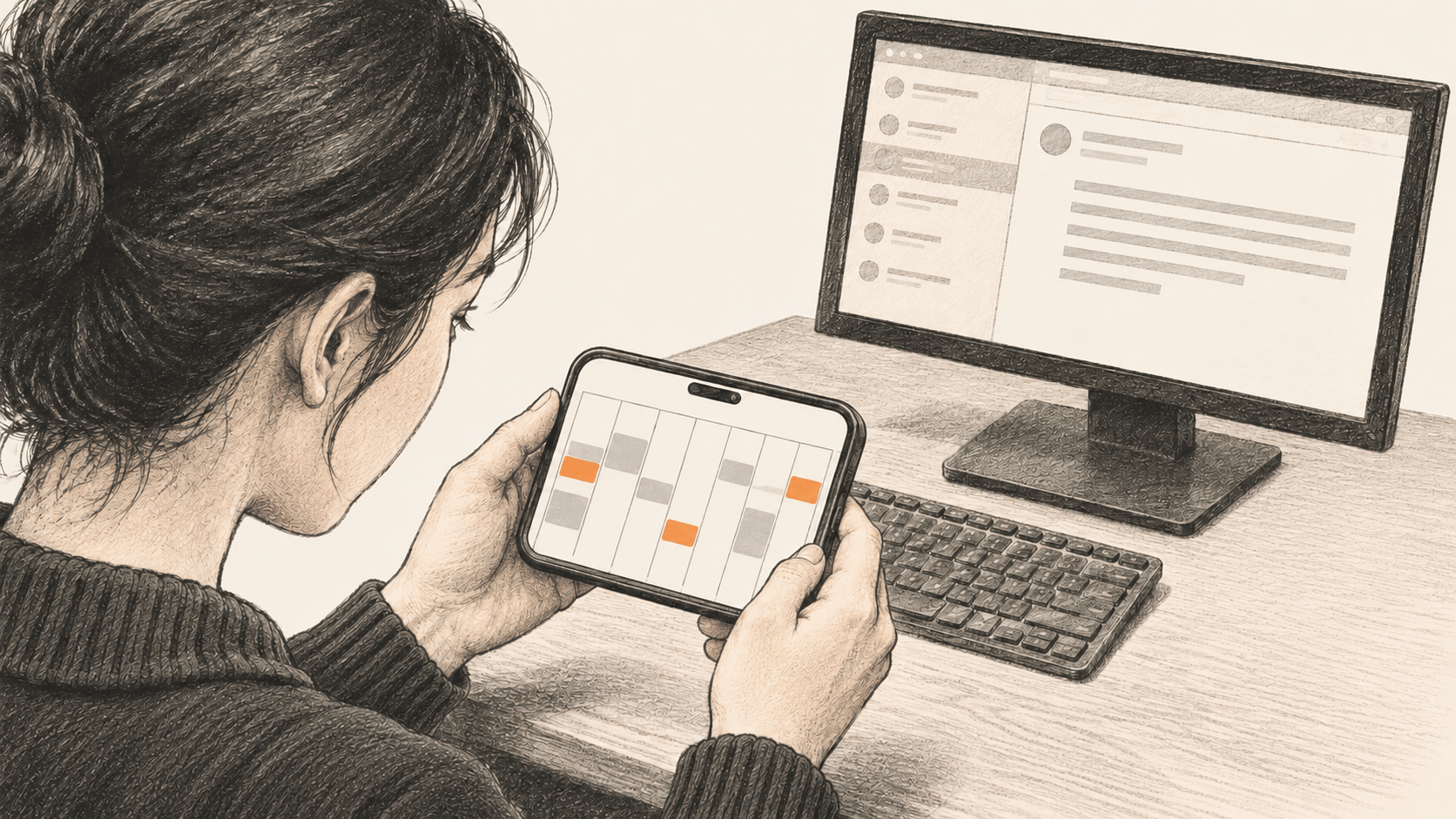
Claude drafts material while people talk. Teams can review it together before treating the result as an agreed decision.

A meeting assistant introduces another recipient of the conversation. Participants need to understand what is being captured before they speak; a visible notice should not be mistaken for everyone's agreement.

Permission to attend, permission to retrieve information and permission to see the resulting record are different questions. Teams should resolve each before discussing sensitive material or bringing another service into the conversation.

Read the full story
—
Back to the briefing
Original story: news

Neuro-VL brain-imaging study

Research tests scan interpretation.

The big change

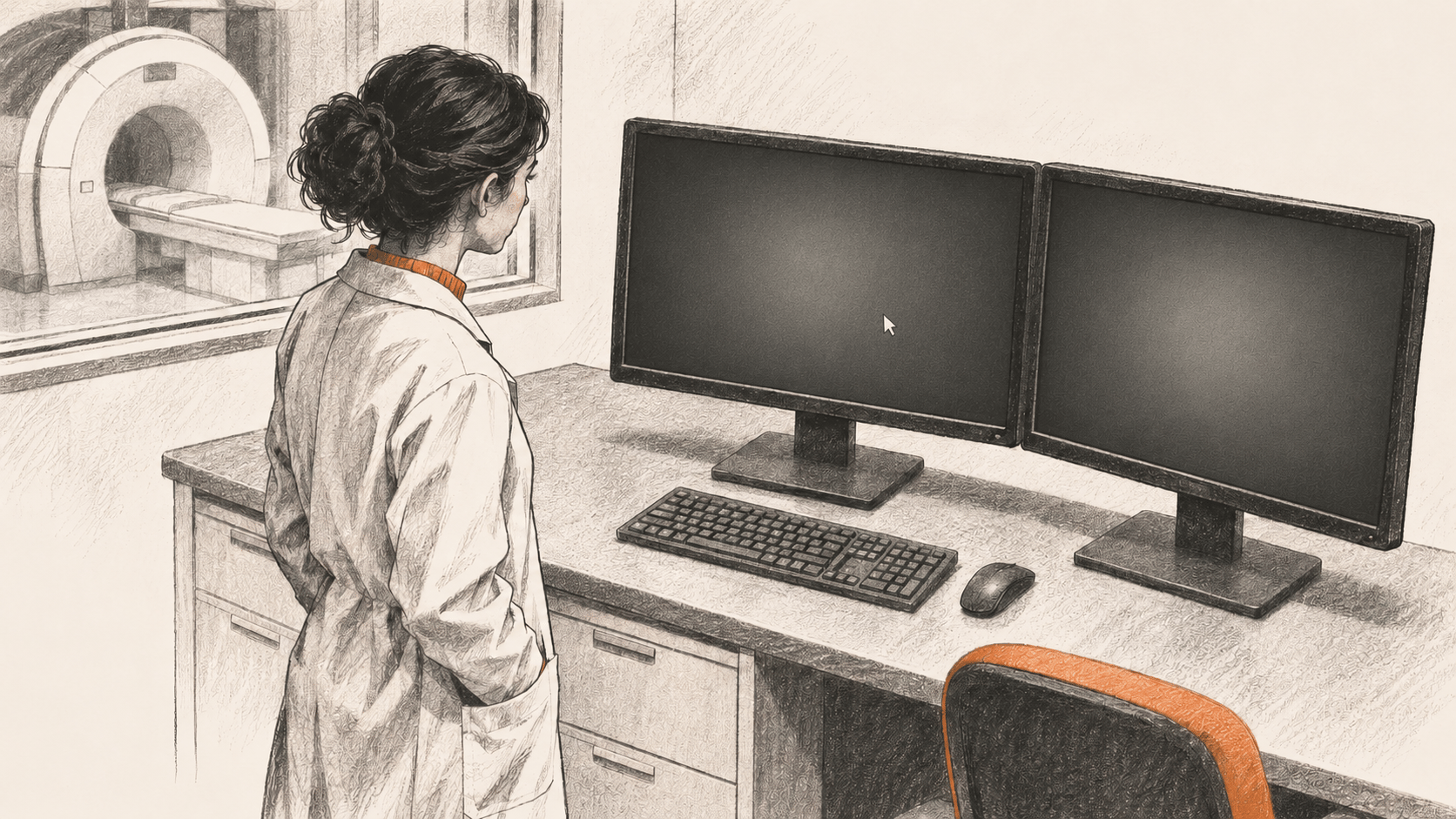
Neuro-VL answers questions about MRI and CT examinations. Its reported comparisons concern research tasks, not demonstrated improvements in care.

A radiology report connects observations with their possible meaning. This distinction matters when reading an interpretation: a description and a clinical conclusion are not interchangeable.

A separate chest X-ray deployment study found lower performance than laboratory testing. Its findings show why a fixed test collection cannot settle performance in another workflow.

Read the full story
—
Back to the briefing
Original story: news

Testing agent histories against reality

Controlled experiments distinguish records from effects.

The big change

The researchers separated what an agent was told from what the system stored. Their controlled tests do not establish production failure rates.

AppWorld checks whether simulated applications actually reach the requested state. This makes it possible to distinguish a convincing completion message from a task completed correctly.

A failed connection does not necessarily mean a failed operation. Stripe's retry guidance explains how supported requests can avoid repeating an effect that already happened.

Read the full story
—
Back to the briefing
Original story: news

Dyania and Nvidia target hospital records

The companies plan hospital-hosted clinical record analysis.

The big change

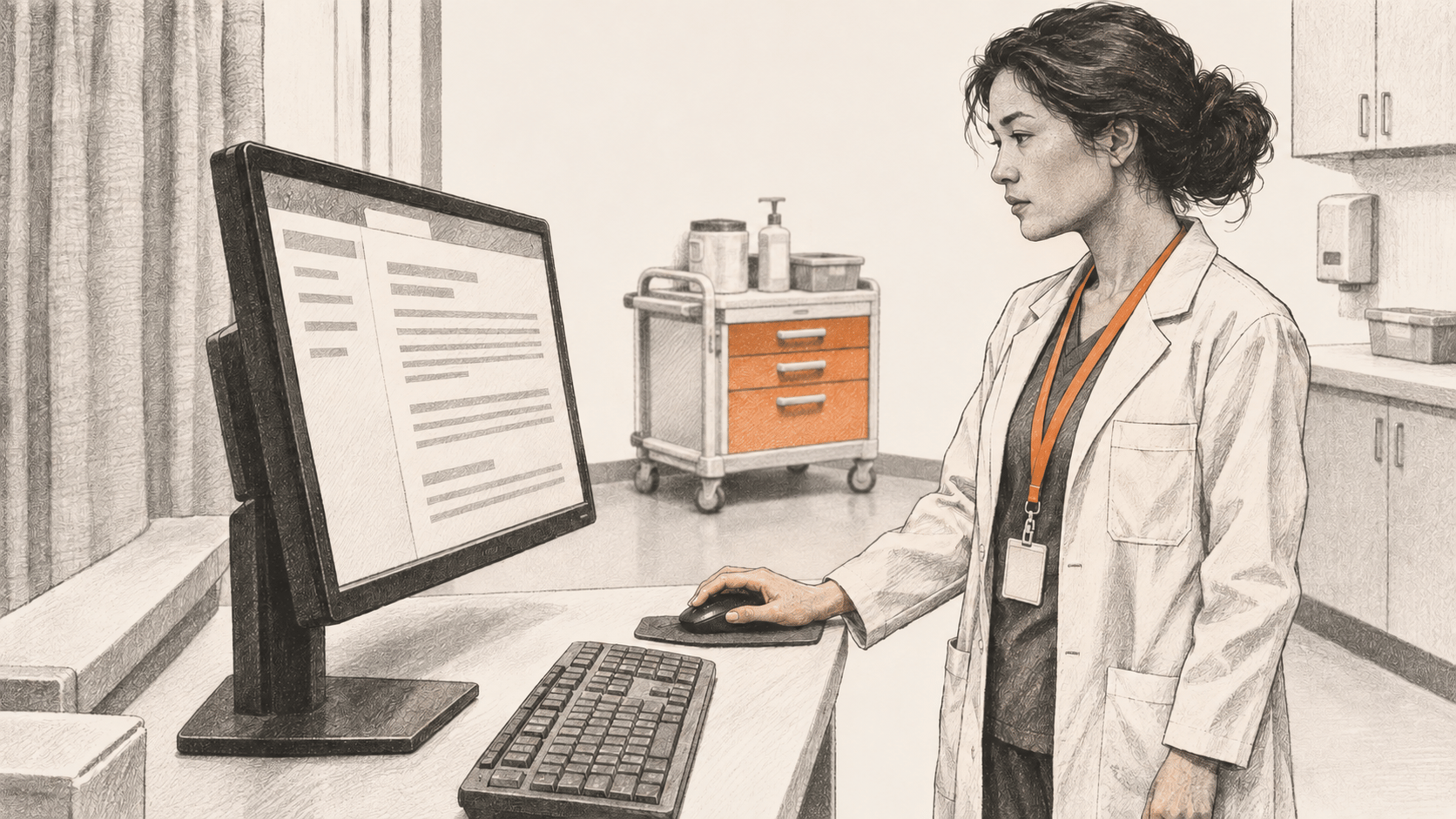
Synapsis links findings to chart evidence for clinicians to review. The important distinction is between locating information and deciding what it means: a suggested finding is not a final medical decision.

Keeping processing within an institution does not automatically make an application safe. A hospital still needs to decide who may access records, monitor use and check whether the system performs adequately for its intended task.

Earlier trial screening produced potential candidates, followed by clinical review and enrollment. That sequence matters: identifying a possible match does not mean a patient qualifies, enrolls or benefits from treatment.

Read the full story
—
Back to the briefing