THE WORLD IS NOT STANDING STILL.RSS
BIG CHANGE.
BIG CHANGE, one tap away

Make room for the big picture.

Add BIG CHANGE to your home screen or desktop. It opens in its own window, with the latest stories when you’re online.

iPhone & iPad
Open bigchange.ai in Safari. Tap Share, then Add to Home Screen. Turn on Open as Web App if shown, then tap Add.
Android
Open bigchange.ai in Chrome. In the browser menu, choose Install app or Add to Home screen.
Desktop
In Chrome or Edge, use the install icon in the address bar or the browser’s app menu. In Safari on Mac, choose File → Add to Dock.
All briefings

Follow the change ·

The day,
in perspective.

What happened in AI and robotics — and the change behind it. A reading path through 24 stories from BIG CHANGE.

Ordered using RADAR attention, story opens and likes. Excerpts from our published reporting; open a story for the full context and sources. Dates in UTC.

Original story: news

NVIDIA reports $107.6 billion in quarterly Data Center revenue

Hardware revenue records a seller meeting an accounting obligation. It does not, by itself, establish when a customer’s full AI service becomes operational.

The big change

NVIDIA groups sales by business segment and by market platform, which includes Data Center.

Microsoft’s latest disclosures show heavy spending continuing while some expected capacity deliveries slipped.

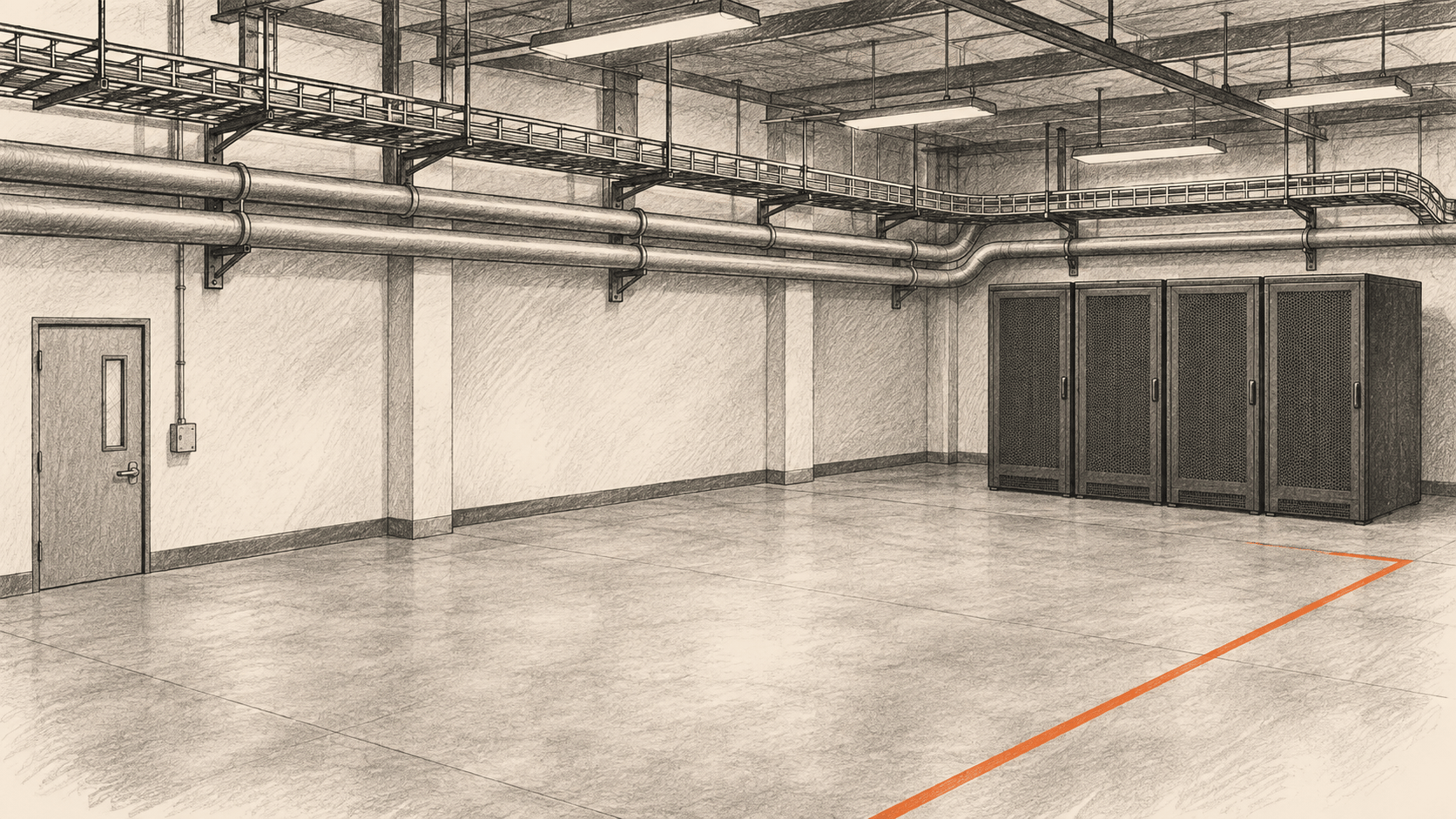
Estimating electricity demand requires installed equipment, operating intensity and facility overhead.

Read the full story
—
Back to the briefing
Original story: news

Signal adds screen controls against OS-level AI assistants

Signal’s new controls address AI screen reading. Encryption and permissions on a receiving device protect different boundaries.

The big change

Signal’s controls give supported iPhones a default block; Android activation follows detection of an assistant’s attempted screen access.

Screen context can be an input to an assistant’s answer. Google’s documentation shows that input can contain a screenshot or visible text, rather than just an app’s name.

Apple’s Mac manual describes an exclusion list for Siri, Search and suggestions. Restricting access also removes those app integrations, making this a choice about an assistant’s reach.

Read the full story
—
Back to the briefing
Original story: news

Oracle says funding is secured for its OpenAI contract

The assurance leaves financing details and physical delivery as separate checks.

The big change

Oracle says it has secured the contract’s funding, so further vendor-financing talks are optional rather than necessary for delivery.

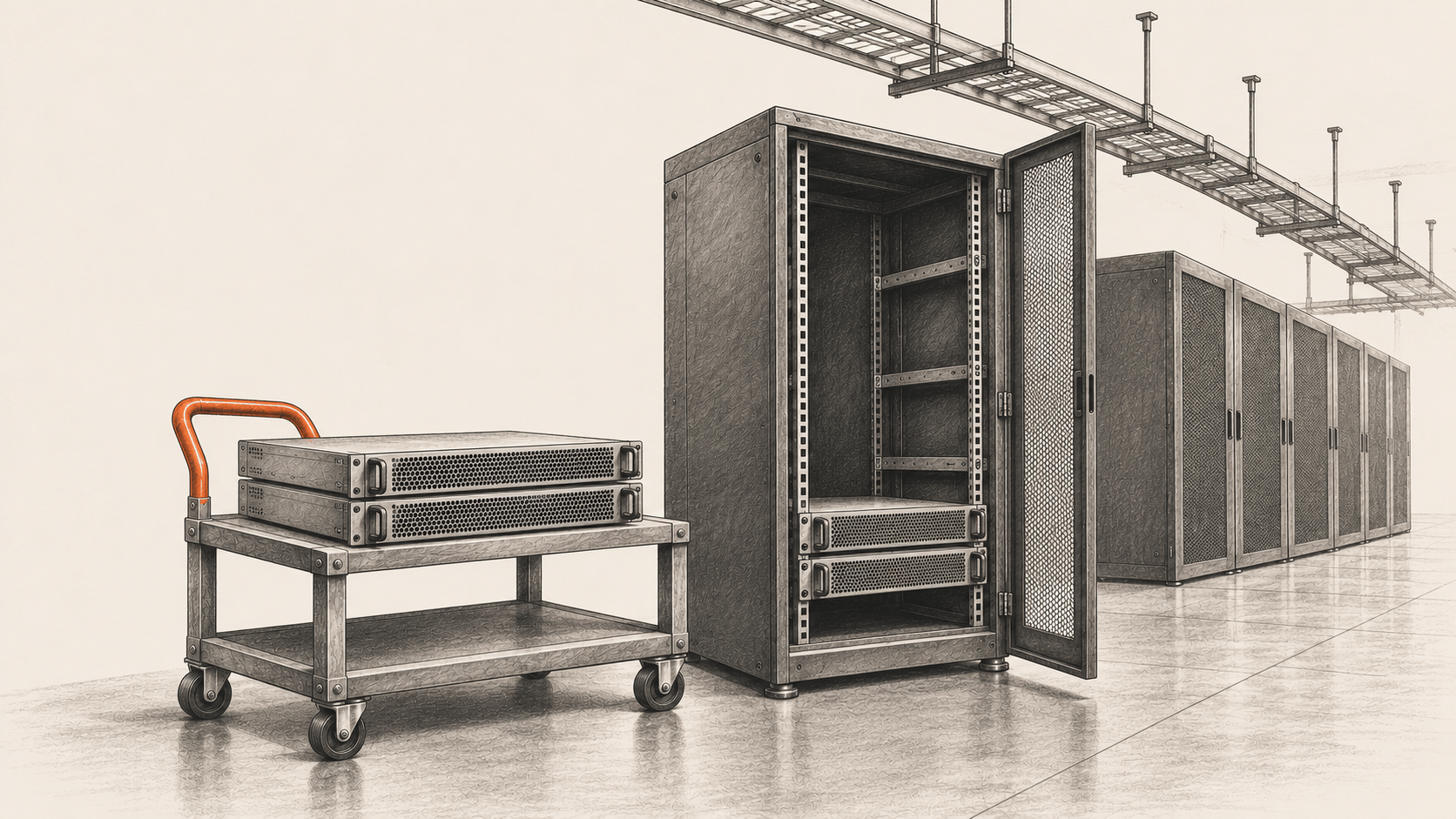
Racks must reach the data halls before they can supply computing capacity, so a planned handover is a delivery milestone rather than proof of usable service.

The earlier quarterly filing subtracts capital spending from operating cash flow, showing whether operations covered that period’s investment outlay.

Read the full story
—
Back to the briefing
Original story: news

IBM brings time-series forecasts into Confluent SQL

Readings can arrive after the events they describe. A streaming forecast depends on how the pipeline handles time, as well as how quickly a model runs.

The big change

Cloud’s AI_FORECAST is an evaluation-only early-access feature; the on-premises functions are in preview and require an administrator’s model-server setup.

Event time records when a reading occurred, while processing time records when software handles it. Delays can make those clocks disagree.

Forecast quality needs testing against later observations that were unavailable when the prediction was made, including the relevant distance into the future.

Read the full story
—
Back to the briefing
Follow-up story: news

Google brings Gemini Computer Use to Mac apps

The paid US rollout leaves the main cursor free.

The big change

Gemini works in a virtual screen with a live preview, leaving the main cursor free. Users can stop its work.

Apple treats permission to control a Mac as a substantive grant of access. That system permission is separate from deciding whether a particular proposed action should proceed.

Google’s developer documentation describes computer use as a screen-and-action loop. The model proposes an interaction, software executes it, and a fresh screen image informs the next decision.

Read the full story
—
Back to the briefing
Original story: news

IBM survey finds few AI chiefs fully control investment

Reported outcomes raise questions about authority, measurement and human oversight.

The big change

IBM’s respondents include chief AI officers and equivalent senior leaders. Their accounts describe authority and outcomes; the study does not establish that changing one caused the other.

NIST’s governance guidance separates identifying AI risks from having power to address them. It calls for clear responsibilities, independent testing and authority that reaches the relevant management level.

The UK’s published Redbox record assigns an owner while leaving users responsible for checking responses. It illustrates how tool oversight and responsibility for using an answer can sit with different people.

Read the full story
—
Back to the briefing
Original story: news

Google adds on-demand tool schemas to the Gemini API

Finding a function and authorizing its action remain separate decisions.

The big change

An agent can see a function’s name and description before loading the detailed rules for its arguments. This reduces upfront context without hiding the existence of the tool.

A function call specifies an action and its inputs. The application still needs an execution path and a result, so a plausible call alone does not demonstrate a completed business transaction.

Access controls and confirmation remain application responsibilities. A tool catalogue can help a model find an operation, but finding a relevant operation does not establish that this user may perform it.

Read the full story
—
Back to the briefing
Original story: news

OpenAI measures coding-agent use inside research

The report tracks task outcomes and usage. It does not isolate agents’ contribution to research progress.

The big change

The reported success rates describe tasks researchers chose to delegate. Estimated human task duration and uncertain outcomes affect how those figures should be interpreted.

An earlier randomized coding study fixed tasks before assigning AI access and measured completion time. That tests whether assistance changed the work, rather than counting more activity.

A customer-support study measured successful resolutions per hour and tracked quality separately. A useful productivity measure needs a defined unit of work and a time denominator.

Read the full story
—
Back to the briefing