THE WORLD IS NOT STANDING STILL.RSS
BIG CHANGE.
BIG CHANGE, one tap away

Make room for the big picture.

Add BIG CHANGE to your home screen or desktop. It opens in its own window, with the latest stories when you’re online.

iPhone & iPad
Open bigchange.ai in Safari. Tap Share, then Add to Home Screen. Turn on Open as Web App if shown, then tap Add.
Android
Open bigchange.ai in Chrome. In the browser menu, choose Install app or Add to Home screen.
Desktop
In Chrome or Edge, use the install icon in the address bar or the browser’s app menu. In Safari on Mac, choose File → Add to Dock.
All briefings

Follow the change ·

The day,
in perspective.

What happened in AI and robotics — and the change behind it. A reading path through 24 stories from BIG CHANGE.

Ordered using RADAR attention, story opens and likes. Excerpts from our published reporting; open a story for the full context and sources. Dates in UTC.

Original story: news

TikTok opens AI checker and expands likeness alerts

File provenance, a possible face match and a removal decision require different evidence.

The big change

The public checker looks for TikTok’s Content Credentials and VeraDura watermark. It offers information about supported tools’ involvement, rather than a verdict on every image or video online.

Likeness Detection gives enrolled creators possible matches to review and report. TikTok’s safety teams decide whether reported content violates its rules; an alert is not an automatic removal.

A file’s recorded history and the truth of what it depicts are different questions. Missing credentials do not prove authenticity, and a valid credential does not settle whether a particular use was consensual.

Read the full story
—
Back to the briefing
Original story: news

Sarvam refreshes 105B weights behind unchanged API names

BF16 and NVFP4 downloads bring different precision and serving requirements.

The big change

Sarvam says the model names, endpoints and request format stay unchanged. Existing software can therefore send the same requests, while the model behind them changes.

Lower precision can reduce weight storage, but serving also needs memory for the conversation. A compact download does not determine how much context or concurrency a GPU can sustain.

An instruction-following benchmark checks whether an answer obeys specified constraints. It does not certify factual accuracy or the success of every customer-service task.

Read the full story
—
Back to the briefing
Follow-up story: news

Minnesota AG says court orders Character.AI privacy watchdog

The ombudsman assesses a proposed data sale; a report and a court decision serve different roles.

The big change

Minnesota says the ombudsman will identify privacy issues and propose protections before assets are sold, giving the court a dedicated assessment of the proposed transaction.

The Bankruptcy Code makes the ombudsman an adviser who explains privacy consequences and alternatives. The court evaluates the sale; the adviser does not approve it.

States previously requested deletion opportunities and limits on reuse of chat data. Their October filing sought those protections rather than establishing that a court had granted them.

Read the full story
—
Back to the briefing
Original story: news

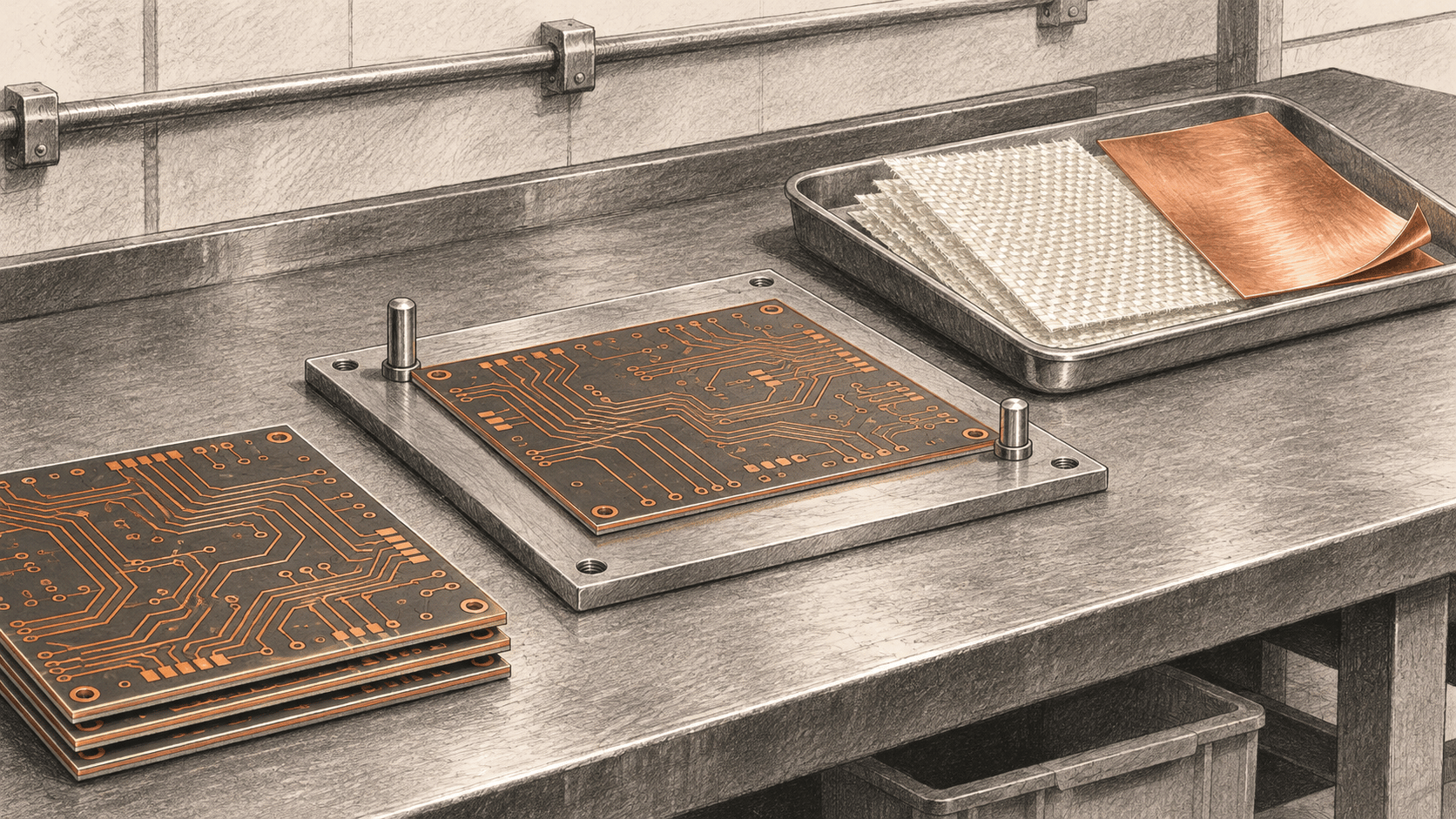
AI demand strains circuit-board supply, industry group warns

New factories still need suitable materials and qualified processes before they can deliver usable boards.

The big change

The association says demand is shifting toward boards that use more layers and specialist inputs. Expanding a factory does not automatically supply the glass fabric, resin and copper foil required to keep it running.

The order figures are regional and cumulative: North American bookings rose 56.1% through September 2026, while shipments grew 13.3%. They compare the year so far with the same period of 2025, not September alone.

A technically capable factory is not necessarily an approved alternative for a particular board. NCAB’s sourcing guide shows how an advanced requirement can leave a buyer with only one qualified factory.

Read the full story
—
Back to the briefing
Original story: news

Muru’s alpha joins Python web apps and release switching

The alpha combines Python web interfaces and manages side-by-side application versions.

The big change

Muru hosts WSGI and ASGI code together and keeps releases side by side. Its documented traffic switch waits for a new release to become ready.

ASGI treats a WebSocket as a continuing conversation, rather than a single page response. That explains why live features and ordinary pages can need different application interfaces.

Dumpleton says AI wrote most code while he chose the architecture, reviewed and steered it. That account does not establish production reliability.

Read the full story
—
Back to the briefing
Original story: news

Amazon’s store-page agent drafts pages for review

Current documentation describes editable drafts before publication.

The big change

The agent drafts content and layouts inside Store builder. Merchants can request changes and edit the result before submitting it for publication.

Amazon reviews Brand Stores before they go live and can reject them. Event schedules still need room for moderation and possible revisions.

The separate automatic All Deals page adds and removes offers according to their active dates. That is promotion scheduling, rather than prompt-driven page drafting.

Read the full story
—
Back to the briefing
Original story: news

Perplexity’s Monitor API watches topics and page changes

A scheduled finding, a delivered notification and completed work are different stages.

The big change

Search monitors find new results across the web. Page monitors save an initial baseline, then compare later text from specified URLs; they answer a different question from topic discovery.

An alert is useful when someone knows what to do with it. Google’s original monitoring guidance explains how frequent, low-value interruptions can obscure the changes that need attention.

A verified signature authenticates the notification. It does not confirm that the receiver finished acting on it. Retries also mean the same event can reach a receiver more than once.

Read the full story
—
Back to the briefing
Original story: news

OpenAI proposes shared prediction-loss limits for AI development

Pachocki’s proposal raises distinct questions about comparable measurements and deployment risk.

The big change

Pachocki proposes linking further development to agreed monitoring milestones. His post calls for common rules; it does not announce that other laboratories have adopted them.

Prediction loss measures how much probability a model gives the text that actually follows. Comparing scores requires attention to the text, its tokenization and the context provided.

Risk assessment concerns both the likelihood of a failure and its consequences. A system’s intended use and operating conditions matter alongside its capabilities.

Read the full story
—
Back to the briefing