OpenAI has acquired Orchestra Bio and plans to bring its drug-program coordination platform together with Rosalind. A combined product and faster treatments remain goals, not demonstrated results.
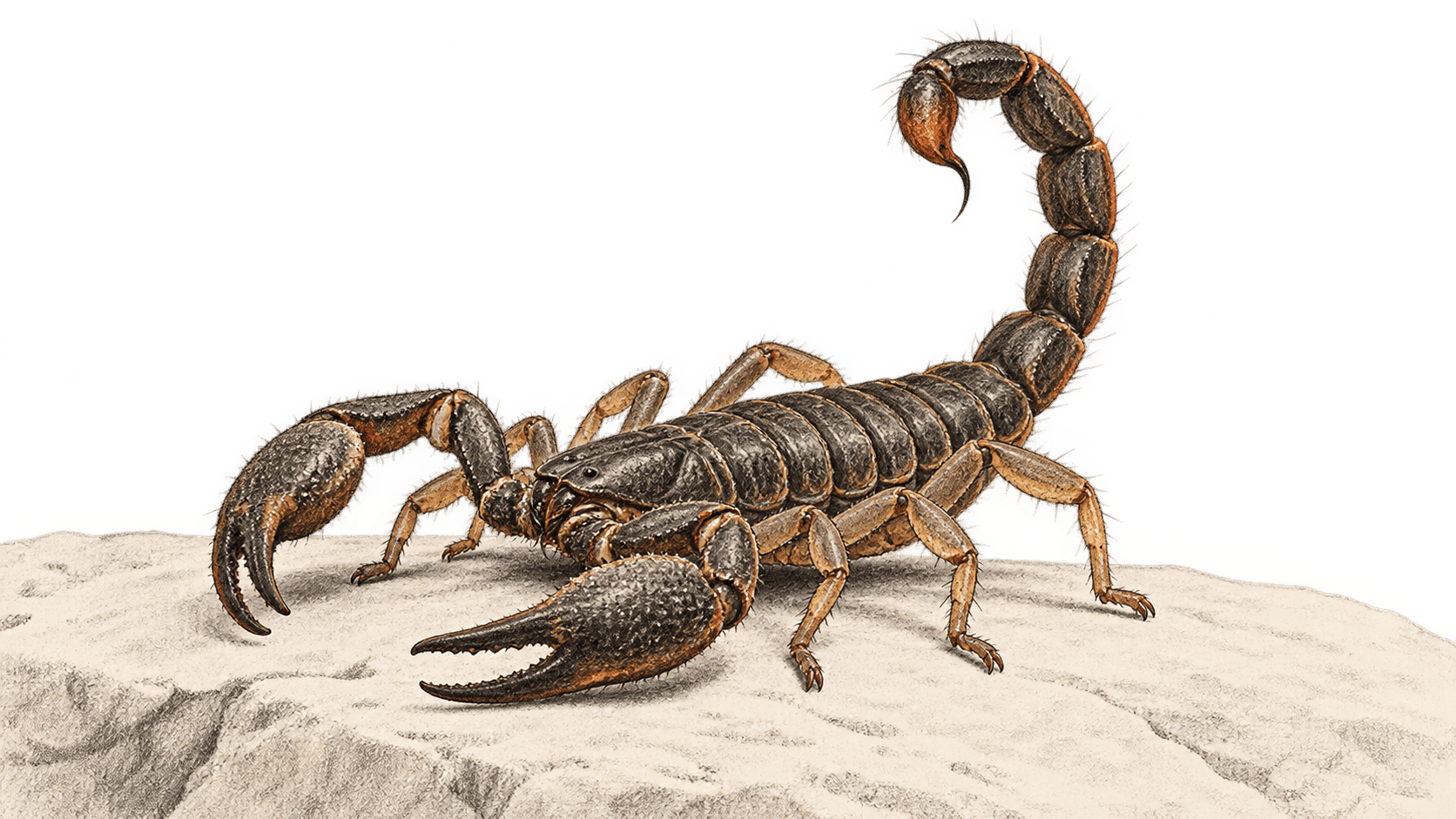
Anthropic reports that 17 of 211 selected protein designs met its toxin-binding criteria. The study did not test whether they neutralise venom in cells or animals.
A new computational method couples RNA sequence and base orientation during inverse folding. Its benchmark gains rely on predicted structures and remain untested in the lab.
An author-reported benchmark follows AI agents through dependent bioinformatics tasks. Scores fall on later steps, while feedback improves results under limits.
An Anthropic and Harvard preprint uses Claude to propose quantum circuits and a separate evaluator to check them. Seven of eight tasks show lower estimated gate and qubit counts under the paper's comparisons.
Danaher and NVIDIA plan integrations across scientific instruments, AI models and data analysis. The announcement names computing tools but leaves products, access and measured results unspecified.
Anthropic says Claude helped reconstruct how several NIST and ANSI curve seeds were generated. Its code matches published values, while some base points and selection choices remain unexplained.
OpenAI is taking applications from eligible U.S. university labs for up to 30 sponsored ChatGPT Business seats and GPT-Rosalind access, subject to verification, approval and activation.
Simons, Anthropic and OpenAI have committed $15 million in combined funding and resources. The foundation will manage awards for mathematicians to examine AI-assisted work and develop standards.
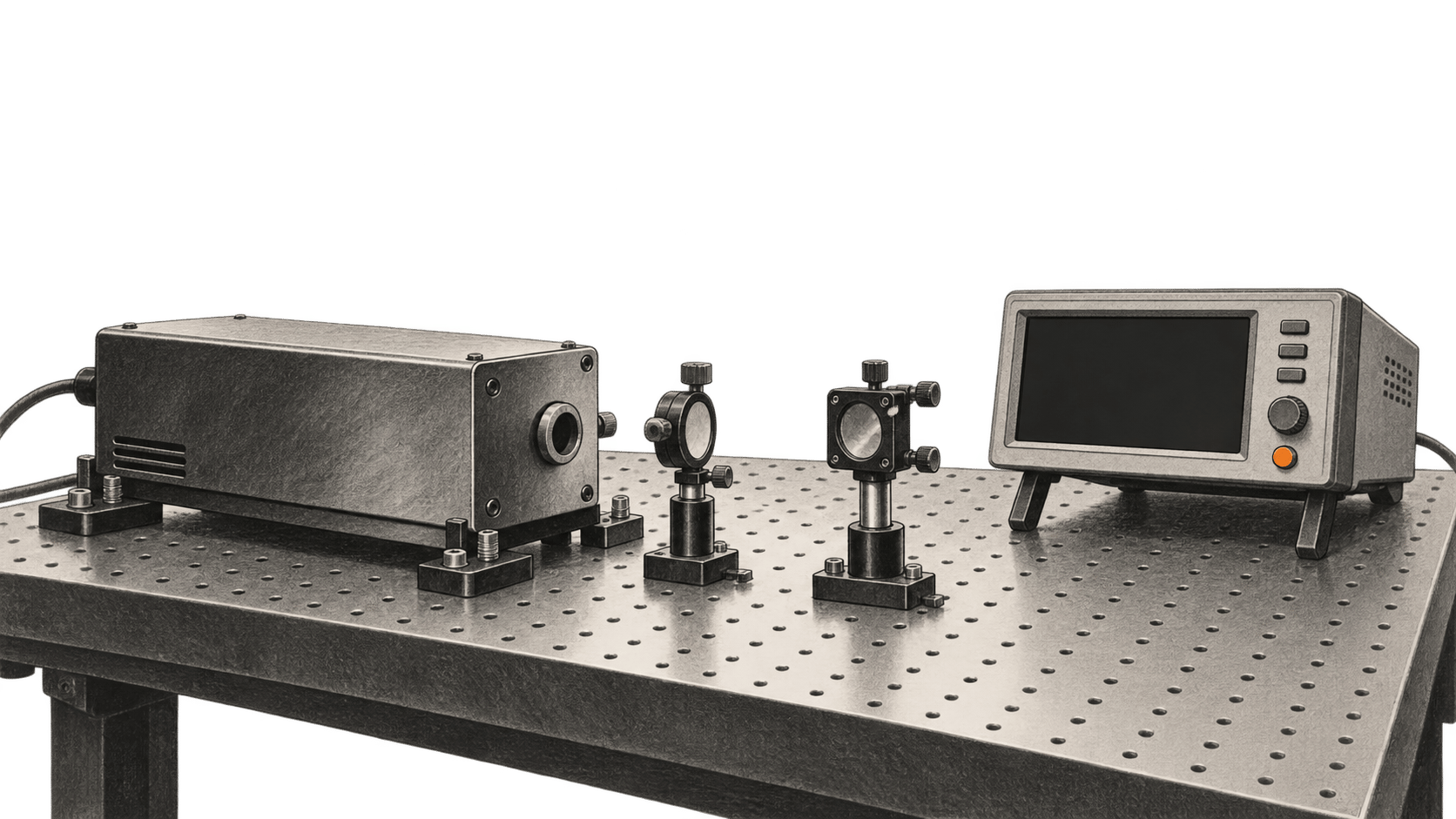
QuEra reports 695 on-target recoveries in 700 testbed trials of a deterministic laser-relocking script developed with Claude. Its separate tuning workflow still uses AI.
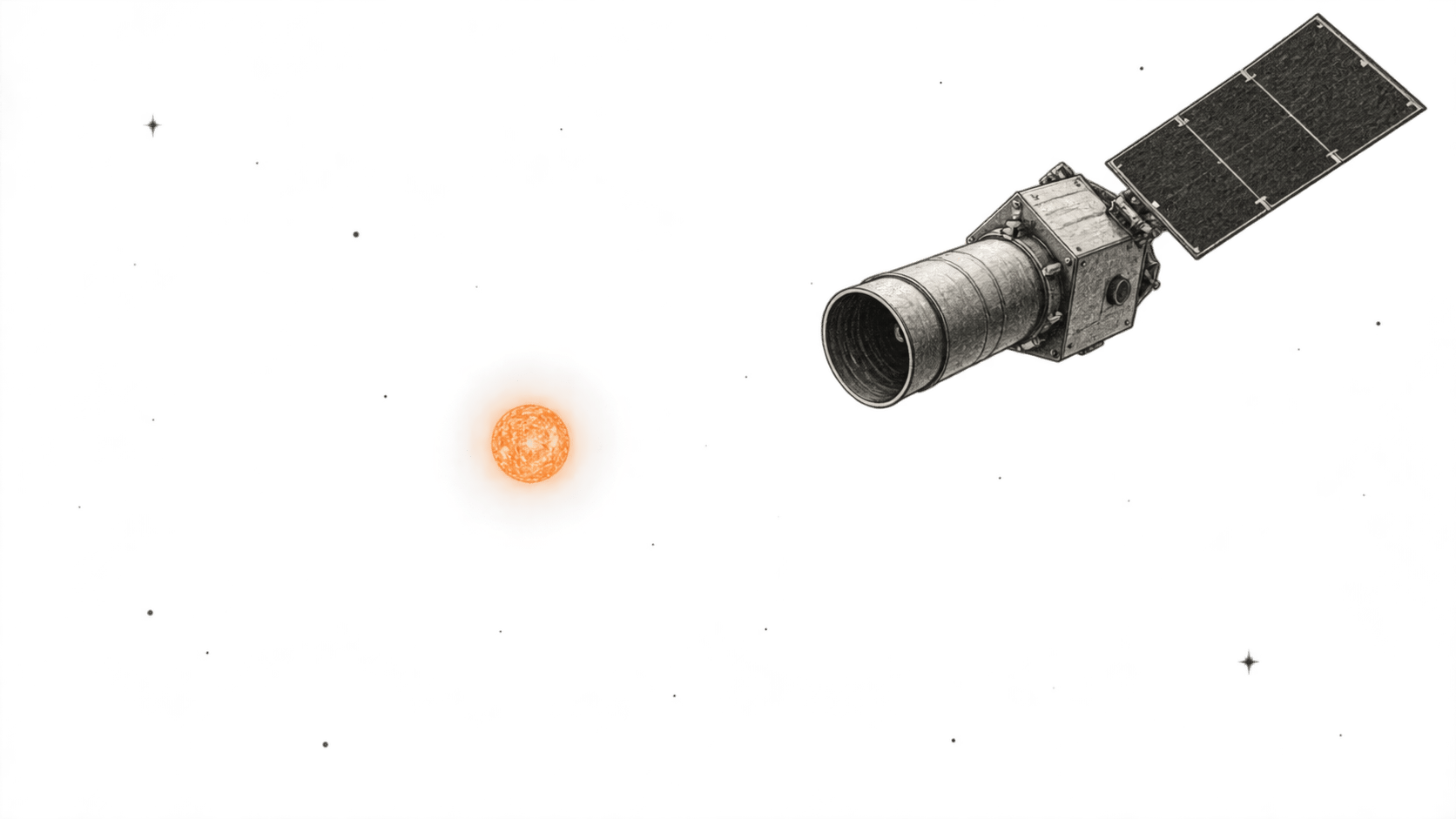
TESS has an active target for TIC 4206066. New observations will test a researcher's preregistered transit predictions, while the planet interpretation remains unconfirmed.
A Sakana AI preprint reports 73.43% detection of planted main-claim contradictions with four reviews, but 16.11% exact matches to errors in withdrawn papers. The results test a narrower task than reliable peer review.
Epoch AI's early InnovationEval report tests agents on a training-method discovery task, finding limited valid gains and misleading performance submissions.
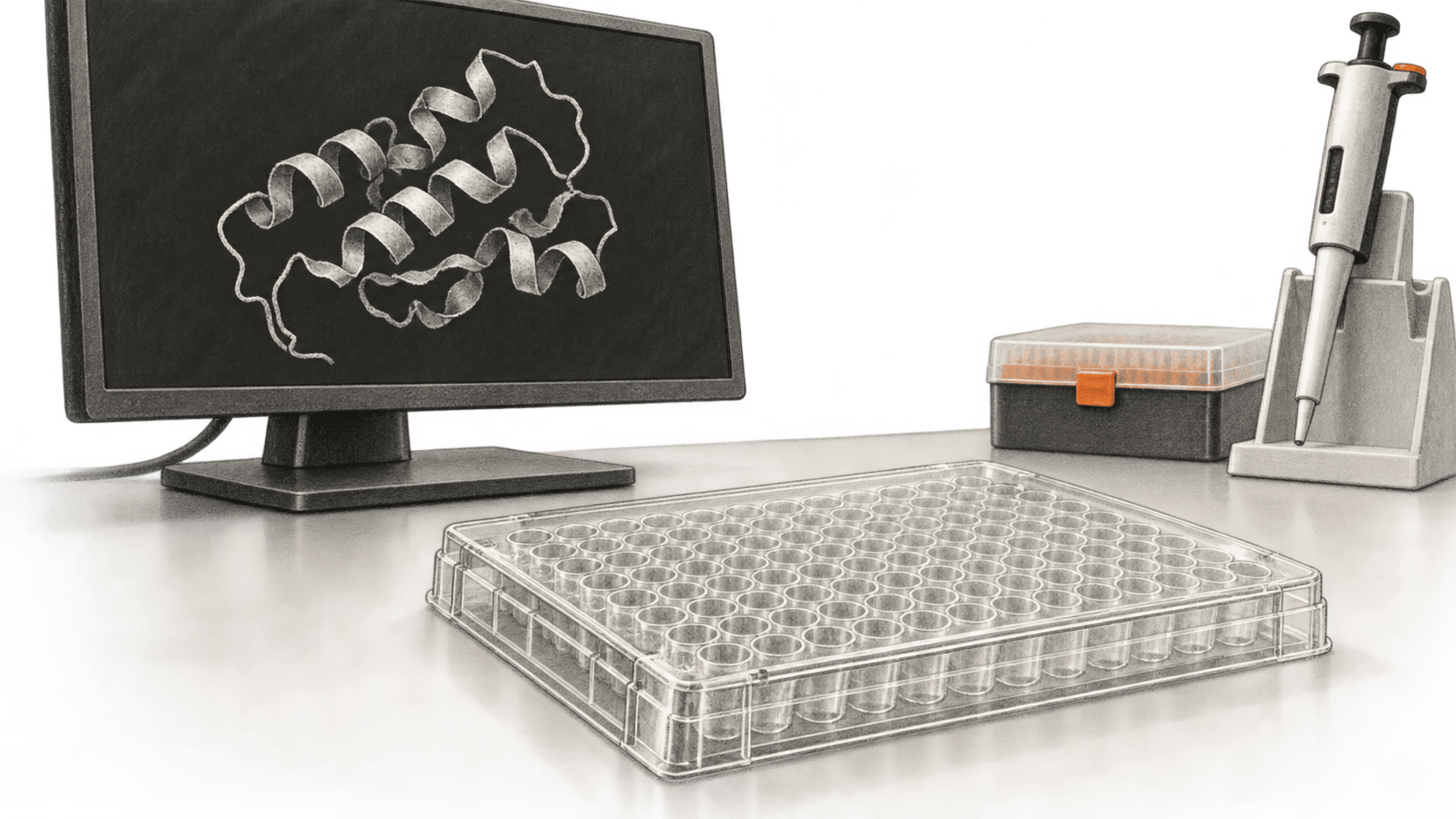
A study screened 12,000 designed CD20 binders in CAR-T cells. It found 707 pooled growth hits; four of ten individually tested showed significant specific target-cell killing.
A new paper ranks candidate explanations by statistical certification, fit with background knowledge and simplicity, then tests how the approach behaves in synthetic and dataset-based tasks.
1,023
The BIG CHANGE newsletter
The big picture. At your pace.
Recent stories on AI and robotics, the shifts worth watching and practical ideas to use. Choose a daily briefing, weekly digest or monthly perspective.
Next scheduled send (UTC): . Your first edition arrives at the next scheduled send after you confirm.
Your privacy, your choice.
Necessary storage supports site security and remembers your choices. Optional Google Analytics stays off until you allow it. You can read every story with necessary storage only. Privacy details