Gemini API CLI lets coding agents preview requests before using a key
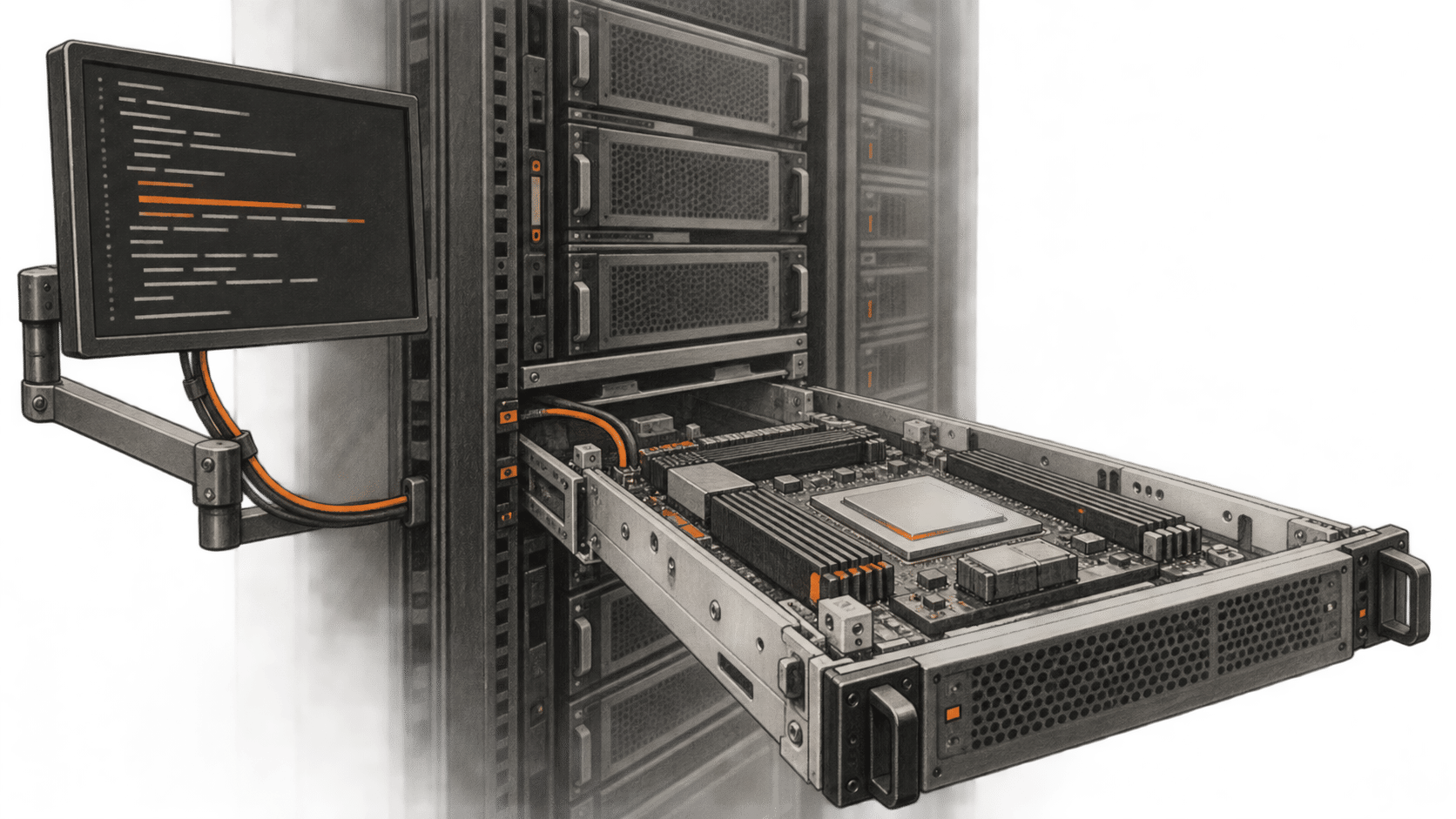
Google's beta Gemini API CLI gives existing coding agents a schema and offline request preview. The dry run cannot establish live model access, cost or results.
Explore BIG CHANGE reporting on AI Models & Tools: what changed, how it works and why it matters.
Google's beta Gemini API CLI gives existing coding agents a schema and offline request preview. The dry run cannot establish live model access, cost or results.
OpenAI says Habitat returned to shared Cosmos DB storage after dedicated containers made product launches hard to provision. Hot-key limits, request priority and caching carry the tradeoffs.
On 51 public EdgeBench tasks, SoL-Pi's authors report 44.7–49.0% less token traffic and about one-third lower estimated API cost than Pi. At xhigh, the full stack's mean score fell from 44.833 to 42.003 with GPT-5.6 Sol and from 44.756 to 42.224 with Opus 5.
OpenAI’s Decisions API is generally available with JSON inputs, question images and caching. Its typed answers, prices and limits define what builders can evaluate now.
Continues OpenAI DevDay 2026: launches, availability and what builders can use
A community fork of OpenAI’s mathematics collection is recording manuscript edits, reviews and follow-up work. Its growing notes do not certify the proofs.
Continues From unit distances to Navier-Stokes: AI mathematics reaches a new phase
Anthropic reports that 17 of 211 selected protein designs met its toxin-binding criteria. The study did not test whether they neutralise venom in cells or animals.
AWS’s Neuron 2.33 release introduces a public-beta PyTorch backend for Trainium2 and Trainium3. Its supported versions, operator coverage and compilation limits define what engineers need to check in an evaluation.
A new research method separates detected benchmark overfitting and extra inference compute from the remaining gain in optimized agent harnesses.
A new simulation benchmark finds that AI agents often match a grid-restoration reference plan, but their worst cases and unsafe switch proposals keep independent safety checks central.
A new preprint and released code show how HybridAgent alternates latent reasoning with text tool use. Its measured gains come from the authors' benchmark setup.
Liquid AI released d1-ultra as a hosted model that returns probabilities for structured text and image decisions without generating answer tokens. Its benchmarks and price come from the company.
vLLM reports 842 versus 488 aggregate decode tokens a second for Kimi K3 on 16 GB300 GPUs under a specific DSpark setup. Prefill is excluded.
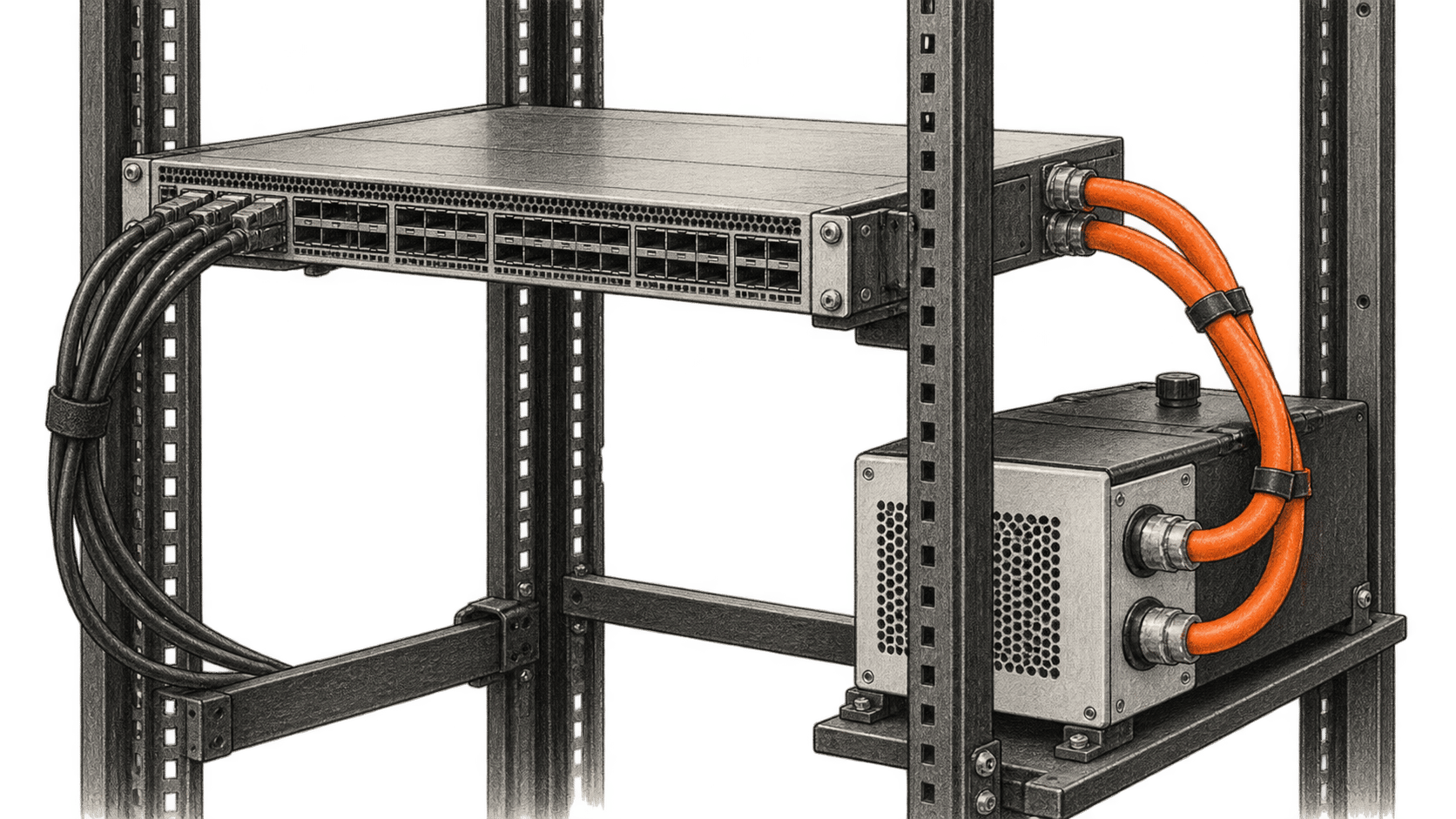
UfiSpace demonstrated an early-access 102.4 Tbps switch with liquid cooling at OCP. The public material establishes a live demo, not a deployed or independently measured data-center system.
Replit CEO Amjad Masad says OpenAI is now the preferred partner and default for Agent, while Claude remains an option. Replit's model controls show how that choice varies by mode and plan.
Black Forest Labs has released FLUX 3 Image Klein weights and a hosted API. Its model package, runtime memory and commercial permissions differ in ways teams need to check.
StudentSim compares AI student simulators with learner records and tests responses to guided corrections. Its chess tutor study rates advice, not learning gains in real students.
An Anthropic and Harvard preprint uses Claude to propose quantum circuits and a separate evaluator to check them. Seven of eight tasks show lower estimated gate and qubit counts under the paper's comparisons.
QwenLM's BlenderWorld benchmark asks agents to submit native Blender projects. Its task rubrics and visual judges test different aspects of a 3D scene, with limits for real production use.