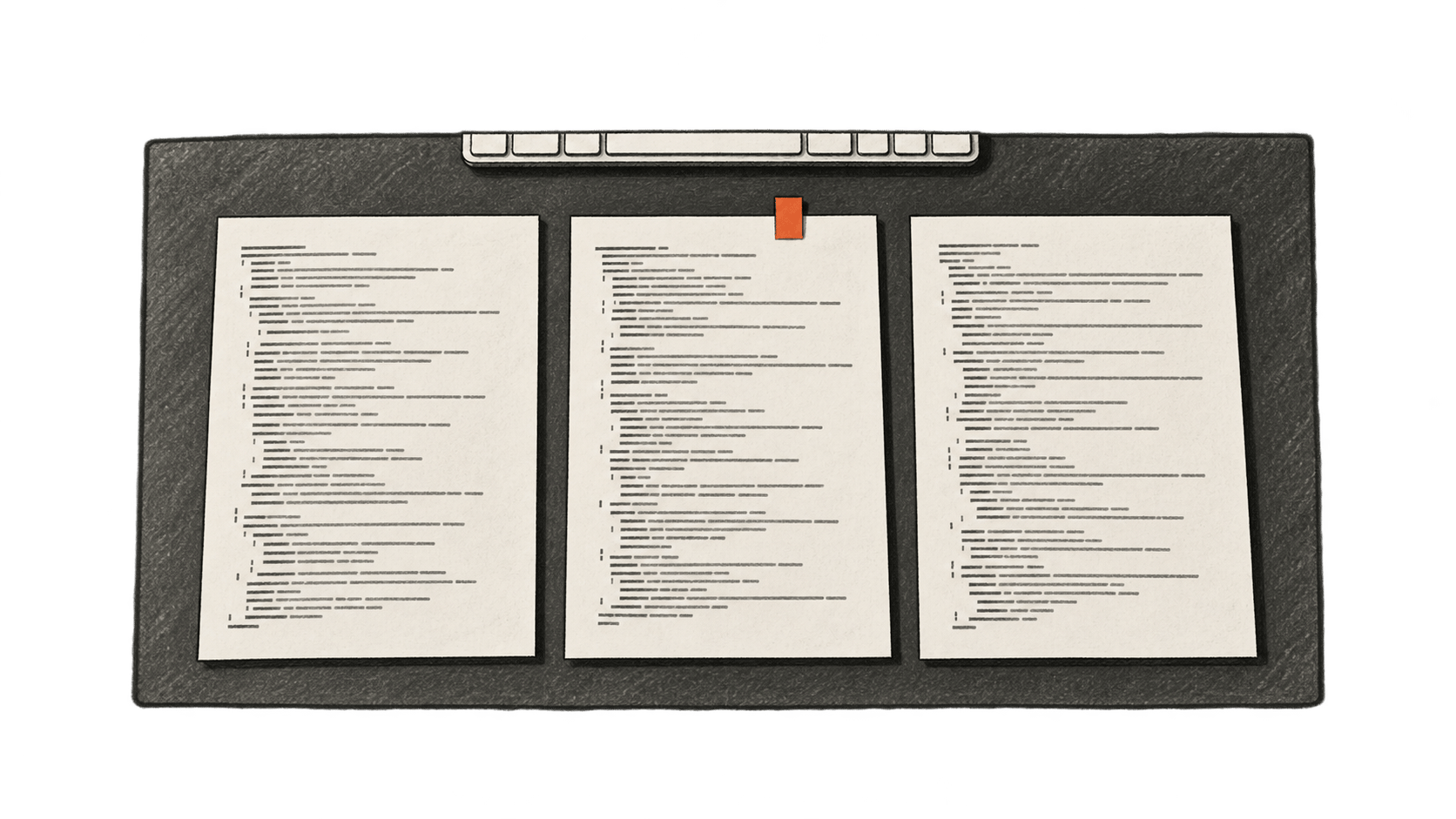
Google proposes a three-layer agent stack for biotech
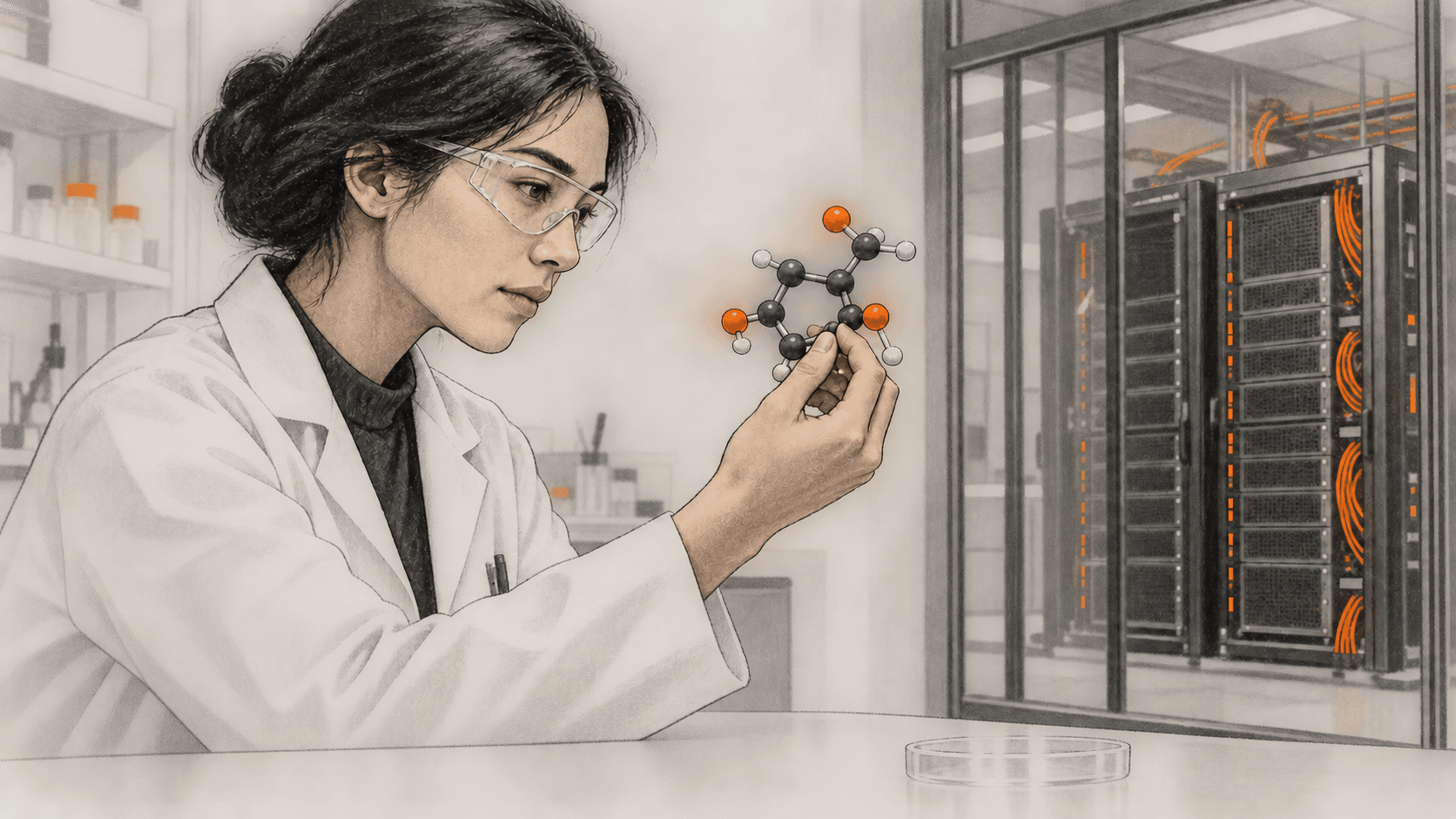
Google's biotech reference design separates agent planning, GPU scientific computation and access controls. The combined workflow remains an unmeasured proposal.
Explore BIG CHANGE reporting on Science & Health: what changed, how it works and why it matters.
Google's biotech reference design separates agent planning, GPU scientific computation and access controls. The combined workflow remains an unmeasured proposal.
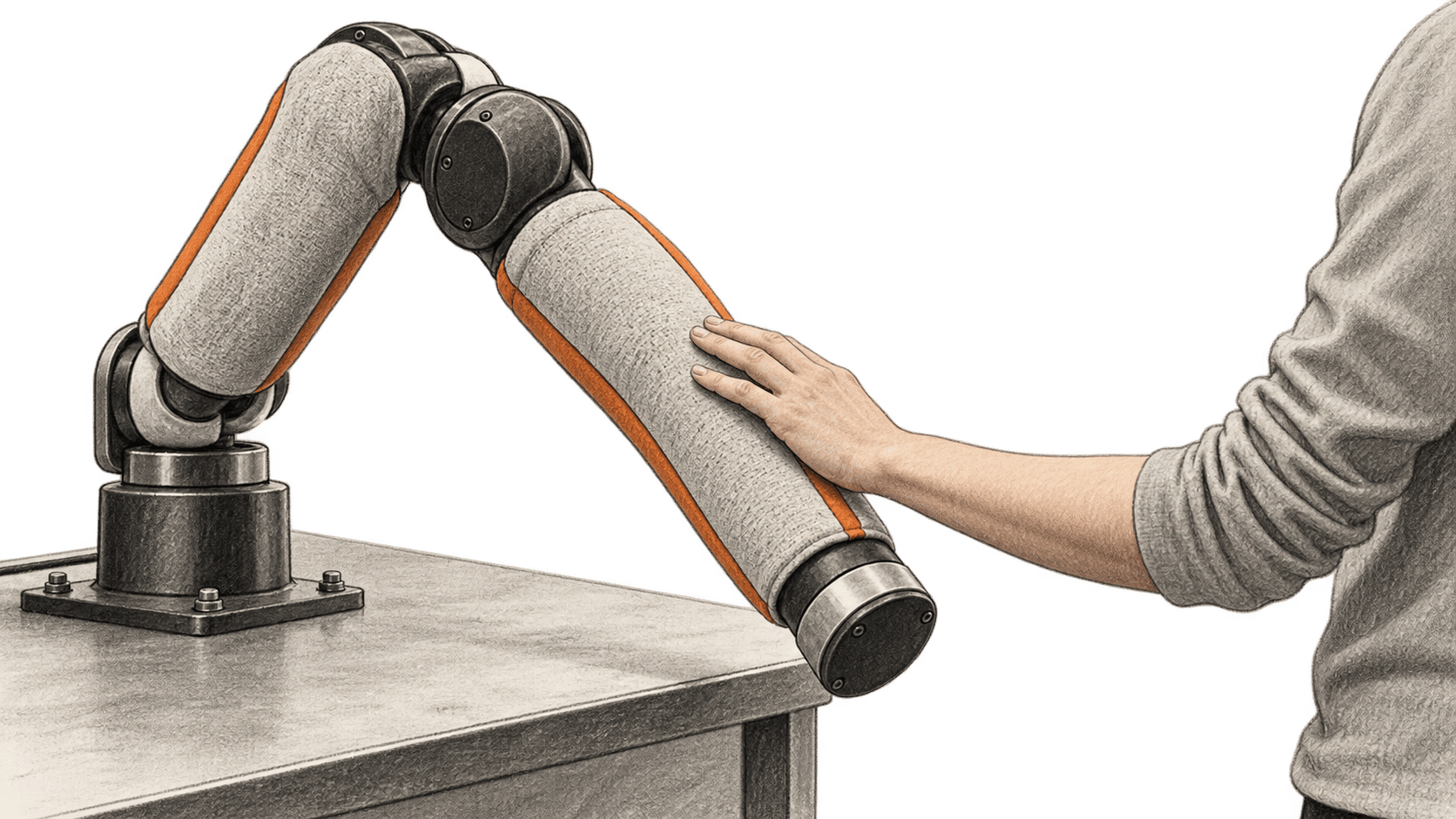
HKUST's EmArm research prototype uses tactile skin and joint sensing to adjust movement. Lab tests cover touch recognition, object balancing and obstacle avoidance; deployment remains untested.
An author-reported benchmark follows AI agents through dependent bioinformatics tasks. Scores fall on later steps, while feedback improves results under limits.
An Anthropic and Harvard preprint uses Claude to propose quantum circuits and a separate evaluator to check them. Seven of eight tasks show lower estimated gate and qubit counts under the paper's comparisons.
Taiyo Yuden demonstrated a urine-odor sensor and AI pattern analysis at CEATEC. The reviewed sources do not establish clinical performance for its proposed examination prompt.
Danaher and NVIDIA plan integrations across scientific instruments, AI models and data analysis. The announcement names computing tools but leaves products, access and measured results unspecified.
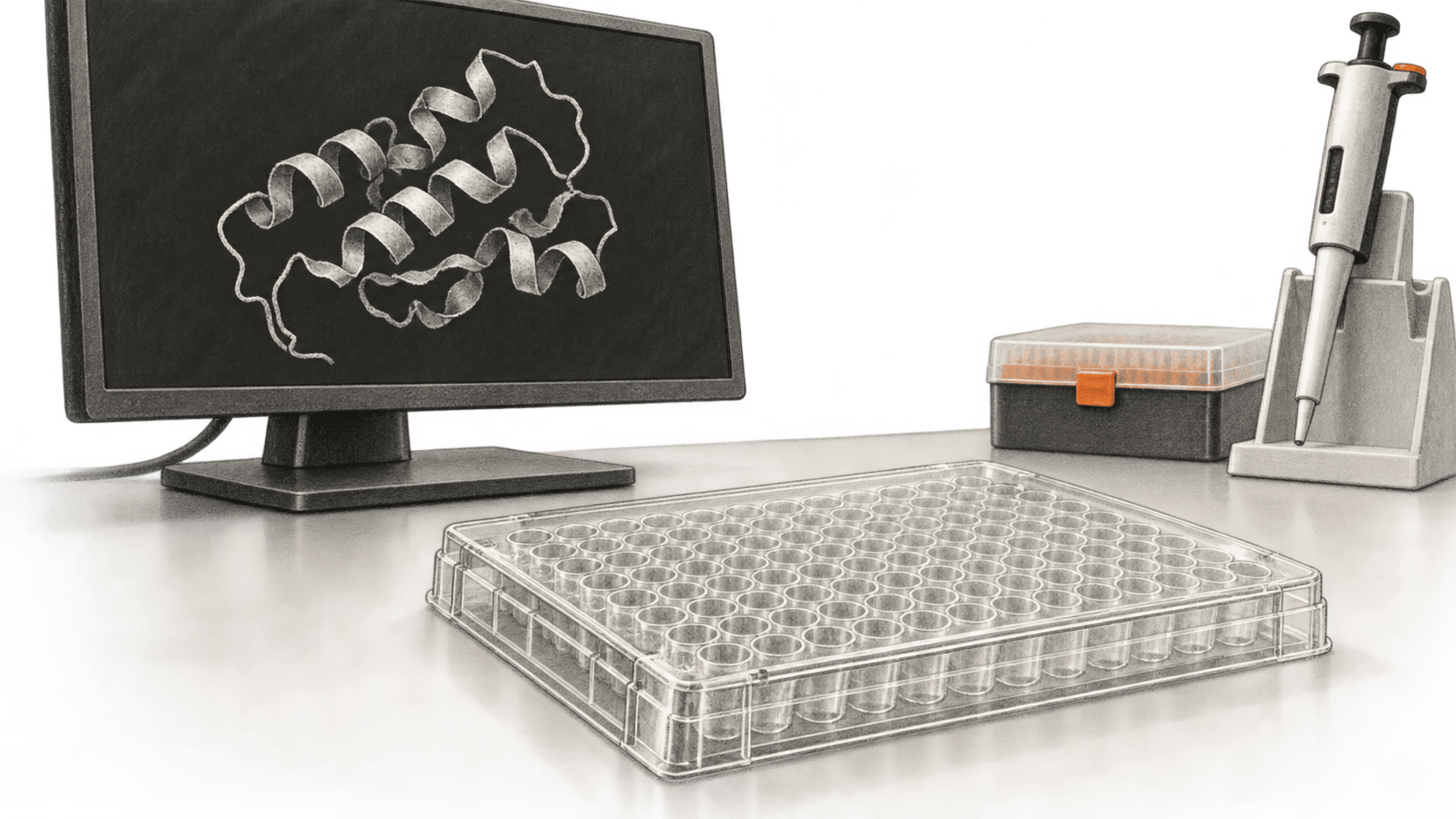
Google traced one peptide candidate through sequence, structure and genomic checks with Antigravity. Its predicted activity still awaits lab results.
CERN and Mistral signed a statement of intent for AI in physics. Existing CMS reconstruction work predates the proposed foundation-model partnership.
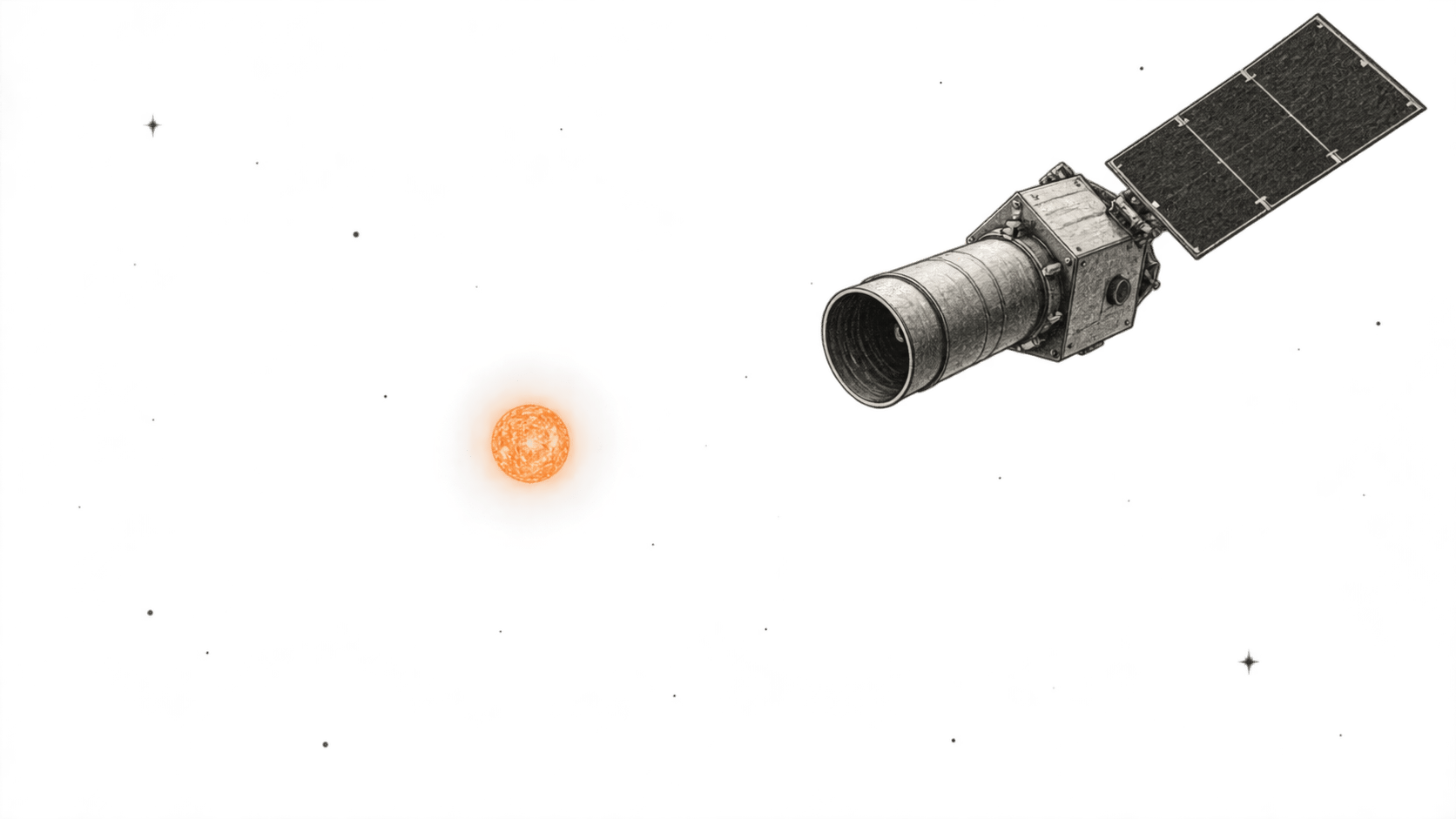
TESS has an active target for TIC 4206066. New observations will test a researcher's preregistered transit predictions, while the planet interpretation remains unconfirmed.
Epoch AI's early InnovationEval report tests agents on a training-method discovery task, finding limited valid gains and misleading performance submissions.
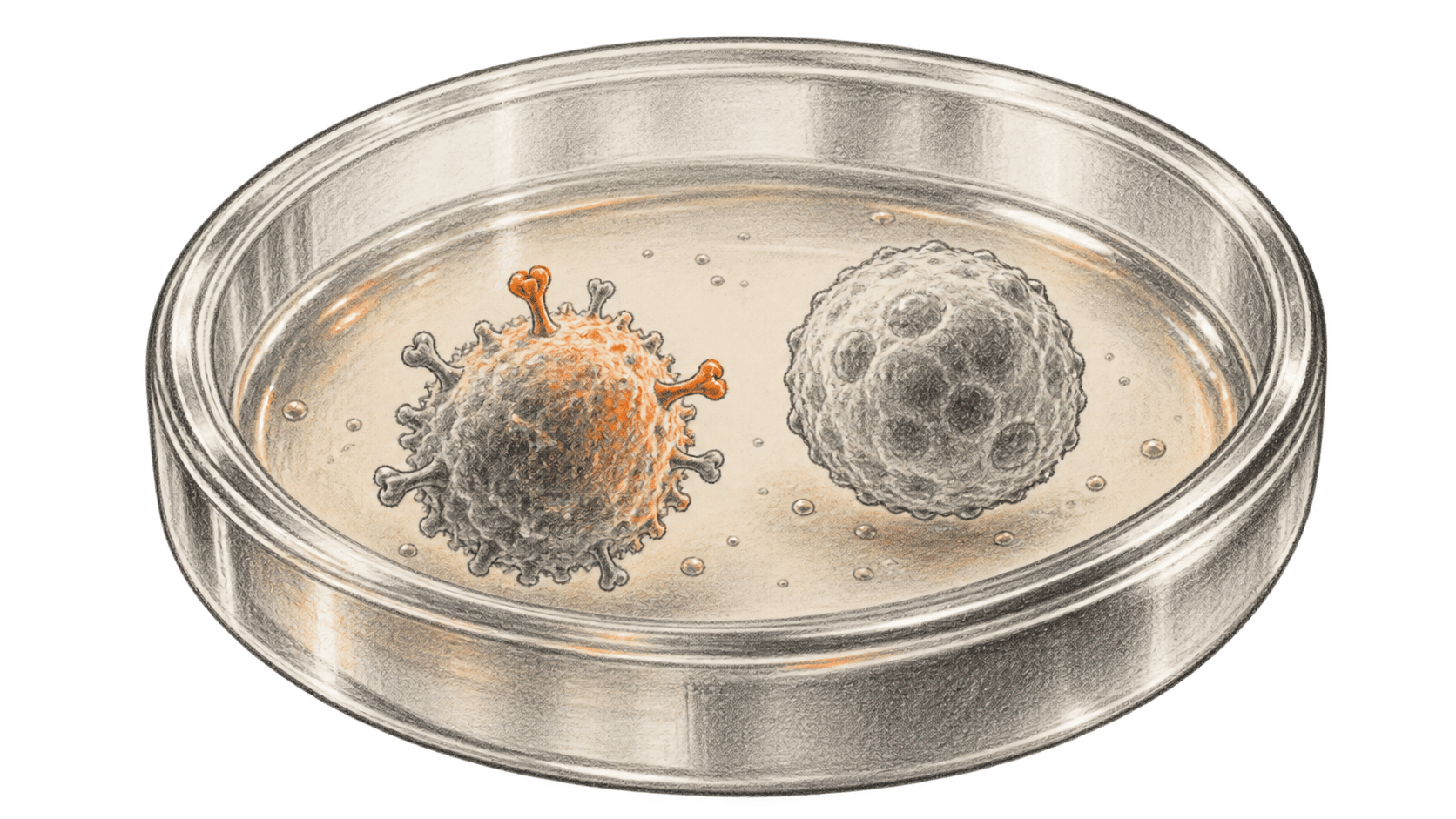
A study screened 12,000 designed CD20 binders in CAR-T cells. It found 707 pooled growth hits; four of ten individually tested showed significant specific target-cell killing.
A new paper ranks candidate explanations by statistical certification, fit with background knowledge and simplicity, then tests how the approach behaves in synthetic and dataset-based tasks.
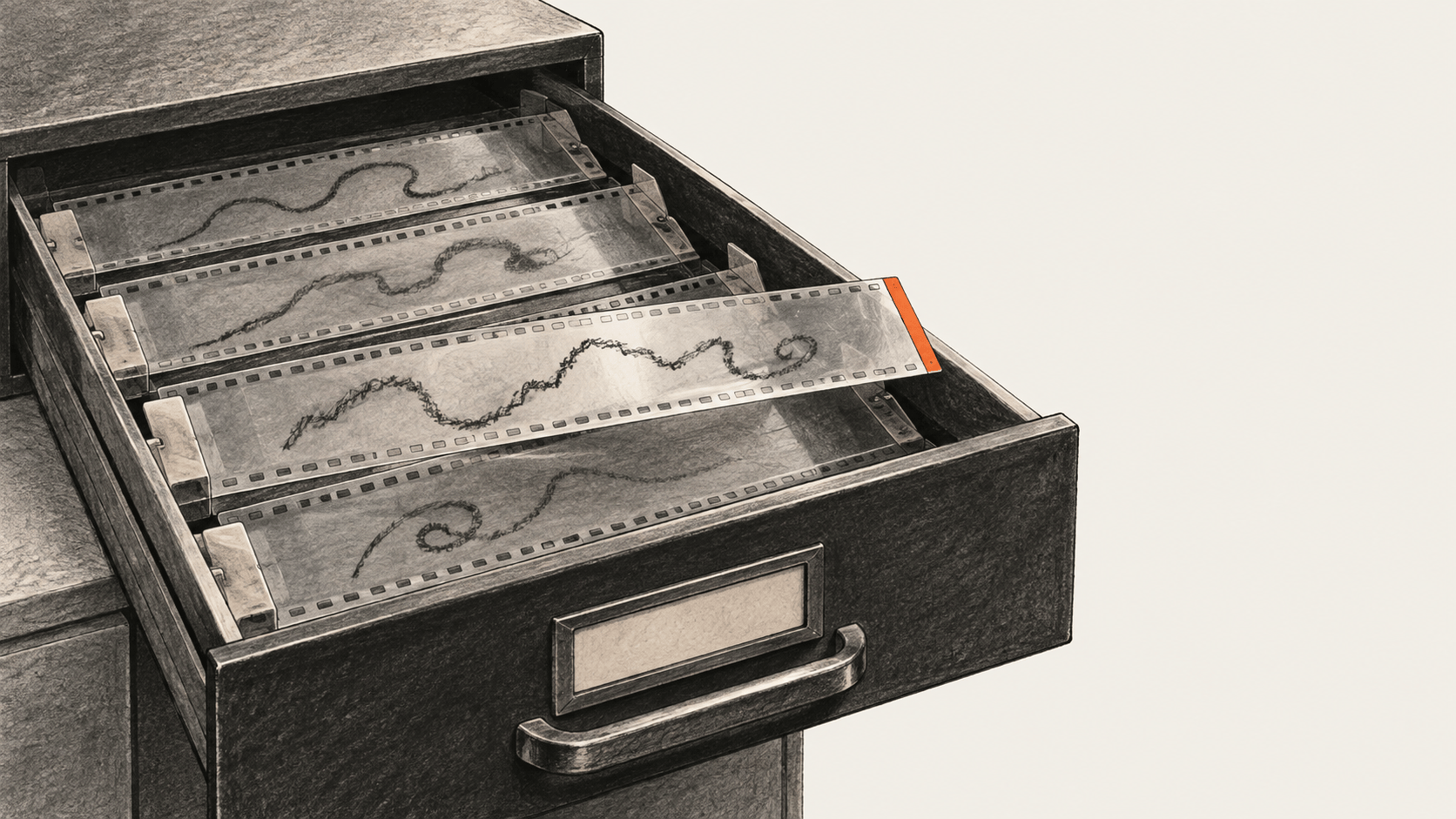
A xenobot preprint reports 80% accuracy when an AI-trained system matches new motion instructions to archived trials. Its predictions have not been tested on new organisms.
The Association for Human Mathematics objects to OpenAI's proprietary math research and mass release. Withdrawals and proof repairs show a changing record, not a verdict on the whole collection.
Continues From unit distances to Navier-Stokes: AI mathematics reaches a new phase
The UV sky map mixes telescope measurements with predictions; its masked-patch test does not validate regions never observed.
In a World Science Festival interview, Tristan Buckmaster explains how AI-produced arguments were formally checked and why readable proofs and independent assessment still matter.
Continues From unit distances to Navier-Stokes: AI mathematics reaches a new phase
OpenAI withdrew three math manuscripts over a sign error. The notices identify the failed proof step, preserve earlier PDFs and leave the claims unproved.
Continues From unit distances to Navier-Stokes: AI mathematics reaches a new phase
OpenAI's collection contains 722 manuscripts in 372 families. A close look at one Lean proof configuration shows how to inspect versions, scope and checking requirements.
Continues From unit distances to Navier-Stokes: AI mathematics reaches a new phase