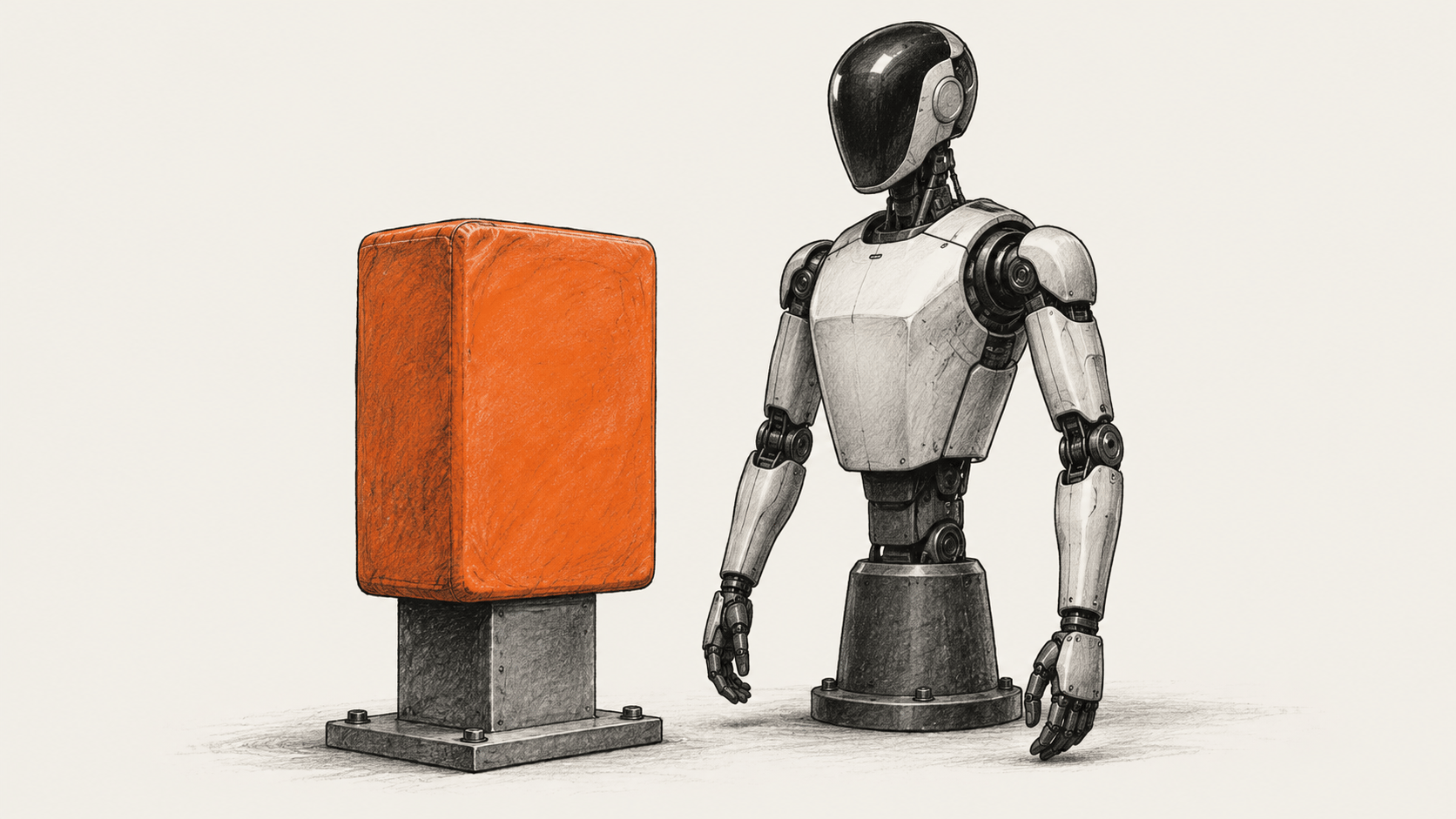
Humanoid safety filters failed in selected physical tests
Seven selected filter trials produced collisions; broader search totals conflict.
Explore BIG CHANGE reporting on Science & Health: what changed, how it works and why it matters.
Seven selected filter trials produced collisions; broader search totals conflict.
PaperFormalizer pairs author review with Lean proofs of revised claims.
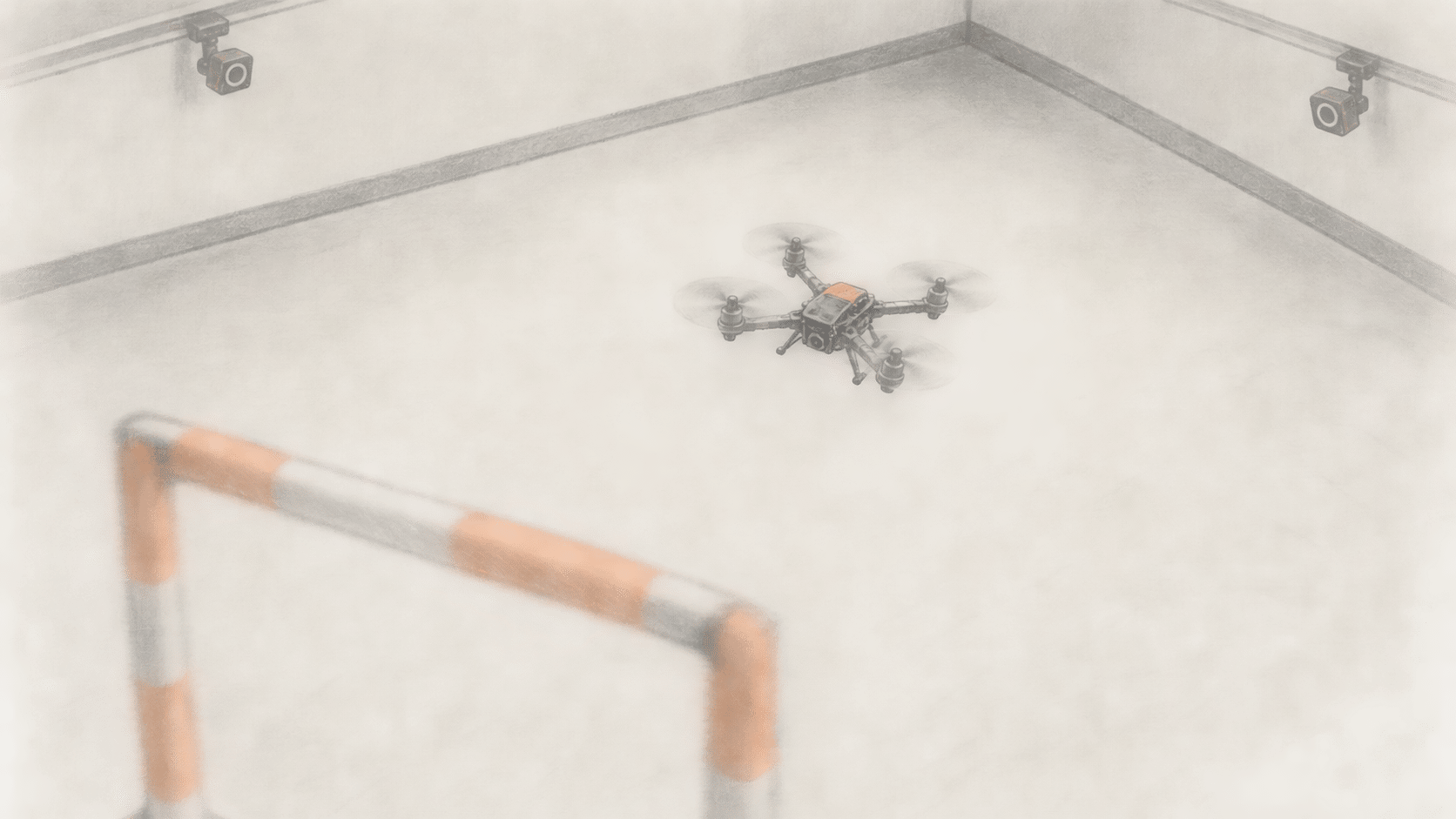
Simulated gates, externally tracked flights.
CNN led diagnosis; its preset discharge rule missed more melanomas.
SpecEvo tests sparse frontier calls in program search.
A PubMed ID identifies a citation, not evidence for a claim. A biomedical agent study shows why a resolving link still needs a check of the cited abstract and verdict.
How a research prototype turns instructions into planning adjustments.
LitPivot connects proposal edits with literature.
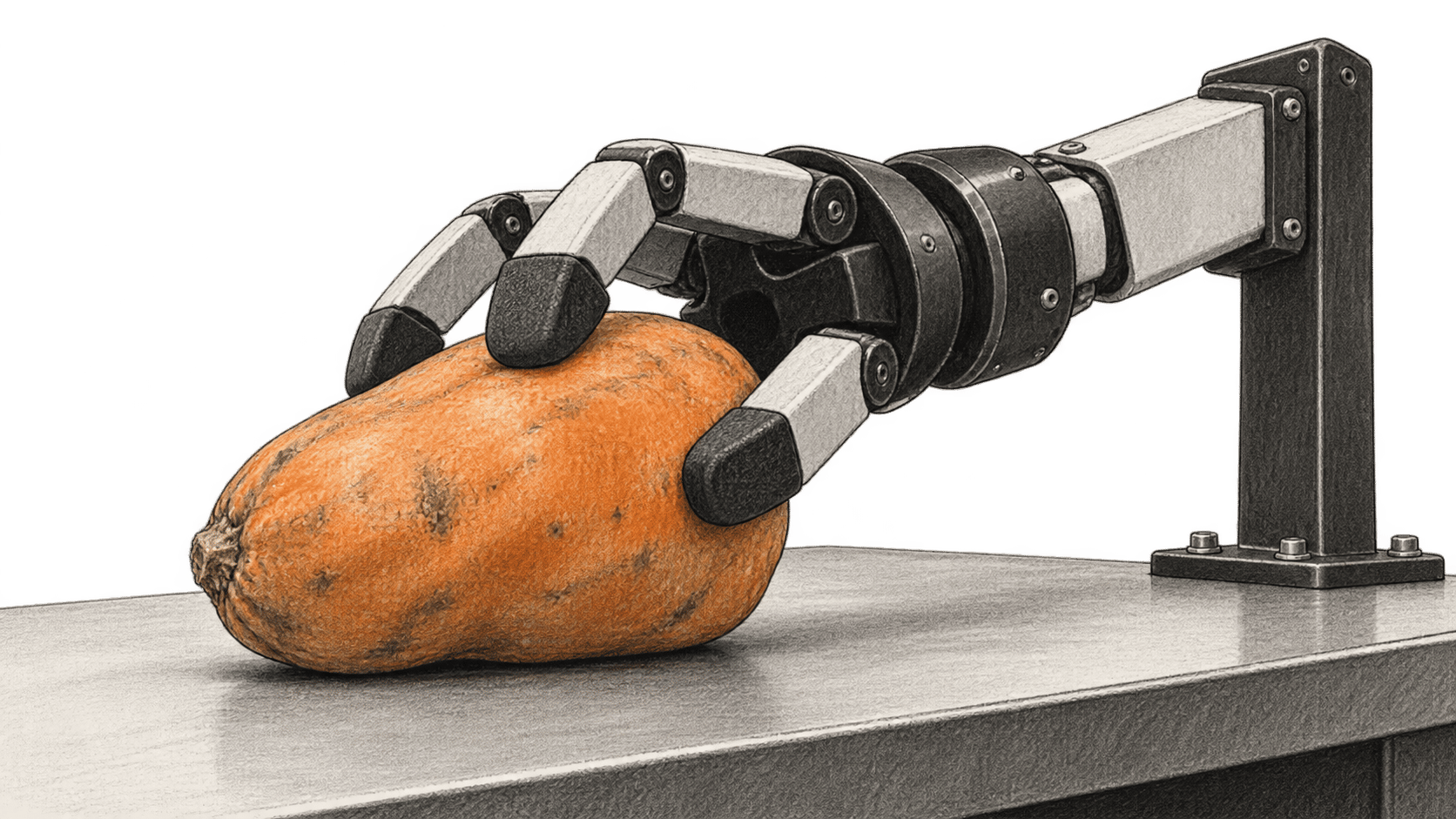
Robot grasp planners need to check both contact geometry and the forces a hand can actually produce.
Eko note aided towers.
A power-flow intervention clarifies Agent4Sci’s evaluation boundary.
A shared viewpoint connects object appearance and contact.
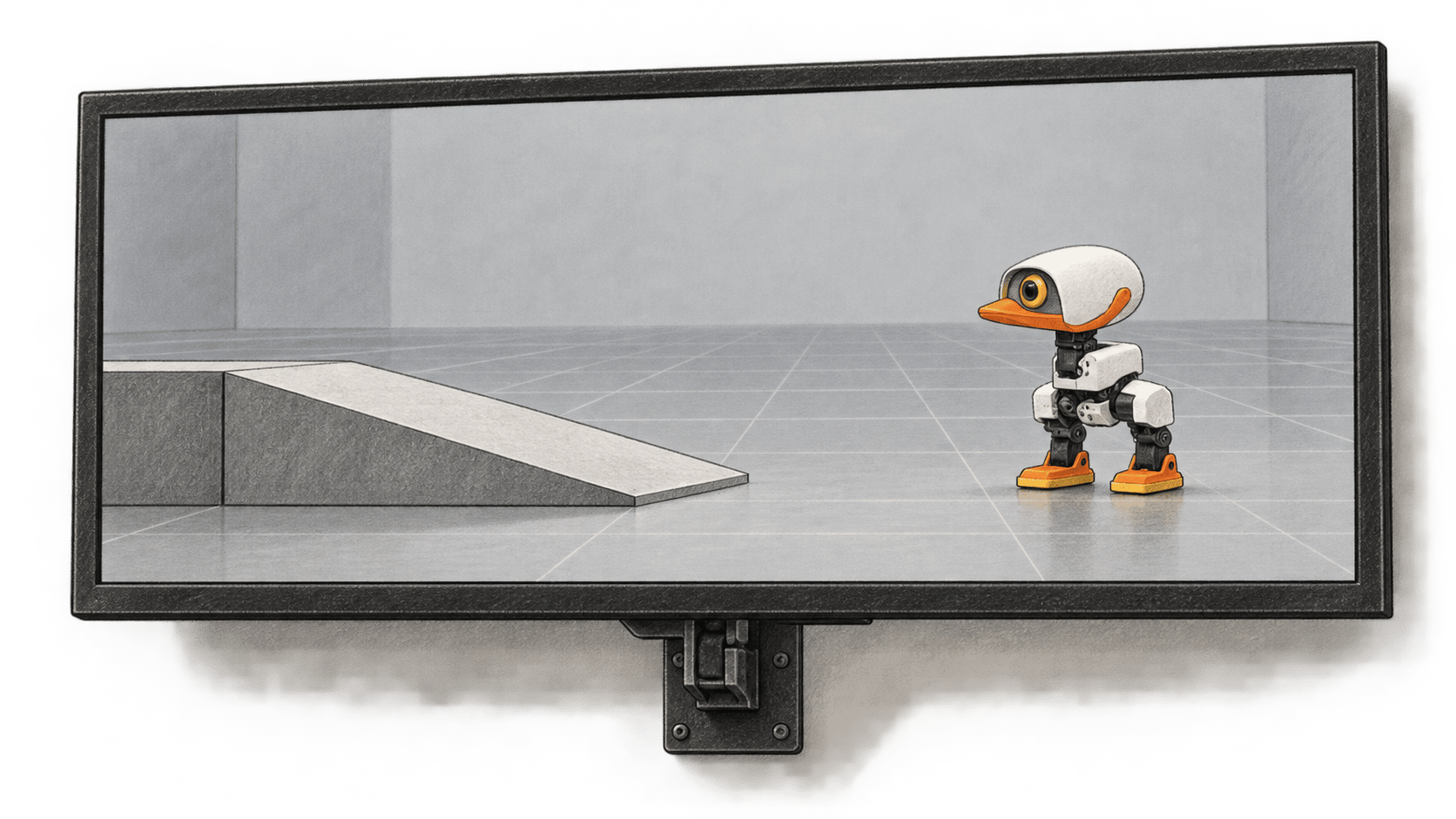
NVIDIA details an agent-to-simulation Microduck workflow and an untested physical handoff.
An October preprint finds several processing difficulty proxies more often in some model replies than in comparison text. A separate experiment shows that a length penalty can shift one small model's grammar, with limited transfer.
Google's ForTy map separates natural, planted and farmed tree cover. Its 2020 baseline and early annual series offer new questions for forest monitoring, with significant class-level uncertainty.
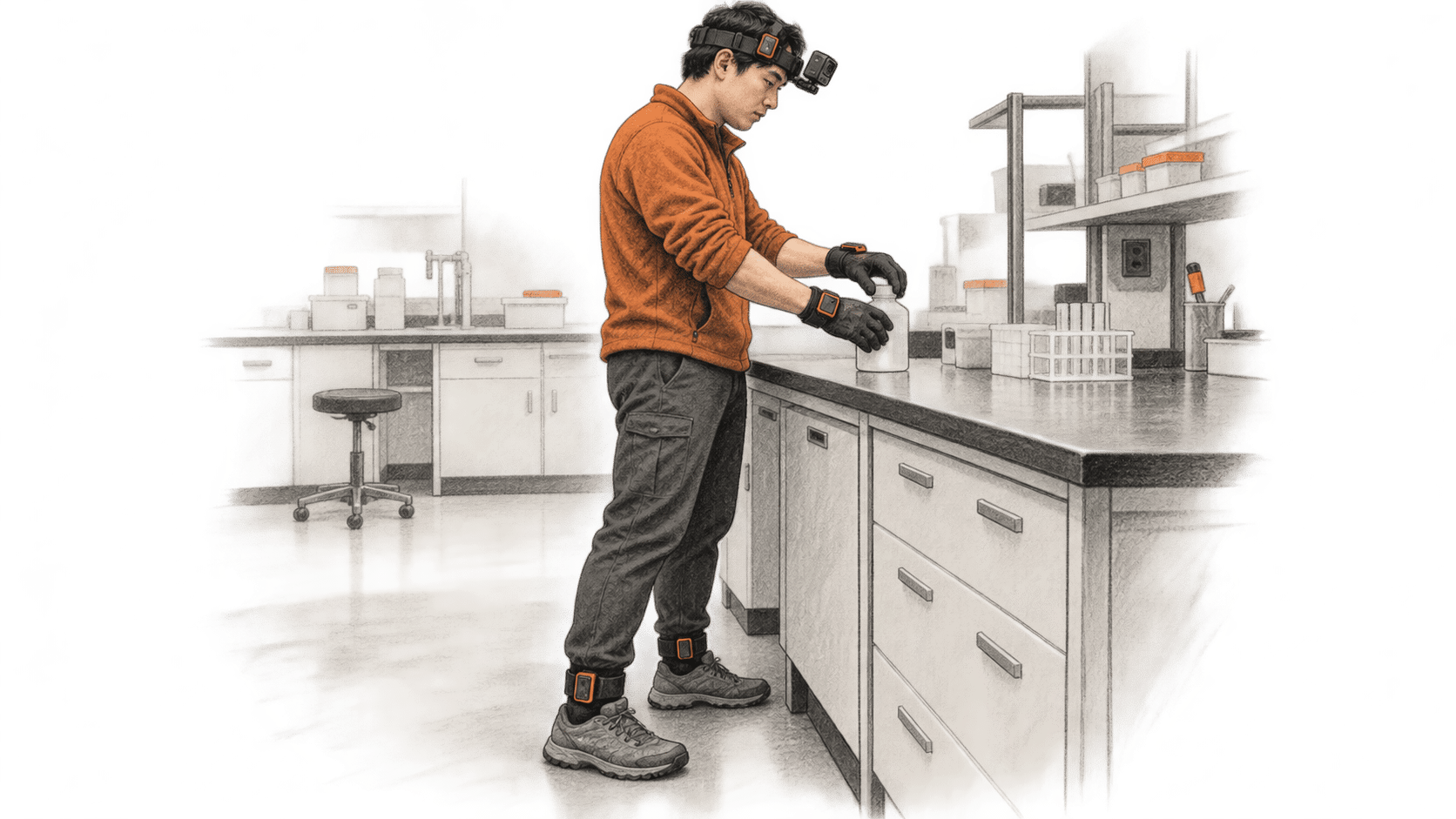
A wearable system pairs video, trackers, gloves and touch across 100 hours of human activity. Its full-body motion is reconstructed, and robot replay remains a two-clip simulation.
A community fork of OpenAI’s mathematics collection is recording manuscript edits, reviews and follow-up work. Its growing notes do not certify the proofs.
Continues From unit distances to Navier-Stokes: AI mathematics reaches a new phase
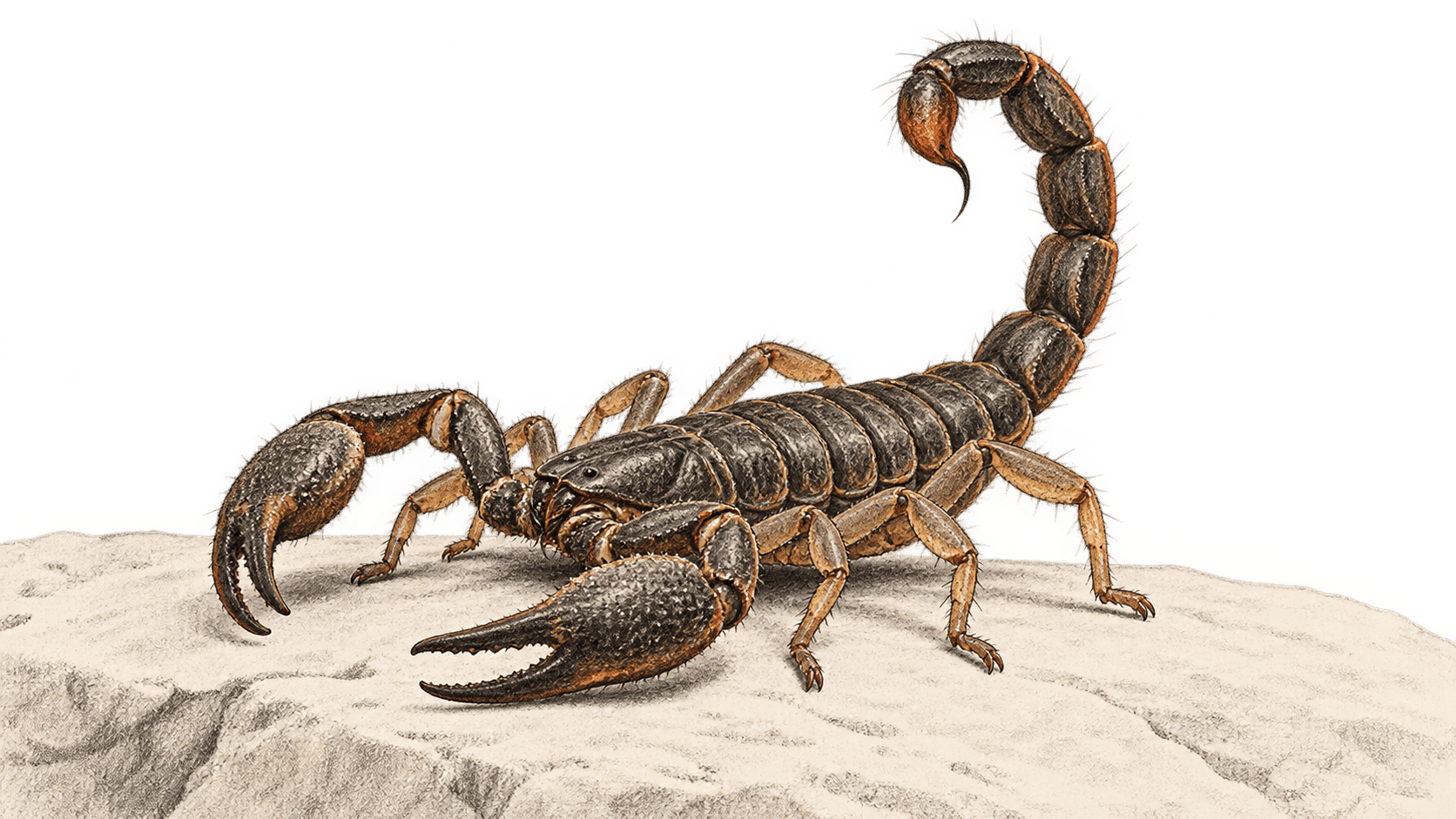
Anthropic reports that 17 of 211 selected protein designs met its toxin-binding criteria. The study did not test whether they neutralise venom in cells or animals.