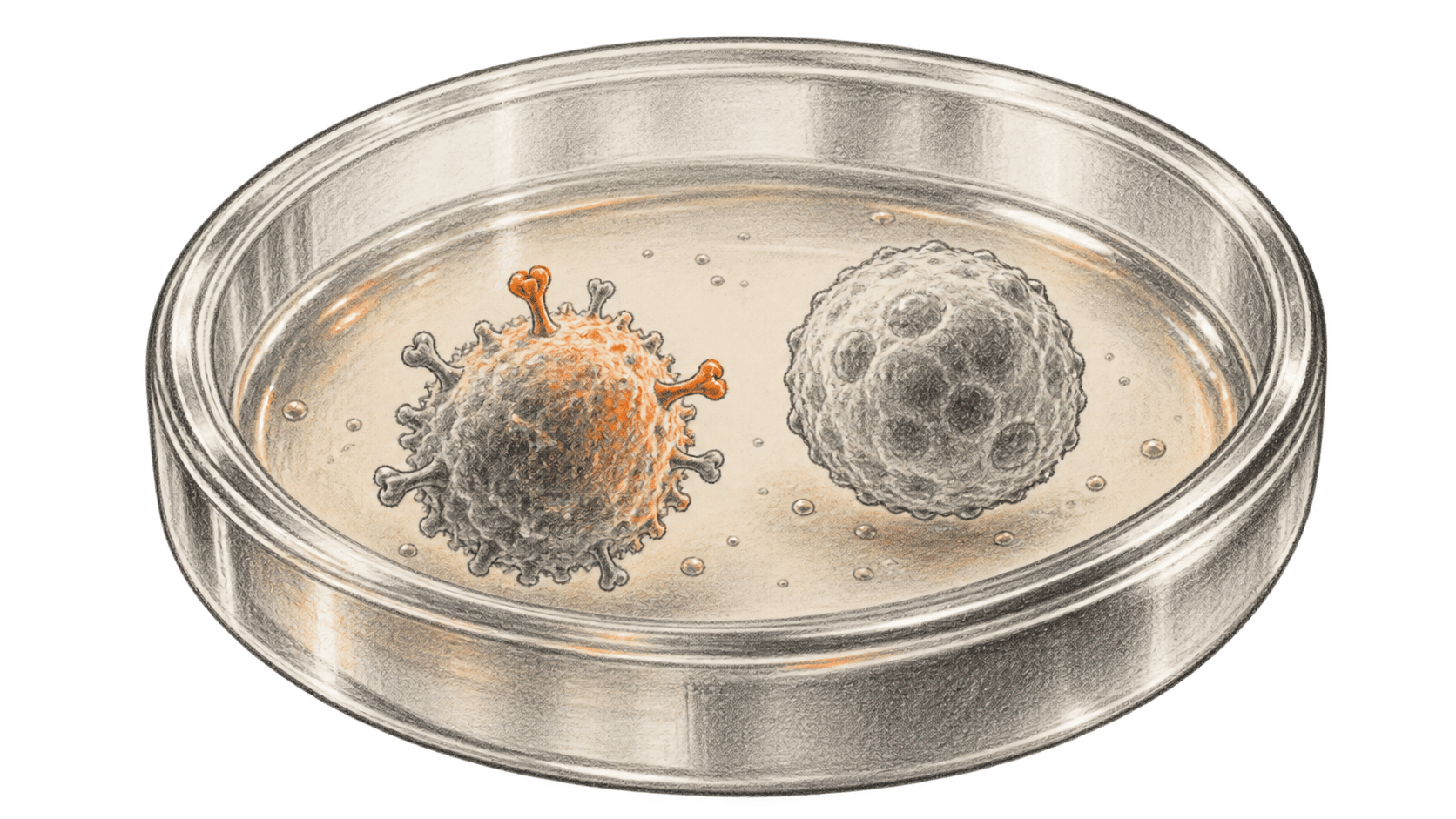
A study screened 12,000 designed CD20 binders in CAR-T cells. It found 707 pooled growth hits; four of ten individually tested showed significant specific target-cell killing.
A new paper ranks candidate explanations by statistical certification, fit with background knowledge and simplicity, then tests how the approach behaves in synthetic and dataset-based tasks.
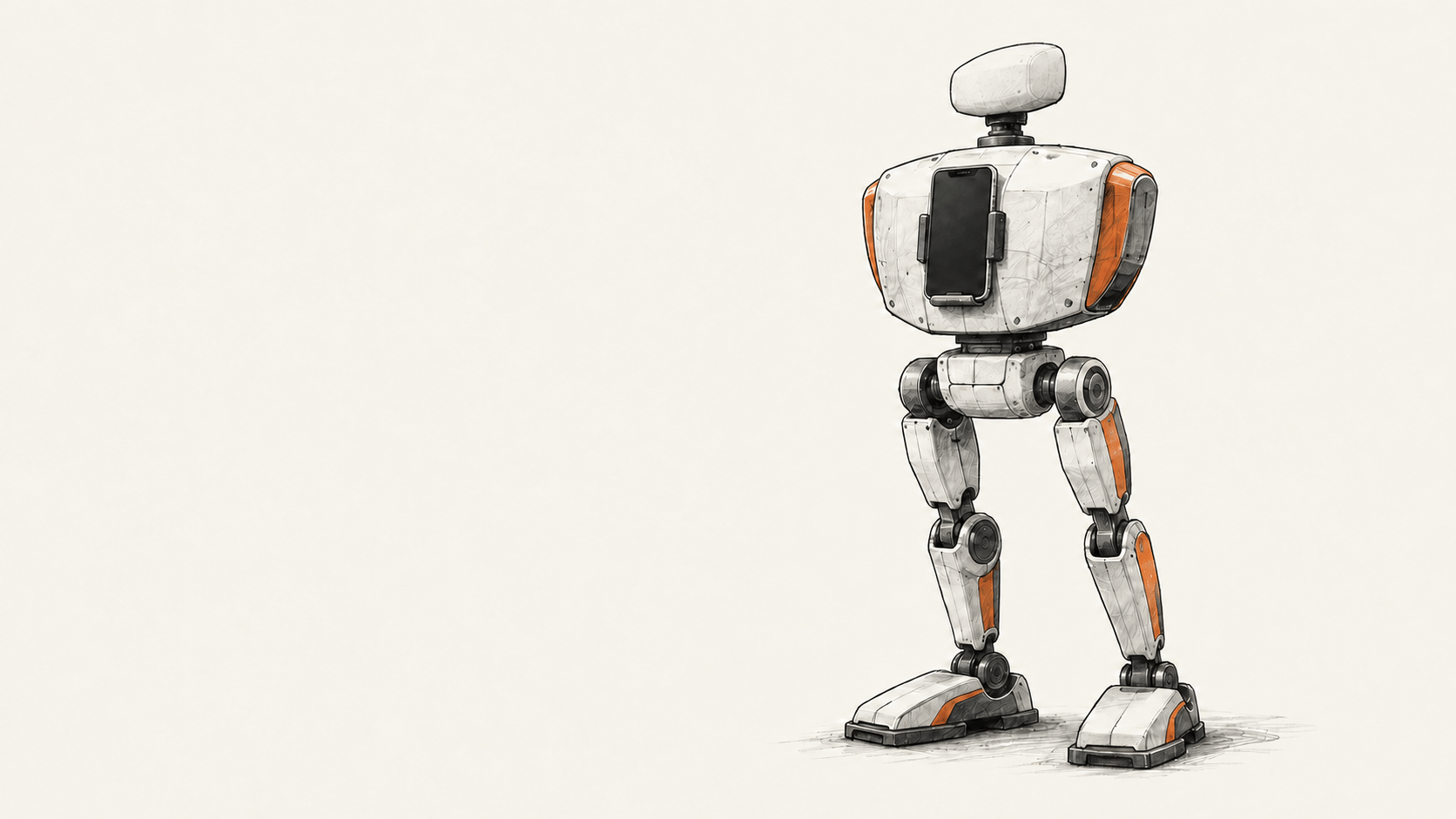
A UCLA team's PhoneBot preprint puts sensing and walking control on an Android phone, while 13 servos and a separate onboard computer still move the prototype.
Nikon disqualified the first-place Small World in Motion video under its generative-AI rules. Its finding addresses competition eligibility, while the rule leaves the boundary for AI-assisted processing unclear.
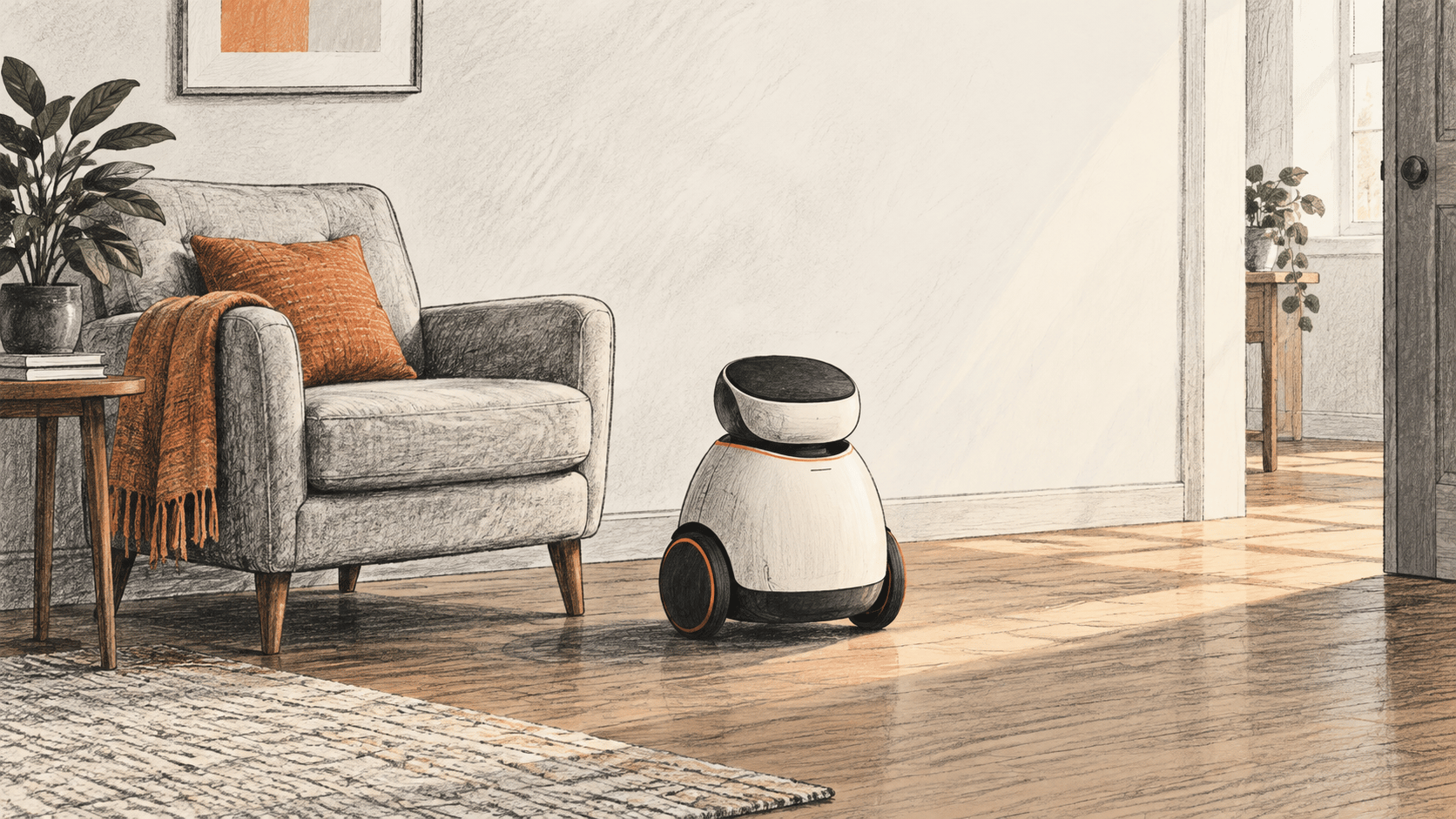
Kawasaki has built a Home LEO prototype. Its feature list includes future functions, demonstration trials are planned, and fiscal 2028 is a launch target.
A xenobot preprint reports 80% accuracy when an AI-trained system matches new motion instructions to archived trials. Its predictions have not been tested on new organisms.
The Association for Human Mathematics objects to OpenAI's proprietary math research and mass release. Withdrawals and proof repairs show a changing record, not a verdict on the whole collection.
In a World Science Festival interview, Tristan Buckmaster explains how AI-produced arguments were formally checked and why readable proofs and independent assessment still matter.
OpenAI withdrew three math manuscripts over a sign error. The notices identify the failed proof step, preserve earlier PDFs and leave the claims unproved.
OpenAI's mathematics release shows why AI-produced research needs independent checking, explanation and replication. Industry use can test practical value within its scope.
OpenAI's collection contains 722 manuscripts in 372 families. A close look at one Lean proof configuration shows how to inspect versions, scope and checking requirements.
Utah's agreement permits Nolla to initiate a narrow set of topical acne prescriptions for adults, but the state says the demonstration has not started while Nolla says it is available.
IWF assessed 6,310 AI-generated child sexual abuse images in the first half of 2026. Its conflicting 2025 totals leave the exact growth rate unresolved.
Ai2's open AstaBrief model writes cited reports from a research question and retrieved excerpts. Here is the documented workflow and how to check its claims.
A Cambridge working paper examines whether AI-led research could accelerate AI progress. Anthropic's 26% figure shows supervised work, while the proposed feedback loop remains conditional.
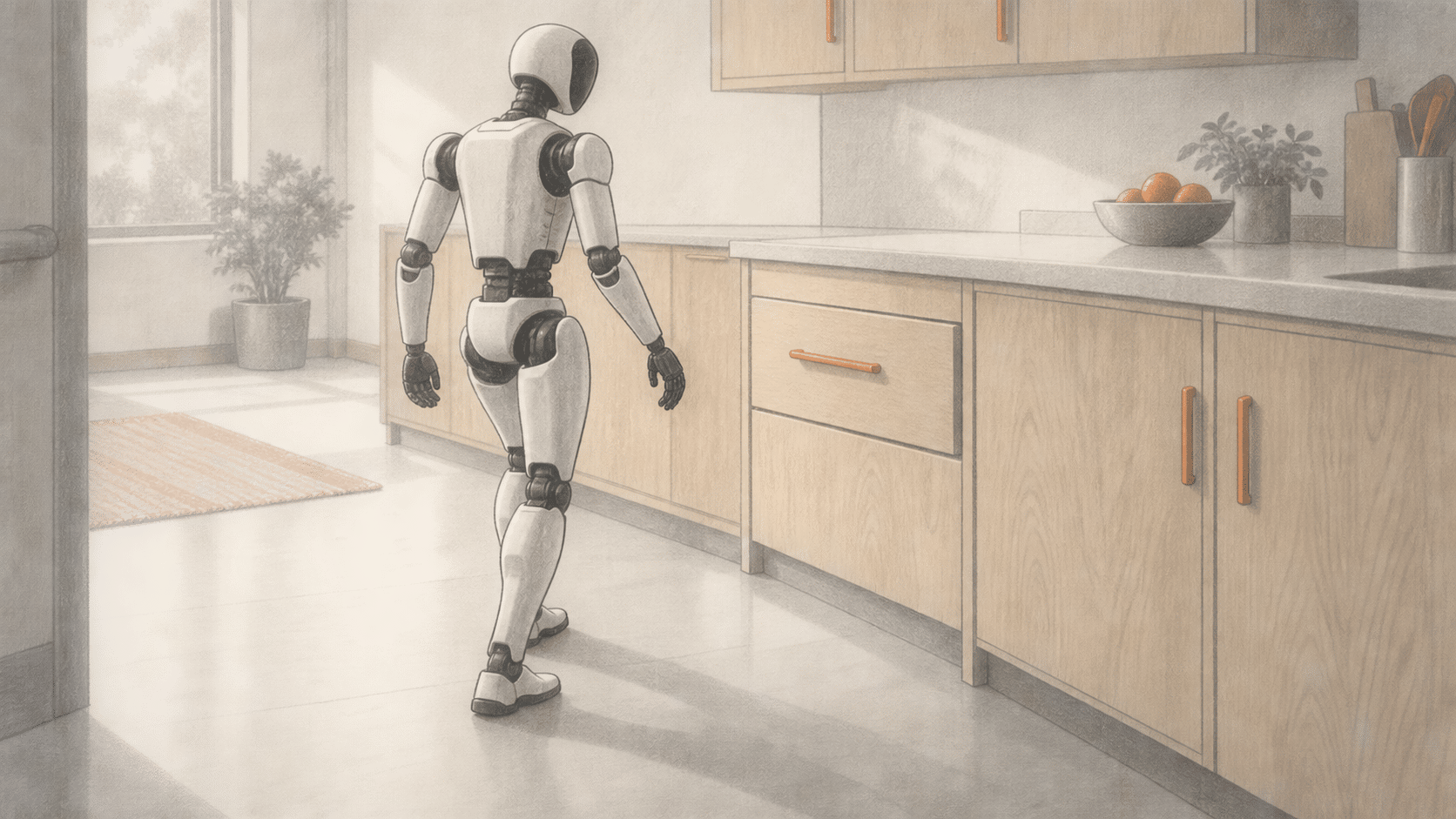
Caltech and Stanford researchers show a Unitree G1 using a remembered kitchen map and reusable skills. The release has selected demonstrations but no controlled results, full paper or robot code.
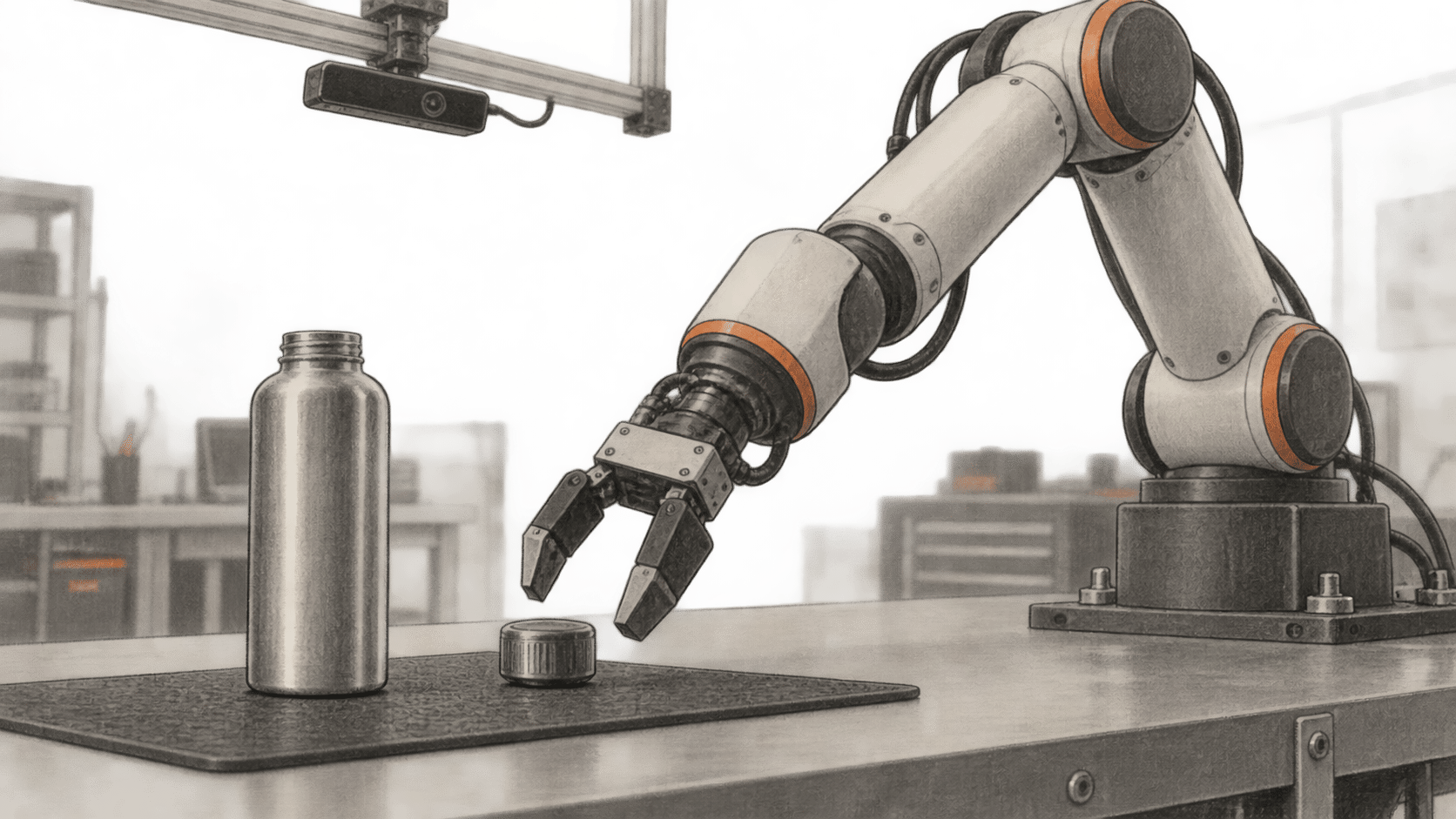
A September preprint reports a three-trial mobile-exploration task alongside robot-arm experiments. It does not verify the separate Reddit claim about GPT-6 Astra and a Unitree G1.
872
The BIG CHANGE newsletter
The big picture. At your pace.
Recent stories on AI and robotics, the shifts worth watching and practical ideas to use. Choose a daily briefing, weekly digest or monthly perspective.
Next scheduled send (UTC): . Your first edition arrives at the next scheduled send after you confirm.
Your privacy, your choice.
Necessary storage supports site security and remembers your choices. Optional Google Analytics stays off until you allow it. You can read every story with necessary storage only. Privacy details