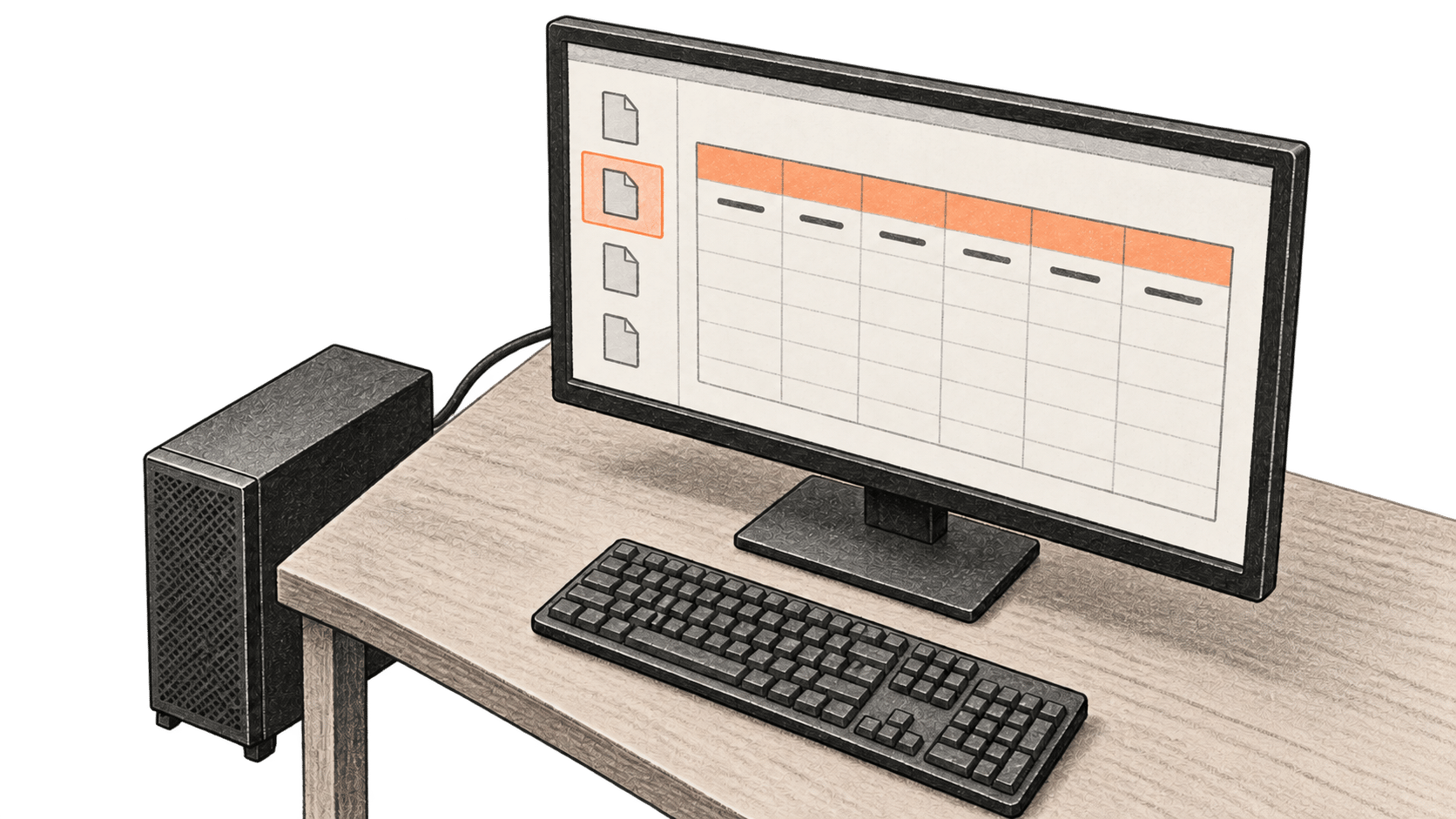
How to run RADAR's bundled abdominal CT research demo
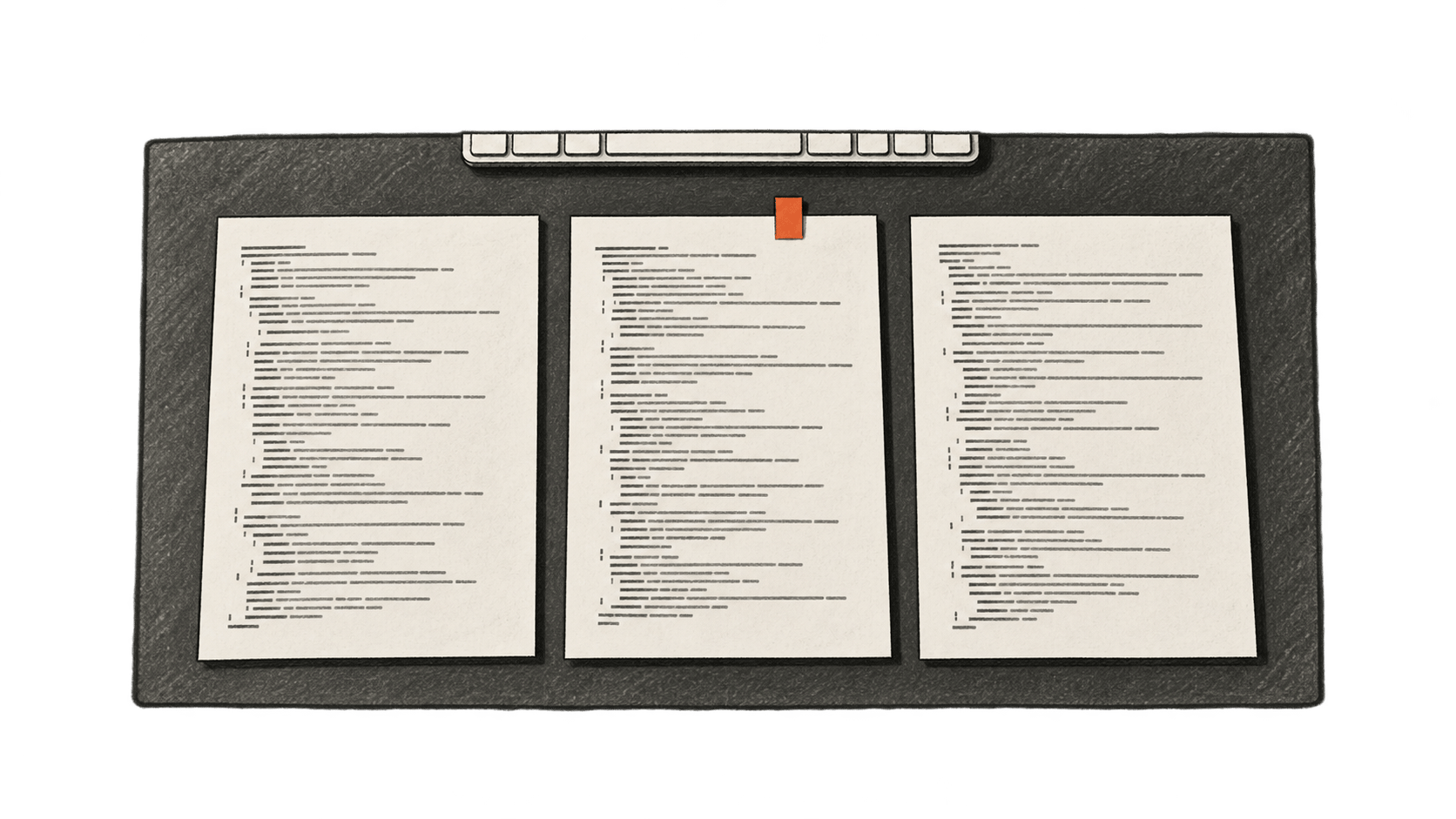
A documentation-led guide for authorized imaging AI researchers to run RADAR's supplied abdominal CT case, verify a fresh score CSV and understand what the scores cannot show.
Explore BIG CHANGE reporting on Science & Health: what changed, how it works and why it matters.
A documentation-led guide for authorized imaging AI researchers to run RADAR's supplied abdominal CT case, verify a fresh score CSV and understand what the scores cannot show.
OpenAI has acquired Orchestra Bio and plans to bring its drug-program coordination platform together with Rosalind. A combined product and faster treatments remain goals, not demonstrated results.
Anthropic reports that 17 of 211 selected protein designs met its toxin-binding criteria. The study did not test whether they neutralise venom in cells or animals.
Google's biotech reference design separates agent planning, GPU scientific computation and access controls. The combined workflow remains an unmeasured proposal.
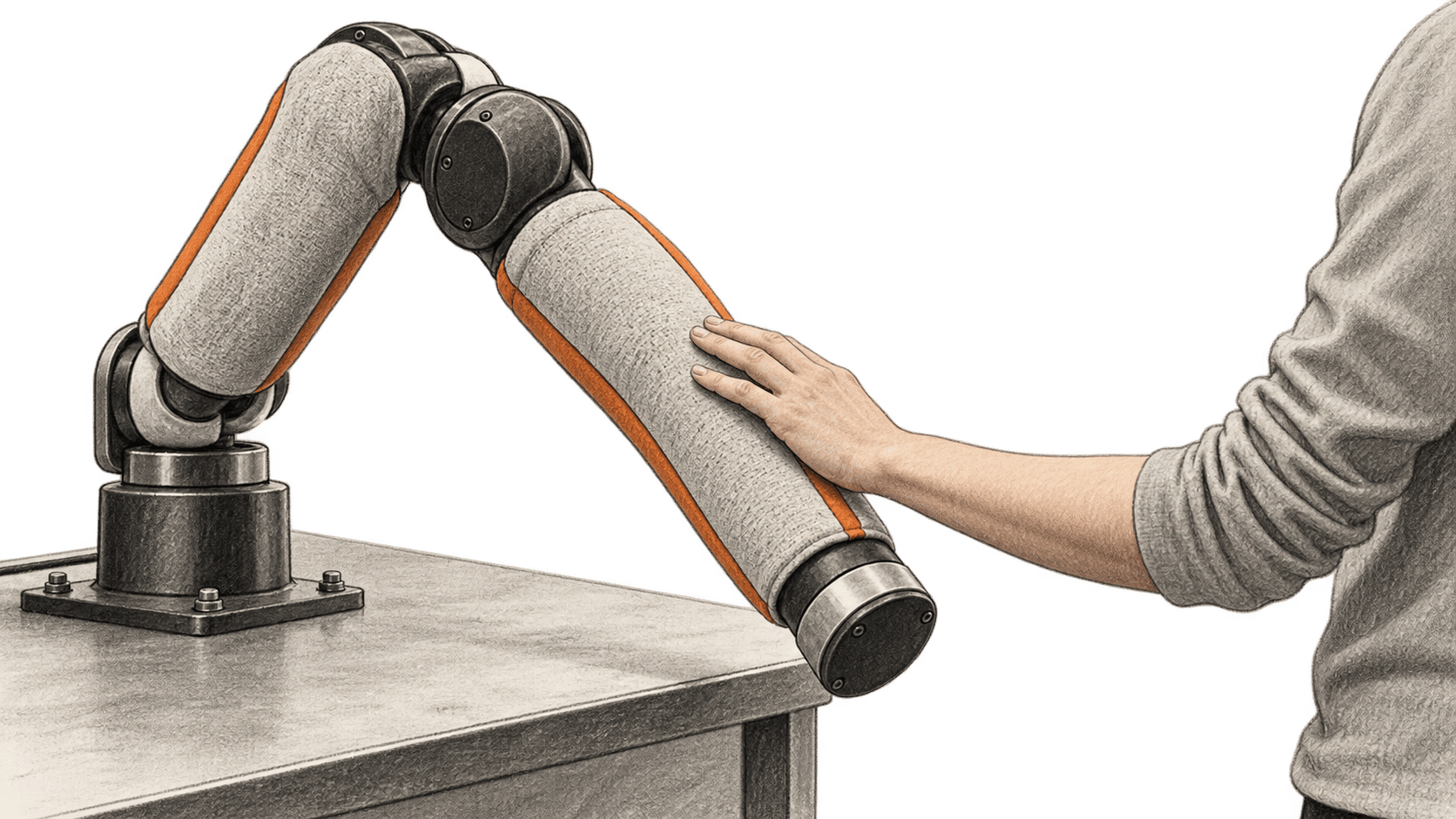
HKUST's EmArm research prototype uses tactile skin and joint sensing to adjust movement. Lab tests cover touch recognition, object balancing and obstacle avoidance; deployment remains untested.
An author-reported benchmark follows AI agents through dependent bioinformatics tasks. Scores fall on later steps, while feedback improves results under limits.
An Anthropic and Harvard preprint uses Claude to propose quantum circuits and a separate evaluator to check them. Seven of eight tasks show lower estimated gate and qubit counts under the paper's comparisons.
Taiyo Yuden demonstrated a urine-odor sensor and AI pattern analysis at CEATEC. The reviewed sources do not establish clinical performance for its proposed examination prompt.
Danaher and NVIDIA plan integrations across scientific instruments, AI models and data analysis. The announcement names computing tools but leaves products, access and measured results unspecified.
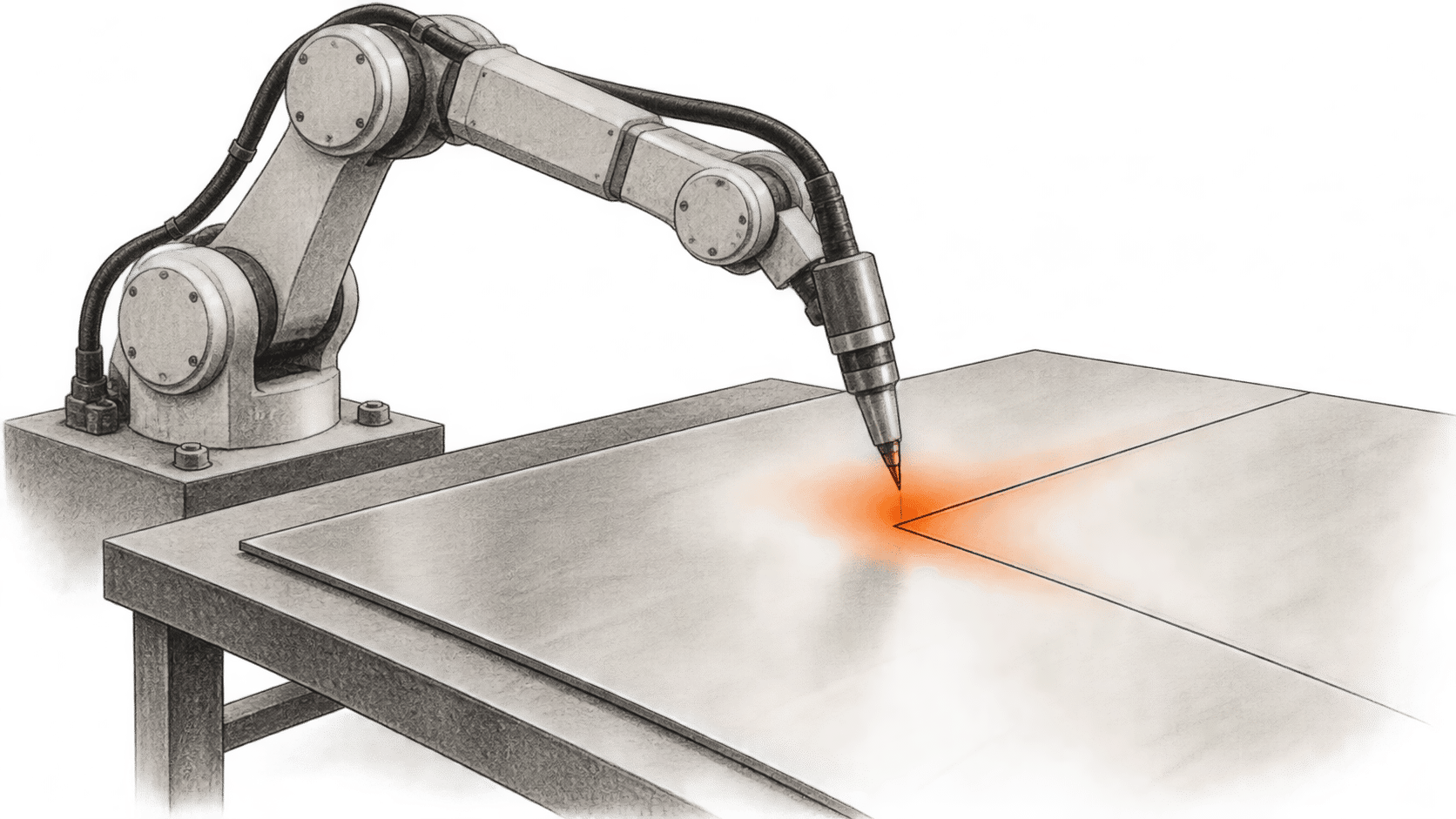
An ISPARK preprint joins a weld-pool model, a fast surrogate and a simulated robot. Its corner test compares modelled widths; physical welding validation remains ahead.
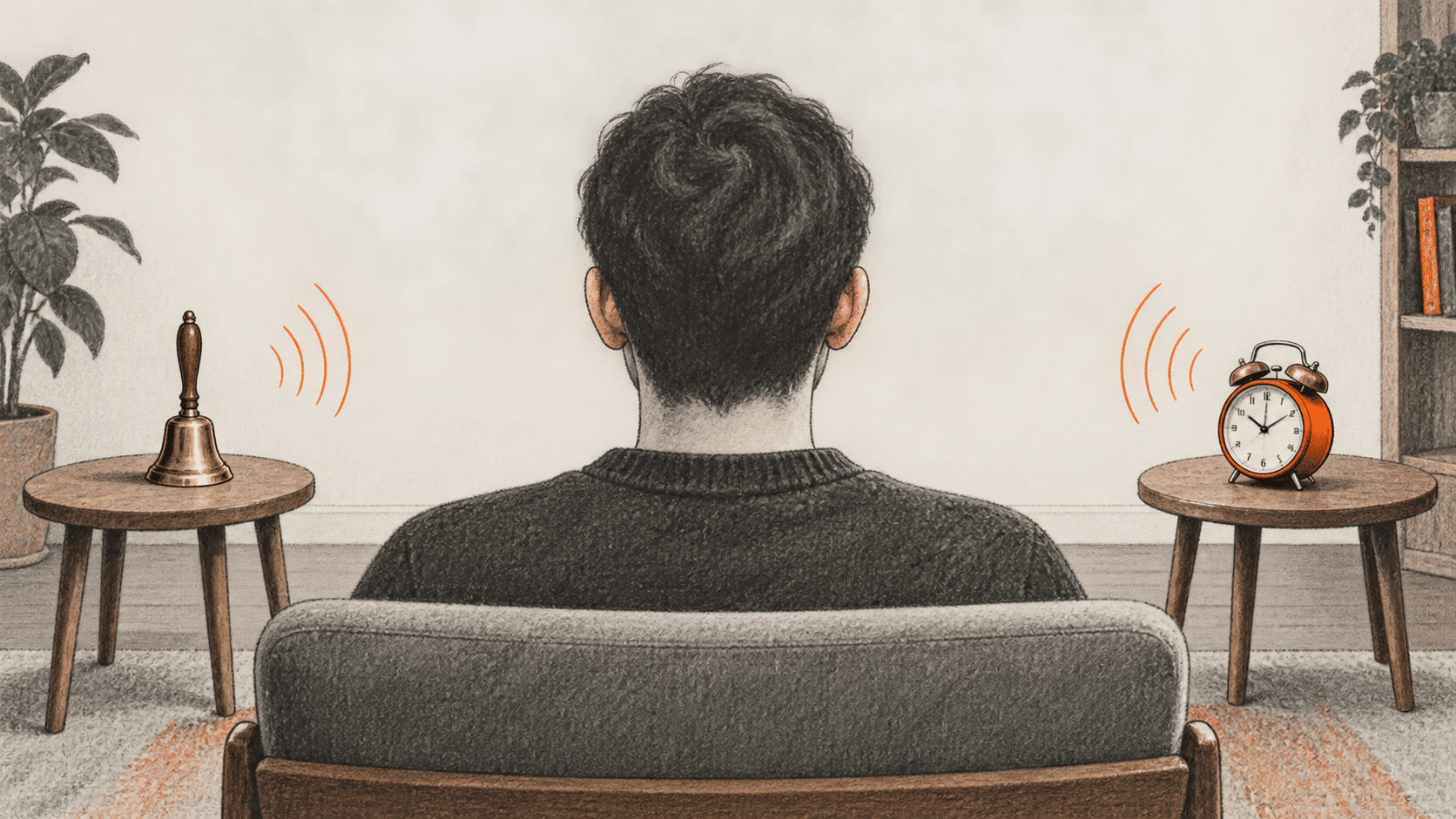
Xiaomi researchers released an audio-language model for spatial questions. Its preprint reports stronger directional benchmark scores with two-channel input, while complex scenes remain difficult.
OpenAI is taking applications from eligible U.S. university labs for up to 30 sponsored ChatGPT Business seats and GPT-Rosalind access, subject to verification, approval and activation.
Simons, Anthropic and OpenAI have committed $15 million in combined funding and resources. The foundation will manage awards for mathematicians to examine AI-assisted work and develop standards.
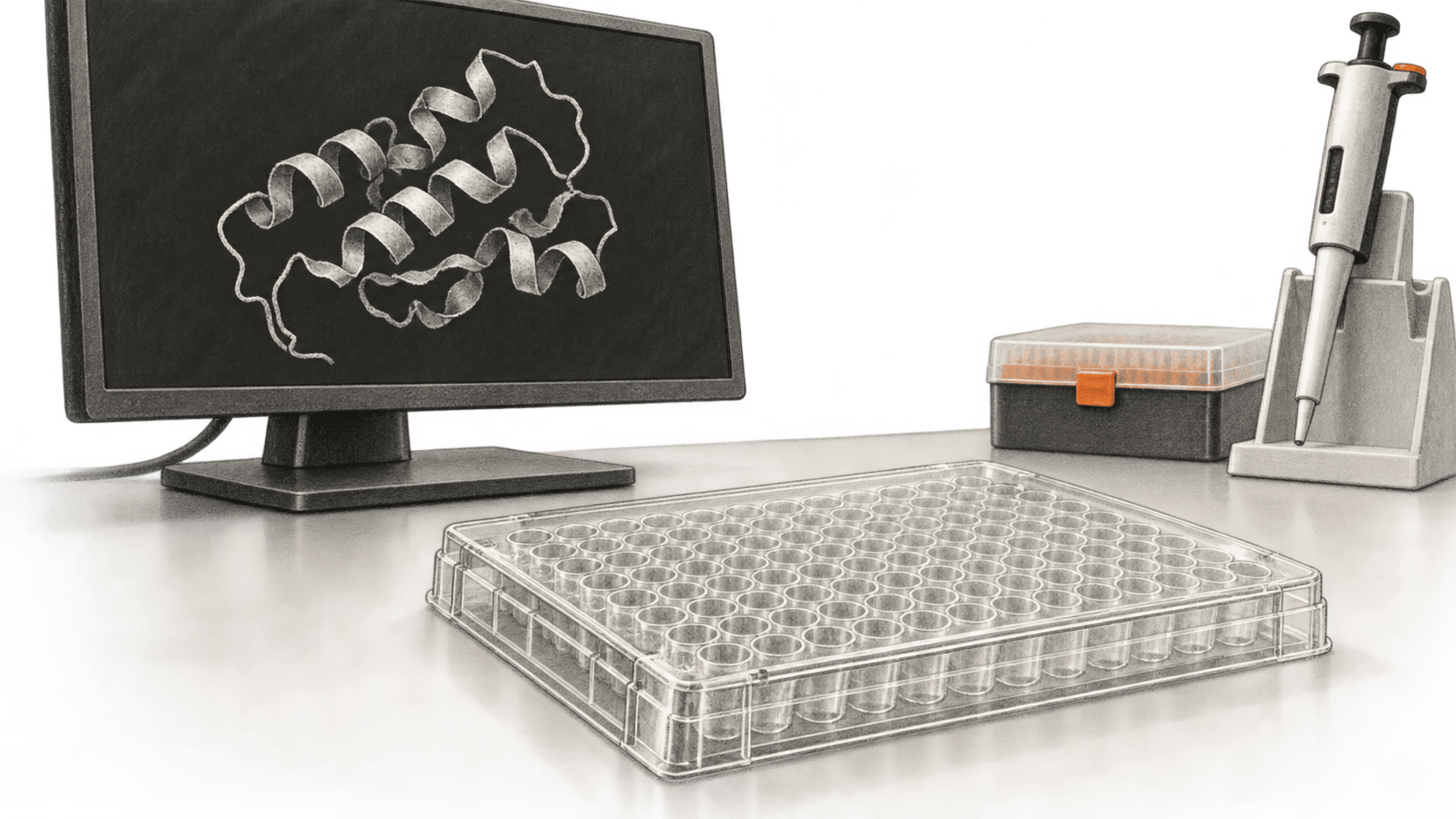
Google traced one peptide candidate through sequence, structure and genomic checks with Antigravity. Its predicted activity still awaits lab results.
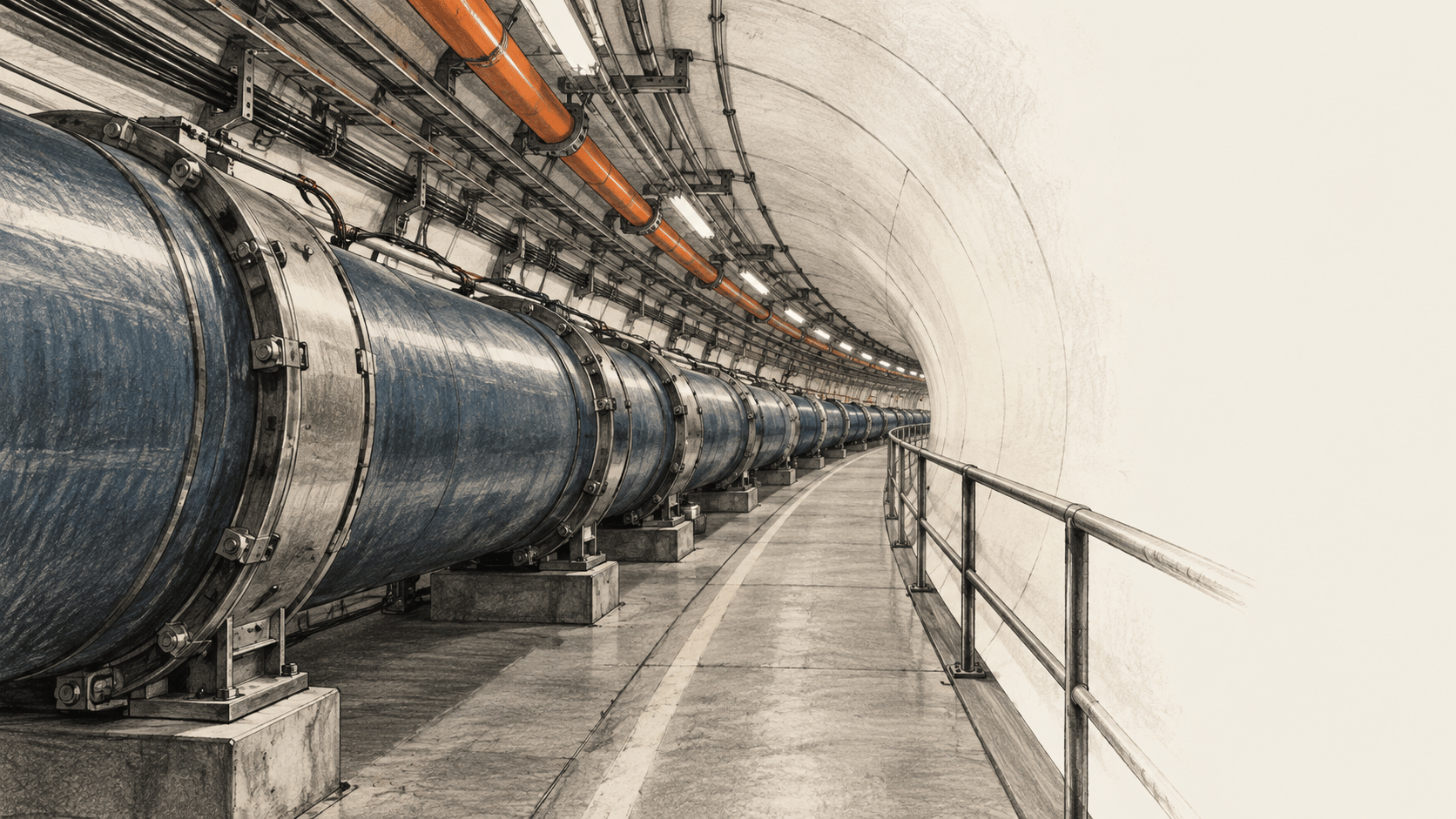
CERN and Mistral signed a statement of intent for AI in physics. Existing CMS reconstruction work predates the proposed foundation-model partnership.
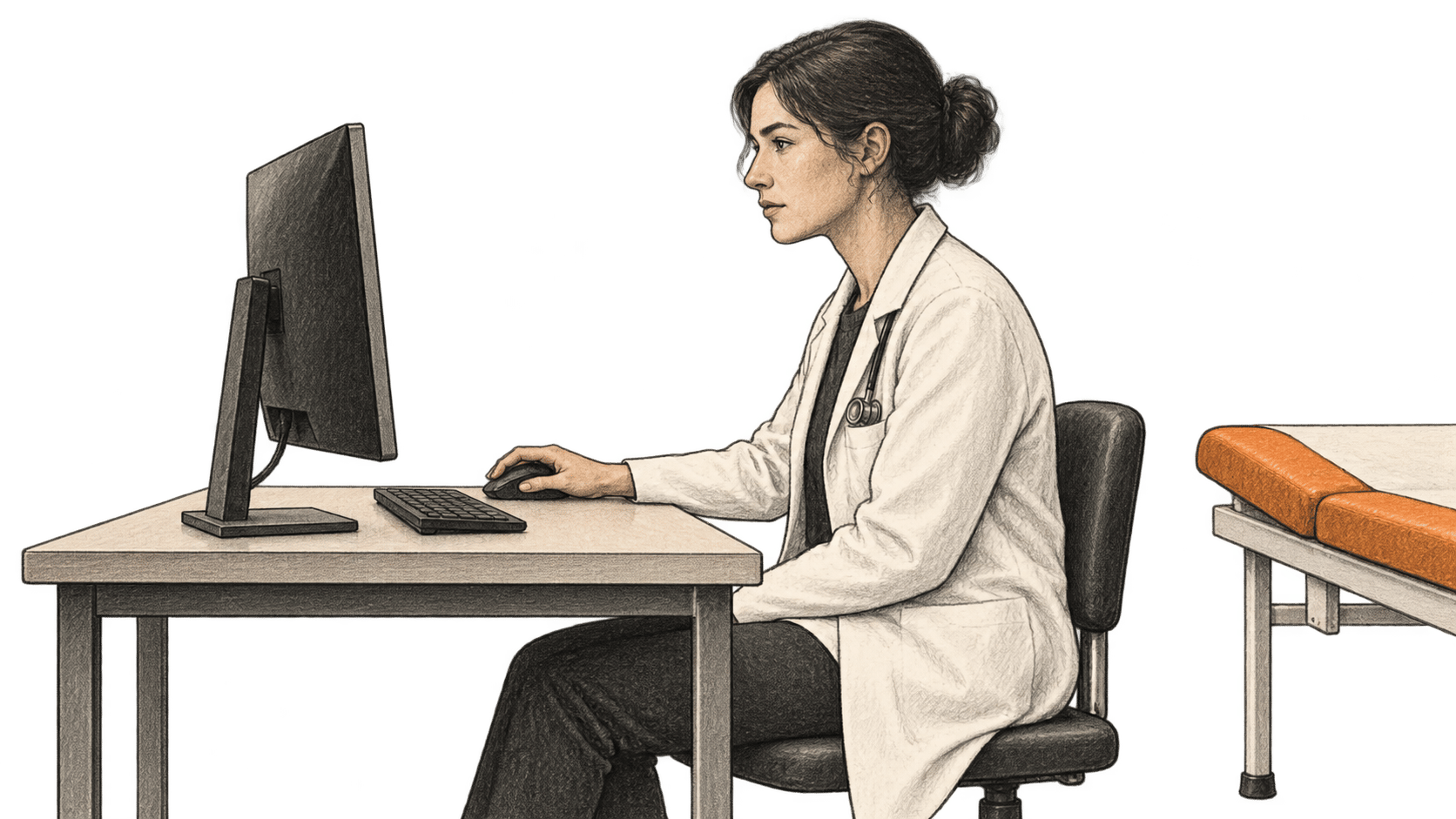
Doctolib says a planned NVIDIA minority investment will support its AI work. Its existing consultation tools, patient-assistant rollout and clinical plans have different evidence and release stages.
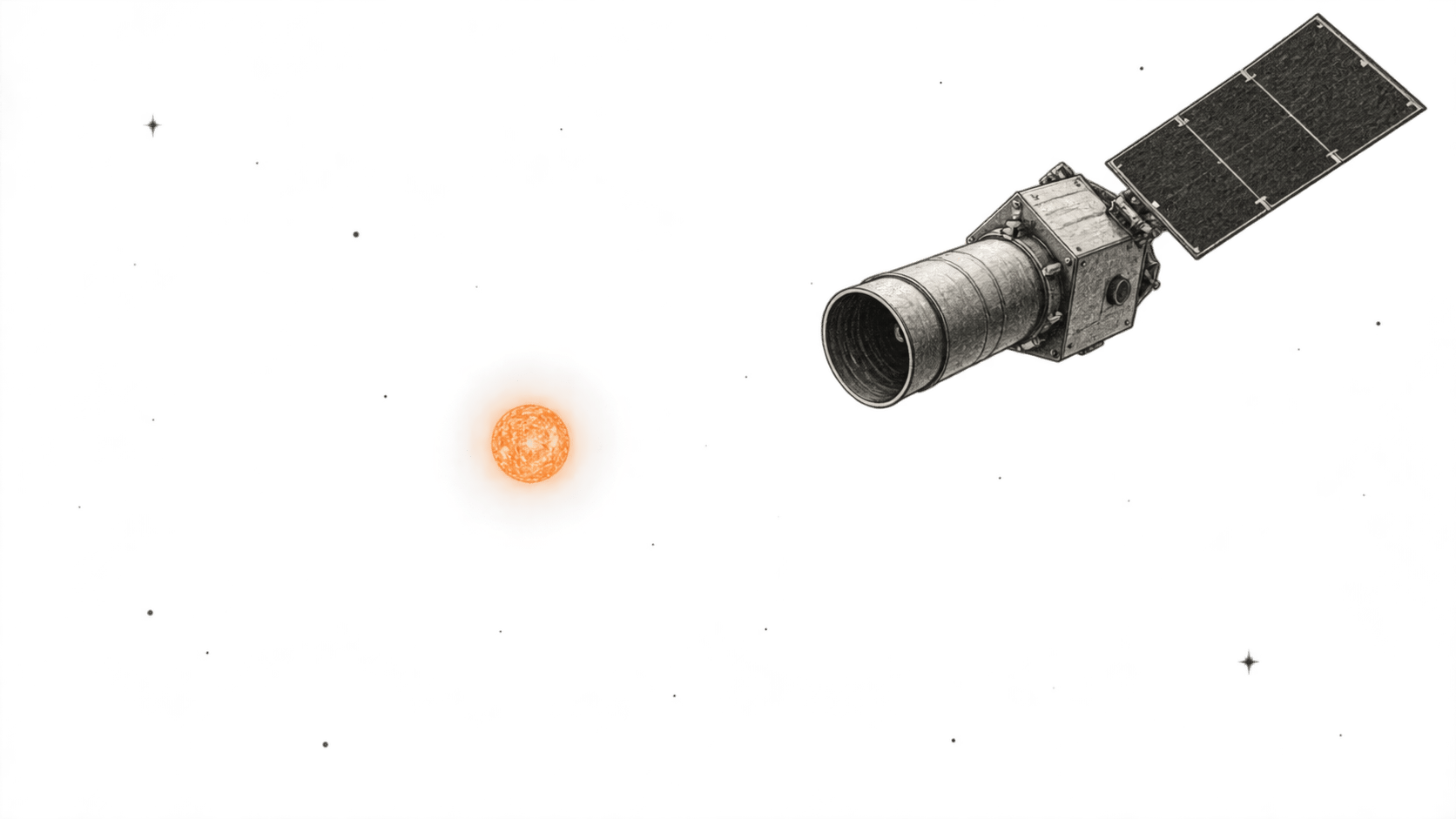
TESS has an active target for TIC 4206066. New observations will test a researcher's preregistered transit predictions, while the planet interpretation remains unconfirmed.
Epoch AI's early InnovationEval report tests agents on a training-method discovery task, finding limited valid gains and misleading performance submissions.