Google announces Gemini Agent for enterprise work
Google announced one Gemini work agent across Workspace, data and code, with governance and cost controls. Several advertised functions remain in early access.
Explore BIG CHANGE reporting on Work & Business: what changed, how it works and why it matters.
Google announced one Gemini work agent across Workspace, data and code, with governance and cost controls. Several advertised functions remain in early access.
Anthropic's new Haiku model has lower token rates, a different tokenizer and Messages API migration changes. Existing Haiku 4.5 users should recount requests and test response handling before switching.
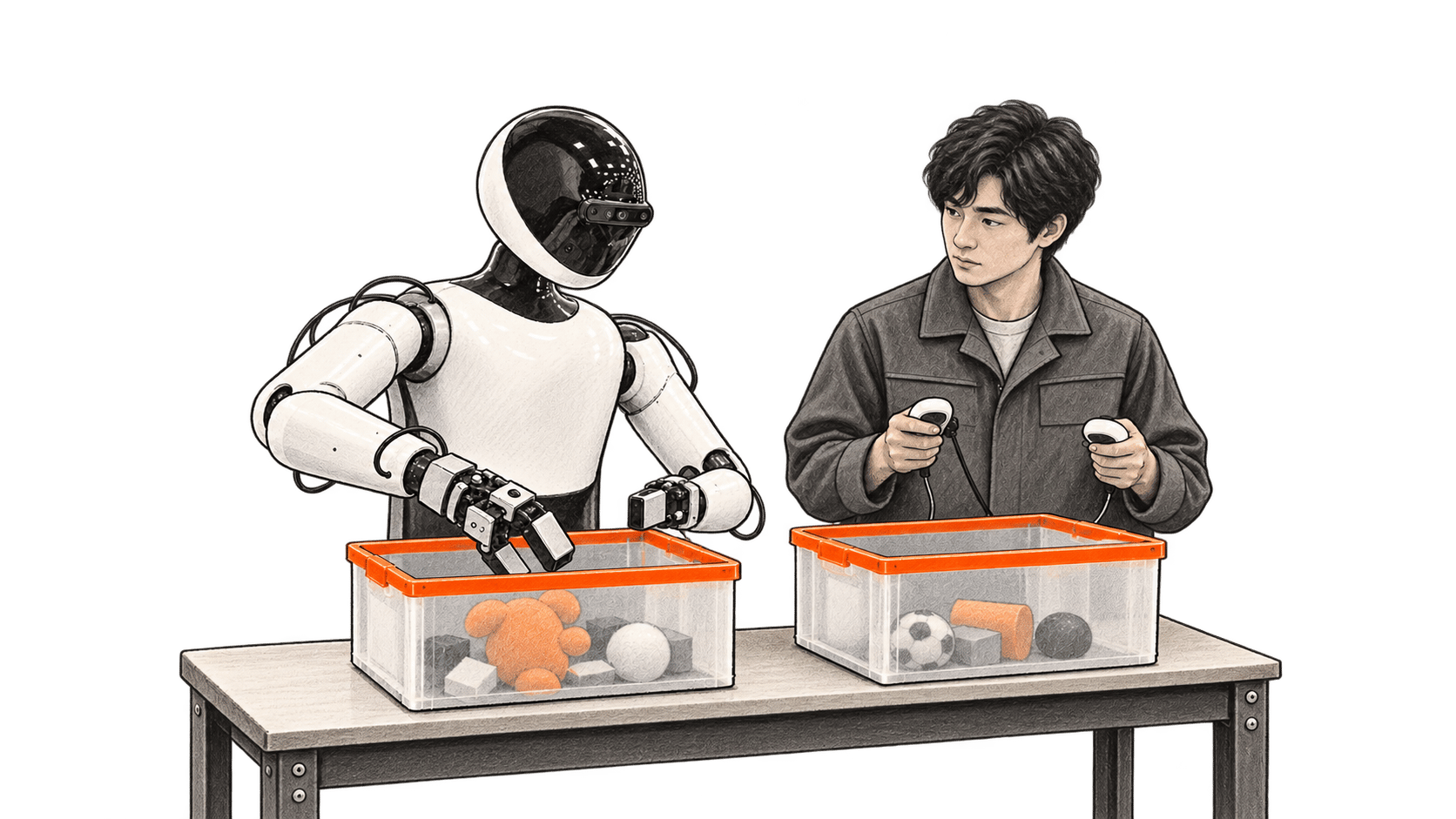
J-HRTI opened a humanoid data facility with 35 robots in August. Japan’s separate ¥387.3 billion FY2026 model program funds research, with no documented grant to the facility.
Barclays reports broad Claude use in customer support, email triage and software development. Its figures show activity and future targets, but leave error rates, productivity and costs undisclosed.
Surveys show wider workplace AI use, while experiments find gains and failures in specific tasks. Usage data cannot yet show that other jobs will match coding's intensity.
California signed three AI-related workplace bills. Layoff-notice and surveillance rules are expected in January 2027; automated decision rules operate in July.
DoorDash's September 30 AI launches cover text ordering, Dasher support, restaurants and office agents. Access ranges from live SMS help to selected-user and corporate betas.
The companies agreed to develop GPT-Synopsys around chip-design tools and report early customer engagements. The announcement gives no public launch date, price or measured result for the model.
Meta has added business accounts and outside tools to Muse. Owners still need to approve publishing, sending and spending, while access and plan limits vary.
OpenAI announced a finite-choice Decisions API in limited preview. Its recap describes classification and routing, while public integration details remain unpublished.
Continues OpenAI DevDay 2026: launches, availability and what builders can use
OpenAI's DevDay recap lists 20-plus launches across models, Codex, APIs, plugins and teams, from available releases to previews and future rollouts.
Anthropic claims faster output and lower cost per task for Sonnet 5.5 at unchanged token rates. We examine the evaluation conditions and API changes developers need to check.
Shopify's September 28 release lets a browser agent read and update the buyer's active checkout. Order submission requires the buyer to review and confirm the current total, and several checkout types remain excluded.
Samsung and SK hynix both report HBM4 shipments. Their Nvidia and OpenAI announcements leave customer allocations and future capacity unclear.
Newcastle, Melbourne and UNSW set different boundaries for AI-assisted marking. Their rules also differ on disclosure, opt-outs and academic responsibility.
Google's stable Gemini 3.8 TTS models lower generated-audio costs, but prices double January 1 and migration changes prompts and WAV handling.
A Codex subscriber reports lower API-equivalent value after GPT-6 Sol's price cut. That figure alone cannot establish fewer tokens or less work per subscription.
Stripe separates agent maintenance from infrastructure. Its design raises a practical question: who owns instructions, permissions and evidence that the work is correct?