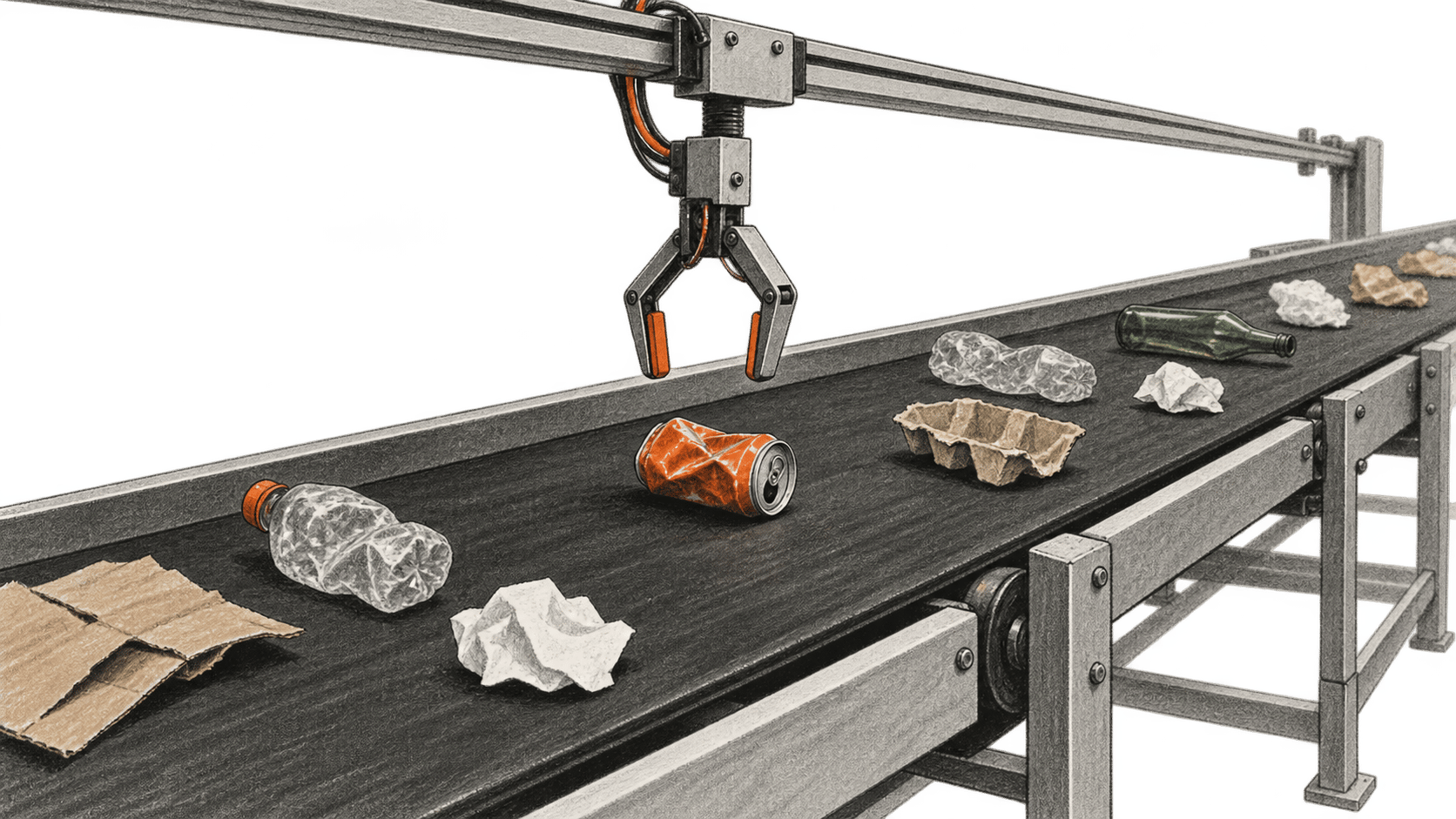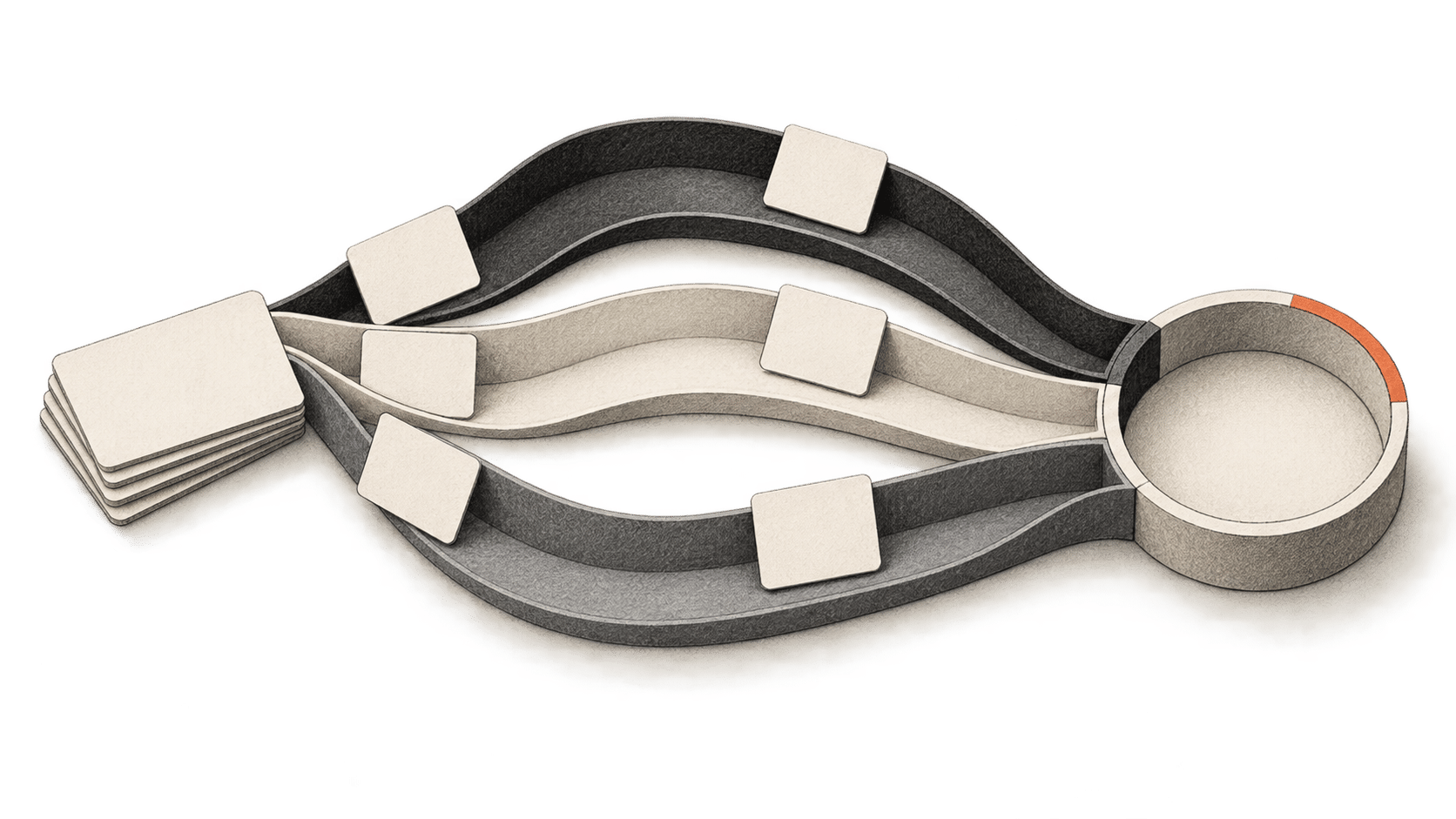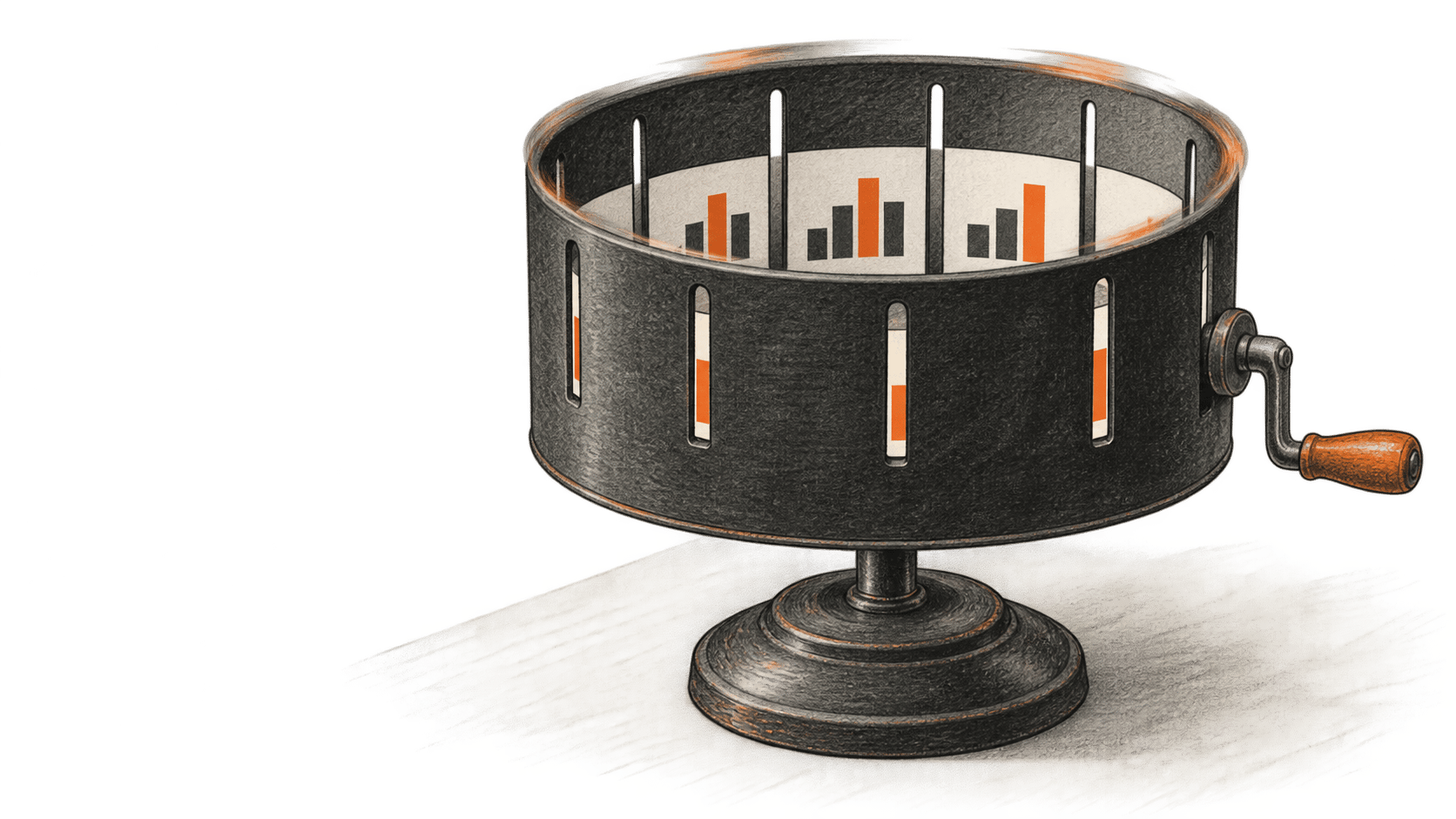
Anthropic announced Claude Dashboards and Claude Motion on October 8, 2026. Both are beta features inside Claude’s Artifacts workspace, but they make different kinds of output: Dashboards turns connected business data into charts with inspectable SQL and refresh times; Motion turns supplied content into editable, code-based animation that can be exported as an MP4.
Their release extends a story that began with Claude Docs, which BIG CHANGE covered when Anthropic introduced shared documents for team context. The new announcement adds two more artifact templates and says Docs, Slides and Design have moved out of beta. The practical distinction is clear in the official setup guides: Dashboards is for quick exploration of connected data, while Motion is for communicating information through short visual sequences.
Dashboards puts a query behind each chart
A user can connect a supported warehouse or an app already connected to Claude, then ask for a dashboard in a chat or from the Artifacts tab. The Claude Dashboards setup guide lists Amazon Redshift, BigQuery, ClickHouse, Databricks and Snowflake as warehouse options. Salesforce is an example of a connected app. A request can describe a question, such as comparing signups across periods, and Claude writes a SQL query for each chart and runs it against the selected data source.
The operator can open a chart’s query to see what Claude counted. Each chart also displays when its data was last refreshed. Those details give a reviewer two useful checks: whether the query matches the intended metric, and how current the displayed result is. If the definition is off, the user can ask Claude to change it or refine the dashboard in chat, including by adding a filter or changing the time grouping.
Anthropic describes Dashboards as suited to quick, exploratory questions. The documentation advises taking a dashboard to another tool when a question requires deeper analysis. That is an important boundary: a generated chart is an inspectable starting point, not evidence that the chosen business definition is correct. The docs describe query visibility and refresh information; they do not establish the quality of a given result, the correctness of an organization’s data model or suitability for a high-stakes decision.
Motion makes code-based animations that users can edit
Motion accepts a prompt and can use attached material such as a report, data or images. Claude builds an animation from text, charts, shapes and images as code. Users can revise it through chat, edit it directly in the editor, and export it as an MP4. The Claude Motion guide suggests specifying the audience, where the animation will play and its approximate length.
The code-based approach makes individual changes possible: Anthropic says a user can change a word, number or timing while leaving the rest of the animation as it was. Motion is not a video-generation model. It does not create realistic footage or people. That difference matters when choosing a tool: Motion is positioned for animated explainers, charts and walkthroughs built from supplied content, rather than footage of real-world scenes.
The guides cover creation, editing and export, but do not document controls such as frame-level animation APIs, video codecs or production guarantees. Those details should not be assumed from the MP4 export option. Anthropic’s documentation also does not establish how faithfully an animation will preserve a source report’s nuance, so users still need to check the finished sequence against the underlying material.
Access, organization controls and usage
Feature | Available plans in beta | Organization setting | What users can inspect or export |
|---|---|---|---|
Claude Dashboards | Pro, Max, Team and Enterprise | Enterprise is off by default; an owner enables it | SQL for each chart and last-refresh information |
Claude Motion | Team and Enterprise | Team is on by default; Enterprise is off by default until an owner enables it | Editable animation code and MP4 export |
Both require Cloud code execution and file creation to be enabled in Claude’s capabilities settings. On Enterprise, an owner can also restrict access to specific groups with custom roles. The features count toward the plan’s usage limits; Anthropic says longer or more complex Motion work uses more of that limit than a typical message. It publishes no separate price or usage guarantee for either beta feature.
Anthropic lists Docs, Slides and Design as available across plans and no longer in beta. Its Artifacts guide says those templates are on by default, with Enterprise defaults changing on October 15, 2026; owners can enable them earlier. Dashboards and Motion remain beta, and Anthropic says beta experiences can change, vary in reliability or be removed.
The documentation establishes the announced workflows and access rules. BIG CHANGE has not tested either feature. Teams considering them should verify their plan and administrator settings, check dashboard queries and refresh times against their own definitions, and review Motion’s output against the source material before sharing.
The big change
Anthropic is expanding Claude Artifacts from documents, slides and designs to two distinct outputs: data dashboards and code-based animations. Dashboards exposes the SQL and refresh time behind each chart; Motion lets users edit the animation and export an MP4. The beta access differs by plan, and both depend on enabled code execution and file creation. The launch gives Claude users a documented path from connected data or supplied content to a shareable artifact, while leaving accuracy and final review with the user.