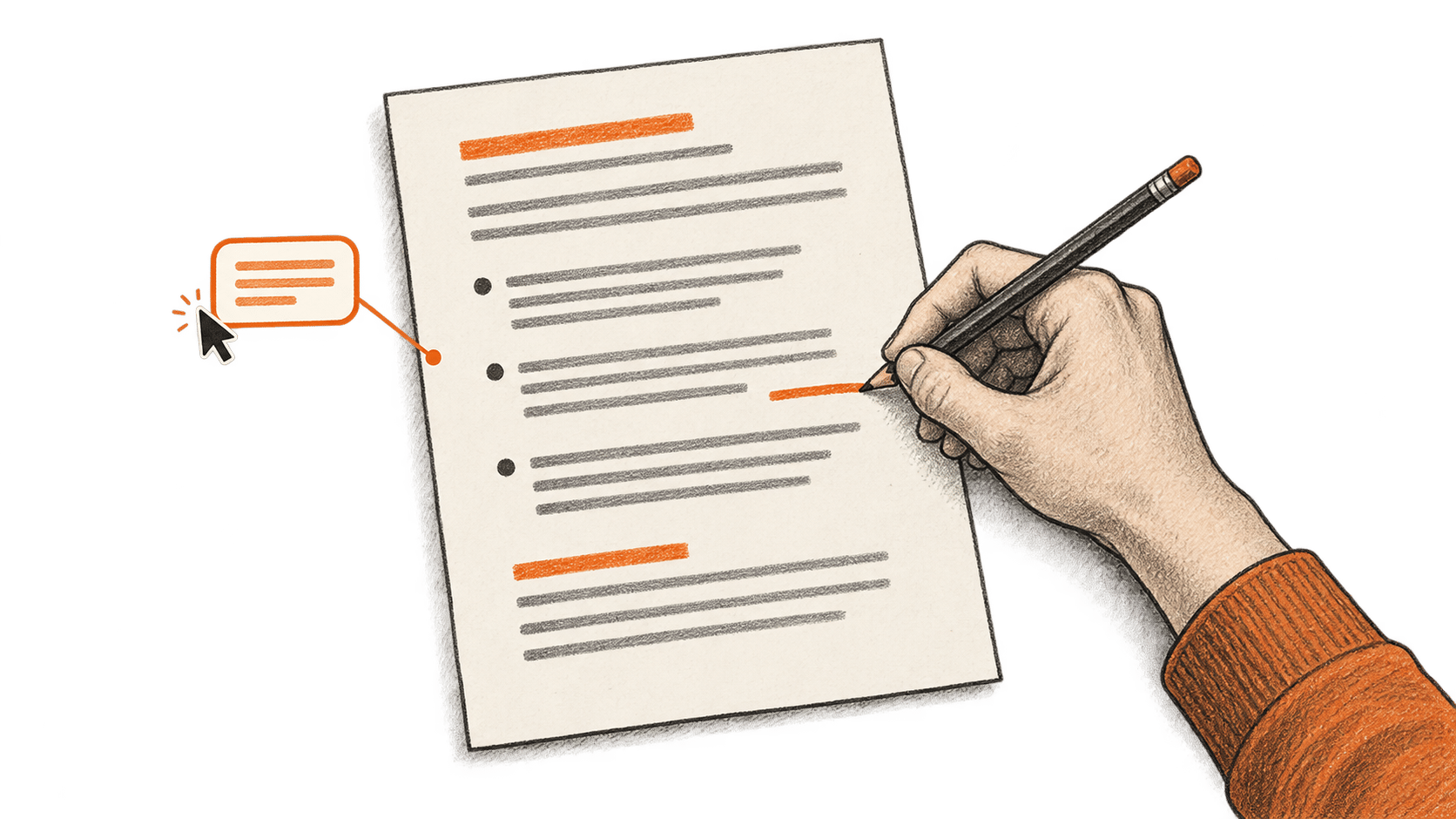
Anthropic announced Claude Docs and Claude Slides on September 16 while beginning to merge chat and Cowork into a single Claude experience. The products put document creation and presentations inside conversations with the assistant. The unified experience is rolling out first to Pro and Max subscribers over several weeks; the announcement does not mean every account has already changed. Anthropic's announcement.
For a team preparing a report, the proposed change is practical: the document can stay where the conversation that produced it happened. That could reduce the work of moving a draft between an assistant and a separate editor. Whether it saves time overall will depend on how much review the output needs and how well it fits the team's existing approval process.
What is available, and to whom
Claude Docs is a rich-text document saved to a Claude account. It supports editing with other people, and changes are attributed to the person or Claude that made them. The owner's sharing choices determine who can view or edit. Anthropic says Claude acts on a document when a signed-in person asks it to and within that person's permissions. Claude Docs documentation.
Docs is in beta on Pro, Max, Team and Enterprise plans, with Enterprise owners required to enable it. The same documentation lists exclusions for organizations using customer-managed encryption keys, zero data retention or a HIPAA-ready configuration. Those exclusions are a reason for an administrator to check eligibility before planning a rollout.
The wider chat-and-Cowork merger has a separate rollout. Anthropic says Team and Free plans will follow the initial Pro and Max release, and Enterprise administrators will receive at least 30 days' notice before changes to their organizations. Docs availability should therefore not be treated as proof that a company has received the entire new experience. Rollout details.
A shared workspace changes where review happens
Consider an illustrative sales proposal. A manager supplies approved product information, a writer drafts the offer and a colleague checks its commitments. If the assistant helps inside the shared document, reviewers can work on the result without repeatedly copying text into a chat. This is a plausible use of the announced workflow, not an experiment BIG CHANGE has run.
The risk is that a fluent draft makes an unapproved claim look settled. A team testing the tool should require a reviewer to trace each price, deadline and promise back to its source. Editing permissions answer who can change the document; they do not establish who has authority to promise delivery to a customer. That responsibility needs an explicit owner in the team's process.
There are operational limits too. Anthropic's help page says scheduled tasks can run in the cloud, while access to local folders, its built-in browser and computer-use features requires Claude Desktop to remain open. Longer tasks also consume more of the plan's usage allowance than a short question. An unattended report that depends on files on a closed laptop should not be assumed to work. Unified Claude capabilities and limits.
The same shift is reaching software projects
A day after the Docs announcement, Anthropic introduced a redesigned Projects beta for selected Claude Code users. A coordinating conversation can divide an assignment into cloud sessions and collect the results. Each thread has its own branch and repository copy; overlapping edits can still produce merge conflicts. Access is limited during the initial rollout. The September 17 Projects announcement.
Together, these releases suggest a direction for business software: the assistant increasingly organizes the work surrounding an output. That is our interpretation of the product changes, not evidence that companies have already replaced their document suites or development teams. The public announcements do not establish an independent productivity gain for either release.
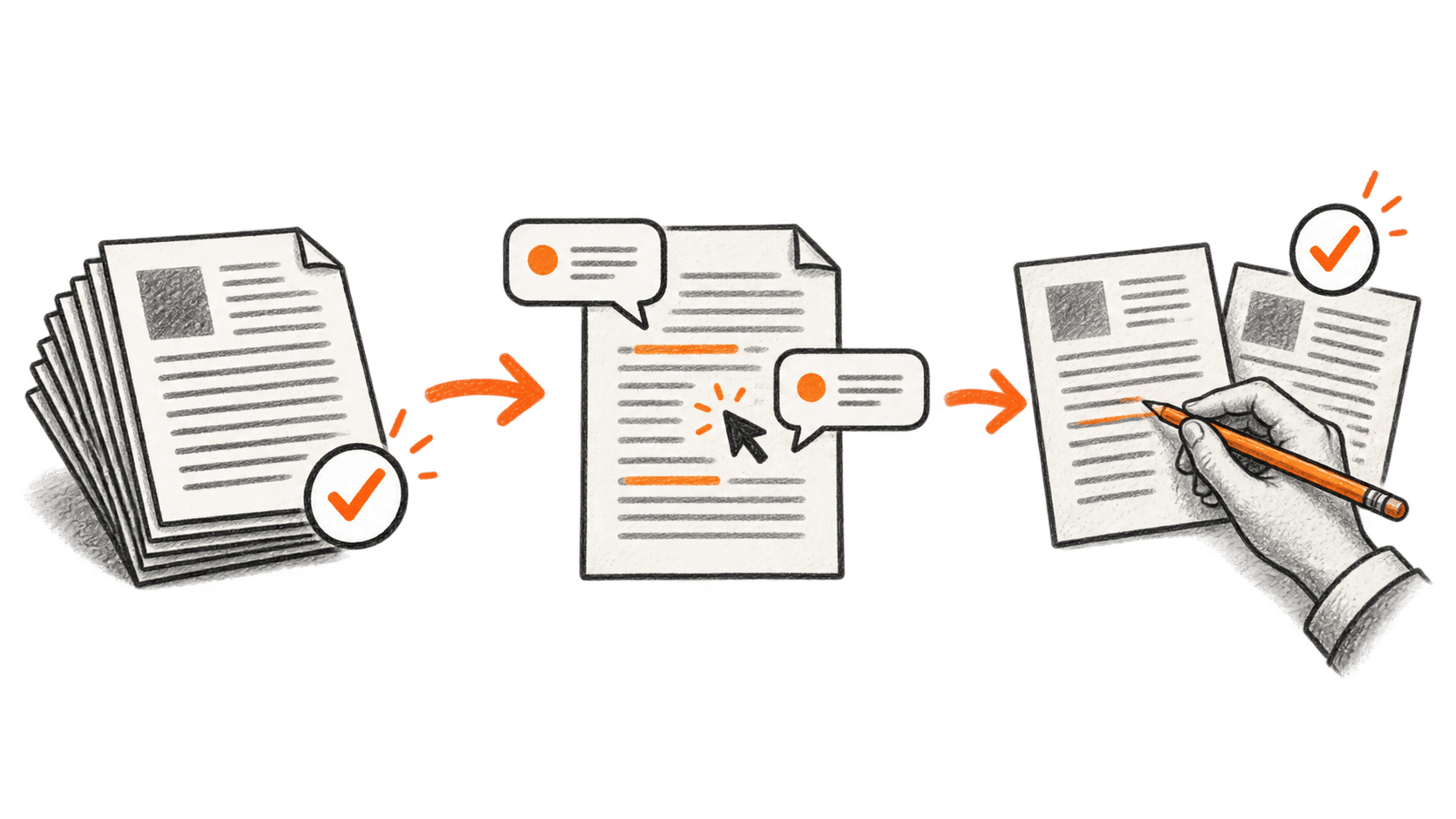
A sensible pilot would use one recurring internal report with a known owner. Keep the original inputs, record how long the full job takes, and count corrections after review. Compare the completed, approved output with the existing process. A faster first draft is useful only if the time saved survives checking and revision.
The pilot should also include a handoff to someone who did not write the prompts. Can that person identify the authoritative file, see unresolved comments and export the result in the format the organization needs? The important purchase decision is whether the whole team can maintain the work after the first demonstration.
BIG CHANGE has reviewed the announcements and documentation, not performed a hands-on test of the new features. Buyers should check their own account's rollout status and required security settings before moving operational documents into the beta.