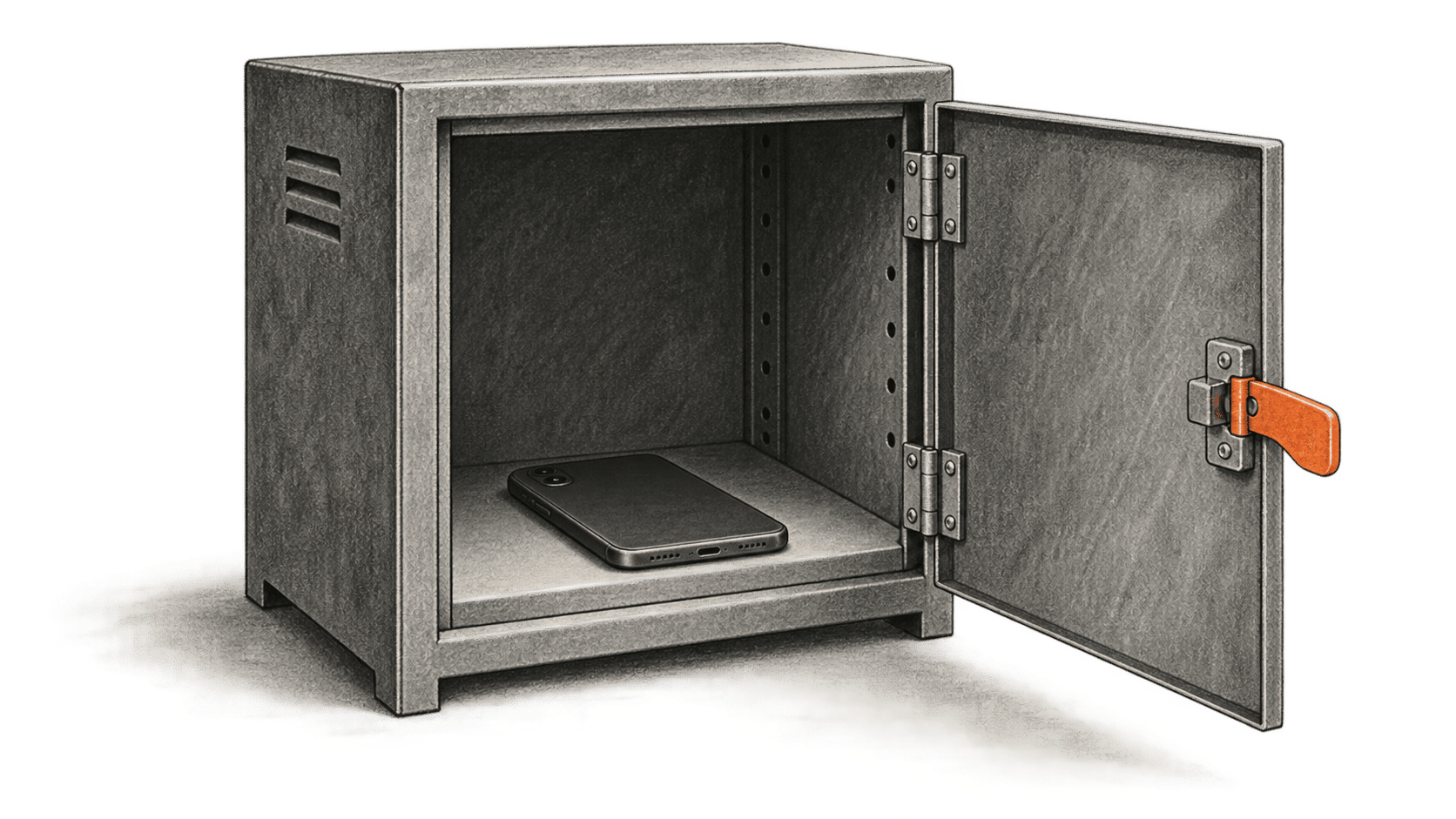
Anthropic will remove Haiku 4.5 from Free, Pro and Max model selectors on October 29. Existing chats remain, but resumed chats will answer with Haiku 5.5.
Attie says current users can make small social sites with Bluesky participation. Its public sign-in flow still labels the service early access and includes a waitlist option.
Xiaomi researchers released an audio-language model for spatial questions. Its preprint reports stronger directional benchmark scores with two-channel input, while complex scenes remain difficult.
OpenAI is taking applications from eligible U.S. university labs for up to 30 sponsored ChatGPT Business seats and GPT-Rosalind access, subject to verification, approval and activation.
Google expanded its paid News AI pilot to more than 400 publications. Its article overviews and audio briefings remain experiments without disclosed deal prices or traffic results.
Meta released Muse Spark Open weights on October 15. Its BF16 and NVFP4 checkpoints, hosted APIs and Muse Model License give developers several routes with distinct limits.
Simons, Anthropic and OpenAI have committed $15 million in combined funding and resources. The foundation will manage awards for mathematicians to examine AI-assisted work and develop standards.
Google's shared cart now rolls out in U.S. Search and Gemini. It can track products from several retailers, while checkout follows Google Pay or each merchant's own cart and the merchant remains the seller.
NVIDIA released Nemotron 3.5 Super VL vision-language weights on October 15. The model supports text, images, video and tool-use workflows, with substantial hardware and evaluation requirements.
404 Media tested ads in ChatGPT. OpenAI's documentation explains how customer lists and conversation context can influence delivery, while internal hashing of raw identifiers remains unclear.
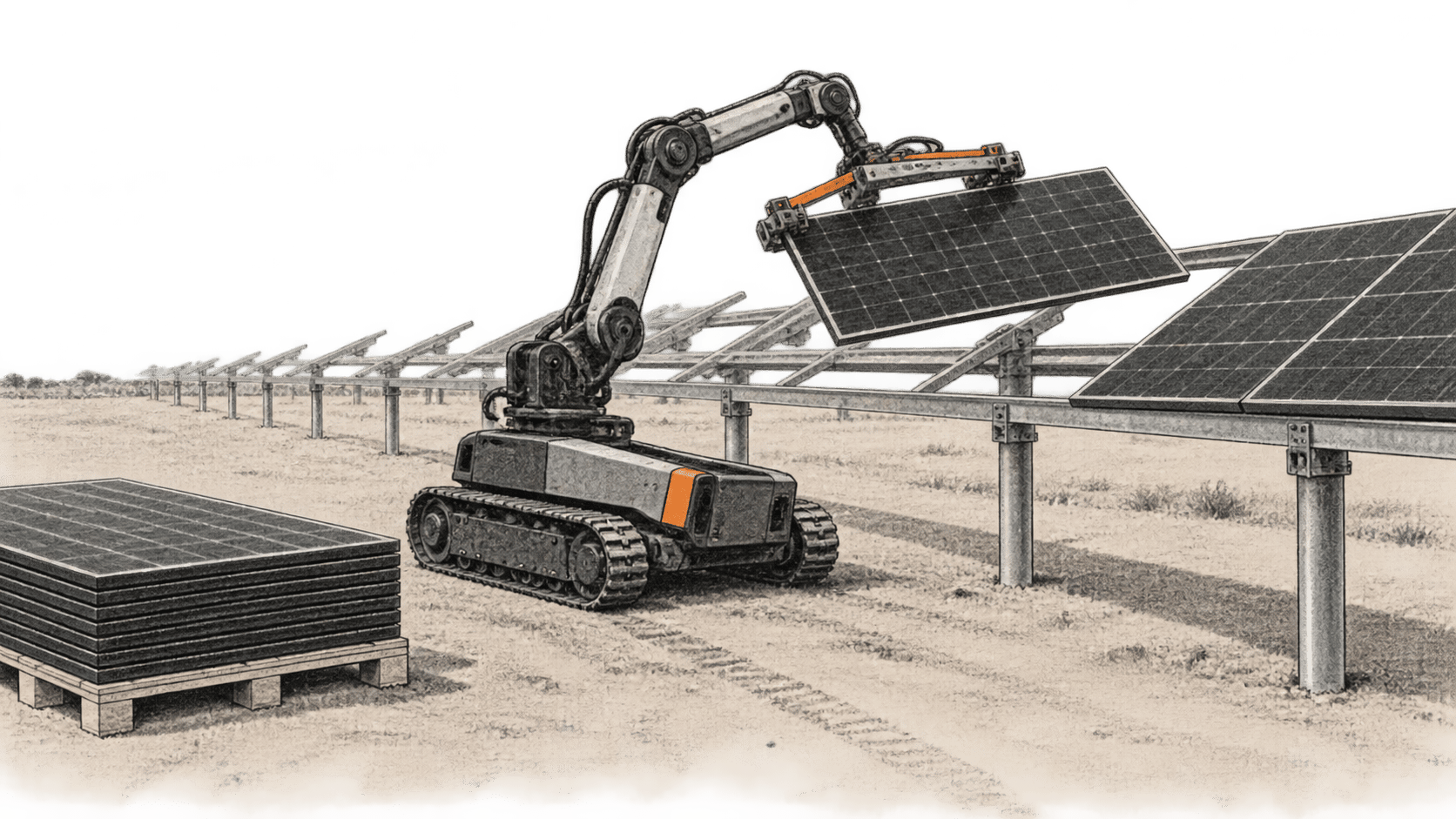
ARENA awarded up to A$31.1 million for local production and deployment of panel-placement and piling robots. Earlier trials show field use, while the new factories, fleets and proposed night work remain plans.
Square's new standalone kiosk lets diners order by voice or touch. Its answers depend on restaurant menu data, while setup requires a Plus or Premium plan and live connection.
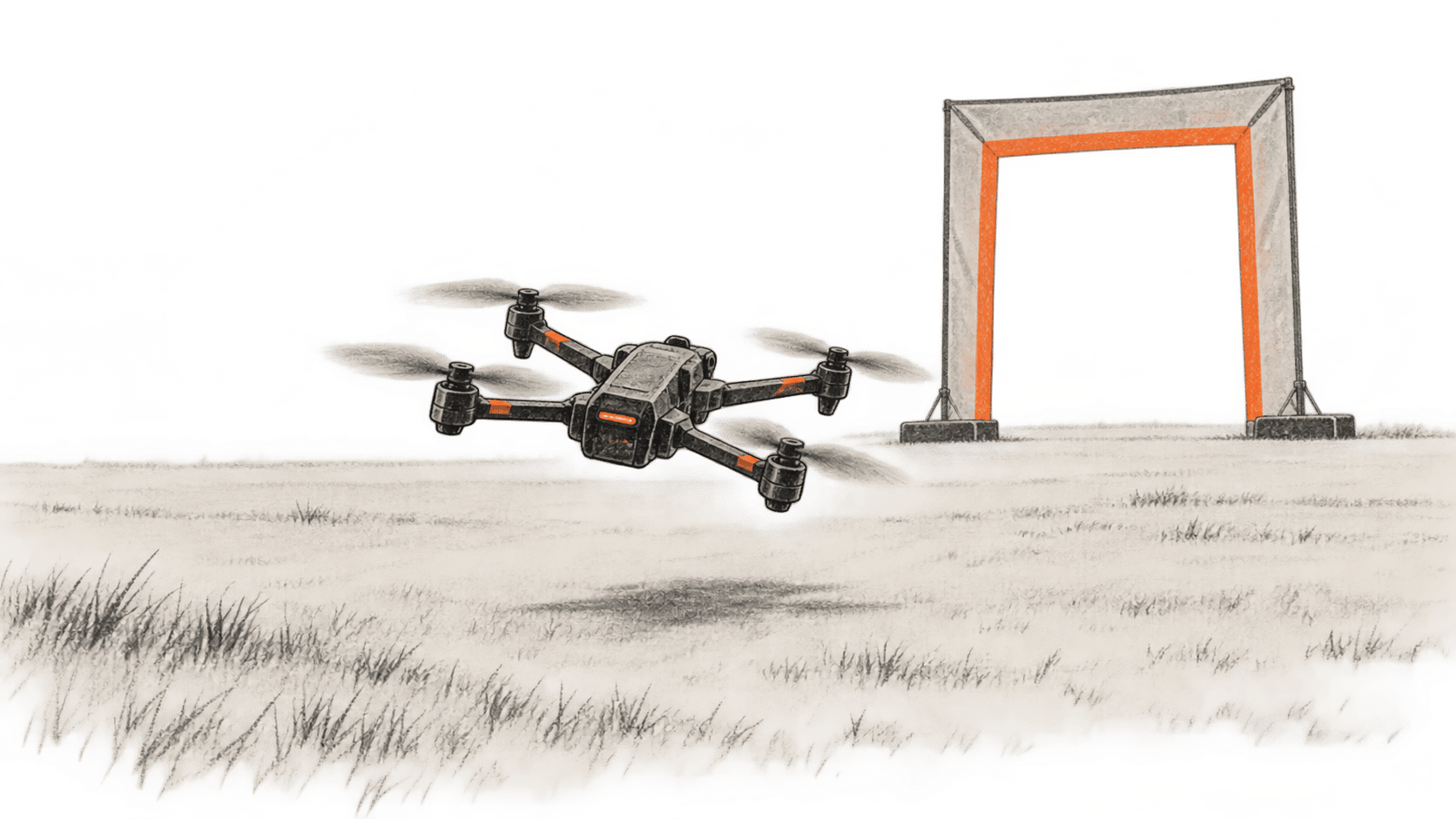
A new Science Robotics paper details the camera, IMU and onboard control behind a 2025 drone racing win. The result is bounded to a known competition course.
Intel's new Inference Microservices select a Xeon serving profile for one model per container. Developers still need to secure the HTTP endpoint and test their workload.
YouTube Music is rolling out a player label for tracks with significant generative AI involvement. The disclosure does not reveal every step of a track's creation.
State attorneys general want data access, deletion and safety protections in any Character.AI sale. Their October 14 bankruptcy notice is a request, not an order.
99 says trip telemetry and phone sensors can flag a possible incident on its motorcycle services for a 24/7 safety team. Staff check what happened before arranging help; accuracy and response-time results were not disclosed.
Deezer says listeners will be able to hide fully AI-generated tracks, albums and related artists from search, then restore them by switching the setting off. The global rollout is planned before the end of 2026.
980
The BIG CHANGE newsletter
The big picture. At your pace.
Recent stories on AI and robotics, the shifts worth watching and practical ideas to use. Choose a daily briefing, weekly digest or monthly perspective.
Next scheduled send (UTC): . Your first edition arrives at the next scheduled send after you confirm.
Your privacy, your choice.
Necessary storage supports site security and remembers your choices. Optional Google Analytics stays off until you allow it. You can read every story with necessary storage only. Privacy details