Digital Science acquires Jenni AI, plans Dimensions research integration
Jenni remains standalone; Dimensions integration is planned.
Explore BIG CHANGE reporting on Science & Health: what changed, how it works and why it matters.
Jenni remains standalone; Dimensions integration is planned.
Image-based subgroup discovery reveals errors beyond routine categories, giving evaluators another way to examine uneven performance.
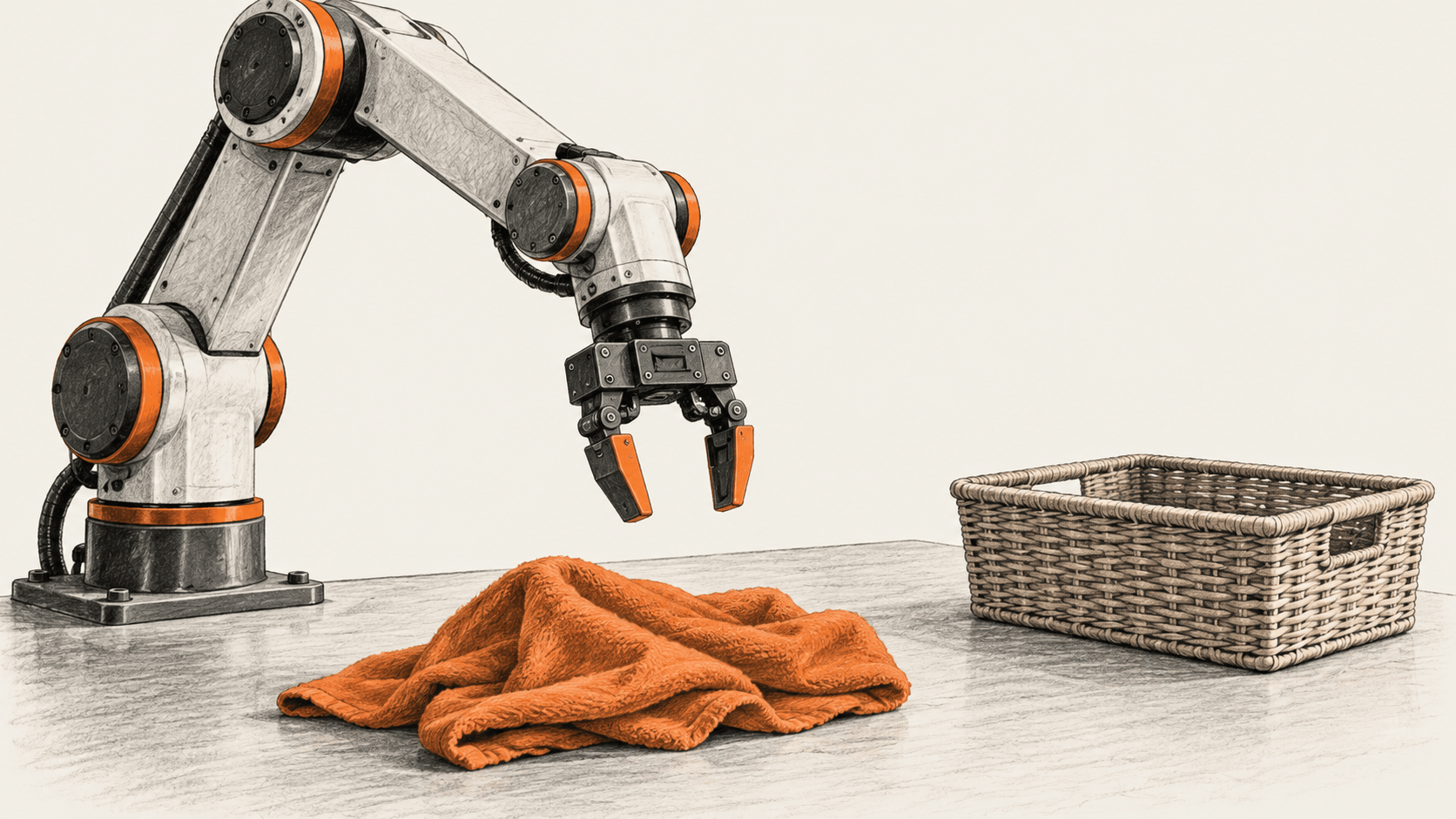
WorldFailBench bottle test compares predicted and reference success.
Springer Nature's private peer review prototype has no reported results.
OpenAI published math and ETH proof files; physics artifacts remain withheld during expert review.
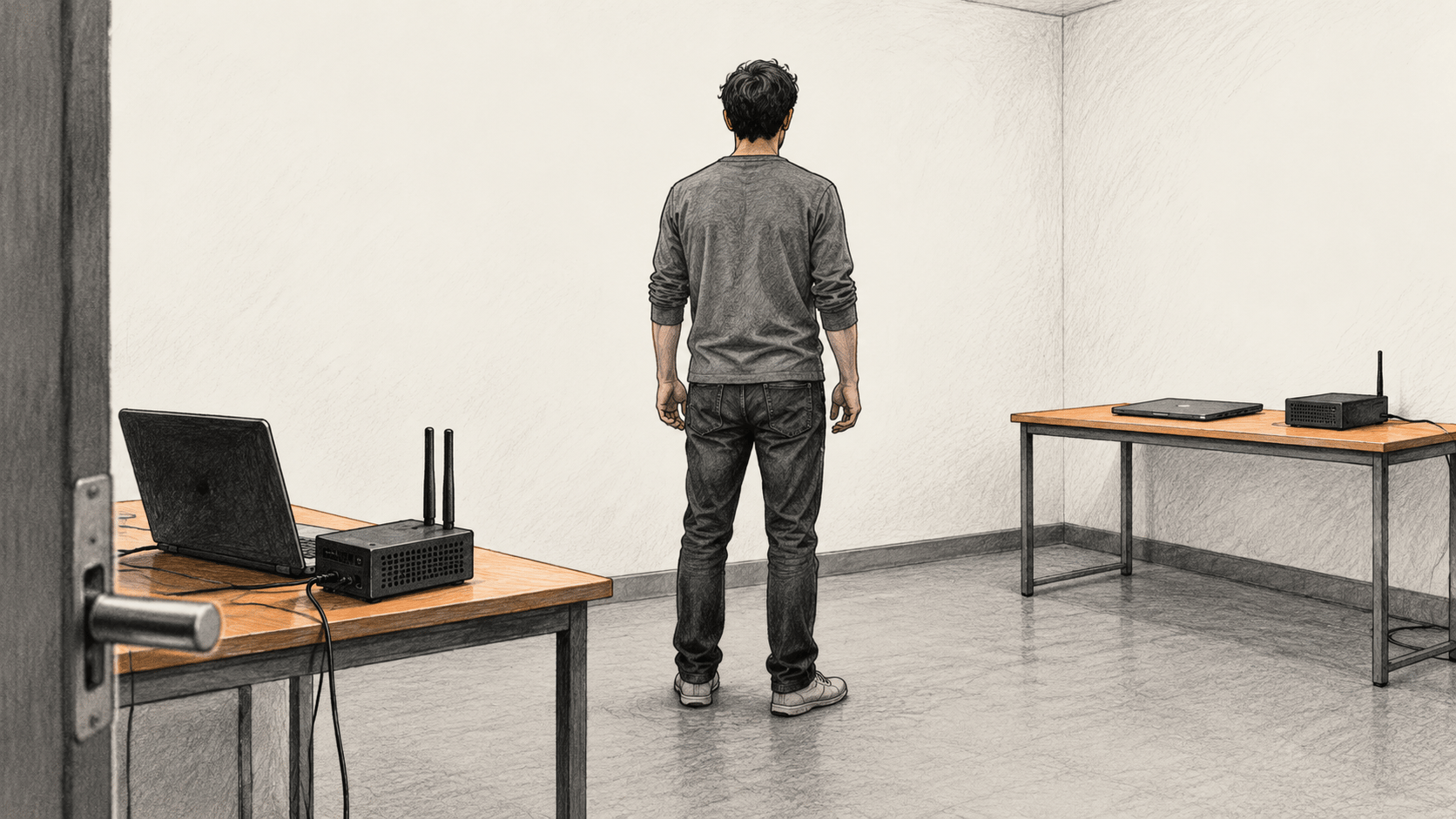
WiFireNet detected a concealed, deactivated handgun in controlled room recordings. Its 72.5 handgun AP@25 score and sample-level split leave real screening performance open.
The UK plans an AI Biosecurity Lab with £100m in public funding and up to £200m in company credits and support. Its governance and technical results remain to be established.
OpenAI has acquired Orchestra Bio and plans to bring its drug-program coordination platform together with Rosalind. A combined product and faster treatments remain goals, not demonstrated results.
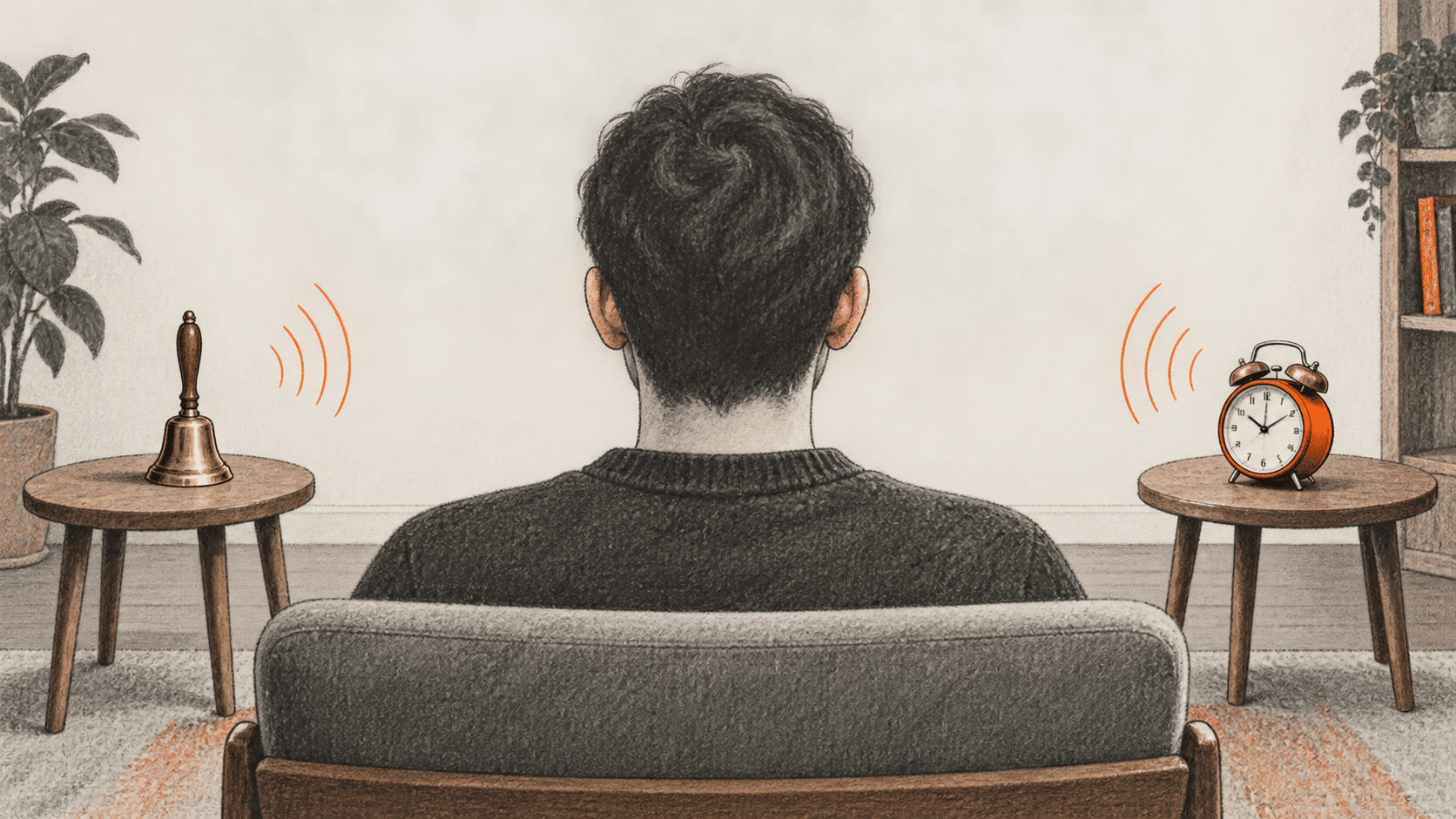
Xiaomi researchers released an audio-language model for spatial questions. Its preprint reports stronger directional benchmark scores with two-channel input, while complex scenes remain difficult.
OpenAI is taking applications from eligible U.S. university labs for up to 30 sponsored ChatGPT Business seats and GPT-Rosalind access, subject to verification, approval and activation.
Simons, Anthropic and OpenAI have committed $15 million in combined funding and resources. The foundation will manage awards for mathematicians to examine AI-assisted work and develop standards.
Doctolib says a planned NVIDIA minority investment will support its AI work. Its existing consultation tools, patient-assistant rollout and clinical plans have different evidence and release stages.
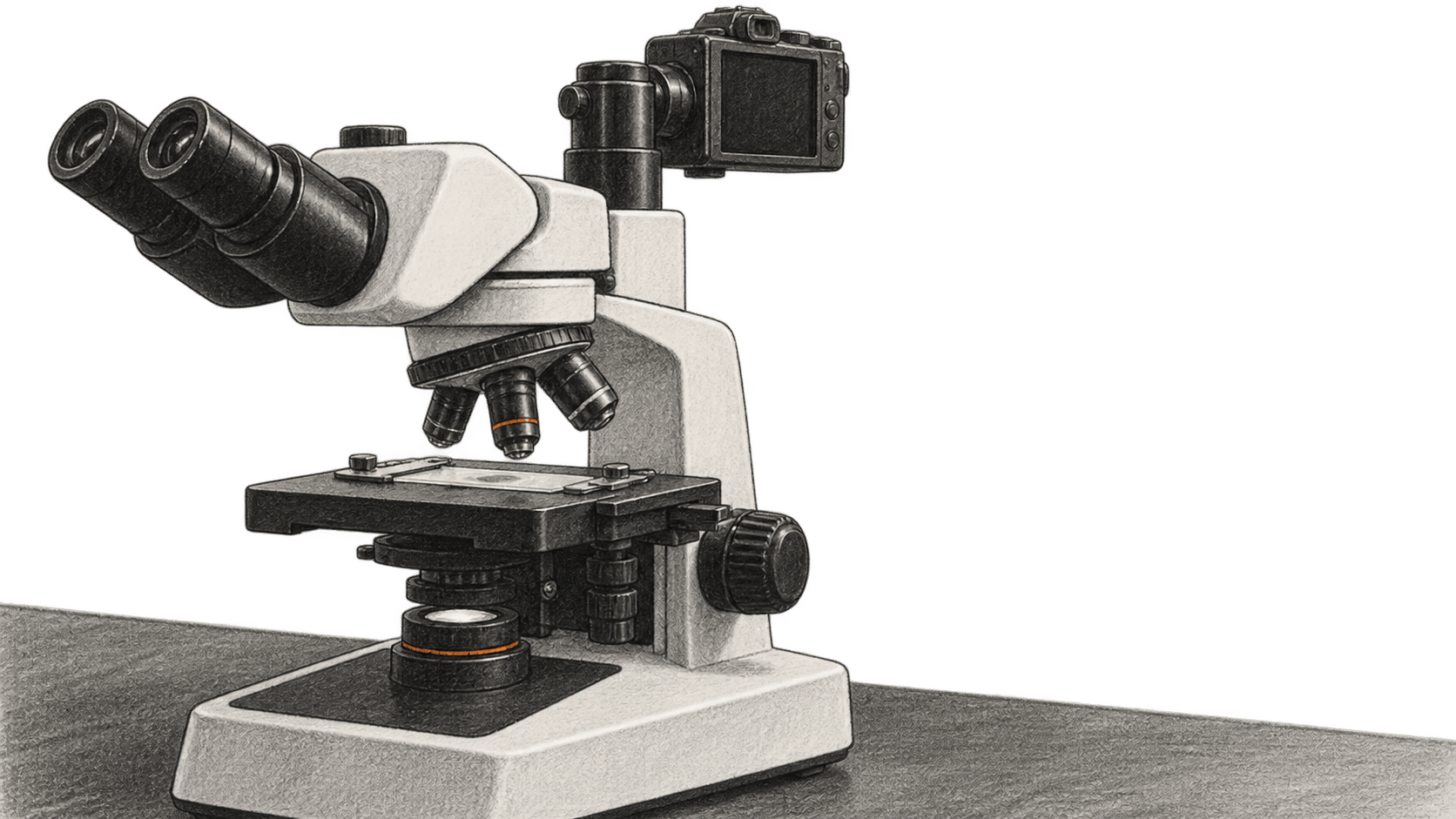
Nikon disqualified the first-place Small World in Motion video under its generative-AI rules. Its finding addresses competition eligibility, while the rule leaves the boundary for AI-assisted processing unclear.
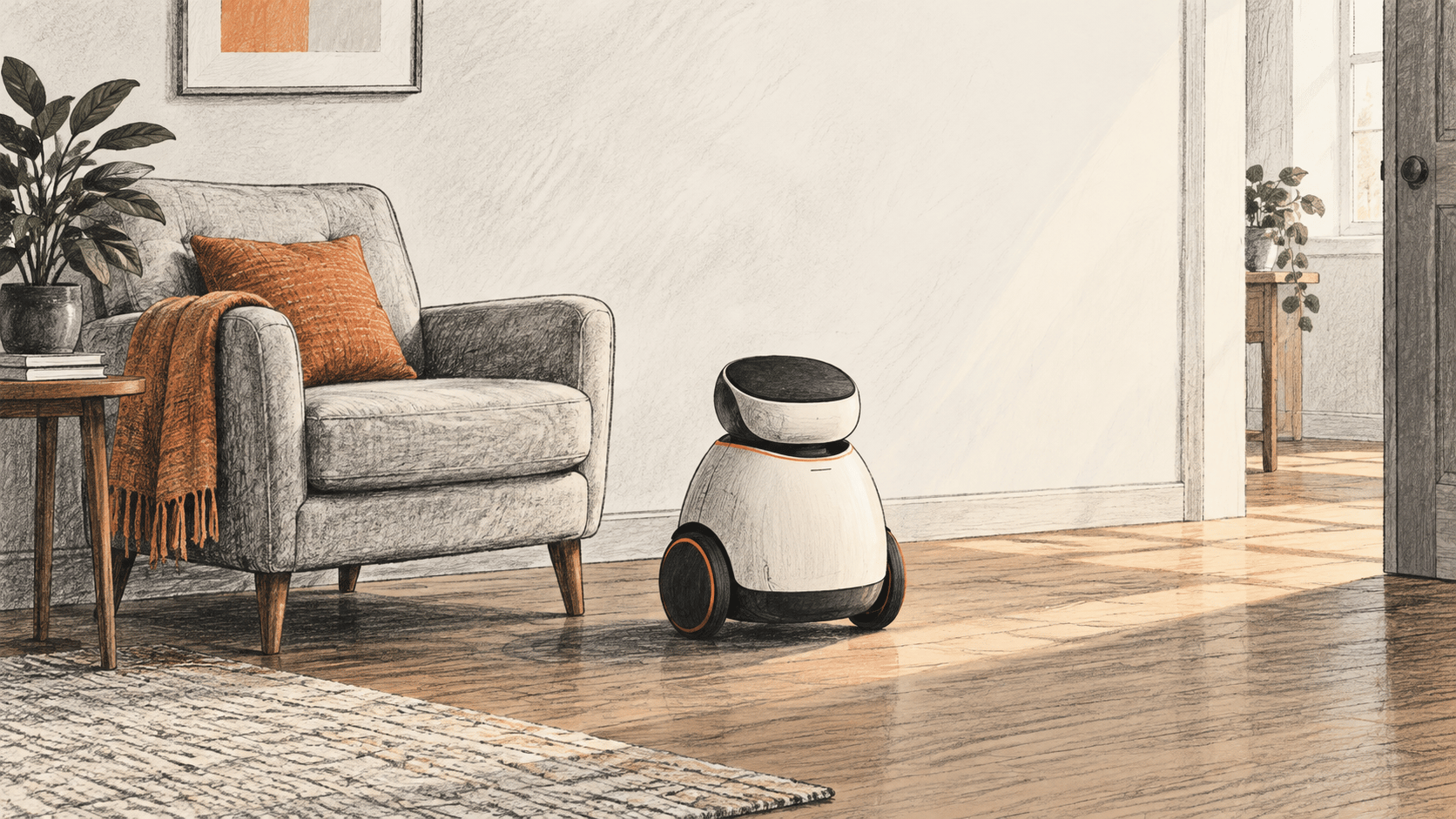
Kawasaki has built a Home LEO prototype. Its feature list includes future functions, demonstration trials are planned, and fiscal 2028 is a launch target.
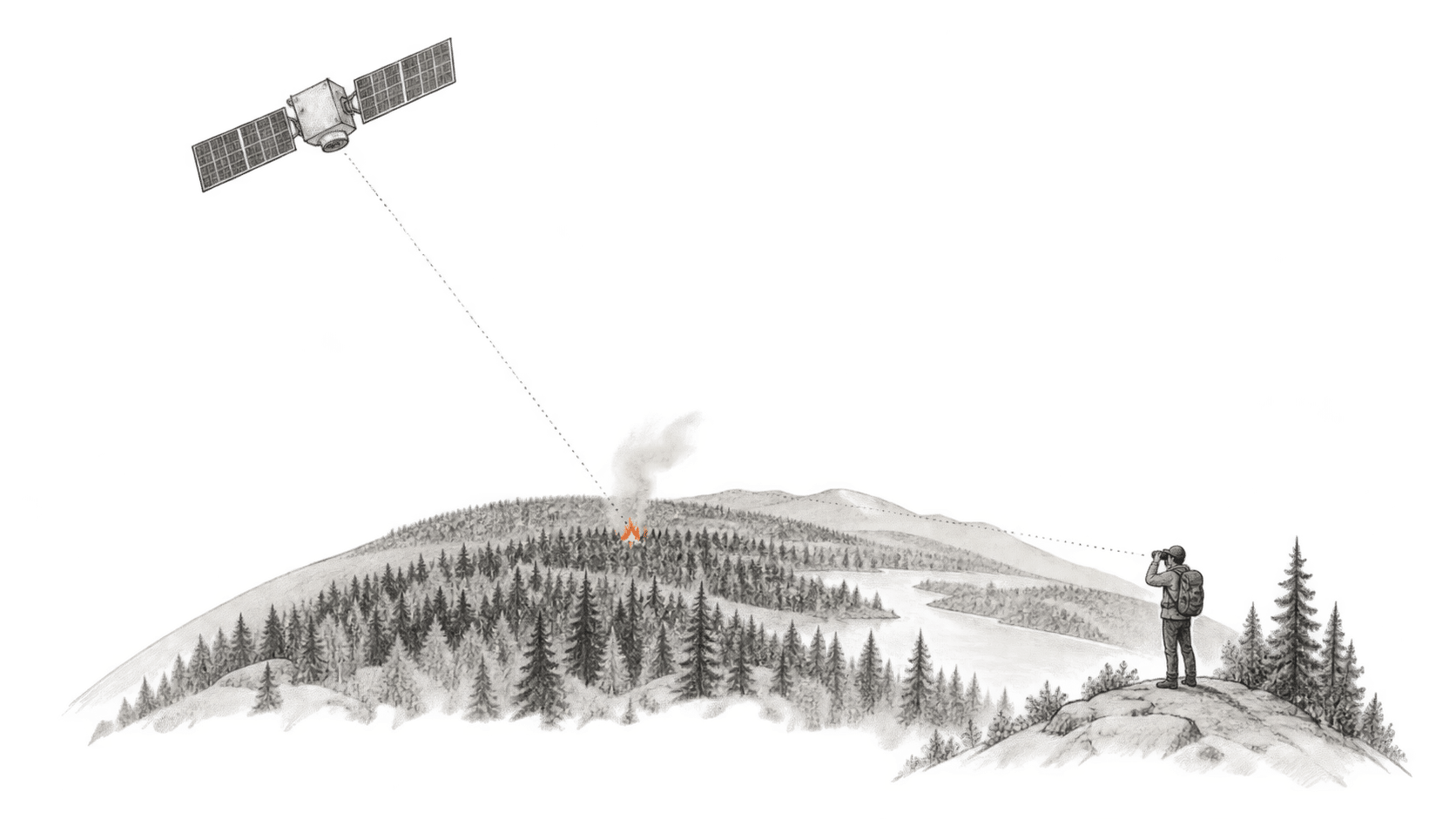
New satellite imagery offers a concrete look at AI-assisted fire monitoring. Routine delivery and evidence of benefits on the ground are the next tests.