THE WORLD IS NOT STANDING STILL.RSS
BIG CHANGE.
BIG CHANGE, one tap away

Make room for the big picture.

Add BIG CHANGE to your home screen or desktop. It opens in its own window, with the latest stories when you’re online.

iPhone & iPad
Open bigchange.ai in Safari. Tap Share, then Add to Home Screen. Turn on Open as Web App if shown, then tap Add.
Android
Open bigchange.ai in Chrome. In the browser menu, choose Install app or Add to Home screen.
Desktop
In Chrome or Edge, use the install icon in the address bar or the browser’s app menu. In Safari on Mac, choose File → Add to Dock.
All briefings

Follow the change ·

The day,
in perspective.

What happened in AI and robotics — and the change behind it. A reading path through 22 stories from BIG CHANGE.

Ordered using RADAR attention, story opens and likes. Excerpts from our published reporting; open a story for the full context and sources. Dates in UTC.

Original story: analysis

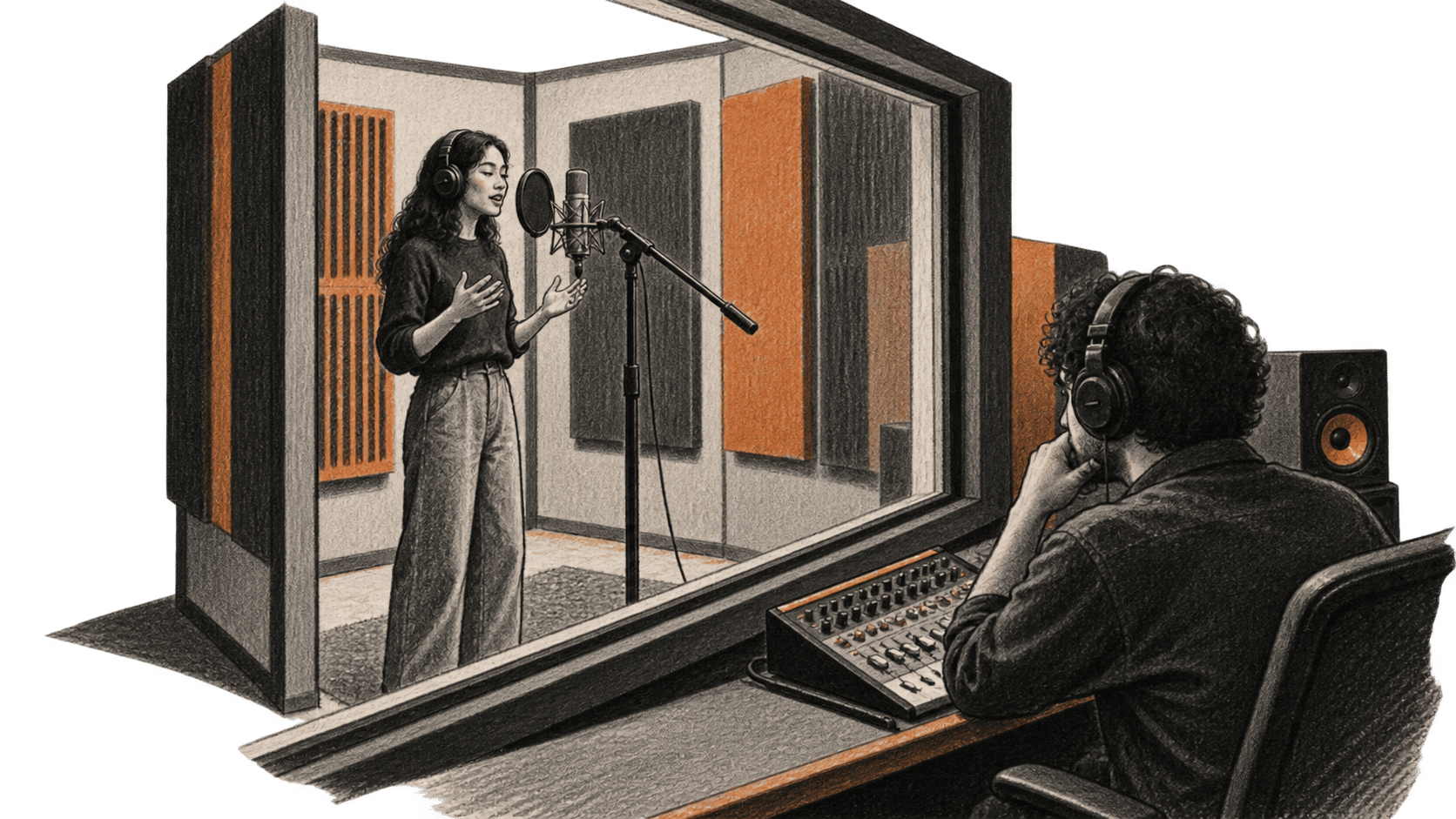
Qwen Audio 3.1 widens its voice stack. The 95% price cut needs context

Qwen Audio 3.1 adds sound creation and understanding. Its API documentation is uneven, and changing billing units complicate the advertised ASR savings.

The big change

What changed: Qwen now covers more of a voice product inside one hosted family, from transcription and generated speech to sound-scene production and live conversation. Its five components do not yet have equally complete developer access.

Why it matters: For developers budgeting transcription or voice services, a minute of audio is no longer enough to price every endpoint. Token-based ASR bills include both the incoming audio and the resulting text; live conversation has four separately priced streams.

What to watch: Alongside ASR-Next access, watch whether independent language and latency tests confirm useful savings. If they do, the wider question is whether voice-agent, transcription and dubbing providers pass those savings into customer prices, and whether rival speech APIs follow.

Read the full story
—
Back to the briefing
Original story: guide

Union Alpha was Pareto: how to set it up and what it costs

Union Alpha’s free preview became Unbiased Pareto. Here is the current OpenCode setup, paid pricing, maker, performance evidence and data-policy caveat.

The big change

What changed: Union Alpha has emerged as a paid service that runs several underlying models for one request and returns a synthesized answer. Pareto’s operator can change that mix while keeping one public model name.

Why it matters: Developers gain one endpoint and one bill, but model identity, latency, data handling and output quality depend on the composite service rather than a fixed checkpoint.

What to watch: Union Alpha’s free preview became a paid product within days. Evaluate the live model ID and current terms, since a stealth listing, launch chart or video test may describe an earlier service state.

Read the full story
—
Back to the briefing
Original story: news

YouTube’s creator AI can review drafts now. Conversational editing waits until 2027

YouTube's September creator announcements span tools you can use now and others still rolling out. Here's how draft feedback, thumbnail tests and future editing differ.

The big change

What changed: YouTube is extending its existing Studio assistant from channel questions and ideas into feedback on unpublished work. It also plans editing by conversation and thumbnail choices tailored to viewers. The September 23 announcement describes these as one production flow, although they are at different release stages.

Why it matters: A creator can already request suggestions on a script or uploaded draft without publishing it. The proposed thumbnail tools would move another choice into YouTube’s own system: which of several images a viewer sees. That gives creators a reason to check exactly which options they approved for display.

What to watch: YouTube’s rollout notices and Studio controls will determine when the newer features reach a channel. The company says the tools are optional and creators retain final approval over publishing. It has reported no measured performance gain from these new workflows.

Read the full story
—
Back to the briefing
Original story: analysis

Did OpenAI halve GPT-6 Sol's Codex quota? The math does not prove it

A Codex subscriber reports lower API-equivalent value after GPT-6 Sol's price cut. That figure alone cannot establish fewer tokens or less work per subscription.

The big change

What changed: Local Codex logs expose tokens. Third-party tools convert them to API dollars, while OpenAI's subscription meter uses a separate allowance.

Why it matters: Subscription buyers need to compare completed work for their monthly fee. A falling API-dollar estimate can change the apparent bargain without showing whether the monthly fee buys less work.

What to watch: Whether providers expose records linking model, speed, token mix and cache use to allowance debits. Such records would help teams compare subscription value across releases and investigate disputed depletion.

Read the full story
—
Back to the briefing
Original story: analysis

Amodei's AI slowdown ties safety to preserving a U.S. lead

China's official records recognize frontier-model risks. Its diplomats reject competitive framing, a distinction that matters when assessing calls to slow AI.

The big change

What changed: The slowdown debate joins two questions: what makes advanced models safe, and who can obtain the resources to build them.

Why it matters: Countries seeking access face a different bargain from developers asked to demonstrate safety. Rejecting the first does not establish opposition to the second.

What to watch: Look for specified tests, verification arrangements and participating institutions, rather than treating shared risk language as an agreement.

Read the full story
—
Back to the briefing
Original story: analysis

Senators seek military AI inquiry after reported errors

A Senate request raises questions about military intelligence. The White House's June policy sets current testing requirements; its implementation is a separate oversight question.

The big change

What changed: The proposed scrutiny would follow AI into the intelligence commanders receive, before any decision to use force.

Why it matters: Human command does not settle whether the information behind a decision is sound. That distinction matters for soldiers and civilians.

What to watch: Evidence of how agencies apply the administration's testing requirements, alongside any investigative findings. A written reliability rule cannot show how a particular system performed.

Read the full story
—
Back to the briefing
Original story: analysis

Gemini 3.8 TTS is cheaper now. Its price doubles January 1

Google's stable Gemini 3.8 TTS models lower generated-audio costs, but prices double January 1 and migration changes prompts and WAV handling.

The big change

What changed: The new tiers separate transcript text from performance directions and support reusable voices.

Why it matters: A voice pipeline has two migration costs to consider: engineering changes now and the scheduled increase in generation charges.

What to watch: For dubbing, audiobooks and voice agents, compare intelligibility and speaker consistency on real production scripts across languages. Those results determine whether a cheaper generated minute also reduces the cost of usable audio.

Read the full story
—
Back to the briefing
Original story: analysis

An AI agent can skip a required skill and leave no score behind

New skill evaluators separate loading, selection and instruction following. Their missing-result behavior shows why teams must treat evaluation coverage as evidence of its own.

The big change

What changed: These tools distinguish whether a procedure loaded, whether it suited the task and whether its steps were followed.

Why it matters: The inspected Strands code can mark an unjudged case as passing. A release decision based on that flag alone can overlook a required skill that never loaded.

What to watch: Check evaluation coverage alongside scores: which expected loads were observed, and which invocations had enough recorded evidence to judge.

Read the full story
—
Back to the briefing