THE WORLD IS NOT STANDING STILL.RSS
BIG CHANGE.
BIG CHANGE, one tap away

Make room for the big picture.

Add BIG CHANGE to your home screen or desktop. It opens in its own window, with the latest stories when you’re online.

iPhone & iPad
Open bigchange.ai in Safari. Tap Share, then Add to Home Screen. Turn on Open as Web App if shown, then tap Add.
Android
Open bigchange.ai in Chrome. In the browser menu, choose Install app or Add to Home screen.
Desktop
In Chrome or Edge, use the install icon in the address bar or the browser’s app menu. In Safari on Mac, choose File → Add to Dock.
All briefings

Follow the change ·

The day,
in perspective.

What happened in AI and robotics — and the change behind it. A reading path through 30 stories from BIG CHANGE.

Ordered using RADAR attention, story opens and likes. Excerpts from our published reporting; open a story for the full context and sources. Dates in UTC.

Original story: analysis

GPT-6 vs Claude: prices and benchmarks across all four tiers

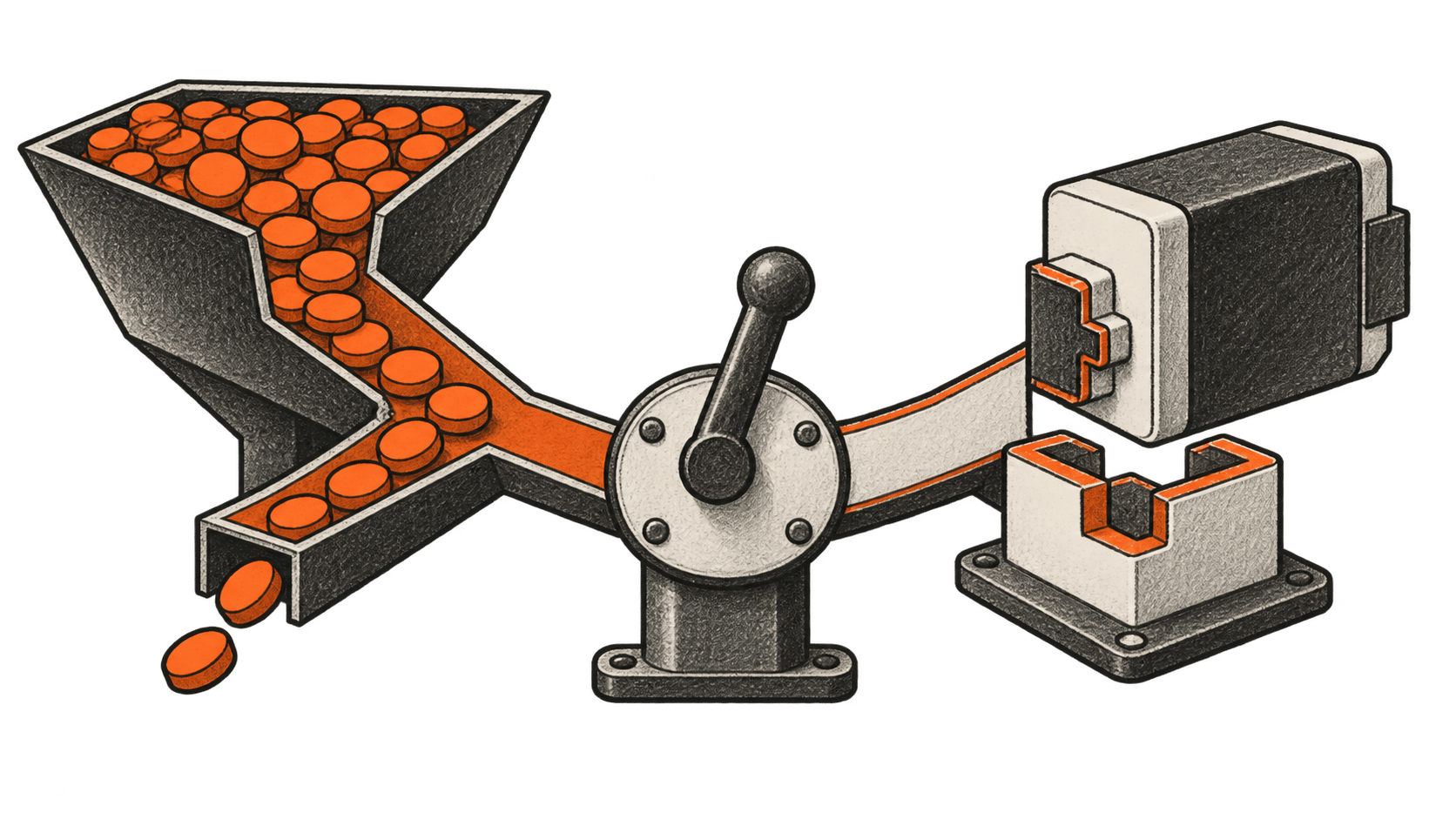
Eight models, four tiers: compare intelligence scores, API prices and measured task costs for the latest OpenAI and Claude releases.

The big change

What changed: Buyers can now get newer models at sharply different prices within the same provider's range. OpenAI has refreshed its inexpensive tier while Anthropic has concentrated this release on Opus, leaving Haiku almost a year behind in the release calendar.

Why it matters: Product teams have more scope to cut the cost of routine AI use while paying for stronger results where mistakes are expensive. The difficult part is choosing by demonstrated performance: a model's place in the product range does not give a reliable ordering of its benchmark results.

What to watch: Anthropic says Sonnet 5.5 and Haiku 5.5 will arrive in the coming weeks. Their prices and results will determine how much of today's opening for OpenAI survives, especially in products that make large numbers of inexpensive calls.
Read the full story
—
Back to the briefing
Original story: analysis

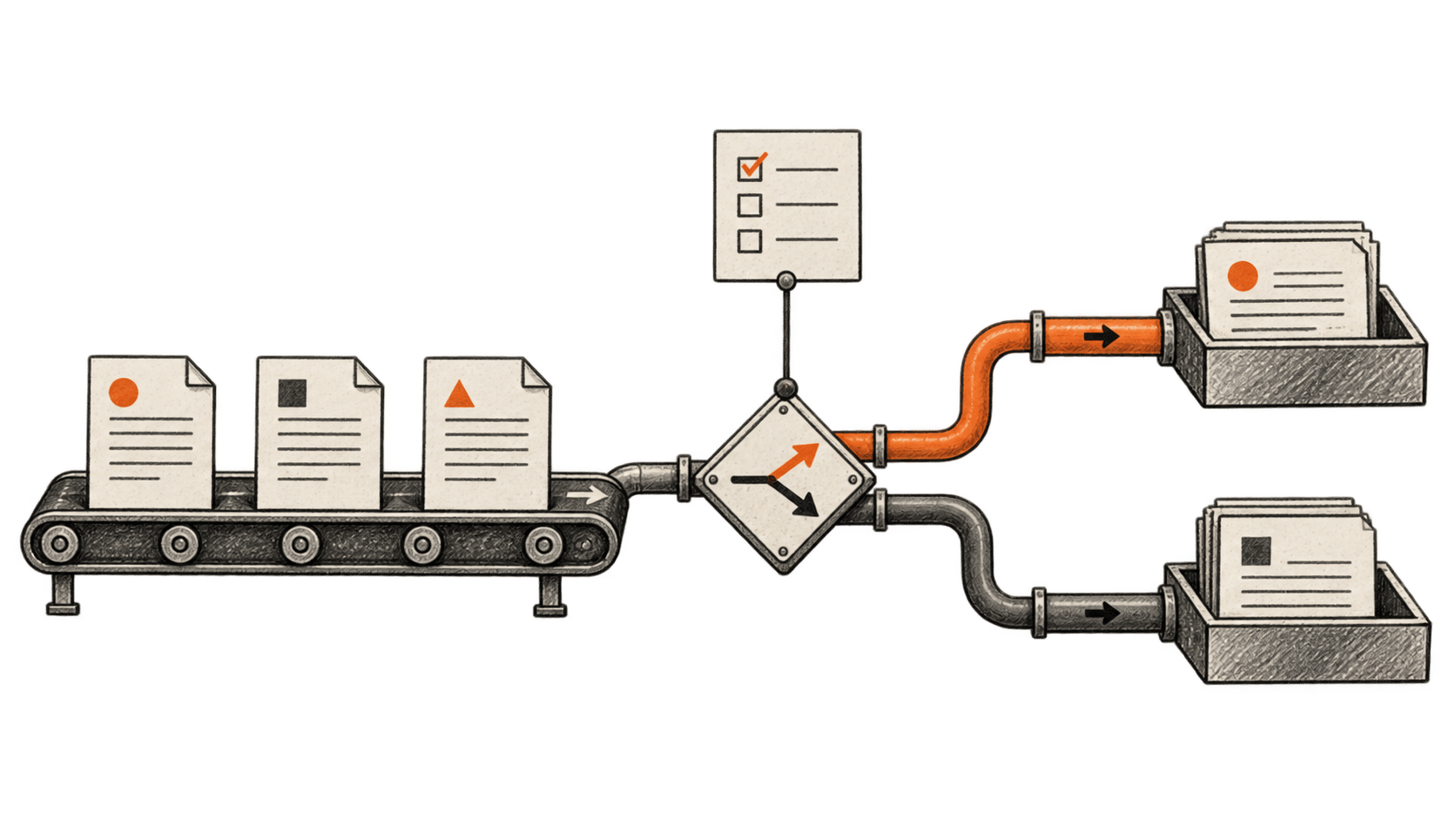
GPT-6’s new cache tools help trace the cost of repeated context

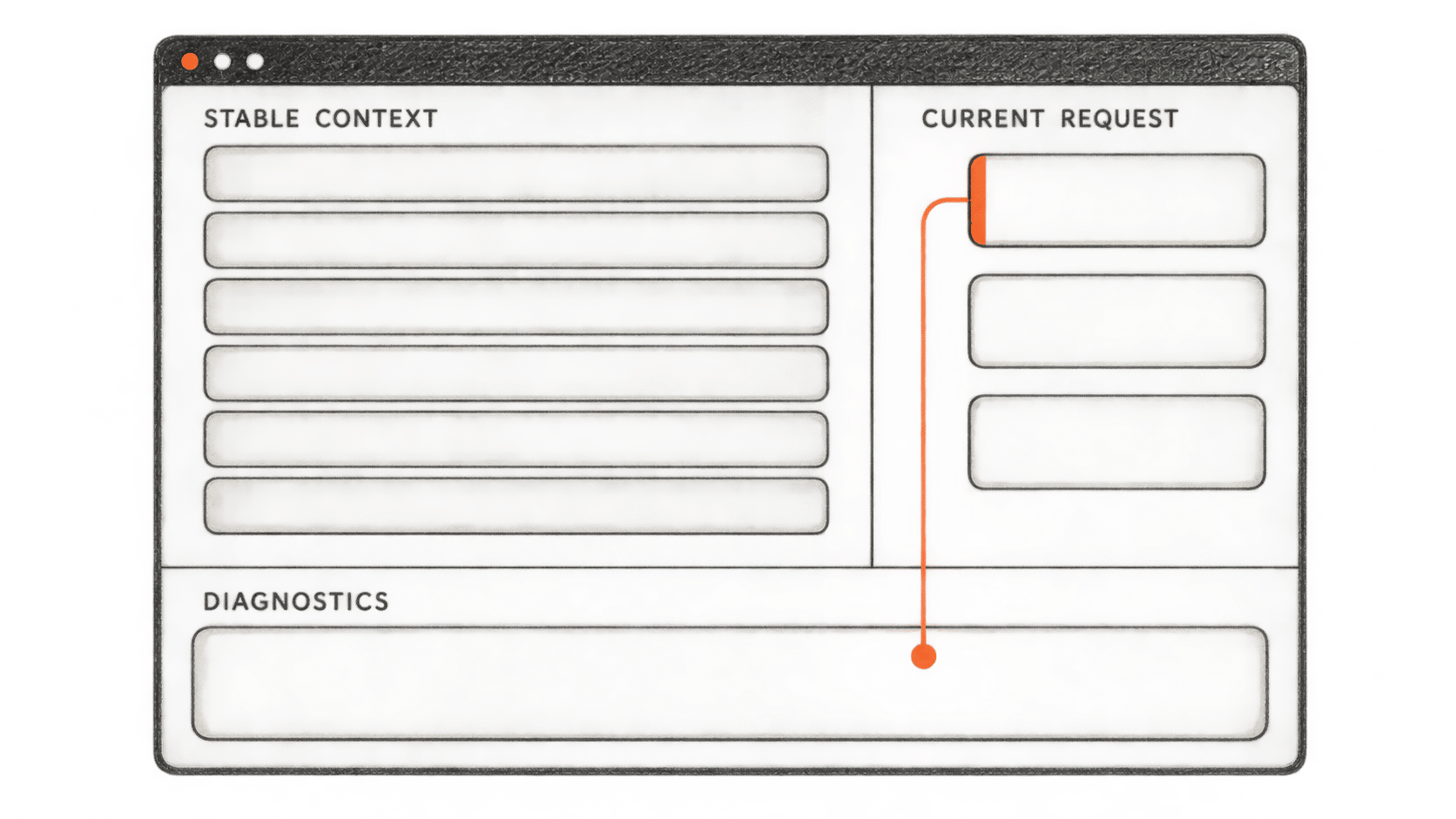
OpenAI adds a cache dashboard, diagnostics and explicit breakpoints to help developers trace repeated input costs and control which context gets cached.

The big change

What changed: Prompt caching is becoming an observable part of an agent's runtime. A dashboard shows cached and uncached input, while diagnostics can identify the setting or content change behind a miss.

Why it matters: Repeated context is an operating cost. Developers can now separate stable instructions from changing work and measure whether the intended prefix was actually reused.

What to do next: Compare a recent response with the request that should reuse it, then check reported usage for the cached-token count. Diagnostics can explain the first classified miss; the usage record determines reuse and billing.

Read the full story
—
Back to the briefing
Original story: analysis

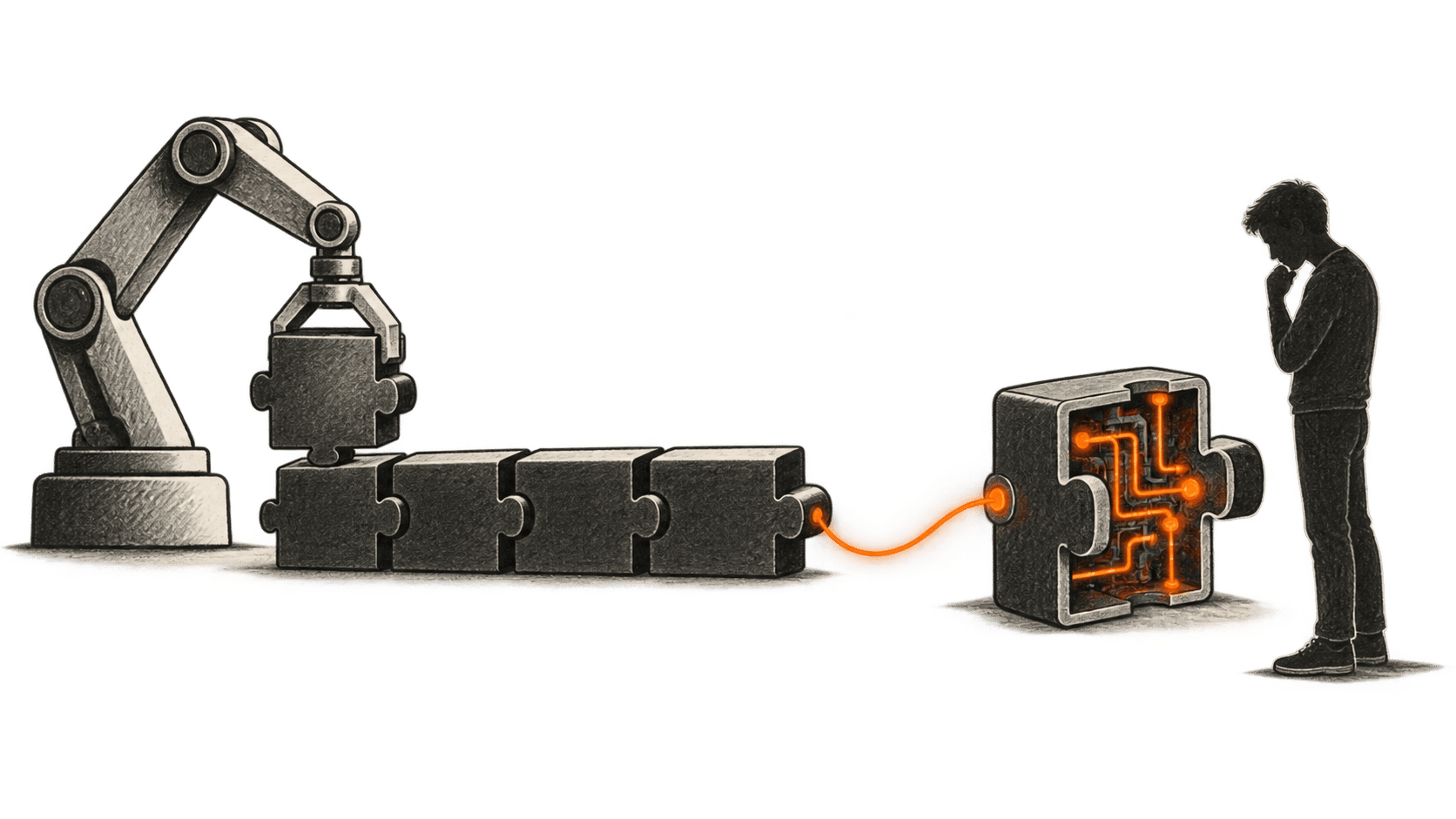
AI can write the code. Who will learn to fix it?

A coding task can be complete before its author understands the system. Two experiments point to a practical question for teams: how will junior developers learn to explain, diagnose and adapt AI-assisted work?

The big change

What changed: AI makes it easier to submit finished software without having worked through its logic. It can supply an implementation before a newcomer has practiced the decisions needed to explain or repair it.

Why it matters: Managers may gain output today while weakening the path by which junior staff become the people who can diagnose tomorrow's failures. The risk is most acute when a task uses unfamiliar concepts; help on familiar work can still be valuable.

What to watch: Teams may start treating learning as part of delivery, setting aside time to explain, diagnose and adapt AI-assisted work. If they do, hiring exercises and coding products may reward demonstrated understanding alongside speed.

Read the full story
—
Back to the briefing
Original story: analysis

When AI labs make discoveries in private, who gets to question the answers?

Private AI discoveries raise a question about public power: who can inspect the evidence, choose the next research question and benefit from the answers? A look at release incentives, scientific understanding and human agency.

The big change

What changed: Published AI-generated proof artifacts now sit alongside company-reported results awaiting coordinated release. Claims about additional hidden breakthroughs remain unverified.

Why it matters: Laboratories can influence which discoveries become visible, when specialists can examine them and who gets to build on the methods.

What to watch: Whether release arrangements give outsiders usable evidence and freedom to challenge it, while supporting the human expertise needed to choose research questions, understand results and share their benefits.

Read the full story
—
Back to the briefing