THE WORLD IS NOT STANDING STILL.RSS
BIG CHANGE.
BIG CHANGE, one tap away

Make room for the big picture.

Add BIG CHANGE to your home screen or desktop. It opens in its own window, with the latest stories when you’re online.

iPhone & iPad
Open bigchange.ai in Safari. Tap Share, then Add to Home Screen. Turn on Open as Web App if shown, then tap Add.
Android
Open bigchange.ai in Chrome. In the browser menu, choose Install app or Add to Home screen.
Desktop
In Chrome or Edge, use the install icon in the address bar or the browser’s app menu. In Safari on Mac, choose File → Add to Dock.
All briefings

Follow the change ·

The day,
in perspective.

What happened in AI and robotics — and the change behind it. A reading path through 10 stories from BIG CHANGE.

Ordered using RADAR attention, story opens and likes. Excerpts from our published reporting; open a story for the full context and sources. Dates in UTC.

Original story: analysis

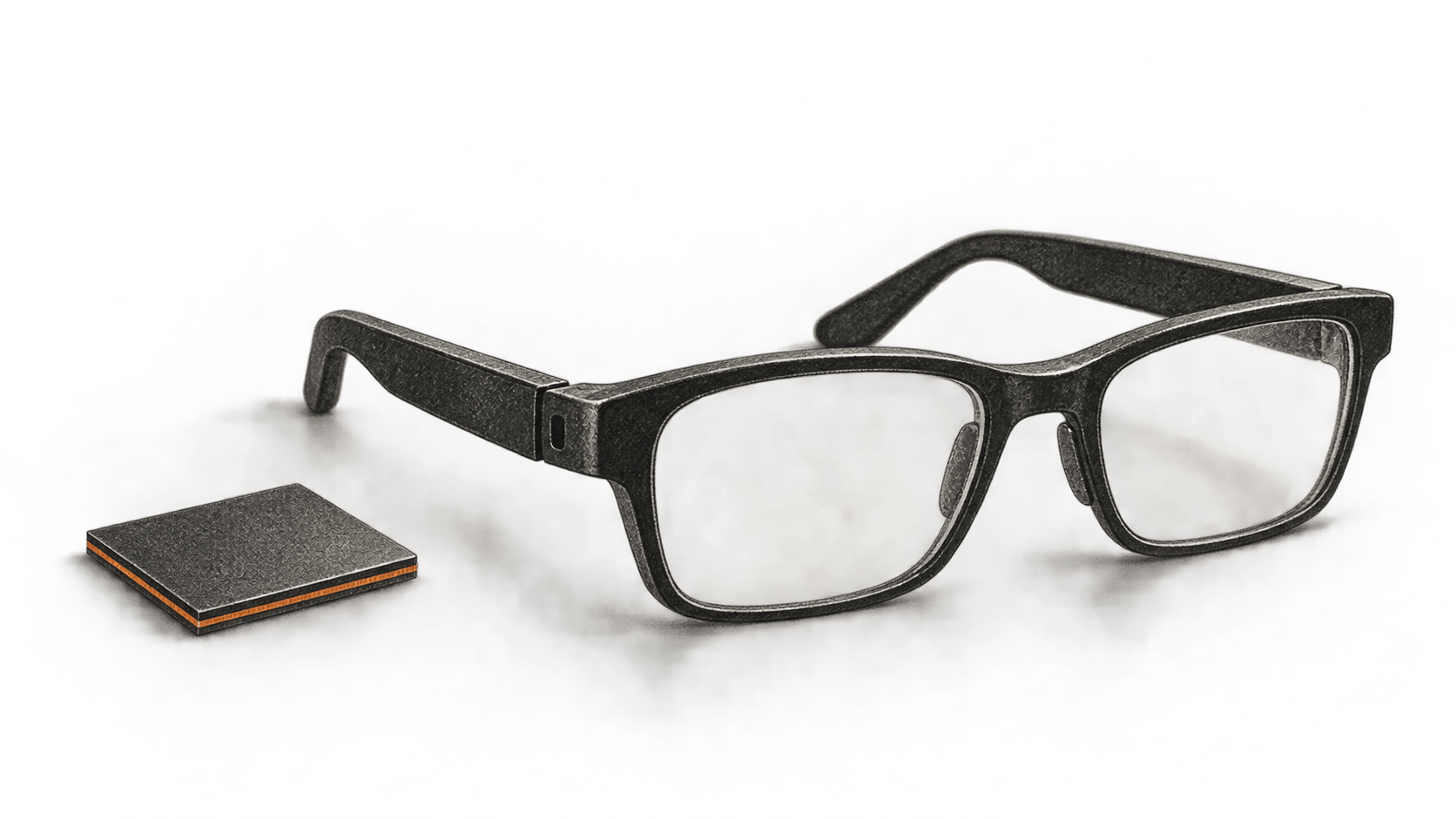
PrismML runs a compact vision-language model on Snapdragon smart glasses hardware

A Bonsai vision-language model ran locally on Snapdragon AR1 Gen 1 glasses hardware. The published memory and speed gains describe a controlled test, not a shipping product.

The big change

The reported advance is a model and software path that put local vision-language inference on a glasses platform with 4 GB of memory. Reducing the language model's weight footprint leaves more of that constrained memory available for the vision encoder, context and other device tasks. Qualcomm's measurements also found faster text generation for the 1-bit language component in its test configuration. These results establish a controlled demonstration and a possible design route for developers. They do not establish the experience, battery life or privacy properties of a finished pair of glasses.
Read the full story
—
Back to the briefing
Original story: analysis

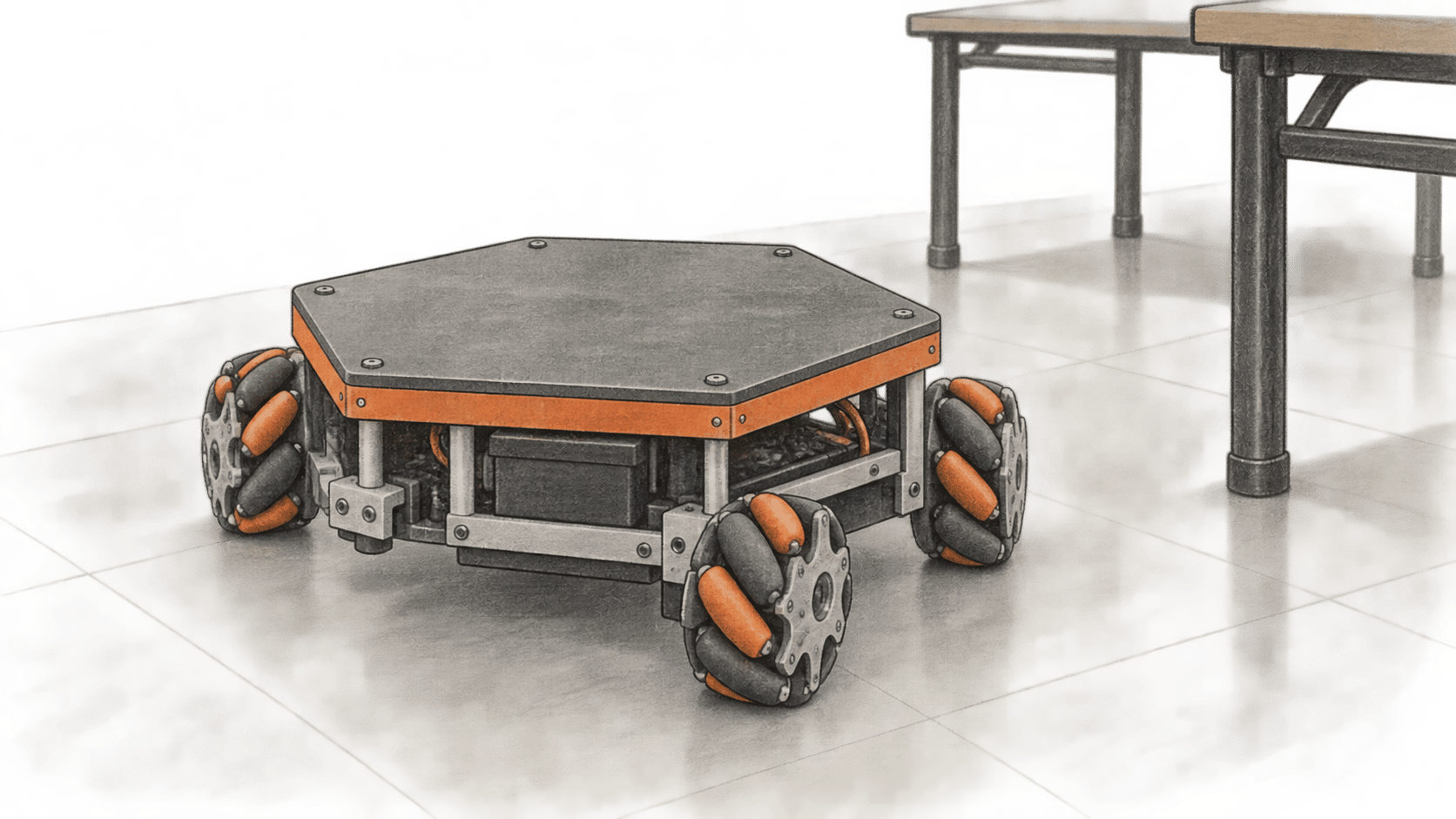
RoboMeshA classroom robot tested at a Guadalajara school workshop

An ITESO team built two RoboMeshA teaching robots and reports a workshop at one Guadalajara school. The AI functions and learning outcomes still lack independent evaluation.

The big change

What changed: A university-built robot now bundles motion, sensors and browser controls into a portable teaching platform. Its builders say a class can connect without installing specialist software or relying on a school network.

Why it matters: Students at the reported CETI Colomos workshop could work with one physical system that joins programming to visible movement and obstacle response. That gives teachers a concrete way to demonstrate robot control where a dedicated lab is unavailable, though no learning improvement has been measured publicly.

What to watch: The team plans two more units and a system that couples four robots. The next useful evidence is how those units perform in repeated classes, including teacher setup, maintenance and whether students can work with the computer vision and AI functions the team describes.

Read the full story
—
Back to the briefing